The most expensive gear on your wish list might be the exact reason your first trip fails. We’ve all felt that magnetic pull toward the newest, heaviest accessories, but the most seasoned explorers know that overlanding is truly a discipline of subtraction. It’s natural to feel overwhelmed by the fear of a mechanical breakdown in the middle of the desert or the constant anxiety of exceeding your vehicle’s legal weight limits. We’re here to help you find your footing by avoiding rookie overlanding mistakes that turn a dream adventure into a costly recovery mission.
We believe that responsible exploration starts with a solid foundation of knowledge and a deep respect for the land. This guide will provide you with a clear priority list for essential gear and the technical skills you need to stay self-reliant in the bush. We’ll show you how to master vehicle weight management, plan remote routes with confidence, and protect the wild places that make our community so special. Let’s get your rig ready for the real world so we can all enjoy the tracks for years to come.
Key Takeaways
- We’ll show you how to master your Gross Vehicle Mass (GVM) to protect your suspension and stop the “just in case” fallacy from ruining your fuel economy.
- Discover why redundant navigation hardware is non-negotiable for remote travel and which specific tools keep us connected when cellular service drops to zero.
- Learn the essential pre-trip mechanical inspections and recovery strategies that prioritize simple, effective tools over complex winching operations.
- Understand the nuances of modern campfire management and environmental ethics to help our community preserve access to Australia’s most pristine tracks.
- Streamline your daily camp rhythm by choosing the right shelter strategies and avoiding rookie overlanding mistakes that drain your energy.
Table of Contents
The Gear Trap: Why Overloading is the #1 Rookie Mistake
We’ve all seen that one rig at the trailhead; it’s the one sagging under the weight of three spare tyres, four jerry cans, and enough recovery gear to pull a tractor out of a swamp. It’s easy to fall into the trap of thinking more gear equals more safety. In reality, the path to avoiding rookie overlanding mistakes begins with understanding that your vehicle has a finite capacity. Before you start bolting accessories to your chassis, it’s vital to grasp What is Overlanding? At its core, this pursuit is about self-reliant travel to remote destinations, and nothing kills self-reliance faster than a snapped leaf spring or a blown shock absorber caused by sheer mass.
The “just in case” fallacy is the most dangerous mindset for a new explorer. We tell ourselves we need that heavy high-lift jack or a full kitchen suite for a weekend in the Victorian High Country. However, every extra kilogram increases your fuel consumption and puts immense stress on your drivetrain. Instead of packing for every possible disaster, we recommend prioritising multi-use tools. A simple shovel can clear a track, bury waste, and manage a campfire; it’s far more valuable than a single-purpose gadget that sits at the bottom of a heavy drawer system.
The Legal and Safety Risks of Overweight Vehicles
Your Gross Vehicle Mass (GVM) isn’t just a suggestion; it’s a legal limit that dictates how your vehicle handles in a crisis. When you’re over your GVM, your braking distances increase significantly, and your ability to swerve around a kangaroo or a sudden obstacle is compromised. It’s also a major insurance red flag. If you’re involved in an accident and your vehicle is found to be over its legal limit, your claim could be denied entirely. We always suggest visiting a weighbridge before a big trip. As of May 2026, a first weigh at a CAT Scale costs $15.25, which is a tiny price to pay for peace of mind and legal protection.
The “Stage One” Essential Kit
When you’re first starting out, focus on the “Big Three”: Water, Fuel, and Comms. These keep you alive and moving. A quality tyre pressure gauge is a far better investment than a fancy portable espresso machine because managing your footprint on the trail is essential for both traction and environmental protection. Be wary of the roof rack trap. A popular roof top tent can weigh between 150 and 260 lbs. Once you add the rack and occupants, you could be putting 400 to 700 lbs at the highest point of your vehicle. This raises your centre of gravity and makes rollovers more likely. Keep your heavy items low and central, and consider lightweight 4wd awnings to provide shade without compromising your GVM. By keeping your first few trips minimal, you’ll quickly identify what gear is truly essential and avoiding rookie overlanding mistakes will become second nature.
Navigation and Communication Beyond Mobile Apps
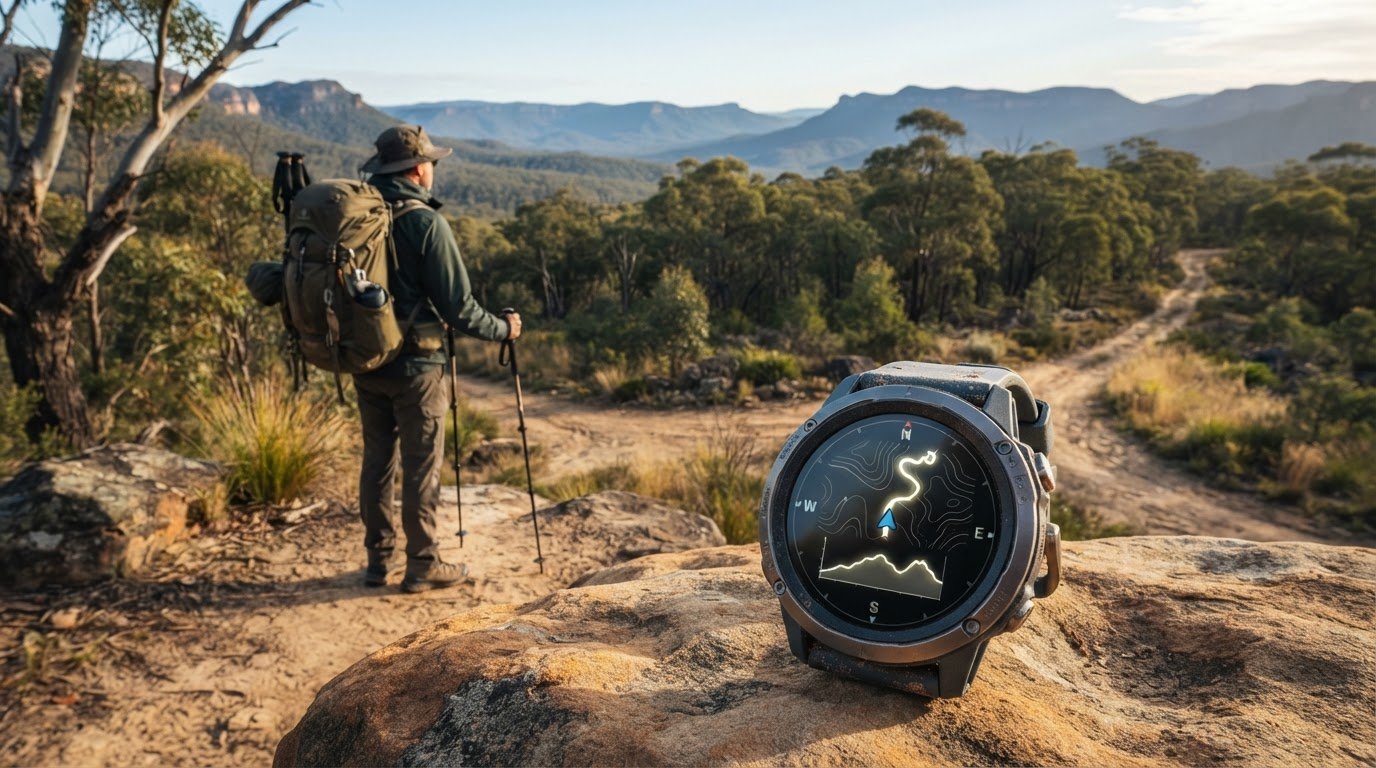
We’ve all been there: staring at a “No Service” icon while the track ahead splits into three unmarked paths. Relying solely on a smartphone’s “blue dot” is a classic trap when avoiding rookie overlanding mistakes. While modern phones are incredible pieces of technology, their reliance on fragile screens and cellular towers makes them a single point of failure in the outback. If your phone overheats on the dash or the charging port fills with dust, your entire navigation strategy vanishes. We always carry a dedicated, rugged GPS unit and paper maps as a fail-safe backup. These tools don’t just show where you are; they provide the topographical detail needed to understand the terrain before you’re committed to a steep descent.
Communication is the other half of the safety equation. When we’re on the tracks, we use UHF radios to stay in touch with our convoy and other travellers. Learning UHF etiquette is essential. Channel 40 is the highway standard for truckies, and using it correctly helps us stay aware of oversized loads or hazards ahead. Always be polite, keep your transmissions brief, and state your direction clearly. Following general safety protocols like BLM off-highway vehicle regulations ensures we respect the land and stay within safe operating limits during our remote explorations.
Remote Comms: PLBs vs. Satellite Messengers
If things go truly wrong, you need a way to call for help that doesn’t rely on a mobile tower. We recommend carrying both a Personal Locator Beacon (PLB) and a satellite messenger. A PLB is a high-powered, subscription-free device designed solely for life-threatening emergencies, while a satellite messenger provides two-way messaging and tracking through a paid service plan. For example, a Garmin inReach annual Safety plan starts at $11.95 per month, while a ZOLEO Basic plan is $20 per month. These devices allow us to send a “we’re okay” message to family, which prevents unnecessary worry when a trip takes longer than expected.
Mastering Offline Maps
Success in the bush starts at home. We never leave the driveway without downloading regional map tiles for the areas we plan to visit. Specialized apps like onX Offroad (Premium at $34.99 per year) or Gaia GPS (Premium at approximately $39.99 per year) allow us to see land ownership and detailed contours without a signal. This level of preparation is how we build confidence for avoiding rookie overlanding mistakes on every journey. Our Ultimate Adventure Travel Planner can help you map these remote escapes effectively. By studying the topography and planning your fuel stops in advance, you transform a stressful drive into a controlled, responsible adventure.
Mechanical Readiness and Recovery Realities
We’ve all seen the shiny winch on a rig that’s never been unspooled. Real mechanical readiness isn’t about buying the most expensive recovery gear; it’s about knowing your vehicle inside out before the track turns nasty. One of the most effective ways of avoiding rookie overlanding mistakes is to perform a rigorous “Pre-Trip Inspection.” We check every fluid level, inspect belts for perishing, and ensure battery terminals are tight and free of corrosion. It’s also vital to never head into the bush with a brand-new modification you haven’t tested. Whether it’s a new suspension lift or a heavy roof top tent, you need to know how that extra mass affects your handling on a local track before you’re hundreds of kilometres from help.
Tyre pressure is your greatest tool for traction, yet it’s the most common reason rookies get stuck. Many beginners are hesitant to drop their pressures, fearing they’ll damage the tyre. In reality, lowering your PSI increases your footprint and allows the rubber to mould over obstacles. If you’re struggling on a sandy incline, don’t just reach for the winch. We always reach for our recovery tracks first. While winches are powerful, they require regular maintenance to ensure the motor hasn’t seized from road salt or dust. Recovery tracks are immediate, safe, and require zero mechanical parts to work perfectly every time.
Basic Field Repairs Every Overlander Should Know
Dust and corrugations are the silent killers of remote travel. The constant vibration of outback roads can rattle even the sturdiest bolts loose. We make a habit of checking our air filters daily in dusty conditions and doing a “spanner check” on critical components like shock mounts and roof rack bolts. Learning to plug a tyre is another essential 10-minute skill. It’s the difference between a quick roadside fix and an eight-hour ordeal trying to change a heavy wheel on uneven ground. Always carry essential fluids like engine oil and coolant, and learn to spot the tell-tale signs of a leak before it becomes a terminal failure.
Safe Recovery Protocols
Safety is our primary concern when things go wrong. We prefer static pulls or using recovery tracks over high-energy kinetic recoveries, which can be incredibly dangerous for the uninitiated. You must ensure your vehicle has “rated” recovery points; factory tie-down points are not designed for the stresses of a recovery and can tear off with lethal force. While gear is great, a professional 4WD training course is the best investment you’ll ever make. It builds the confidence you need for avoiding rookie overlanding mistakes and ensures you know how to use your equipment without risking yourself or your passengers.
The Human Element: Ethics and Environmental Responsibility
Overlanding is a privilege, not a right. As we venture into the heart of the country, we carry a weight far greater than our GVM; we carry the reputation of the entire outdoor community. A major part of avoiding rookie overlanding mistakes is understanding that our impact lingers long after we’ve packed up camp. It isn’t just about picking up your own rubbish. It’s about leaving a site better than you found it. This means managing your campfire with extreme care. Ignoring local fire bans or leaving a fire smouldering is a dangerous rookie error that puts lives and ecosystems at risk. We always check current regulations through local apps and ensure our fires are completely extinguished with water, not just buried in sand.
Respecting the land also means acknowledging the people who live and work there. Whether we are travelling through traditional Indigenous lands or crossing private pastoral stations, we must seek permission where required and stay on designated tracks. “Exploring” is never a valid excuse for trespassing or cutting new paths through someone’s livelihood. The outback social contract is simple: look out for one another. If you see someone in trouble, offer help, but never put yourself or your passengers in danger to do so. This level of mindfulness is a cornerstone of avoiding rookie overlanding mistakes that could lead to track closures or restricted access for everyone.
Waste Management in Remote Areas
We follow a strict “Pack it in, Pack it out” rule for everything, including organic waste like fruit peels that disrupt local wildlife. Proper greywater disposal is vital; we never dump soapy water near natural water sources as it can poison delicate aquatic life. Driving off established tracks crushes fragile vegetation and creates erosion scars that can take decades to heal. By sticking to the path, we ensure these regions remain pristine for the next generation of explorers.
Community Etiquette and Respect
Shared camps require courtesy. We keep noise and light pollution low after dark to respect our neighbours and the local wildlife. Approaching remote communities with humility and cultural awareness is essential for keeping these regions open to us. If the rugged life starts to wear you down, check out our guide on Best Resorts in Australia for when you need a break from the rugged tracks. To ensure your camp setup is as respectful as possible, explore our latest equipment recommendations for low-impact shelter solutions.
Building Your Setup: Shelter and Shade Strategies
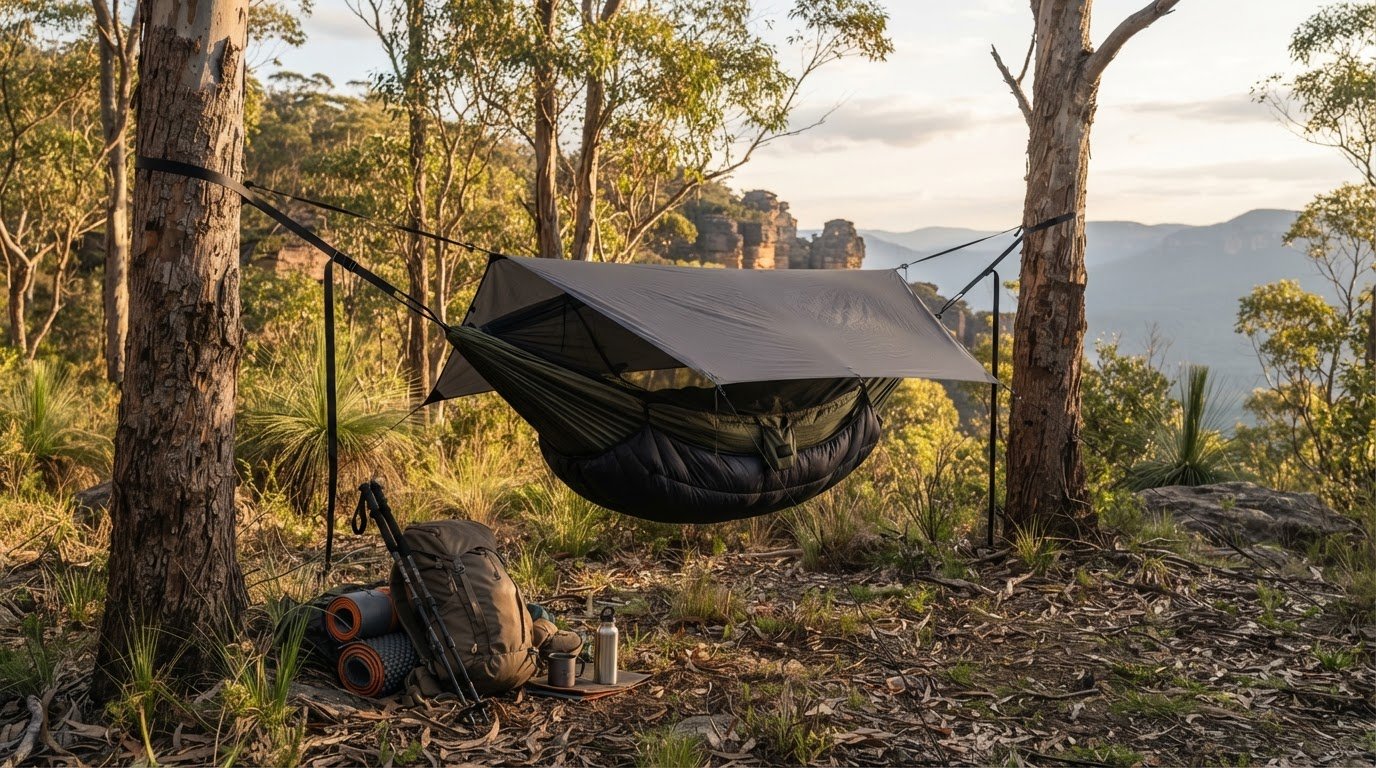
Sleep is fuel. We often focus on the mechanics of the drive, but your sleeping setup dictates your daily energy levels and your overall safety on the track. If you spend two hours wrestling with a complex tent every evening, you’ll start the next day fatigued and prone to poor decision-making. A cohesive shelter system should be fast, reliable, and integrated into a weight-conscious build. This is a critical part of avoiding rookie overlanding mistakes; your gear should serve your journey, not the other way around.
The trade-off between setup speed and vehicle aerodynamics is a constant balancing act. A bulky setup increases drag, which spikes fuel consumption and can make your vehicle feel unstable in high winds. We always look for low-profile solutions that minimize wind resistance while providing the durability needed for the outback. Managing the “Sun Factor” is equally important. In remote Australia, quality shade is a safety requirement. It provides a sanctuary from heat exhaustion and a dry space to perform vehicle repairs during a sudden downpour.
Roof Top Tents: Efficiency vs. Weight
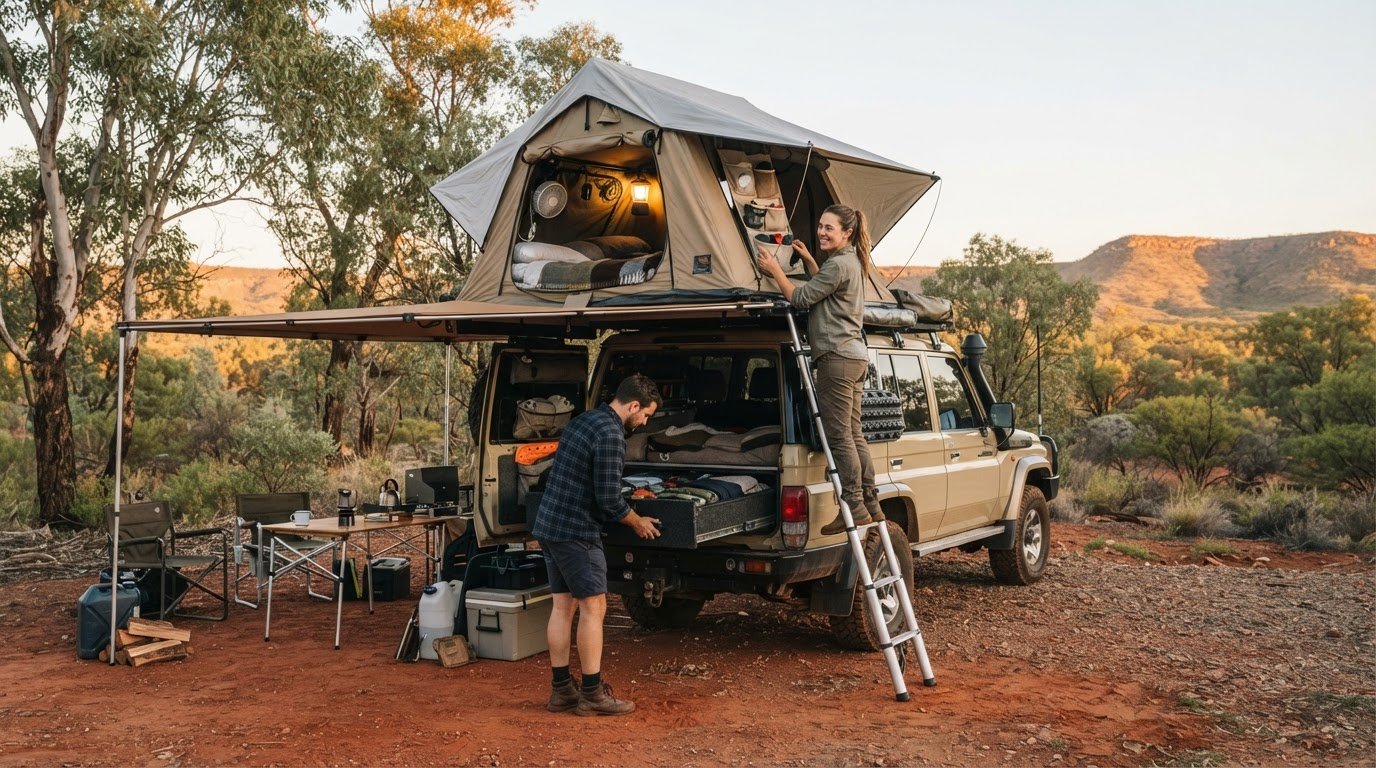
Choosing between hardshell and softshell options depends on your specific travel style. Hardshell tents offer lightning-fast setup times and better aerodynamics, but they often carry a weight penalty. Softshell tents are generally lighter and more compact when closed, but they can be noisier in the wind. Regardless of your choice, you must ensure your roof rack is rated for the dynamic load of the tent. This is the weight the rack can safely carry while the vehicle is moving, which is significantly lower than the static load it can hold while parked. Explore our comprehensive reviews of Roof Top Tents to find your perfect match for your next remote escape.
The Role of 4WD Awnings in Remote Survival
For the solo traveller or those moving camp daily, 270-degree awnings have become the gold standard. They provide massive coverage over the side and rear of the vehicle, creating an instant living space. However, we must be vigilant about securing these large surfaces against sudden outback wind squalls. A single gust can flip an unsecured awning over your roof, causing thousands of dollars in damage to your vehicle’s pillars. Always use high-quality pegs and guy ropes, even if the sky looks clear. See our picks for the Best 4WD Awnings currently on the market to ensure you have the best protection possible. By prioritizing a setup that is both efficient and lightweight, avoiding rookie overlanding mistakes becomes a natural part of your preparation process.
Ready to Master the Remote Tracks?
We’ve covered the critical pillars of weight management, the necessity of redundant navigation systems, and the vital importance of protecting our wild places. Mastering these skills is the first step toward becoming a truly self-reliant explorer who respects the land as much as the journey. By focusing on building a balanced, durable setup and avoiding rookie overlanding mistakes, you’re setting yourself up for years of successful travel across this incredible continent. It’s about the quality of the experience and the resilience of your kit, not the quantity of gadgets bolted to your roof.
We want to see you out there, exploring responsibly and safely! Our reviews are forged from thousands of kilometres of remote travel, offering community-vetted guides that prioritize sustainable Australian exploration. Join the Adventurerz community and get expert gear recommendations for your next trip! We’re here to help you bypass the marketing hype and find the tools that actually work when the pavement ends. The tracks are calling, and with the right mindset and methodical preparation, you’re ready to answer. We’ll see you at the trailhead!
Frequently Asked Questions
Is overlanding dangerous for beginners?
Overlanding isn’t inherently dangerous if you prioritize preparation over gear hauls. Most risks stem from a lack of technical knowledge or over-reliance on cellular service. By focusing on skill-building and carrying redundant communication tools, you can explore remote areas with confidence and safety. We always suggest starting with shorter trips to build your self-reliance before tackling iconic outback tracks.
How much water should I carry for a remote trip?
We recommend carrying a minimum of one gallon (roughly 3.8 litres) per person, per day. This amount covers basic hydration and hygiene, but you must pack extra for vehicle cooling and potential emergencies. In desert environments, dehydration is the leading medical issue, so always carry a 20% buffer beyond your planned trip duration to stay safe in the heat.
Do I really need a 4WD to go overlanding?
You don’t strictly need a 4WD for all adventures, but it’s essential for the remote exploration we focus on. While many gravel roads are accessible to AWD vehicles, true outback tracks require high clearance and low-range gearing to navigate deep sand or rocky washouts. A capable 4WD provides the durability needed to withstand thousands of kilometres of punishing corrugations without mechanical failure.
What is the most common mechanical failure on the tracks?
Tyre punctures and battery failures are the most frequent issues we see in the bush. The constant vibration of outback roads also tends to rattle non-critical bolts loose over time. Carrying a basic tyre plug kit and performing a daily “spanner check” are the best ways of avoiding rookie overlanding mistakes that could otherwise turn into a costly recovery mission.
How do I manage my vehicle weight (GVM) properly?
The only way to know your true weight is to visit a weighbridge with a fully loaded rig. As of May 2026, a first weigh at a CAT Scale costs $15.25. Compare your total weight against the Gross Vehicle Mass (GVM) listed on your vehicle’s compliance plate. Staying under this limit is vital for your insurance, braking performance, and the longevity of your suspension.
Is it okay to go overlanding alone?
Solo travel is possible, but we don’t recommend it for your first few remote journeys. Having a second vehicle provides an immediate recovery option and a backup for communication. If you do choose to go alone, you must carry a PLB and a satellite messenger to ensure you can call for help if you’re incapacitated or your vehicle suffers a terminal breakdown.
For those who want to experience remote journeys without the risks of going alone, Another World Another Way offers curated travel experiences that emphasize safety and expert guidance in spectacular settings.
What is the best way to handle rubbish in the outback?
We follow a strict “Pack it in, Pack it out” policy for every journey. Use heavy-duty, puncture-proof bags to store your waste and secure them to the exterior of your vehicle to keep the interior clean. Never bury rubbish or leave organic scraps behind; fruit peels and leftovers can take years to decompose in arid environments and can harm local wildlife.
Can I use a normal tent instead of a roof top tent?
Absolutely! Ground tents are a brilliant way to keep your vehicle’s centre of gravity low and your GVM within safe limits. While roof top tents offer a fast setup, a quality ground tent is often more versatile and doesn’t affect your fuel economy. Choosing a ground setup is a smart strategy for avoiding rookie overlanding mistakes like overloading your roof rack and increasing rollover risks.