The “Big Three”, coastal salt, Outback heat, and those relentless Roaring Forties winds, will chew up and spit out a standard drone before you’ve even cleared the first set of dunes! We’ve all felt that familiar knot of anxiety when the wind picks up over the Great Australian Bight or when the fine red dust of the Pilbara starts swirling toward a sensitive gimbal. It’s a harsh environment for electronics, and finding the best drones for travel photography Australia requires gear that can actually survive the grit of our remote tracks.
We’re here to help you capture those legendary aerial perspectives of the Red Centre while staying fully compliant with the latest CASA 2026 regulations. You’ll discover which ultra-portable rigs can truly withstand a rugged trek and fit into your standard hiking pack without weighing you down. We’re diving into the essential gear that handles our extreme conditions, explaining the $40 registration requirements for heavier craft, and sharing our field-tested tips for keeping your batteries charged when you’re deep off-grid. As fellow Adventurerz, we know the thrill of that perfect sunrise shot. Let’s get your kit ready for the ultimate Australian expedition!
Key Takeaways
- We’ll show you how to use a drone as a high-altitude scout to find the best remote campsites and check track conditions before we commit our 4WDs.
- Discover why Level 5 wind resistance is non-negotiable when we’re selecting the best drones for travel photography Australia for coastal or desert missions.
- We’ll help you stay on the right side of CASA in 2026 by mastering registration requirements and the latest permit rules for our stunning National Parks.
- Master off-grid power management so we don’t run out of juice, and learn how to protect your gear from that relentless red dust.
- Follow our guide to ethical flying so we can protect our unique wildlife and keep these tracks open for all Adventurerz.
Table of Contents
Why Drone Photography is Essential for Australian Travel
Australia’s beauty is often found in its sheer, mind-boggling scale. When we’re standing on a red dirt track in the middle of the Gibson Desert or looking out over the Great Australian Bight, a standard camera lens barely scratches the surface. It’s hard to convey that feeling of isolation and grandeur from six feet off the ground. That’s why we believe the best drones for travel photography Australia are no longer just toys for tech enthusiasts; they’re essential tools for every modern explorer.
By taking to the sky, we gain a perspective that was once reserved for wedge-tailed eagles. We can see the ancient, intricate patterns of dry salt lakes or the way the turquoise tide carves through coastal limestone without ever stepping foot on fragile, protected dune systems. It’s about more than just a pretty picture; it’s about documenting our collective journey as Adventurerz while respecting the very environments we love to explore. Sharing these perspectives helps our community understand the fragility of these remote regions, fostering a deeper sense of accountability among everyone who hits the road.
To see how these tools perform in the field, check out this look at one of our top recommendations for 2026:
The Scale of the Australian Landscape
Drones as a Safety Tool for Remote Explorers
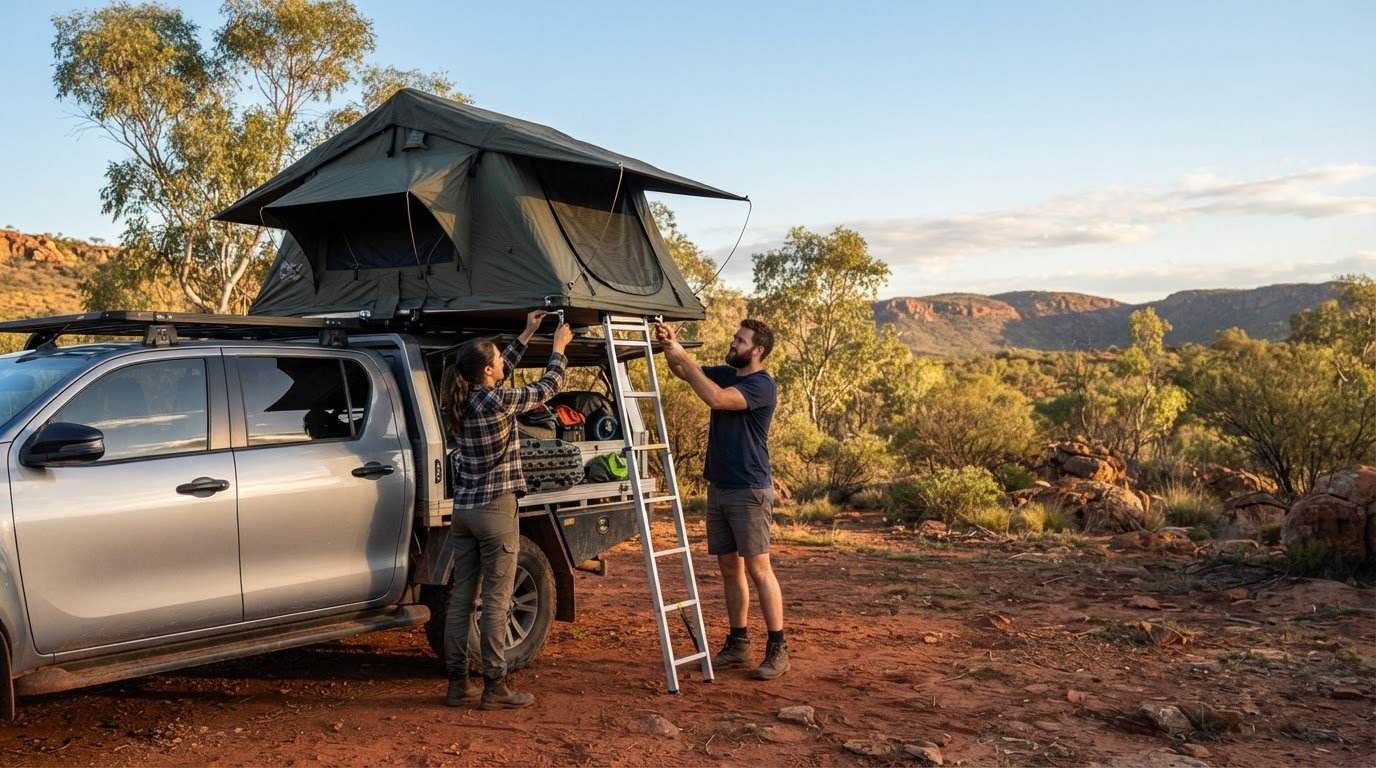
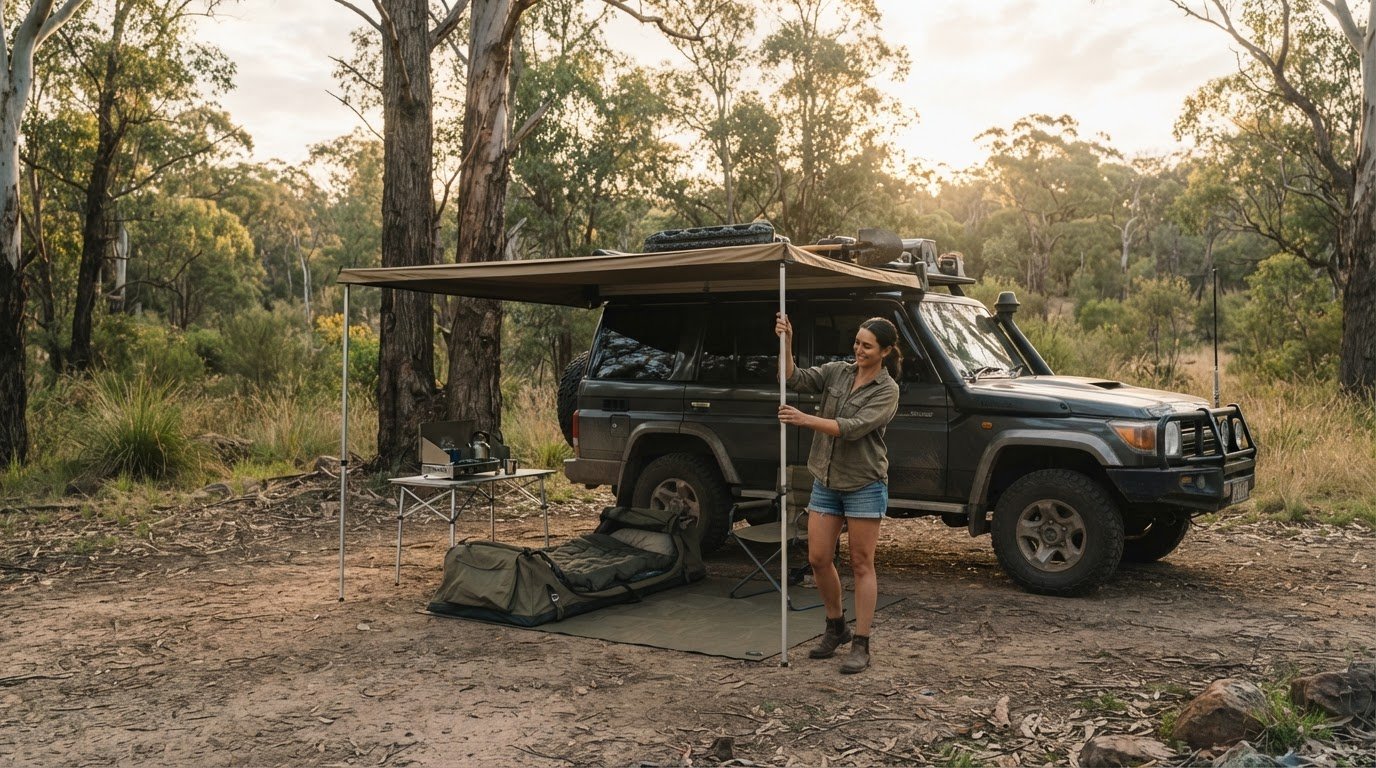
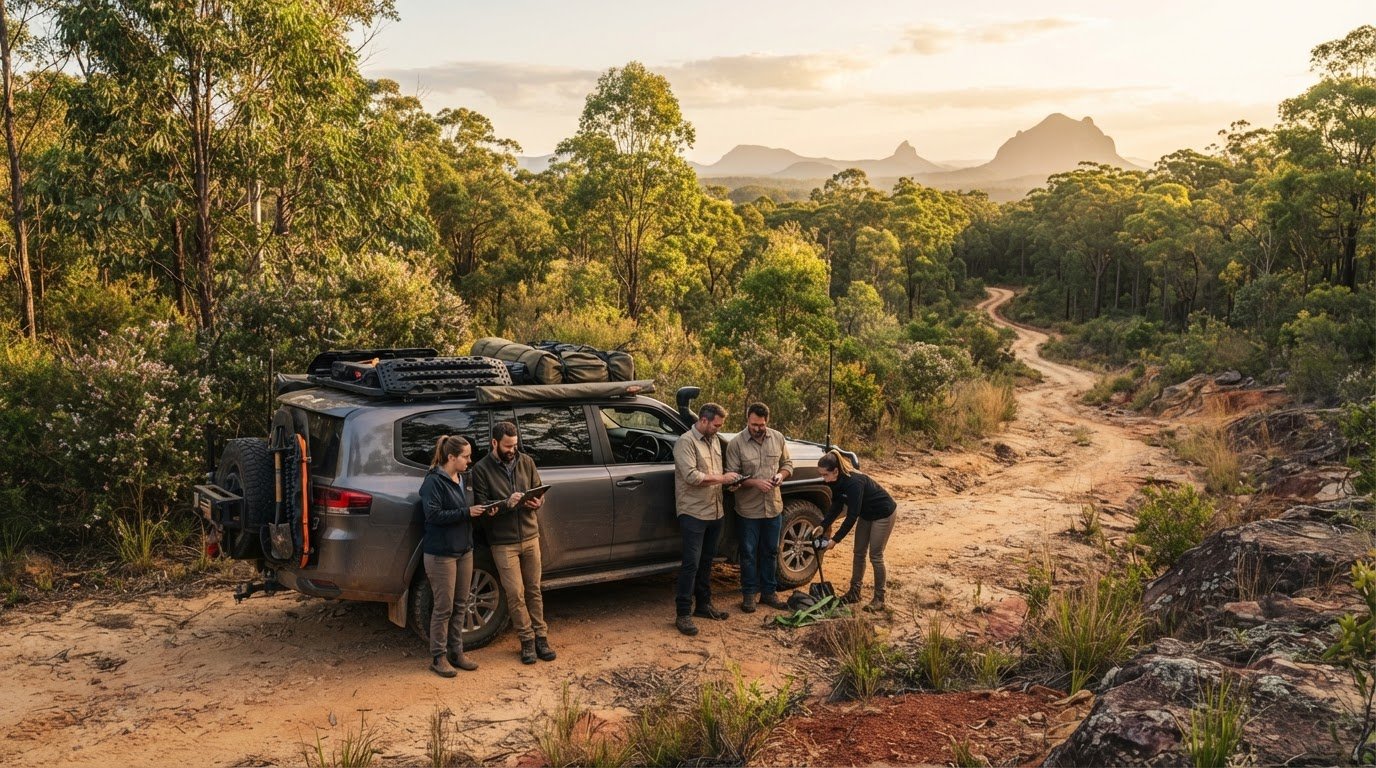
Beyond the art, we use these machines as tactical scouts. If we’re staring down a murky creek crossing or an overgrown track that looks like it might end in a bog, we send the drone up first. It’s much easier to spot a submerged log or a dead-end from the air than it is to winch a heavy 4WD out of a tight spot. We also use them to survey potential campsites from above. There’s nothing better than finding a perfectly level clearing to deploy our roof top tents and awnings, ensuring we have the best possible view for the morning sunrise. This methodical approach to exploration keeps us safe, self-reliant, and ready for whatever the bush throws our way. When we’re hundreds of kilometers from the nearest town, having that eye in the sky is a vital part of our safety protocol.
Key Criteria for an Australian Travel Drone in 2026
Choosing the best drones for travel photography Australia requires looking past the glossy marketing brochures. While a lightweight drone is easy to carry, our unique environment demands gear that can survive extreme conditions. We aren’t just flying in a local park; we’re launching into salt-laden sea breezes, intense Outback heat, and unpredictable gusty winds. If your drone can’t handle a sudden 40 km/h gust on the Great Ocean Road, it won’t be part of your kit for long.
Wind Stability and Coastal Flying
Wind is the primary drone-killer on our coastlines. We look for a minimum of Level 5 wind resistance, which allows a craft to remain stable in winds up to 38 km/h. While sub-250g drones have improved, they still struggle with the “blow-away” risk during a strong southerly buster. Heavier models like the DJI Air 3S offer a much higher moment of inertia, meaning they don’t have to work their motors nearly as hard to stay pinned in one spot. Before you launch near the coast, always check the State and Territory Drone Rules to ensure you aren’t in a restricted zone or sensitive marine park.
Sensor Quality for Golden Hour in the Desert
In 2026, a 1-inch sensor has become the gold standard for serious travel. The dynamic range found in an Australian sunset is massive, often stretching from deep shadows in the gorges to the brilliant, blown-out oranges of the sky. We need sensors that can capture those details in RAW format. This allows us to pull out the rich ochre and rust tones of the red earth during post-processing without introducing heavy digital noise. If you’re planning to document your trip, don’t settle for a small mobile-grade sensor that turns our beautiful landscapes into a muddy mess.
Thermal management is another critical factor. When the mercury hits 40 degrees in the Red Centre, many consumer drones will throttle their performance or even shut down to protect the battery. We prioritize models with robust internal cooling and ventilated bodies. Finally, we have to consider the 250g weight threshold. Staying under this limit means we avoid the $40 annual CASA registration fee, though we often trade away some of that vital wind stability to get there. It’s a balancing act that every explorer has to weigh up based on their specific route. For more gear tips, check out our latest adventure ideas in Australia to see what we’re packing for our next trip.
The Best Drones for Travel Photography Australia: 2026 Rankings
When we’re out in the field, we need gear that works as hard as we do. At Adventurerz, we’ve put the latest tech through its paces to find the best drones for travel photography Australia offers in 2026. Whether you’re a weekend warrior or a full-time nomad, these are the rigs that made our final cut. We’ve focused on reliability, image quality, and that all-important ability to survive the grit of the track. If you’re a fan of seeing how far innovation can go, you can read more about some of the world’s most unusual gadgets.
DJI Air 3S: The Sweet Spot for Adventurers
Starting at AUD $1,529, the DJI Air 3S is the drone we reach for most often. Its dual-camera system is a game-changer for remote travel. We can switch between a wide-angle lens for sweeping salt lake vistas and a medium telephoto lens to compress the landscape without having to fly the drone dangerously far away. With a 45-minute flight time and Level 6 wind resistance, it’s stable enough to capture rock-solid footage on those blustery coastal cliffs where smaller drones might struggle.
DJI Mini 5 Pro: The Ultralight Explorer
For those of us counting every gram in a hiking pack or a cramped 4WD, the DJI Mini 5 Pro is the king. Priced from AUD $1,119, it weighs less than 250g, which means we don’t have to pay the $40 annual CASA registration fee. Don’t let its size fool you; it features 360-degree obstacle sensors and a dedicated vertical shooting mode. This makes it the perfect tool for capturing “reel-ready” content of your convoy moving through the bush without needing to crop your high-res files later.
DJI Mavic 4 Pro: For the Serious Content Creator
DJI Mavic 4 Pro: For the Serious Content Creator
If your goal is professional-grade gallery prints, the DJI Mavic 4 Pro is the undisputed powerhouse. At AUD $3,099, it’s a significant investment, but the triple-camera system and Hasselblad colour science are unmatched for capturing the true, vibrant ochres of the Red Centre. It boasts an incredible 51-minute flight time, giving us plenty of airtime to scout deep into canyons or follow a track for kilometers. The omnidirectional obstacle sensing is particularly useful when we’re navigating through dense gum forests or tight rocky gaps. For creators looking to turn these high-end visuals into impactful brand stories, Untitled Creative offers professional video production and photography services that excel in performance-driven environments.
We know some Adventurerz prefer to stay outside the DJI ecosystem. The Autel EVO Lite+ remains a hardy favorite for its superb low-light performance and “ban-proof” peace of mind. It’s built like a tank and handles the heat of the northern tropics better than most, making it a reliable partner for those long, humid treks through the Top End.
Adventurerz Community Hub: Best for Field-Tested Advice
While the hardware is important, knowing how to use it in the Australian wild is what sets you apart. We don’t just recommend gear; we provide the real-world field reports and 4WD track guides you need to make the most of your investment. Before you head out, check our community forums for the latest updates on track conditions and drone-friendly campsites to ensure your next mission is a success.
Navigating Australian Drone Laws and Ethics
Being an explorer in this country is a privilege that comes with serious responsibilities. We’ve all seen the stunning footage from the best drones for travel photography Australia has to offer, but those shots shouldn’t come at the cost of our reputation as a community. CASA (Civil Aviation Safety Authority) has tightened regulations for 2026, and ignorance isn’t a valid excuse when a ranger or police officer asks for your credentials. Staying compliant isn’t just about avoiding fines; it’s about keeping our skies open for everyone.
CASA 2026 Rules for Recreational Flyers
Every pilot in our community must hold a valid flyer accreditation. It’s a free online course and quiz available on the CASA website, and it’s valid for three years. If we’re flying a craft that weighs more than 250g, like the DJI Air 3S or Mavic 4 Pro we mentioned earlier, we must register it with CASA. This recreational registration costs $40 per drone, per year. We always keep our drones within our visual line of sight and never fly higher than 120 meters above ground level. Remember, the penalties for non-compliance are steep, with individual fines reaching up to $13,750.
Safety extends to where we launch. We never fly within 5.5 kilometers of a controlled airport, and we always keep a 30-meter buffer from people not involved in our operation. Using verified apps to check restricted airspace in real-time is a standard part of our pre-flight checklist. We also need to be mindful of state-specific rules. While CASA sets the federal laws, individual states have their own permit requirements for National Parks. Some states require a paid permit and a 14-day notice period before you can launch, so we always plan ahead to ensure we’re respecting local regulations.
Ethical Flying in Pristine Environments
Our commitment to “Leave No Trace” extends into the air. We never use our drones to harass wildlife, particularly nesting shorebirds or marine life like whales and dugongs. If an animal changes its behavior because of our drone, we’re too close. We also respect the cultural significance of Indigenous land and sacred sites. Many traditional owners request that drones aren’t used over specific areas, and we honor those requests without question. Noise pollution is another factor; we don’t launch in quiet, remote campsites where others are trying to enjoy the silence of the bush.
When our batteries eventually reach the end of their life, we ensure they’re disposed of at specialized recycling points, never in a standard bush bin. If you want to stay updated on the latest permit costs and restricted zones for your next trip, check out our latest adventure ideas in Australia for detailed regional guides.
The Adventurerz Setup: Off-Grid Drone Management
When we’re deep in the bush, we can’t just plug into a wall socket at the end of the day. Managing power and gear health is what separates a successful expedition from a frustrated trip home with a dead battery. To keep the best drones for travel photography Australia offers in the air, we need a robust off-grid strategy that accounts for the heat, the vibrations of corrugated roads, and that relentless red dust. Our setup is built on self-reliance, ensuring we’re always ready when the light hits the horizon.
Off-Grid Charging and Power Management
By 2026, USB-C Power Delivery (PD) has become the gold standard for fast field power. We no longer rely on inefficient inverters that drain our secondary batteries. Instead, we use high-wattage 12V USB-C chargers that plug directly into our vehicle’s power system. If we’re stationary for a few days, solar is our best friend. Under the shade of our best 4wd awnings, we set up a dedicated charging station that keeps our flight batteries topped up without overheating in the direct sun. We usually aim for at least four batteries for a week-long desert trip. This gives us enough juice for scouting tracks, capturing the sunset, and still having a spare for an emergency morning flight.
Protecting Gear from Dust and Salt
The Australian environment is hostile to precision electronics. Fine silica dust in the Outback can bypass standard zippers and find its way into motor bell housings, causing them to seize. We always favor rugged hard cases with O-ring seals over soft bags. These cases survive the constant vibration of 4WD touring and provide a dust-proof sanctuary for our gear. After a day in the dunes, we perform a quick maintenance ritual:
- Use a rocket blower to clear dust from the gimbal and sensors before wiping them down.
- Check the motor vents for any grit or salt spray that could cause corrosion.
- Inspect propeller tips for small nicks caused by sand or spinifex during low-level flights.
We also never leave camp without a set of ND filters. The Australian sun is incredibly harsh at midday, and without an ND16 or ND32 filter, our footage would be blown out and jittery. These filters act like sunglasses for our drone, allowing us to maintain a natural motion blur even in the glaring white light of a salt lake. Finally, when it comes to launching, we often use the roof of our vehicle or the flat platform of our roof top tents. This keeps the drone away from the “dust cloud” created by the propellers during takeoff, ensuring our motors stay clean and our sensors remain clear for that perfect shot.
Launch Into Your Next Great Australian Expedition
We’ve covered the rugged hardware and the tactical skills needed to master the skies. From surviving Level 5 coastal gusts to navigating the latest 2026 CASA regulations, you’re now equipped to choose the best drones for travel photography Australia has to offer. Since 2018, we’ve provided community-tested gear recommendations designed to survive the harshest conditions while upholding our commitment to sustainable, responsible exploration. It’s about more than just the perfect shot; it’s about scouting the track ahead and protecting the pristine environments we call home. We don’t just review equipment; we live the lifestyle, ensuring every piece of advice is forged in the dust of the Outback.
Ready to put these tools to the test? Plan your next remote escape with our Ultimate Travel Planner and join a community of Adventurerz dedicated to the art of the journey. The red dirt is calling, and the light is just right. We’ll see you out there on the tracks!
Frequently Asked Questions
Do I need a license to fly a drone for travel photography in Australia in 2026?
You don’t need a Remote Pilot Licence (RePL) for recreational travel photography, provided you follow CASA’s standard operating conditions at all times. However, all pilots must hold a valid flyer accreditation, which involves a free online course and quiz. This accreditation remains valid for three years. If you’re using the best drones for travel photography Australia offers for any commercial gain, the rules change significantly, so always check the latest CASA definitions before launching your craft.
Can I fly my drone in Australian National Parks?
Drone access in National Parks varies significantly between states and territories. While CASA sets federal flight safety rules, individual land managers control the ground. In many regions, you’ll need to apply for a specific permit and potentially pay a fee before take-off. We always recommend checking the specific National Park’s website or the Drones.gov.au state rules page to avoid heavy fines and ensure we’re respecting protected wilderness areas and other campers.
What is the best drone for high-wind conditions on the Australian coast?
For the gusty conditions common on our coastlines, the DJI Air 3S is our top recommendation. It features Level 6 wind resistance, allowing it to stay stable in winds up to 43 km/h. While smaller drones are portable, they often struggle with the “blow-away” effect during a strong southerly buster. Choosing a craft with a higher moment of inertia ensures your 4K footage remains rock-solid even when the wind picks up over the ocean.
How do I charge my drone batteries while camping off-grid?
We rely on high-wattage 12V USB-C Power Delivery (PD) chargers that plug directly into our vehicle’s auxiliary power system. This is far more efficient than using an inverter, which wastes energy as heat. If we’re stationary, we use portable solar blankets to keep our power stations topped up. It’s a good idea to charge during the day when solar output is peaking to ensure we have full batteries for those essential golden hour sessions.
Are there specific drones that are better for the Australian heat?
Most modern drones are rated for temperatures up to 40 degrees, but the Australian Outback often pushes these limits. We prefer models with robust internal fans and ventilated bodies, like the DJI Mavic 4 Pro or the Autel EVO Lite+. To prevent thermal shutdown, we avoid leaving batteries in hot vehicles and try to launch from shaded areas. Keeping flight times shorter during the heat of the day also helps protect the sensitive internal electronics.
What happens if I fly my drone over a crowded beach in Australia?
Flying over a crowded beach is a breach of CASA’s safety regulations. You must maintain a minimum distance of 30 meters from anyone not involved in the drone’s operation. If you’re caught flying too close to people or over a populous area, you could face fines reaching up to $13,750. We always look for quieter stretches of coastline where we can capture the scenery without compromising the privacy or safety of other beachgoers.
Do I need to register my sub-250g drone with CASA?
No, you don’t need to register a drone that weighs 250 grams or less for recreational use in 2026. This makes models like the DJI Mini 5 Pro a popular choice for our community, as it saves the $40 annual registration fee. You still need to complete the free flyer accreditation and follow all standard operating conditions. It’s a great way to enjoy the best drones for travel photography Australia while keeping your gear setup lightweight and simple.
How can I fly my drone responsibly near Australian wildlife?
Responsible flying means putting the welfare of our unique animals first. We maintain a respectful distance from nesting birds, whales, and kangaroos to ensure our presence doesn’t cause distress. If an animal changes its behavior or looks toward the drone, we’re too close and need to back away immediately. By using our drones as long-distance observers, we adhere to “Leave No Trace” principles and help keep these wild spaces pristine for future explorers.