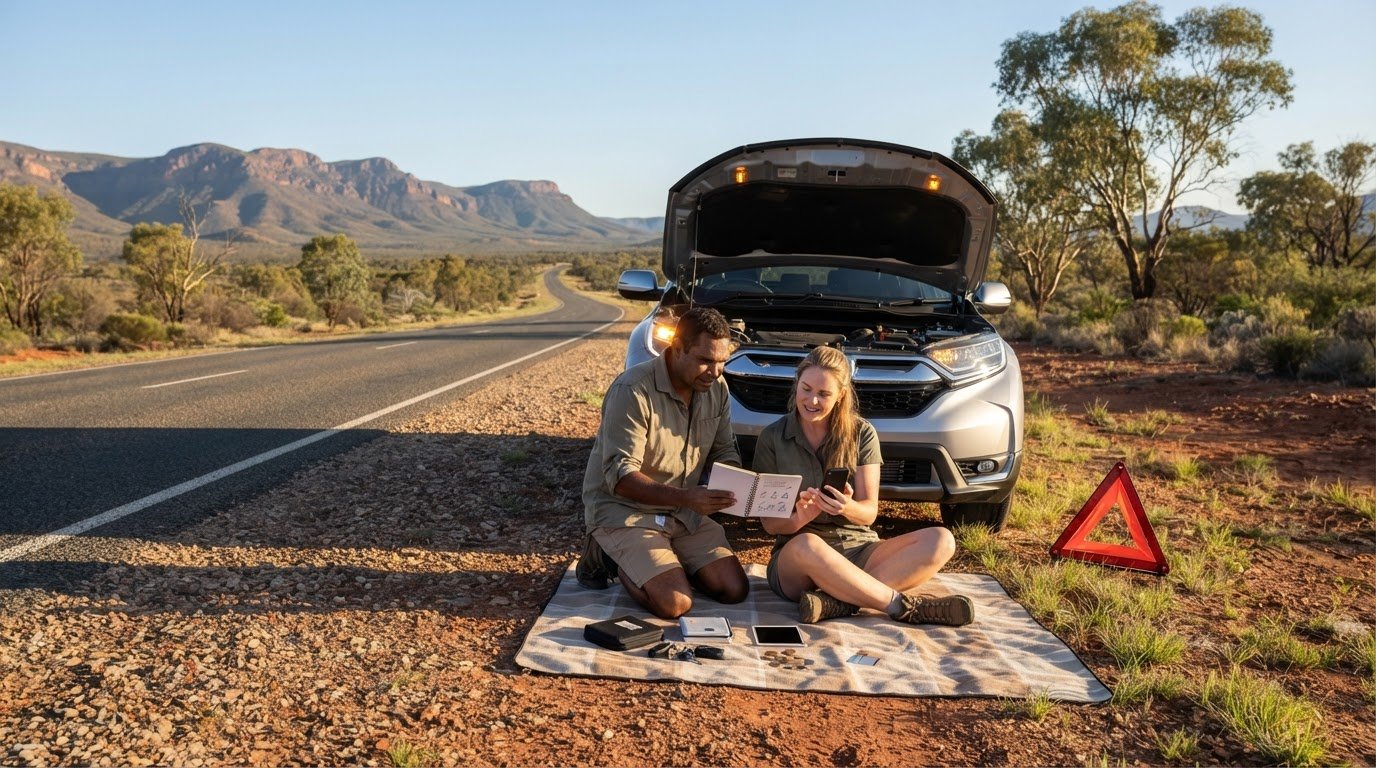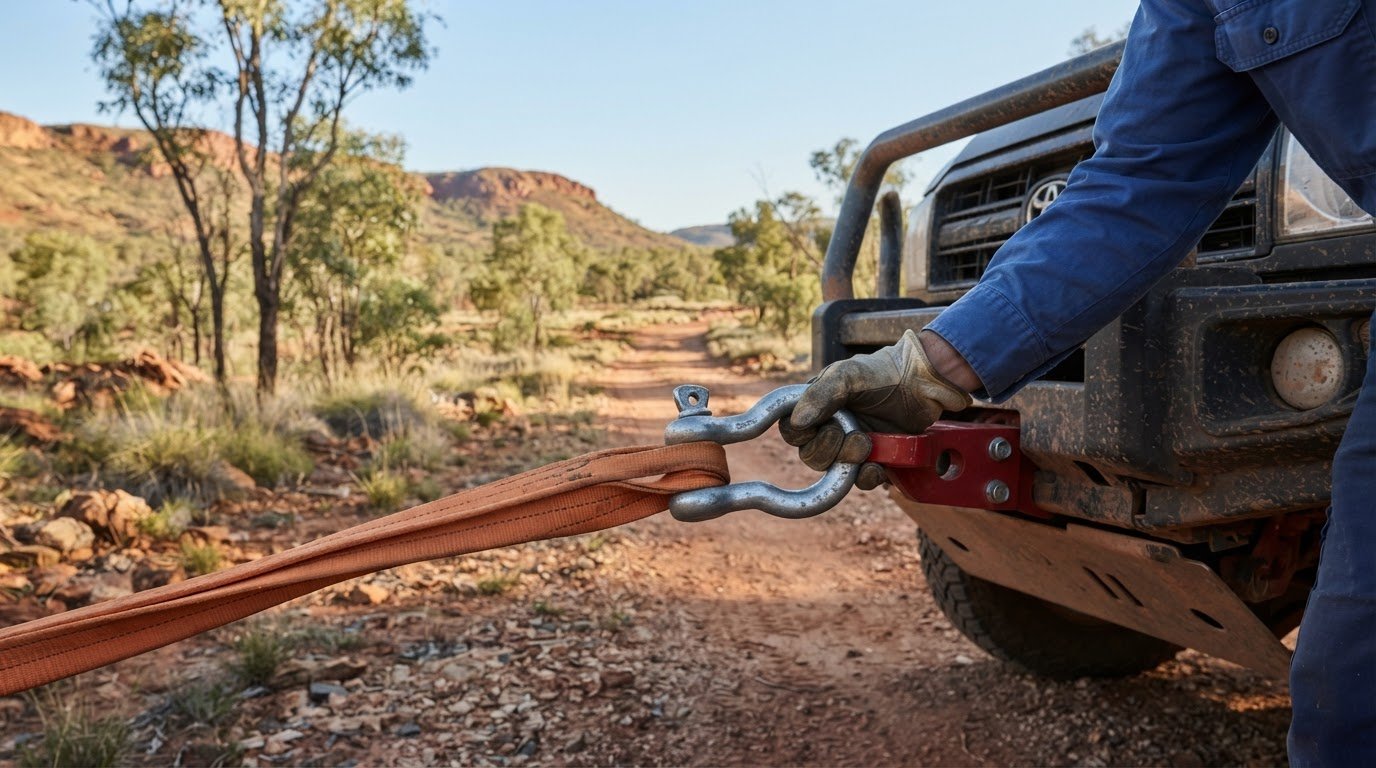
Last summer, an Adventurerz member found themselves 200 kilometers deep into the Pilbara when they realized their kelpie simply could not climb the steep ladder to their new rooftop tent. It is a heart-sinking moment that highlights why meticulous preparation is everything when you are hitting the red dirt tracks. We believe that camping with pets should be an exhilarating experience for both the driver and the dog, but the rugged Australian wilderness demands a high level of expert knowledge. Whether you are dodging coastal paralysis ticks or trying to decode the latest 2026 National Parks biosecurity maps, the stakes are high for our loyal companions.
We all agree that a trip into the bush feels incomplete without a wagging tail in the rearview mirror. This guide will show you how to navigate strict regulations, pack the toughest gear, and keep your mate safe from our unique wildlife encounters. We are going to dive into setting up a climate-controlled campsite, managing waste in sensitive environments, and finding the best remote spots where Adventurerz and their pets are truly welcome.
Key Takeaways
- Uncover the 2026 shift toward holistic, eco-conscious exploration and see how we are leading the way in inclusive bush travel.
- Navigate complex Australian regulations to find the best dog-friendly State Forests and hidden regional gems beyond the National Park boundaries.
- Optimise your 4WD setup with specialized gear tips, ensuring your pet stays comfortable in the vehicle and safe when accessing rooftop tents.
- Learn to identify and mitigate the ‘Big Three’ remote threats—ticks, snakes, and 1080 baits—while mastering the art of camping with pets responsibly.
- Connect with the Adventurerz community to access vetted routes and contribute your own tips for sustainable pet-friendly adventures.
The Evolution of Camping with Pets in Australia (2026)
In 2026, camping with pets has transformed into a sophisticated, holistic lifestyle that prioritizes remote capability and environmental stewardship. We’ve moved far beyond the days of simply tying a dog to a tree at a crowded caravan park. The evolution of recreational camping has led us to a point where our four-legged mates are integral members of the expedition team. For the Adventurerz community, this shift represents a commitment to inclusive exploration. We don’t just bring our pets; we equip them for the journey. Sharing the trail provides immense psychological benefits, reducing cortisol levels by up to 20 percent during outdoor excursions and deepening the bond between human and animal in the wild.
The current Australian landscape reflects this growing demand. While National Parks remain largely restricted to protect native fauna, 85 percent of State Forests now offer designated pet-friendly zones. Private land initiatives have also surged, with a 32 percent increase in “hip-camp” style bookings specifically catering to animals since 2024. This creates a diverse map for us to explore, provided we respect the local regulations. We see this as a win for the community, as it opens up thousands of hectares of the Great Aussie Outdoors to the whole family.
Modern Expectations for Pet-Friendly Adventurerz
The standard for a weekend away has leveled up. Basic setups are out; high-tech, self-sufficient mobile rigs are in. We’re seeing more Adventurerz utilizing specialized roof top tents and rugged 4WD awnings to create a comfortable home base for their dogs. Living as a “Good Neighbor” in shared grounds is now the gold standard. This means zero wandering, managed noise levels, and proactive waste management. 2026 is officially the year of the Adventure Dog because we’ve finally mastered the gear and the etiquette required to bring them along without compromise.
The Core Philosophy: Responsibility Over Convenience
True adventure lies in the delicate balance where pet freedom never comes at the expense of our precious wilderness ecosystems. We’ve adapted the ‘Leave No Trace’ principles to include our animals. This ensures that pet waste is packed out and scent trails don’t disturb local wildlife. Sustainable pet ownership is the only way we keep these remote tracks open. If we don’t protect the bush today, we won’t have anywhere to explore tomorrow. Our commitment to camping with pets means being the most disciplined travelers on the track.
- National Parks: Strict “no pet” policies remain in 95 percent of areas to protect biodiversity.
- State Forests: Generally pet-friendly, provided animals are under effective control.
- Private Land: The fastest-growing sector for off-grid pet adventures in 2026.
Navigating Regulations: Where Can You Camp with Pets?
Australia offers a massive playground for Adventurerz, but the rulebook changes the moment you cross a boundary line. Understanding the “no dogs” policy in National Parks is the first hurdle for any owner. These restrictions exist primarily to protect our native wildlife. Introduced species, even well-behaved ones, can disrupt scent trails of native mammals or threaten the 1,900+ species currently listed as threatened under the EPBC Act. However, exceptions do exist. Certain parks, like the Inskip Peninsula in Queensland, provide specific zones for your four-legged mates. We always recommend checking the specific Park Management Plan before you pack the car to avoid heavy fines.
National Parks vs. State Forests: A Comparison
State Forests are the real winners for bush camping with pets. Unlike most National Parks, State Forests in NSW and Victoria generally allow dogs, provided they stay on a lead and under control. You get the same rugged terrain and towering gums without the strict exclusions. We use official government tools like the ‘More to Explore’ app in Victoria to verify pet status in real-time. If you find yourself stuck near a regional town at sunset, local showgrounds are a brilliant fallback. They often provide powered sites for around A$25 to A$45 per night and almost always welcome pets with open arms.
Private Land: The New Frontier for Adventurerz
Platforms like Hipcamp and Anycamp have revolutionized how we approach camping with pets across the continent. Private cattle stations and remote farms offer hectares of freedom that public land simply cannot match. You might find yourself parked by a private creek in the Mary Valley or overlooking a red-dirt ridge in the Flinders Ranges. Respect is the currency here. Always keep your pet away from livestock to maintain the trust between landholders and the Adventurerz community. It’s about leaving the gate as you found it and ensuring your dog doesn’t stress the resident herd.
For those times when you crave a bit of pampering after a dusty week on the tracks, some resorts in Australia now provide dedicated pet-friendly wings. It’s a great way to recharge between off-grid stints. If you’re planning to stay elevated and away from the scrub, consider how our community uses roof top tents to keep pets safe and comfortable off the ground. We love seeing our tribe explore the 7.6 million square kilometers of this continent responsibly while keeping their best friends by their side.
Essential Gear for a Pet-Friendly 4WD Setup
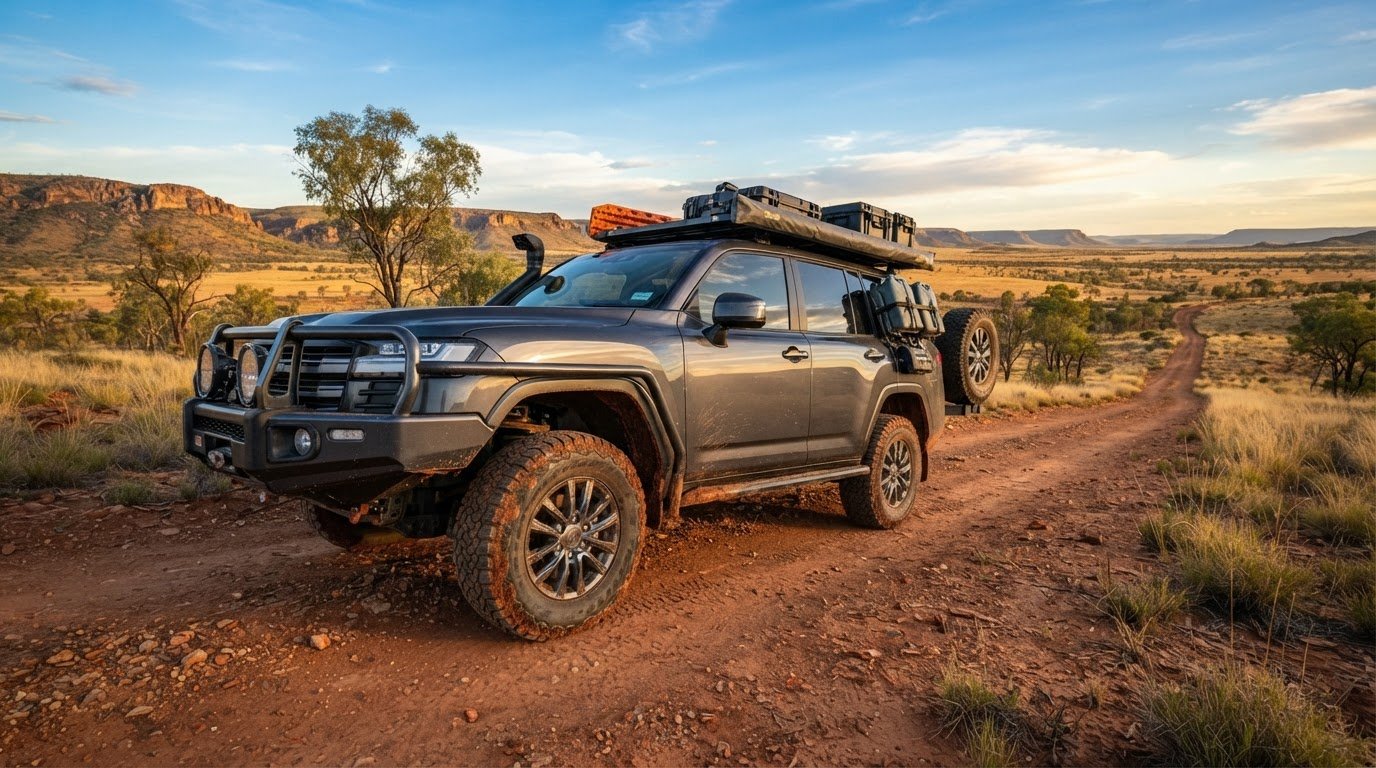
Setting up your rig for camping with pets requires a strategic approach to weight distribution and interior layout. We need to ensure our furry passengers are secure without compromising our access to recovery gear or the fridge. A modular storage system works best; use a crash-tested cargo barrier to separate your pet from heavy equipment. This setup protects your dog during sudden stops on corrugated tracks and keeps them from climbing into the driver’s footwell while you’re navigating technical terrain. For seating, a custom-fitted seat cover made from heavy-duty canvas prevents claw damage and makes cleaning up red dust a breeze.
Rooftop Tents and Your Dog
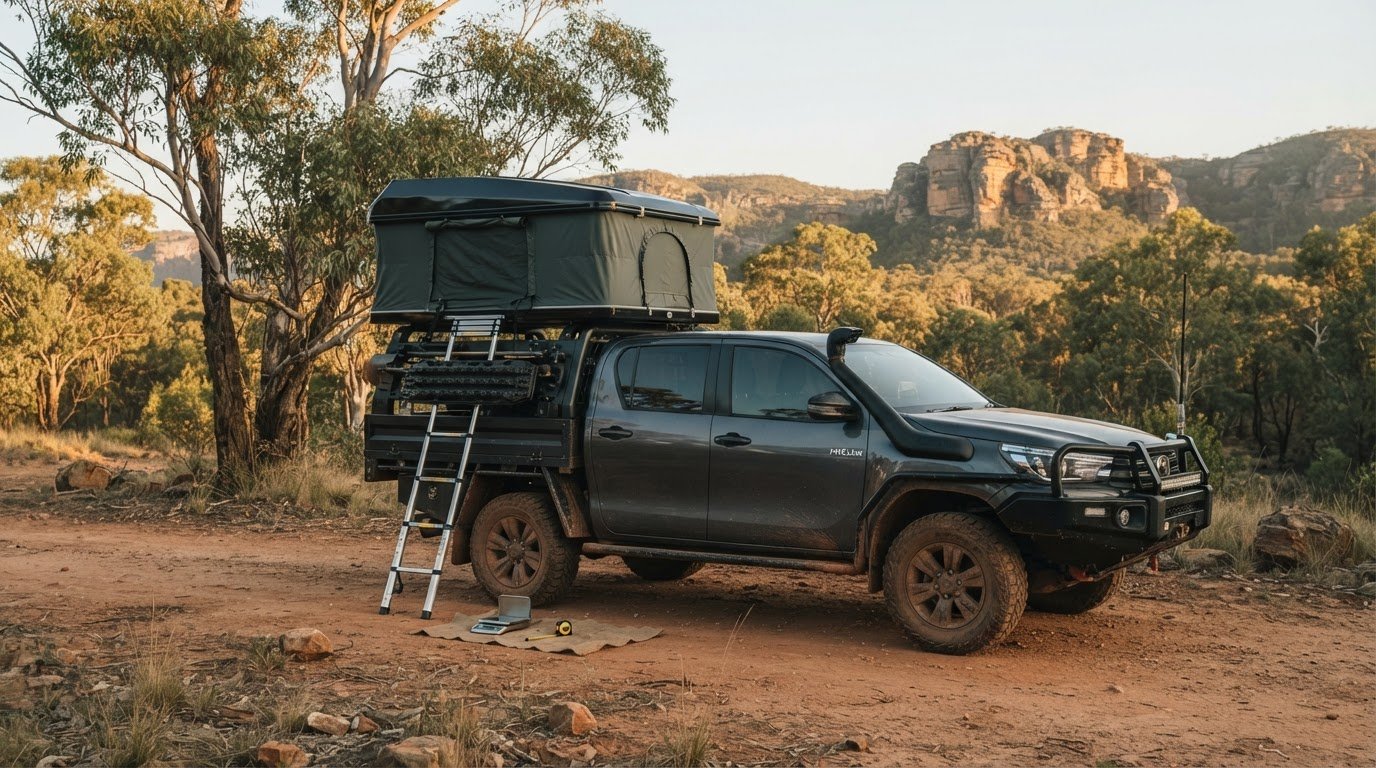
Vertical access is the biggest hurdle for rooftop tent owners. Hardshell tents are incredibly popular because they’re fast to deploy, but their steep ladders can be daunting for dogs. Softshell tents often provide a larger internal footprint, which is helpful if you’re sharing the mattress with a 30kg Golden Retriever. Check out our guide to roof top tents for models with pet-friendly ladder extensions that offer wider, flatter steps. For larger breeds, we recommend using a specialized lifting harness with a sturdy handle or a telescopic ramp to prevent joint strain. To manage the inevitable pet hair and condensation in such a confined space, use a breathable 3D mesh underlay beneath your mattress and keep a rechargeable vacuum handy for daily maintenance.
Awnings and Climate Control
The Australian sun is a serious risk factor for heatstroke, making high-quality shade a priority for every Adventurerz team. A 270-degree awning is the ultimate choice because it wraps around the side and rear of the vehicle, providing up to 12 square metres of coverage regardless of where the sun sits. Explore the best 4wd awnings for durable shade solutions that can withstand coastal gusts. Attaching a single awning wall to your setup creates a secure ‘playpen’ for your pet, allowing them to relax off-leash while staying within your sight. To keep temperatures down, we use the following gear:
- 12V Sirocco fans: These low-draw fans provide constant airflow in the sleeping area or under the awning.
- Reflective tarps: Draping these over your vehicle can drop internal temperatures by as much as 10 degrees Celsius.
- Cooling mats: Pressure-activated gel mats provide a cold surface for dogs to lie on after a long hike.
Managing nutrition on the road is simpler with a dedicated power setup. If your dog follows a raw diet, a reliable 12V portable fridge is essential to keep meat at a safe temperature below 4 degrees Celsius. We suggest a dual-zone fridge/freezer setup powered by a 100Ah lithium battery; this ensures your pet’s food stays frozen while your own supplies remain chilled. This level of preparation ensures that camping with pets remains a joy rather than a logistical headache, keeping the whole pack happy and healthy in the outback.
Health, Safety, and the Eco-Conscious Pet Owner
Exploring the rugged beauty of the Australian outback is a privilege we share with our four-legged mates. However, the bush doesn’t play by suburban rules. When camping with pets, your role shifts from owner to guardian. We need to be hyper-aware of the unique environmental factors that can turn a weekend getaway into a vet emergency. Preparation is the difference between a close call and a great story around the campfire.
Remote Health Hazards in the Australian Bush
The ‘Big Three’ threats are ticks, snakes, and 1080 baits. Paralysis ticks (Ixodes holocyclus) are a major concern along the East Coast, particularly from August to March. We recommend a full-body “finger search” every 24 hours. If you spot a change in your dog’s bark or a wobble in their back legs, it’s a red alert. 1080 baits are another silent killer. These baits are used in 100% of Australian states for predator control. Because there’s no antidote for sodium fluoroacetate, a basket muzzle or a short lead is mandatory in signposted areas. Don’t let your pet drink from stagnant puddles either. Blue-green algae outbreaks and Giardia are common in low-flow creek beds during the summer months. Always pack enough filtered water for the whole tribe.
Wildlife Interaction and Ethics
Our pets are guests in these ancient landscapes. Chasing behavior is more than just a nuisance; it’s a direct threat to ground-dwelling species like the Bush Stone-curlew or the Malleefowl. Adventurerz know that a secure pet is a respectful pet. At night, the bush comes alive with dingoes and feral pigs. Keep your pets off the ground and secure to avoid territorial conflicts. Sleeping in one of our roof top tents provides an elevated, safe sanctuary that keeps your dog away from midnight prowlers.
Waste management is non-negotiable. One gram of dog waste can contain 23 million coliform bacteria. In fragile ecosystems, this introduces pathogens that local fauna can’t handle. We follow the 60-metre rule: never dispose of waste within 60 metres of a water source. If you can’t bury it at least 20cm deep in a high-use area, you must bag it and carry it out.
- Tick removal tool and antiseptic wipes.
- Self-adhesive bandages (vet wrap) that won’t stick to fur.
- Saline solution for flushing dust or seeds from eyes.
- Digital thermometer: a dog’s normal temp is 38 to 39.2 degrees Celsius.
- A sturdy muzzle: even the gentlest dog may bite when injured or stressed.
By staying disciplined, we ensure that camping with pets remains a sustainable part of the Australian outdoor culture. Let’s lead by example and leave every campsite better than we found it.
Ready to upgrade your setup for the next trip? Check out our guide to the best 4WD awnings to keep your pet cool and shaded in the midday sun.
Joining the Adventurerz Community: Planning Your 2026 Escape
We’ve built this community for one reason: to make the Australian wilderness accessible to everyone, including our four-legged mates. When you’re camping with pets, you aren’t just looking for a patch of dirt; you’re looking for a safe haven. Our platform lets you filter through thousands of community-vetted routes. These aren’t just pins on a map. They’re real experiences from Adventurerz who’ve tested the tracks throughout 2025 and into 2026. Your contributions keep this ecosystem alive. By uploading your photos and site updates, you help the next traveler avoid a A$200 fine in a restricted zone or find a hidden creek perfect for a Kelpie’s afternoon dip.
Peer reviews are the backbone of our collective knowledge. A campsite that was pet-friendly last season might change its regulations due to local council shifts or baiting programs. Our 15,000 active members provide real-time data that static guidebooks simply can’t match. If you find a spot in the Red Centre where the shade is gone or the water source has dried up, your review ensures the tribe stays prepared. It’s about looking out for one another and the animals we bring along for the ride.
Tools for the Modern Remote Traveler
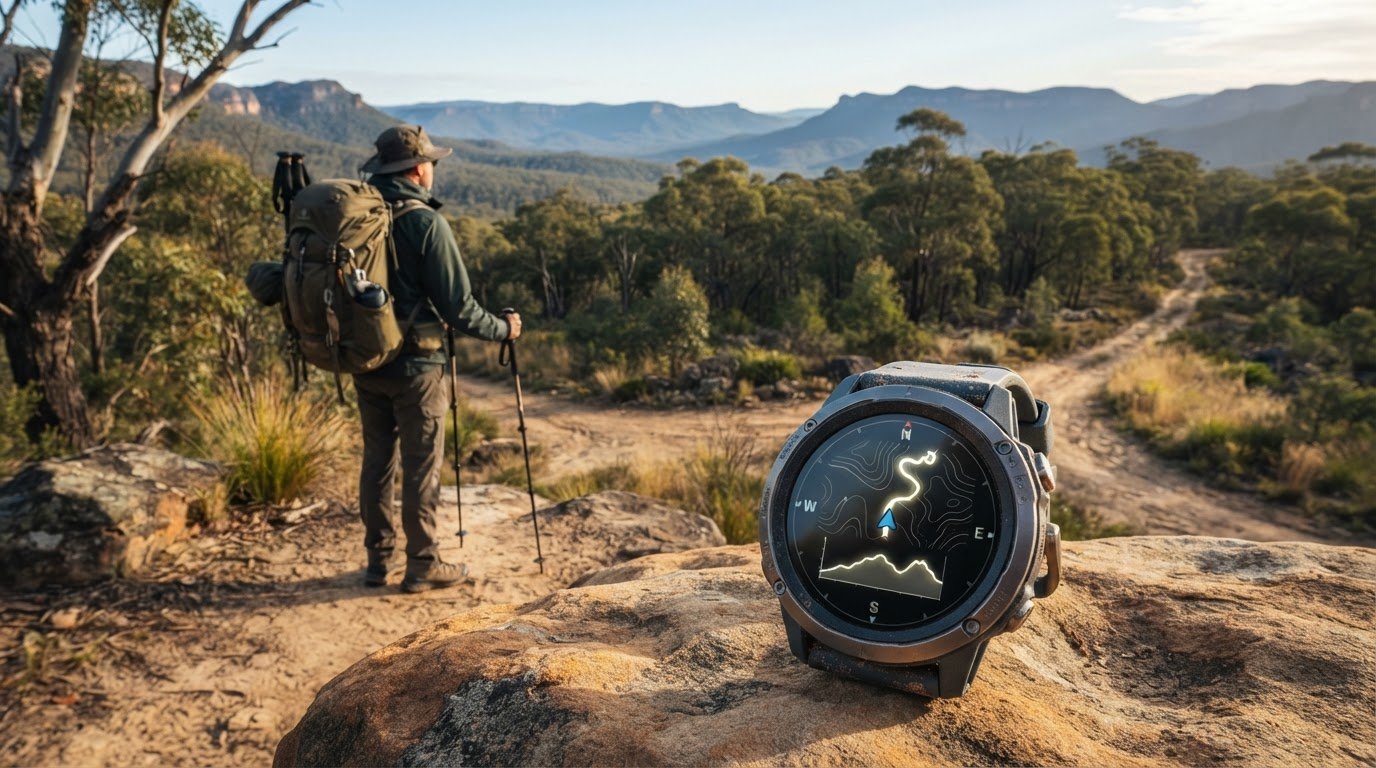
Planning is the difference between a crisis and a core memory. Use our travel planner to map out pet-safe fuel stops and camps across the Nullarbor or the Top End. For offline navigation, we recommend Gaia GPS or WikiCamps Australia. These tools work when the bars disappear. Always download the “First Aid for Pets” app by the Australian Veterinary Association. It provides location-based data for the 24-hour emergency clinics in regional hubs like Alice Springs or Broome. Document your journey sustainably by using digital logs instead of physical markers. We encourage Adventurerz to stick to established tracks to protect the fragile ecosystems we all love to explore.
The Future of Pet-Friendly Adventure
The horizon looks bright for our furry explorers. By 2027, expect to see GPS-integrated harnesses as standard gear, allowing for real-time tracking via satellite links in areas without mobile coverage. We’re also seeing a rise in lightweight, solar-powered cooling mats designed specifically for the 40-degree heat of the Pilbara. This gear makes camping with pets safer and more comfortable than ever before. Join the tribe today and start your sustainable journey. There’s a unique bond that forms when you’re sitting by a campfire under a Milky Way sky with your dog at your feet. It’s a connection to the Australian landscape that stays with you long after the dust has been washed off the 4WD. Let’s get out there.
Gear Up for Your Next Great Australian Trek
The landscape of 2026 offers more freedom than ever for those who refuse to leave their four-legged companions behind. We’ve explored the essential shifts in regional park regulations and the critical health protocols needed for remote survival. Mastering camping with pets in the Australian outback requires more than just a leash; it demands a 4WD setup capable of handling 50-degree track temperatures and off-the-grid reliability. Our expert gear reviews focus specifically on these harsh Australian conditions, ensuring your equipment won’t fail when you’re 500 kilometres from the nearest town.
By choosing sustainable gear and following eco-conscious trail ethics, you protect the very wilderness we love to explore. We are a growing tribe of Adventurerz who value resilience, preparation, and the shared joy of a campfire under the Southern Cross. Don’t let another season pass while your gear gathers dust in the garage. The tracks are calling, and your pack is ready to lead the way into the red dust of the interior.
Join the Adventurerz community and plan your pet-friendly escape today!
Frequently Asked Questions
Is it legal to take dogs into Australian National Parks?
Generally, domestic dogs are prohibited in 95% of Australian National Parks to protect native fauna and preserve delicate ecosystems. While some specific parks like NSW’s Ku-ring-gai Chase offer limited access, we usually recommend heading to State Forests or private campgrounds where pets are welcome. Always check the official National Parks and Wildlife Service website for the specific state you’re visiting to avoid fines reaching A$300 or more.
What are 1080 baits and why are they dangerous for my dog?
1080 baits contain sodium fluoroacetate, a highly lethal poison used to control invasive species like foxes and wild dogs. These baits are odorless to humans but highly attractive to pets; even a small amount is 100% fatal to domestic dogs with no known antidote. Since these baits are present in over 80% of regional conservation areas, we must keep our Adventurerz on lead at all times.
How do I keep my dog cool while camping in the Australian heat?
You can keep your dog cool by utilizing 12V fans, reflective aluminized shade cloths, and constant access to fresh water. When camping with pets in temperatures exceeding 30 degrees Celsius, we use cooling vests that utilize evaporation to lower body heat. Never leave your mate in a parked 4WD, as internal temperatures can spike to 50 degrees within 10 minutes without proper ventilation.
Can dogs sleep in rooftop tents?
Dogs can definitely sleep in rooftop tents, provided you have a safe way to get them up there. Many Adventurerz use telescopic ramps or heavy-duty harnesses to lift dogs into the tent safely. Just ensure your tent floor is protected with a thick blanket to prevent claws from puncturing the mattress or base material during those chilly nights in the bush. It’s a great way to keep them off the cold ground.
What should I include in a dog-specific camping first aid kit?
Your kit needs 500ml of saline solution, cohesive bandages that don’t stick to fur, tick removers, and antihistamines for stings. We also pack a digital thermometer and a sturdy muzzle, as even the gentlest dog might snap when injured. This preparation ensures you’re ready for the 15% of camping injuries that involve paw pads or minor scrapes from sharp spinifex or rocks.
How do I manage dog waste in remote camping areas?
You must pack out all dog waste using compostable bags and dispose of them in designated bins. Burying waste is discouraged because it introduces pathogens into the local ecosystem and can attract predators to your site. As responsible Adventurerz, we follow “Leave No Trace” principles to keep our remote tracks pristine for the next crew and protect the unique local wildlife we love.
Are there specific breeds better suited for 4WD adventure travel?
Hardy breeds like Australian Kelpies, Cattle Dogs, and Border Collies often handle the rigors of 4WD travel best due to their high endurance. These breeds possess the “wash and wear” coats that dry quickly after a river crossing and handle the dust of the Outback well. Smaller, robust breeds like Jack Russells also make great cabin companions for long stretches on those bumpy, corrugated roads.
What happens if my dog encounters a snake while camping?
If a snake strikes, keep your dog as still as possible and apply a pressure immobilisation bandage immediately. Do not wash the wound, as the vet needs the venom residue for an identification kit. With approximately 3,000 snake bites reported in Australia annually, reaching a vet within 60 minutes significantly increases the chances of survival. Stay calm and move quickly to the nearest emergency clinic.