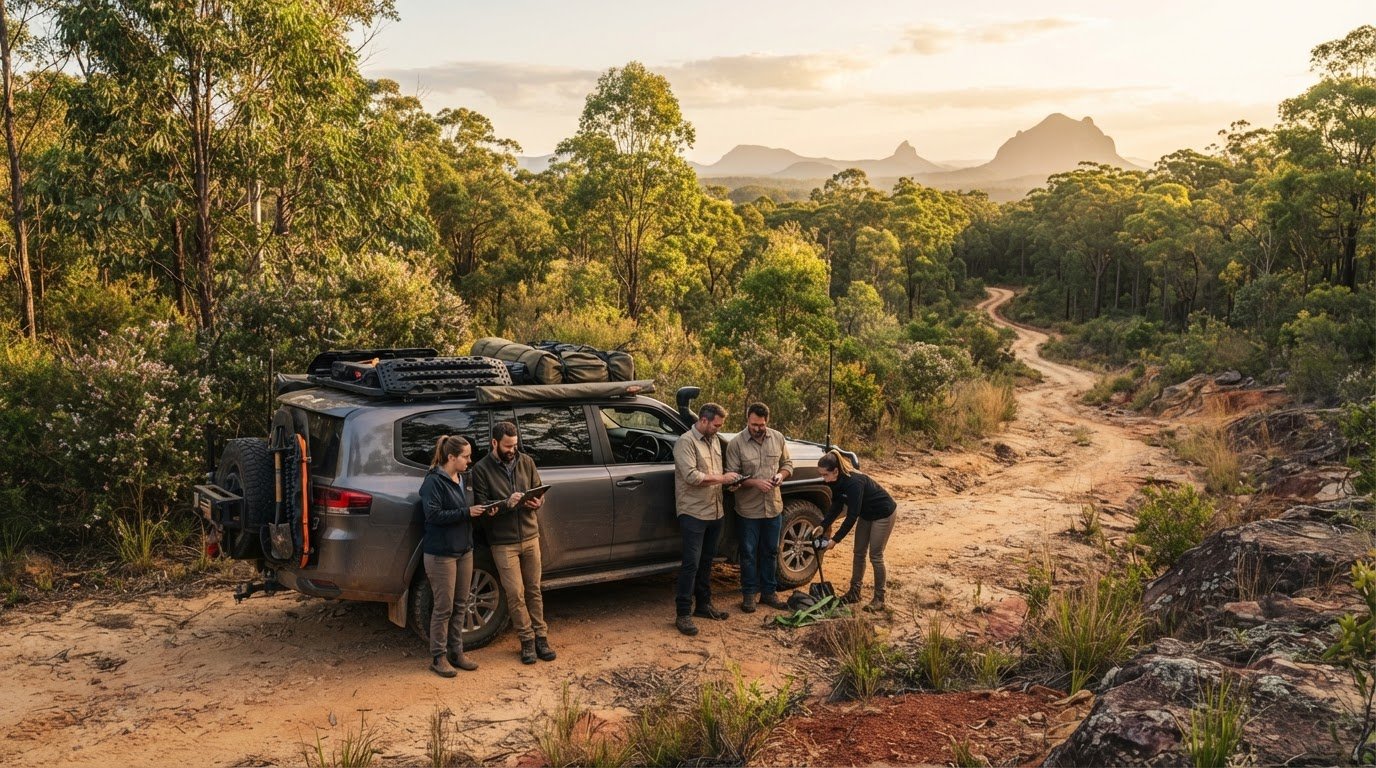
Imagine you are deep in the Red Centre, miles from the nearest shade, and you reach for a refreshing sip only to find your water is lukewarm and your backpack is soaked from a failed seal. We have all faced that sinking feeling when a piece of gear lets us down in the middle of a remote adventure. It is frustrating to deal with shattered lids or mouthpieces that are impossible to scrub clean after a dusty day on the trail. Finding the best insulated water bottle is about more than just staying hydrated; it is about trusting your equipment when the conditions get tough and the environment demands your respect.
We believe that responsible exploration starts with gear that lasts a lifetime rather than ending up in a landfill. That is why we have put the latest 2026 models through their paces, testing everything from Hikesity’s medical-grade 316L stainless steel to the classic ruggedness of Yeti and Hydro Flask. In this guide, we reveal the top performers that keep ice frozen for over 24 hours and survive the inevitable drops on rocky terrain. We will break down the technical specs of vacuum insulation and material purity so you can head out on your next trek with absolute peace of mind.
Key Takeaways
- Learn how to evaluate the three pillars of ruggedness so you can select a vessel that survives the most demanding terrain and extreme temperatures.
- Discover which models triumphed in our brutal “Outback Heat Test” to secure their place as the best insulated water bottle for your 2026 adventures.
- Understand why medical-grade 316L stainless steel is the new gold standard for maintaining water purity and preventing metallic tastes on long treks.
- Master our “Buy It Once” philosophy for deep cleaning and gear maintenance to reduce your environmental footprint while ensuring your equipment lasts a lifetime.
- Find the perfect balance between fluid capacity and pack weight to stay hydrated without compromising your agility on the trail.
Table of Contents
Why Every Explorer Needs a High-Performance Insulated Water Bottle
When we venture into the heart of the outback, the sun is more than just a companion; it is a relentless force. Standard plastic bottles often turn into lukewarm reservoirs within minutes of leaving the shade. In extreme Australian conditions, these flimsy containers can even leach chemicals into your drinking supply or warp under the intense heat. Choosing the best insulated water bottle is not just about a lifestyle choice. It is about outfitting yourself with a tool that withstands 40°C+ heat while protecting the pristine environments we love to explore. By ditching single-use plastics, we ensure that our remote trails remain free of waste, upholding our collective commitment to environmental ethics. We are protectors of the wild, and our gear should reflect that responsibility.
The Science of Vacuum Insulation
To understand why these vessels are so effective, we need to look at how vacuum insulation works. Most high-performance bottles utilize a double-wall construction where the air between the two layers of stainless steel is removed to create a vacuum. This void is the secret weapon because it prevents heat transfer from the outside air via conduction and convection. We prioritize 18/8 food-grade stainless steel because it is incredibly durable and ensures your water tastes like water, not metal. This material integrity is vital when we are miles from the nearest refill point. Additionally, the condensation-free exterior means your expensive electronics and dry clothes stay safe from bottle sweat inside your pack. It is a simple engineering solution that delivers massive results on the trail.
Safety and Survival in Remote Landscapes
Thermal protection is a safety necessity in the outback. When we are navigating isolated tracks or climbing rugged ridges, dehydration is the fastest way to lose focus and make a critical error. Having access to ice-cold water provides a massive psychological boost that keeps morale high during a grueling 20-kilometre trek. For our community, gear reliability is a core tenet. We don’t just want a bottle that looks good; we need a piece of survival equipment that performs every single time we twist the cap. Investing in the best insulated water bottle ensures that your hydration remains at a stable, refreshing temperature. This allows you to stay sharp and methodical in your decision-making. Self-reliance begins with the quality of the gear you carry on your back. It is about being prepared for the unexpected while respecting the harsh beauty of our natural world.
Choosing Your Vessel: The Ruggedness Framework for 2026
Selecting the best insulated water bottle for remote travel requires a shift in perspective. We don’t just look for a container; we look for a piece of hardware that survives the vibration of a corrugated track and the heat of a closed 4WD. Our ruggedness framework for 2026 rests on three essential pillars: thermal retention, lid integrity, and finish durability. A bottle might keep ice for days, but if the lid shatters after a tumble onto granite, it’s useless. We also prioritise powder-coated finishes. These textured coatings provide a superior grip when your hands are sweaty or dusty, and they offer far better scratch resistance than standard paint when sliding in and out of side pockets.
Weight versus capacity is the ultimate explorer’s trade-off. While a massive 1.5-litre vessel sounds ideal for long stretches, the physical weight can become a literal drag on steep alpine ascents. We recommend balancing your needs based on the availability of water at your destination. For most treks, a 750ml to 1-litre bottle hits the sweet spot. You must also consider the mouth width. Wide-mouth bottles are a dream for adding ice and make it easier to properly clean and care for your reusable bottle. However, narrow-mouth designs are often easier to drink from while you’re actually moving without splashing yourself.
Lid Mechanics and Leak-Proofing
In the bush, moving parts are potential failure points. Simple screw-caps are the gold standard for durability because they have fewer gaskets to perish or hinges to snap. Chug caps offer a great middle ground for quick hydration, while straw lids are convenient but often more prone to leaking if they aren’t kept perfectly upright. Before you head out, we suggest this quick leak-proof checklist: fill your bottle, shake it vigorously for 30 seconds, and then leave it upside down on a dry surface for ten minutes. If a single drop appears, it’s time to replace the seal.
Material Strength and Impact Resistance
Not all steel is created equal. While many brands chase “ultralight” status by thinning the bottle walls, we find that slightly heavier, thicker steel is better for remote survival. Thicker walls resist the deep dents that can bridge the vacuum gap and ruin your bottle’s thermal properties. We also love using silicone bottom boots. These simple sleeves act as shock absorbers, protecting the base from deformities when you set it down on rocky terrain. Always ensure your components are BPA-free and toxin-free to maintain your health during long-term exposure to the sun. It’s about building a kit you can trust for years of adventure.
The Best Insulated Water Bottles of 2026: Tested for the Wild
We’ve spent months in the dust and heat to find the best insulated water bottle for your 2026 expeditions. Our team pushed these vessels to their limits across the Simpson Desert and the Victorian High Country. We didn’t just look for cold water; we looked for gear that survives a drop from a moving vehicle or a tumble down a rocky gully. After testing dozens of models, we’ve identified the champions that balance thermal power with the grit required for remote travel. These aren’t just lifestyle accessories. They are essential components of your survival kit.
Our “Best Overall” recommendation for 2026 is the Hikesity 32oz 316L Medical-Grade Water Bottle ($75). It stands out because it utilizes 316L stainless steel, which offers superior corrosion resistance compared to the industry-standard 304 steel. This means your water stays crisp and free of any metallic aftertaste even after days on the trail. For those who prioritize absolute weight savings, the Hikesity Pure Titanium 20oz Bottle ($120) is a revelation. It is completely inert and incredibly light, making it the ultimate choice for the minimalist explorer who refuses to compromise on material quality.
Top Picks for Vehicle-Based Adventure
When we’re touring, we need bottles that can handle the vibrations of corrugated roads without rattling out of place. The Yeti Rambler 26oz ($40) and the Stanley IceFlow Flip Straw ($35) are our go-to picks because they fit securely in standard 4WD cup holders. These models are built with thick-walled steel that resists the deep dents common in vehicle-based travel. They are also incredibly easy to grab when you’re climbing down from your roof top tents first thing in the morning. For long stretches between water points, we suggest high-volume models like the RTIC 32oz ($31), which provide the capacity needed for full-day drives through the interior.
Lightweight Champions for the Trail
For the hikers in our community, every gram counts. The Hydro Flask Lightweight Wide Mouth ($50) is a standout, weighing 25% less than their standard bottles while still keeping water ice-cold for 24 hours. These bottles often feature ergonomic handles or integrated clip points for carabiners, allowing you to secure them to the outside of your pack. There’s nothing better than reaching the summit and having a freezing sip of water before heading back to camp to relax under your 4WD awnings. While these lighter models have slightly thinner walls, they still provide the best insulated water bottle experience for those moving fast and light through rugged terrain. We’ve found that even the “ultralight” versions in 2026 maintain impressive thermal integrity in 40°C conditions.
Thermal Performance in Extreme Environments: Real-World Testing
Most reviews you read online are conducted in climate-controlled offices or mild overseas environments. That doesn’t help us when we’re staring down a week of 40°C+ heat in the Simpson Desert. We believe the best insulated water bottle must prove its worth in the real world, not just a lab. Our “Outback Heat Test” involves placing bottles in direct sun and inside locked vehicles where internal temperatures often soar past 60°C. This is where the gap between premium gear and budget department store versions becomes a chasm. While a cheap bottle might keep your water cool during a gym session, it will fail you when the ambient temperature matches your body heat.
To get the most out of your gear, we always recommend “pre-chilling” your vessel. Before you head out, fill your bottle with ice-cold water and let it sit for ten minutes. This cools down the internal steel layer so it doesn’t immediately transfer its own heat to your fresh supply. It’s a small step that can add hours of ice-cold refreshment to your trek. We’ve found that this preparation is the difference between a refreshing sip and a disappointing gulp of tepid water mid-afternoon.
Heat Retention vs. Cold Retention
Keeping water cold is actually a greater engineering challenge than keeping it hot. The temperature difference between 4°C water and a 45°C outback afternoon is massive. Most heat gain happens through the lid rather than the walls. If your lid isn’t insulated, it acts like a thermal bridge, slowly warming your supply. Our top pick, the Hikesity 32oz, maintained a temperature of 5°C for the first six hours and stayed below 12°C for a full 24 hours in our extreme heat trials. This level of performance is what separates true survival gear from simple lifestyle products.
Durability Under Pressure
We also have to consider the mechanical stress of remote travel. Thousands of kilometres on corrugated roads create “vibration fatigue” that can actually crack the solder points of a vacuum seal. If that seal is compromised, the vacuum disappears, and your premium bottle becomes nothing more than a heavy, uninsulated cup. You can tell if your seal has failed if the exterior of the bottle feels cold to the touch or if “sweat” starts forming on the outside. We always check our gear before leaving camp to ensure our hydration strategy is sound. If you’re looking for more ways to stay cool at your base camp, check out our guide to the best 4wd awnings for your next trip.
Caring for Your Gear: Sustainability and Longevity
We believe that every piece of gear we carry should tell a story. Choosing the best insulated water bottle is a commitment to a “Buy It Once” philosophy that respects both your wallet and the wild places we frequent. When we invest in high-quality 316L stainless steel or titanium, we are actively reducing the demand for single-use plastics that often end up in our pristine river systems. A reliable bottle is a core component of the “Leave No Trace” ethics we uphold. We don’t just want a product that lasts a season; we want a companion that survives a decade of dust, drops, and river crossings. Those scratches and dings on your bottle aren’t defects. They are badges of honour that prove you’ve pushed your limits in the great outdoors.
Deep cleaning is essential after any remote escape. If you’ve been filling up from mountain streams or dusty bores, fine sediment can build up in the threads of your lid. We recommend a thorough scrub after every trip to prevent biofilm growth and maintain that crisp water taste. Use a soft bottle brush to reach the base and pay close attention to the gaskets. This simple routine ensures your gear remains hygienic and ready for the next spontaneous Friday afternoon departure. Taking care of your equipment is a sign of a methodical and experienced explorer.
Maintenance and Field Repairs
Don’t toss your bottle just because a seal perishes or a lid takes a hard hit. Most of the top-tier brands we’ve tested offer replacement gaskets and caps. This modular approach is much better for the environment than replacing the entire vacuum-sealed vessel. For stubborn odours from coffee or electrolyte mixes, we use a simple DIY solution. Mix two tablespoons of bicarb soda with half a cup of white vinegar and warm water. Let it fizz and sit for an hour before rinsing. If you pick up a minor dent on a rocky trail, don’t panic. As long as the exterior wall hasn’t touched the interior wall, your vacuum seal remains intact and your thermal performance will stay strong.
Joining the Adventurerz Community
We want to see your gear in the wild! Our community thrives when we share our experiences and hard-won knowledge. Whether you are mapping out a trek through the Larapinta or a weekend in the High Country, use our travel planner to ensure your hydration strategy is locked in. Share photos of your battle-scarred bottles on our platform and let us know which models have survived your toughest journeys. Choose gear that matches your spirit of exploration and join us on the path toward responsible, self-reliant travel. We’ll see you out there on the trail!
Gear Up for the Journey Ahead
We’ve trekked through the heat and dust to bring you these community-driven recommendations. Our expert field testing in remote conditions ensures that every piece of gear we suggest is ready for the rigours of the outback. From the structural integrity of 18/8 food-grade stainless steel to the advanced performance of medical-grade alloys, we prioritize quality that lasts a lifetime. You now have the framework to choose the best insulated water bottle for your specific travel style; whether you are navigating corrugated tracks or scaling rugged peaks. We believe that the right equipment is an investment in your safety and the longevity of our wild spaces.
Responsible exploration is a shared path. By choosing durable, high-performance equipment, we protect the environments we love while building our own self-reliance. We invite you to Join the Adventurerz community and find more gear reviews here! Our mission is to support your journey with reliable guidance and a sense of fellowship as we explore this vast continent together. Pack your bags, prep your kit, and head out with absolute confidence. The trail is calling, and we can’t wait to hear about the incredible places your next adventure takes you!
Frequently Asked Questions
How long do insulated water bottles actually keep water cold?
Most standard insulated bottles keep drinks cold for up to 24 hours. However, premium models in 2026 with advanced vacuum technology can extend this cold retention to 36 hours. Performance depends heavily on external conditions and whether you have pre-chilled the vessel. In our outback testing, we found that high-quality bottles consistently keep water refreshing even after a full day in 40°C heat.
Can I put boiling water in my insulated water bottle?
Yes, you can safely put boiling water in most stainless steel bottles to keep beverages hot for 12 to 18 hours. We recommend using a simple screw-cap lid for hot liquids rather than straw or flip lids, as steam can sometimes build pressure or damage plastic components. It is a fantastic way to ensure you have a hot coffee waiting after a cold night in your roof top tent.
What is the best way to clean a stainless steel water bottle after a camping trip?
The most effective method is using warm, soapy water and a dedicated bottle brush to scrub away any dust or river sediment. For stubborn odours or deep cleaning, we suggest the bicarb soda and vinegar soak we discussed in the maintenance section. This approach is environmentally friendly and ensures your bottle remains hygienic for your next remote escape without using harsh chemicals that could damage the steel.
Are insulated water bottles dishwasher safe?
While many modern brands claim their products are dishwasher safe, we always recommend hand-washing to maximize the lifespan of your gear. The intense heat and abrasive detergents in a dishwasher can eventually degrade the powder coating and potentially weaken the vacuum seal solder points. Hand-washing is a simple habit that supports our “Buy It Once” philosophy and keeps your bottle looking and performing like new.
Why does my insulated water bottle have condensation on the outside?
If you see “sweat” on the exterior, it is a clear sign that the vacuum seal has been compromised. A functional double-wall vacuum bottle should be completely condensation-free because the vacuum layer prevents heat from reaching the outer shell. When the seal fails, the bottle loses its thermal efficiency and becomes little more than a heavy, single-wall container that won’t keep your water cold for long.
How can I tell if my vacuum seal is broken?
You can test your seal by filling the bottle with boiling water and waiting a few minutes. If the exterior of the bottle feels hot to the touch, the vacuum has failed and heat is escaping through the walls. A healthy best insulated water bottle should always feel neutral on the outside regardless of the internal temperature. Dents from drops on rocky trails are the most common cause of this type of failure.
Is it worth buying a more expensive brand like Yeti or Hydro Flask?
Investing in a premium brand is often worth it because they use thicker, higher-grade steel that resists the dents that ruin vacuum seals. Brands like Hikesity even offer 316L medical-grade stainless steel for $75, providing superior corrosion resistance and taste purity. These companies also sell replacement lids and gaskets, which means you don’t have to replace the entire bottle if one small part breaks during an adventure.
What is the most durable lid type for hiking?
A heavy-duty screw-cap is the most durable choice for the trail because it has no moving parts or hinges that can snap during a fall. While straw lids are convenient, they are harder to clean and more prone to leaking if they get knocked around in your pack. For the best insulated water bottle experience on a rugged trek, we prefer a simple lid with a solid integrated handle that can be clipped to a carabiner.