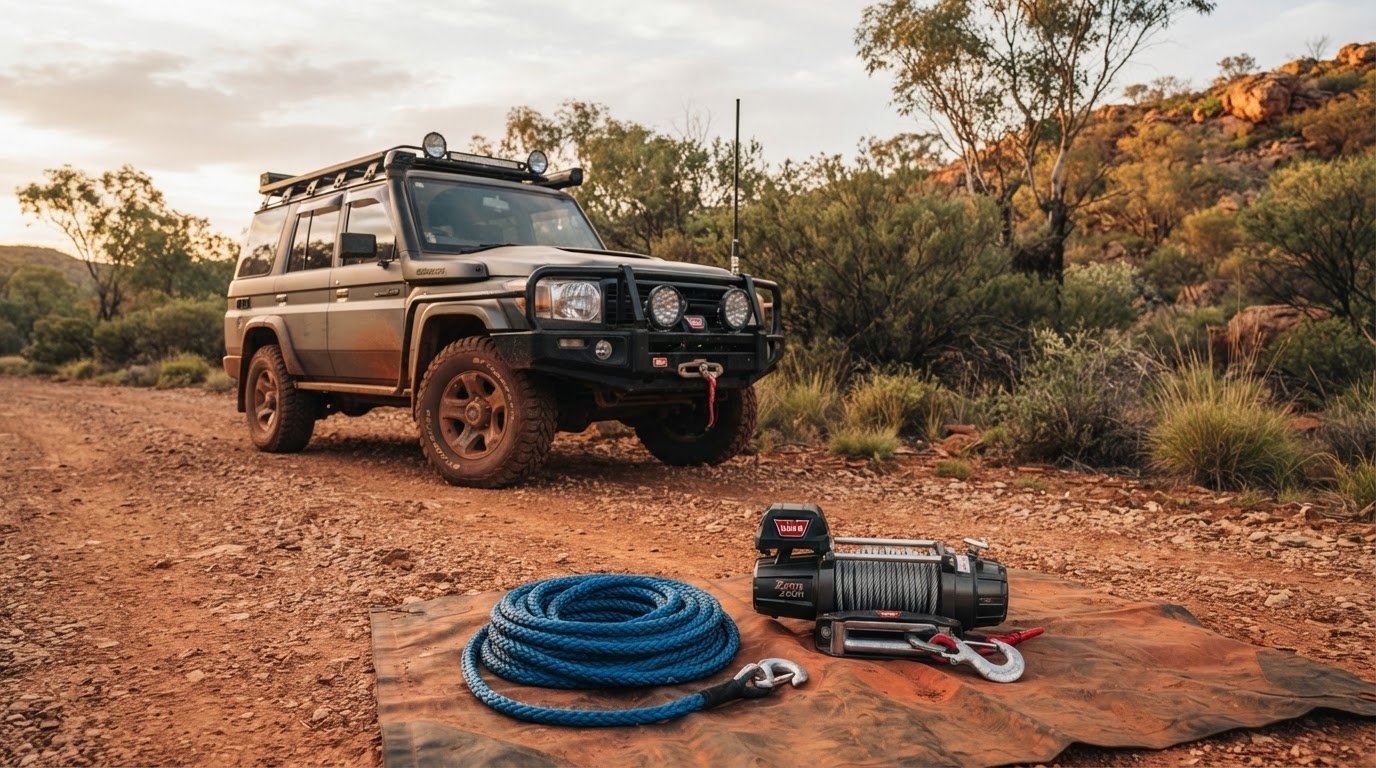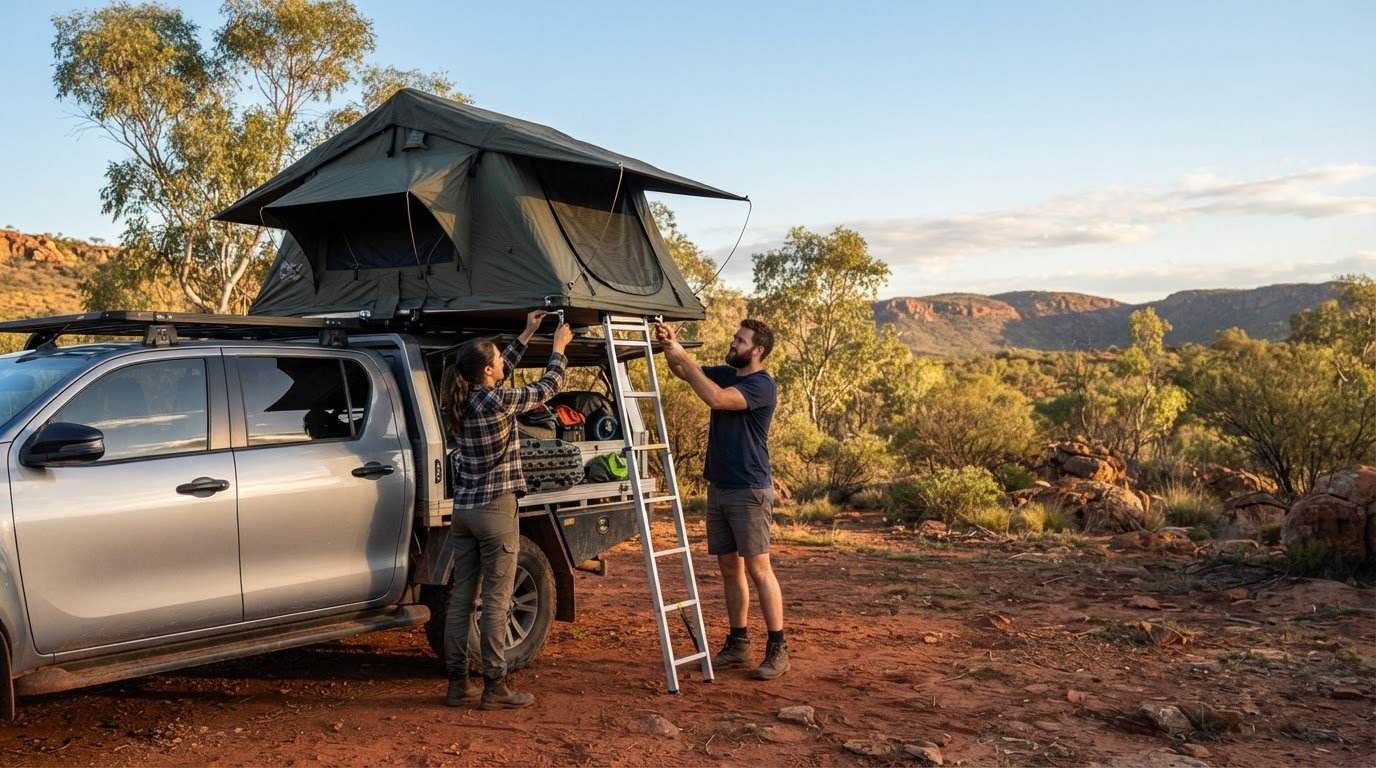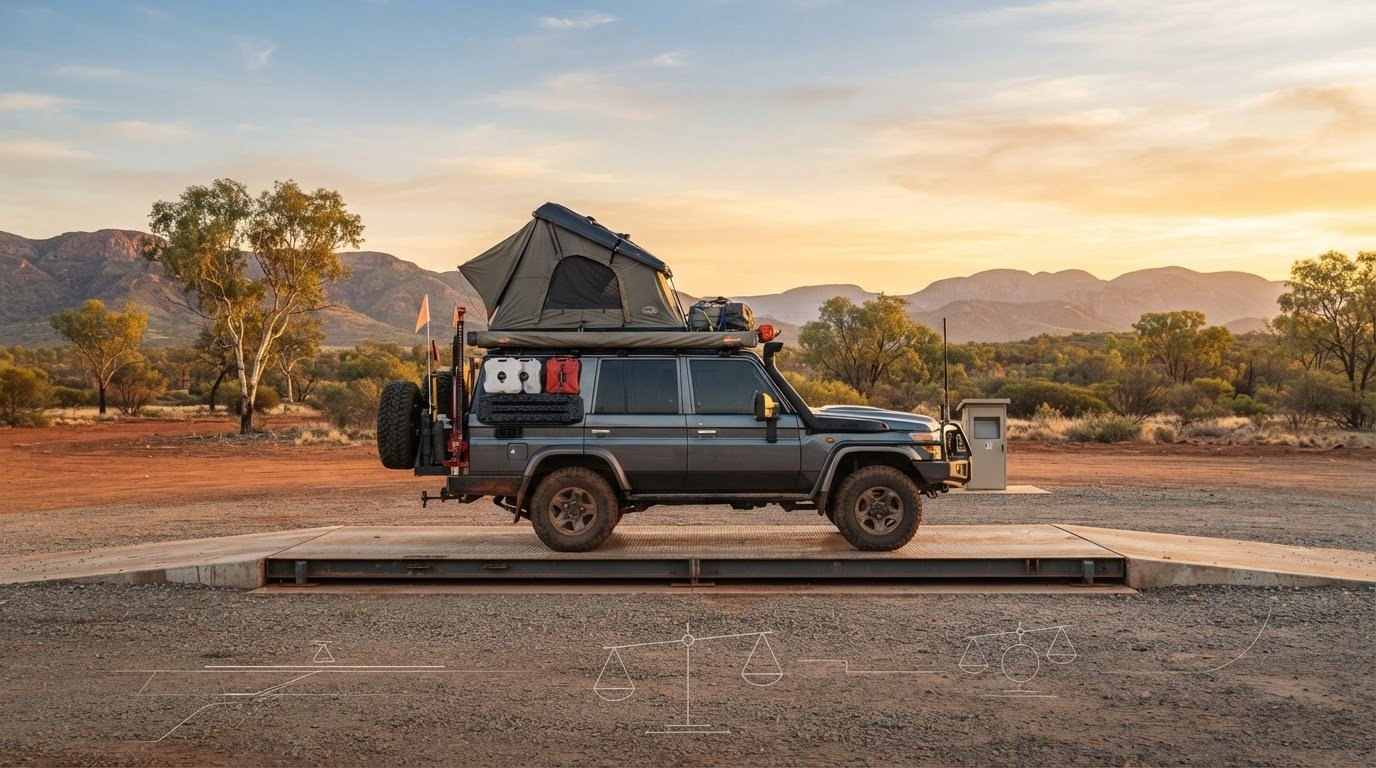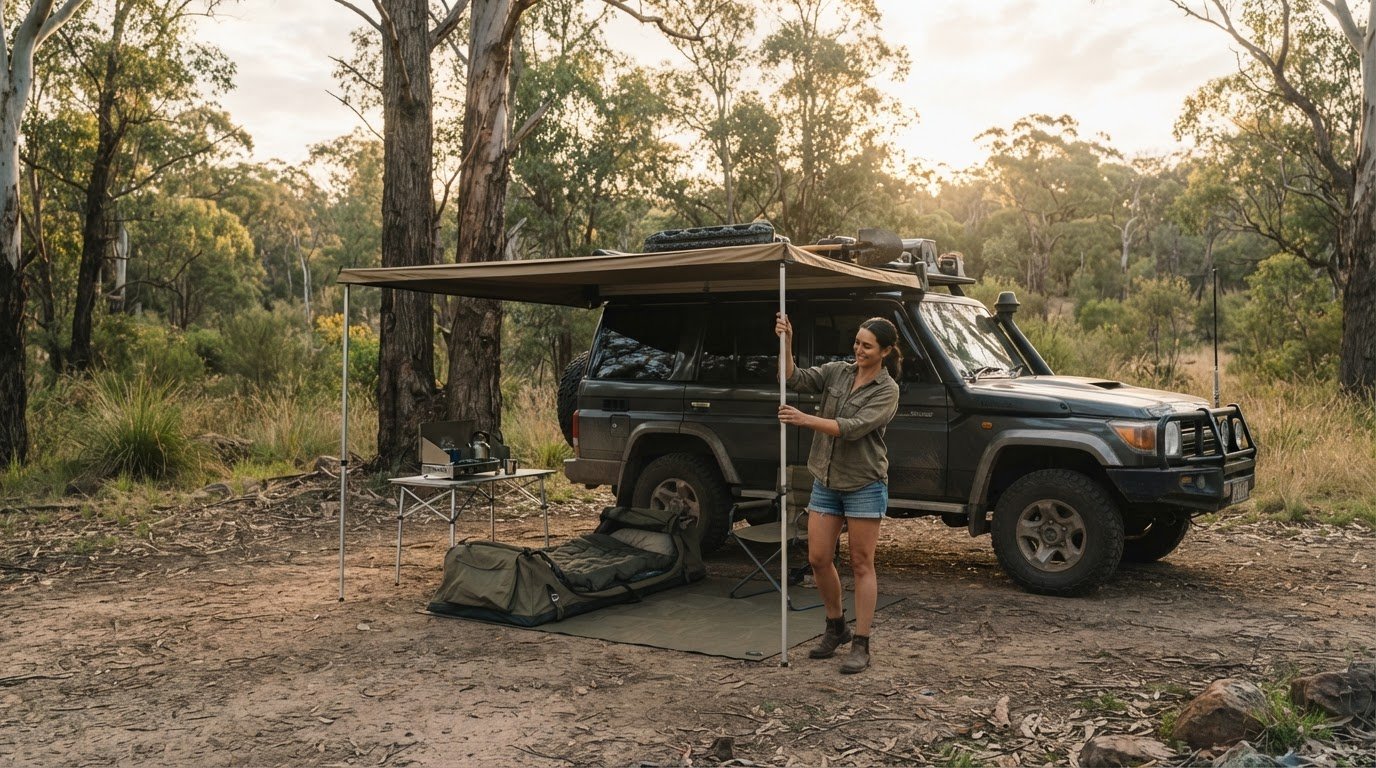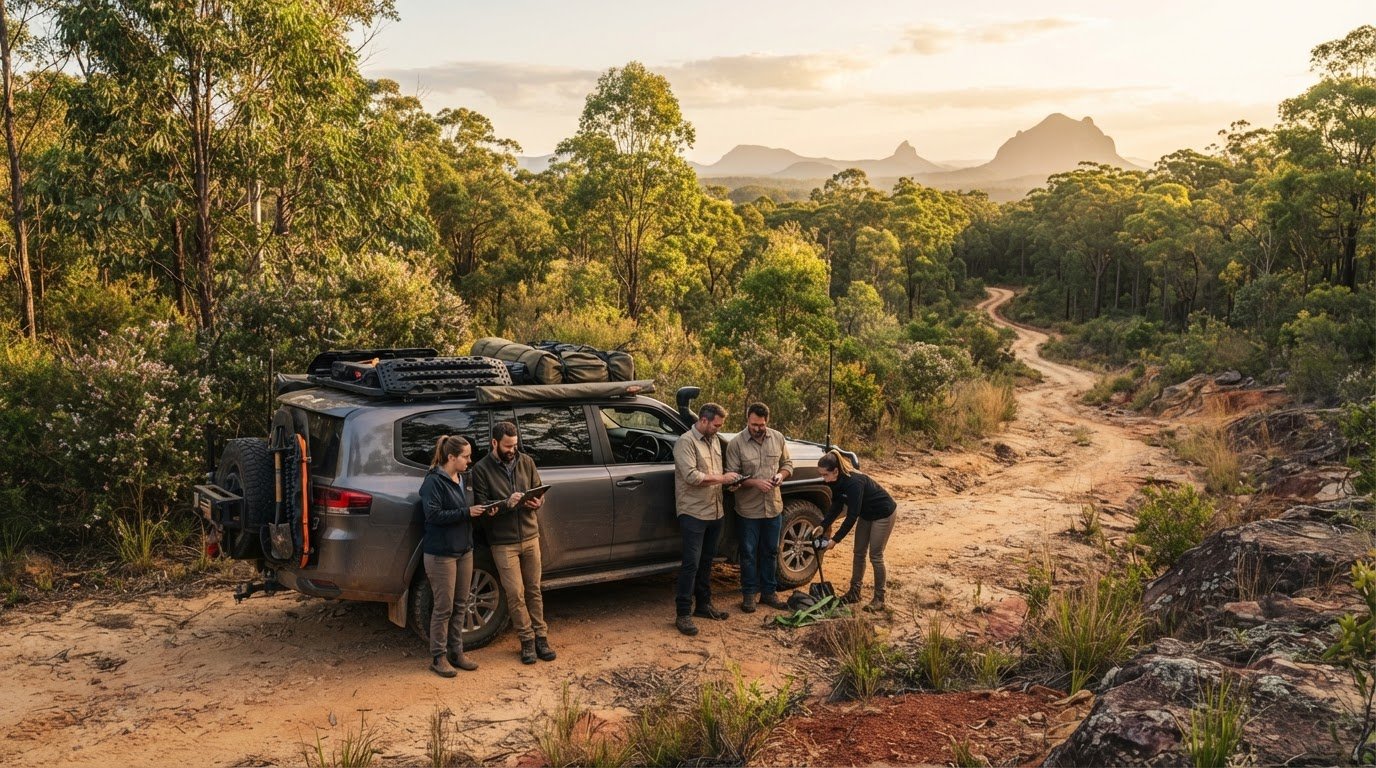
Imagine waking up deep in the Australian outback, reaching for a cold drink, and realizing your fridge cut out hours ago because your battery hit its limit. It’s a frustrating moment that turns a dream trip into a logistical headache. We’ve all felt that pressure when trying to design the best dual battery system for 4wd Australia while staring at a confusing web of wiring and conflicting advice. Whether you’re worried about the A$400 price gap between Lithium and AGM or the safety of your DIY connections, those concerns are valid when you’re hundreds of kilometres from the nearest town.
We’re here to help you move past the uncertainty and build a setup that’s both rugged and responsible. This guide simplifies the technical jargon and provides a clear path to a reliable, off-grid power solution that respects our wild places. We’ll show you how to master your energy needs so you can focus on the horizon, not your voltmeter. Our goal is to give you the confidence to explore further while minimizing your environmental footprint.
You’ll get a full breakdown of essential components, from DC-DC chargers for smart alternators to solar arrays, along with a step-by-step method to calculate your daily power draw. We also cover the latest AS/NZS 3001.2:2022 safety standards to ensure your 2026 adventures stay powered and secure.
Key Takeaways
- Learn how to keep your fridge running and your devices charged without ever worrying about a dead engine in the middle of the bush.
- Discover why LiFePO4 batteries are the 2026 standard for the best dual battery system for 4wd Australia, offering double the usable power of traditional AGM units.
- Master the synergy between DC-DC chargers and solar panels to maintain a sustainable, reliable energy flow for your off-grid camp.
- Follow our step-by-step guide to calculating your specific power needs so you can size your system perfectly for remote explorations.
- Understand the latest Australian safety standards and wiring essentials to protect your vehicle from electrical risks while you explore.
Table of Contents
What is a 12V Camping Setup and Why Do You Need One?
We’ve all been there. You’ve found the perfect campsite overlooking the Ningaloo Reef, but you’re constantly checking your watch. Why? Because you’re worried about that 12V fridge draining your crank battery. A dedicated 12V camping setup is essentially a secondary power station for your vehicle. It operates independently from your primary starting battery, ensuring you can run your gear all night and still turn the key in the morning. Finding the best dual battery system for 4wd Australia is about more than just extra juice; it’s about the peace of mind to stay out there longer.
In 2026, we’ve moved past simple boxes with tangled wires. Modern setups are now smart systems. Most high-end chargers and batteries now feature seamless Bluetooth app integration, allowing us to monitor every watt on our phones. This shift reflects a change in how we travel. We aren’t just weekend warriors anymore. Many in our community are now digital nomads, requiring reliable power to run laptops and Starlink terminals while parked under one of the 4WD awnings we often recommend for shade and shelter.
To better understand how these systems come together, watch this helpful video:
The Difference Between Starting and Deep Cycle Batteries
You might be tempted to just buy a cheap lead-acid battery from the local shop, but that’s a recipe for disaster. Starting batteries are designed for a massive, short burst of energy to turn over your engine. If you drain them low, they’ll die permanently very quickly. A Deep-cycle battery is built differently. It’s designed to provide a steady flow of power over a long period. A battery’s C-rating is a specific measurement that defines the rate at which energy is discharged relative to its total capacity. For most of us, a battery with a stable discharge rate is what keeps the lights on without damaging the internal plates.
Key Benefits of an Independent Power System
Building the best dual battery system for 4wd Australia means you’re investing in total self-reliance. Reliability is everything when you’re exploring the remote corners of the Red Centre. An independent system ensures you aren’t tethered to noisy, fossil-fuel generators that ruin the serenity of the bush for everyone else. Instead, you’re using sustainable energy harvested from the sun. This setup also protects your vehicle. By isolating your house loads, you preserve the longevity of your alternator and starting battery. It makes long-term travel possible and comfortable, allowing us to explore our beautiful backyard without leaving a trace of noise or exhaust behind.
Core Components: Building Your Off-Grid Power Hub
Think of your off-grid power hub as a living ecosystem where every component has a specific job to do. The battery is your storage tank, holding the energy you’ll need for that morning espresso or to keep the fridge humming through a 40-degree Queensland afternoon. To keep that tank full, we rely on three primary inputs: the vehicle’s alternator while we’re driving, solar panels when we’ve found that perfect beach camp, and 240V mains chargers for when we’re prepping at home. Distribution is where many DIY builds fail. We need robust busbars and high-quality wiring to act as the veins of the system, safely delivering current to our accessories. When you’re piecing together the best dual battery system for 4wd Australia, remember that fuses are your best friends. They are the only thing standing between a minor short and a catastrophic vehicle fire.
We also can’t stress the importance of a battery shunt enough. While simple voltmeters give you a rough idea of your levels, a shunt measures every single amp going in and out. It provides a precise State of Charge (SoC) percentage, much like the fuel gauge on your dash. Most modern shunts now offer Bluetooth connectivity, so we can check our levels from the comfort of a camp chair. This level of monitoring is essential for anyone aiming for a sustainable, long-term remote travel experience.
DCDC Chargers vs. VSRs: Which is Better for Modern Vehicles?
Modern 4WDs use smart alternators that fluctuate in voltage to improve fuel efficiency. This makes traditional Voltage Sensitive Relays (VSRs) almost useless because they often won’t trigger a charge when the vehicle’s computer decides to drop the voltage. A dedicated DCDC charger is necessary to boost and regulate that power, especially for lithium chemistries. It also acts as an MPPT controller, squeezing every bit of energy from your solar panels. This multi-stage charging is the secret to protecting your expensive battery and ensuring it lasts for years of adventure. If you’re still in the planning phase, take some time calculating your power needs to ensure your charger can keep up with your daily consumption.
Fixed Vehicle Installs vs. Portable Power Stations
A permanent vehicle install is the gold standard for those of us who live for remote travel. It’s tucked away, always ready, and handles the vibrations of corrugated tracks with ease. However, portable power stations have come a long way and offer incredible flexibility. They’re perfect for weekenders or those who want to move their power source into a roof top tent to run internal LED strips and charge phones overnight. Choosing the best dual battery system for 4wd Australia often comes down to how often you use your gear and whether you need to move that power between different vehicles. If you want to see how we integrate these systems into our own builds, check out our community guides on reliable remote power setups.
Lithium vs. AGM: Choosing the Right Battery Chemistry
Choosing the right chemistry is the most impactful decision you’ll make when designing the best dual battery system for 4wd Australia. For decades, Absorbent Glass Mat (AGM) batteries were the reliable go-to choice. They’re sealed, vibration-resistant, and relatively affordable upfront. But the landscape has shifted. In 2026, Lithium Iron Phosphate (LiFePO4) has become the undisputed industry standard for serious off-roaders. The primary reason we’ve seen this shift is the simple math of weight and capacity.
A typical 100Ah AGM battery weighs roughly 30kg, while a 100Ah Lithium equivalent weighs just 10 to 12kg. When we’re trying to keep our vehicles under their legal Gross Vehicle Mass (GVM), saving 20kg per battery is a massive win. Beyond weight, there’s the factor of usable capacity. You should generally only discharge an AGM to 50% of its capacity to avoid permanent damage. Lithium batteries can safely handle an 80% or even 100% depth of discharge. Effectively, one 100Ah Lithium battery provides the same usable energy as two bulky AGM batteries, but at a third of the total weight.
The True Cost of Ownership Over 5 Years
Don’t let the initial price tag deter you. While a quality 100Ah Lithium battery might cost between A$400 and A$800, its lifespan is vastly superior. A standard AGM might last 2 to 3 years or roughly 500 cycles if you’re lucky. In contrast, a LiFePO4 battery often provides 2,000 to 5,000 charge cycles, easily lasting a decade. When you calculate the cost per year of use, Lithium is significantly cheaper. Modern Lithium units also feature an internal Battery Management System (BMS). This smart tech protects against overcharging and short circuits, ensuring your setup remains safe. From an environmental perspective, choosing a battery that lasts four times longer means fewer units ending up in landfill, which aligns with our commitment to responsible exploration.
Temperature Considerations for Australian Camping
Australia’s climate presents unique challenges for any electrical system. Extreme outback heat can degrade batteries quickly if they aren’t placed correctly. AGM batteries are hardy and can often handle the high temperatures of an under-bonnet install. Lithium, however, prefers the more stable environment of a cabin or canopy. If your battery gets too hot, the BMS will throttle the charging rate to protect the cells. Cold is also a factor during those crisp desert nights. Lithium batteries cannot be charged when their internal temperature drops below 0 degrees Celsius, as doing so can cause permanent damage to the cells. Always consider your travel destinations and mounting locations before committing to a specific chemistry.
Calculating Your Power Budget: A Step-by-Step Guide
Don’t guess. We’ve seen too many setups fail because they were built on “vibes” rather than math. Designing the best dual battery system for 4wd Australia requires a methodical approach to your energy consumption. To stay off-grid indefinitely, you must balance your energy income against your daily outgoings. It’s about ensuring your “storage tank” never hits empty when you’re three days into a remote track. We follow a simple process to get this right every time.
- Step 1: List every 12V item you plan to run. This includes your fridge, LED camp lights, water pumps, and any inverters for charging laptops or camera gear.
- Step 2: Estimate how many hours each item runs daily. A fridge stays on for 24 hours, but the compressor only cycles for about 20 to 30 percent of that time depending on the weather.
- Step 3: Calculate total Amp-hours (Ah). Multiply the hourly draw of each appliance by its estimated run time to see your daily “cost.”
- Step 4: Add a 20 percent safety buffer. This handles those extra-hot days or times when you’re opening the fridge more frequently for cold drinks.
- Step 5: Match this total to your battery capacity. If your daily need is 60Ah, a 100Ah Lithium battery with its 80Ah usable capacity is your perfect starting point.
The ‘Fridge Factor’: Managing Your Biggest Power Consumer
Your fridge is the heart of your camp, but it’s also your biggest energy drain. A 40 to 45L compressor fridge typically draws between 400 and 550 Wh per day. However, ambient temperature changes this significantly. In the scorching heat of the Pilbara, your fridge might work 50 percent harder than it does in a Tasmanian autumn. We suggest using our ultimate travel planner to map out your route and account for these climate variations. Efficiency is key. Pre-chill your food at home on 240V and ensure there’s plenty of ventilation around the compressor vents in your canopy to stop heat build-up.
Solar Sizing: How Much Glass Do You Need on the Roof?
Solar is your primary income. To calculate realistic output, we often divide the panel’s wattage by 18, which is the typical working voltage. A 200W panel might theoretically provide 11 Amps, but in the real world, 7 or 8 Amps is a more reliable estimate. You need to consider “Days of Autonomy,” which is how long your system can survive without any sun. If you prefer camping in the shade under your 4WD awnings, portable solar blankets are often better than fixed roof panels. They allow you to park in the cool while your panels sit in the blazing sun. This flexibility is vital for maintaining a sustainable power cycle during long stays.
Ready to build a system that never lets you down? Check out our detailed gear reviews and power guides to find the right components for your specific travel style.
Installation and Responsible Exploration
We’ve reached the final stage of building the best dual battery system for 4wd Australia: putting it all together. This is where your planning meets the reality of spanners and wire strippers. While many of us in the Adventurerz community love the satisfaction of a DIY build, you must be honest about your technical limits. If you’re uncomfortable with vehicle electrics, hiring a qualified auto-electrician is a smart move. A professional installation for a full 12V system typically costs between A$1,500 and A$2,000. This ensures your setup complies with the AS/NZS 3001.2:2022 standards, which are now mandatory for new recreational vehicles in Australia.
Safety always comes first. The golden rule of wiring is to place a fuse as close to the battery terminal as possible on every positive lead. This simple step prevents a short circuit from turning your pride and joy into a fireball. We also need to talk about cable sizing. Using thin wire is a common mistake that leads to voltage drop, meaning your fridge might receive only 11.5V even if the battery is full. Always use heavy-duty, multi-strand copper cable measured in B&S or AWG to ensure your gear runs at peak efficiency. These choices don’t just protect your vehicle; they ensure your travel is sustainable by squeezing every possible watt out of your system.
Essential Tools and Safety Gear for DIYers
If you’re taking the DIY route, don’t skimp on the right gear. A quality digital multimeter is non-negotiable for troubleshooting and verifying your charge rates. You’ll also need heavy-duty hex crimpers to ensure your lugs won’t vibrate loose on corrugated outback roads. We always recommend using adhesive-lined heat shrink to seal connections against dust and moisture. Once you’ve finished a connection, give it a firm “tug test” to ensure it’s rock solid. It’s also vital to ensure your wiring doesn’t interfere with modern Advanced Driver Assistance Systems (ADAS) sensors, which are common in 2026 vehicle models. Double-checking your work now prevents a breakdown when you’re 200 kilometres from the nearest town.
Fostering the Adventurerz Community Spirit
Building a reliable power system is about more than just cold drinks; it’s about responsible exploration. By relying on 12V power and solar, we eliminate the need for noisy, polluting petrol generators. This preserves the silence of the bush for everyone and protects the delicate environments we love to visit. We encourage you to share your builds and any hard-won troubleshooting tips in our community forums. Your experience helps fellow explorers build the best dual battery system for 4wd Australia while staying safe and sustainable. Now that you’ve mastered your off-grid power, it’s time to pack the roof top tent and head for the horizon. Australia is waiting, and you finally have the power to see it all.
Ready Your Rig for the Remote
Mastering your off-grid power is the ultimate key to unlocking Australia’s most isolated tracks. We’ve explored how shifting to Lithium batteries saves vital weight and why a calculated power budget prevents those stressful flat battery mornings. By choosing the best dual battery system for 4wd Australia, you’re not just buying gear. You’re investing in a more sustainable way to experience the bush. High-quality DCDC chargers and efficient solar arrays allow us to ditch noisy generators and leave nothing but footprints.
Safety remains our top priority. Stick to the latest wiring standards and never skip a fuse. With your 2026 setup ready, you can focus on what really matters: the campfire stories and the sunrise over the dunes. We’re proud to be part of your journey toward more ethical and self-reliant travel. Our independent, community-driven insights and expert 4WD accessory recommendations are designed to help you explore further while advocating for sustainable camping practices.
Join the Adventurerz community for more expert gear reviews and travel tips!
Let’s get out there and see what this incredible country has to offer. We’ll see you on the tracks!
Frequently Asked Questions
Can I charge my 12V battery from a standard wall socket at home?
Yes, you can charge your battery from a 240V wall socket, provided you use a dedicated AC-to-DC battery charger. We always suggest “pre-cooling” your fridge on mains power before a trip to save your battery’s energy for the tracks. This ensures your best dual battery system for 4wd Australia starts at 100 percent capacity. Look for a multi-stage charger that matches your battery’s chemistry for the best longevity.
How long will a 100Ah lithium battery run a 50L camping fridge?
A 100Ah lithium battery typically runs a 50L fridge for about 2 to 3 days without any recharge. Since a 40-45L fridge draws around 400-550 Wh daily, and lithium provides roughly 80Ah of usable power, you have plenty of buffer. In extreme outback heat, this duration might drop by 50 percent, so we always recommend pairing your setup with at least 200W of solar.
Do I need a separate solar controller if my DCDC charger has one built-in?
No, you don’t need an external regulator if your DCDC charger features a built-in MPPT solar controller. In fact, using two separate controllers on the same battery can lead to “charging conflict,” where they interfere with each other’s voltage readings. Most modern DCDC units are designed to prioritize solar input when the engine is off, making your off-grid power management seamless and highly efficient.
Is it safe to install a lithium battery under the bonnet of my 4WD?
Most lithium (LiFePO4) batteries are not designed for the extreme heat found under the bonnet of a 4WD. High temperatures can trigger the internal Battery Management System (BMS) to shut down or significantly shorten the battery’s lifespan. For safety and performance, we recommend mounting your lithium unit inside the cabin or canopy. If you must use the engine bay, stick with a high-quality AGM battery instead.
What size wire should I use for my 12V fridge connection?
We recommend using at least 6mm “auto” cable (approximately 10AWG or 4.5mm²) for a standard 12V fridge connection. Using thinner wire often leads to voltage drop, which can cause your fridge to cut out early even when the battery still has power. For longer runs from the front of the vehicle to the rear canopy, jumping up to 8B&S cable ensures your compressor receives the steady voltage it needs.
Can I mix different battery types like AGM and Lithium in the same system?
You should never mix different battery chemistries like AGM and Lithium in a single parallel bank. Each type requires a specific charging profile and operates at different voltages. Mixing them will result in one battery being chronically undercharged while the other is potentially damaged. To build the best dual battery system for 4wd Australia, ensure all batteries in your auxiliary bank are identical in age, capacity, and chemistry.
What happens if my 12V deep cycle battery goes completely flat?
If an AGM battery goes completely flat, it suffers permanent internal damage and loses capacity. Lithium batteries are more resilient because their internal BMS will disconnect the cells before they reach a dangerously low voltage. However, once a lithium battery “goes to sleep,” you’ll often need a DCDC charger or a specific AC charger with a “lithium wake-up” mode to restart the charging process.
How do I protect my 12V system from dust and vibration on corrugated roads?
Protection starts with secure mounting and high-quality housing. We use sealed battery boxes to keep out fine bulldust and heavy-duty brackets to prevent vibration damage on corrugated tracks. Every wire should be protected by split-conduit and secured with P-clips or cable ties every 300mm. It’s a good habit to perform a visual check of all your terminals every morning before you hit the dirt.