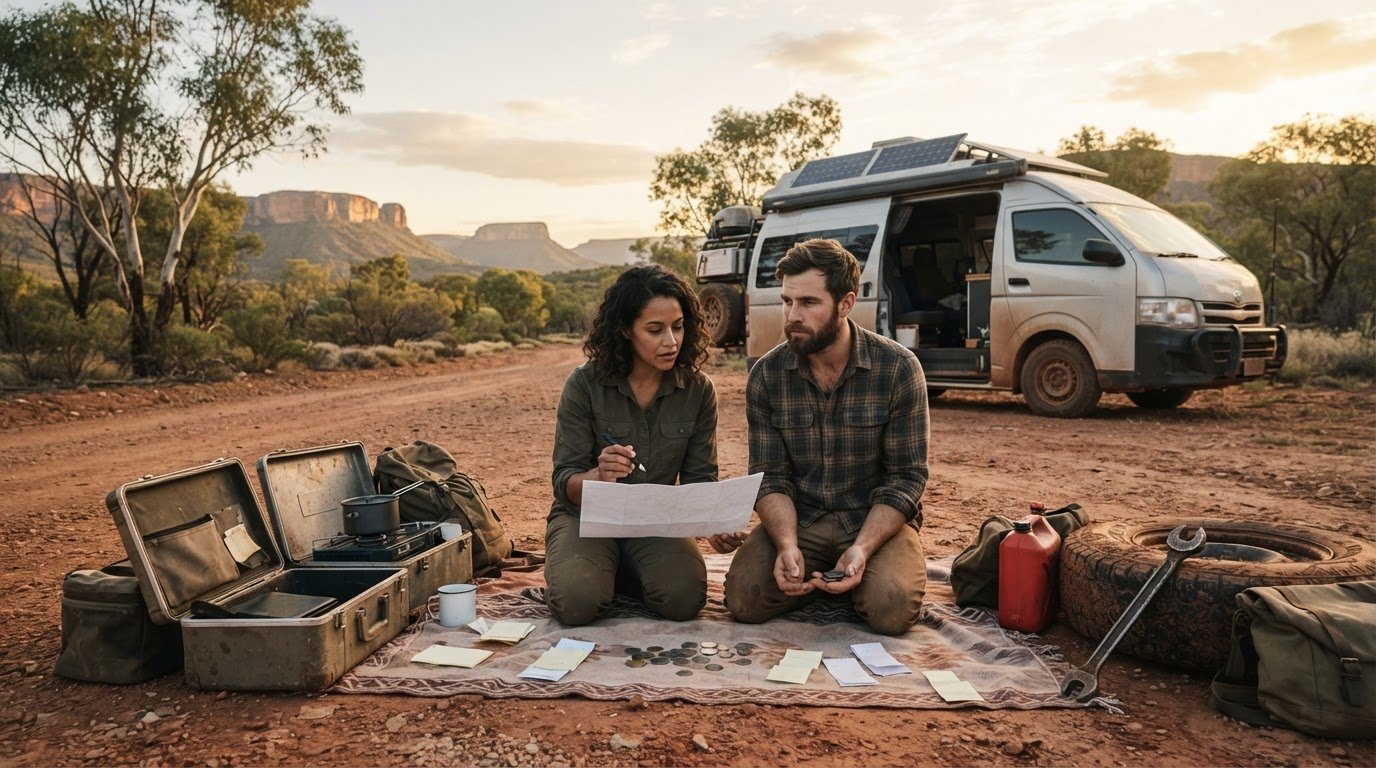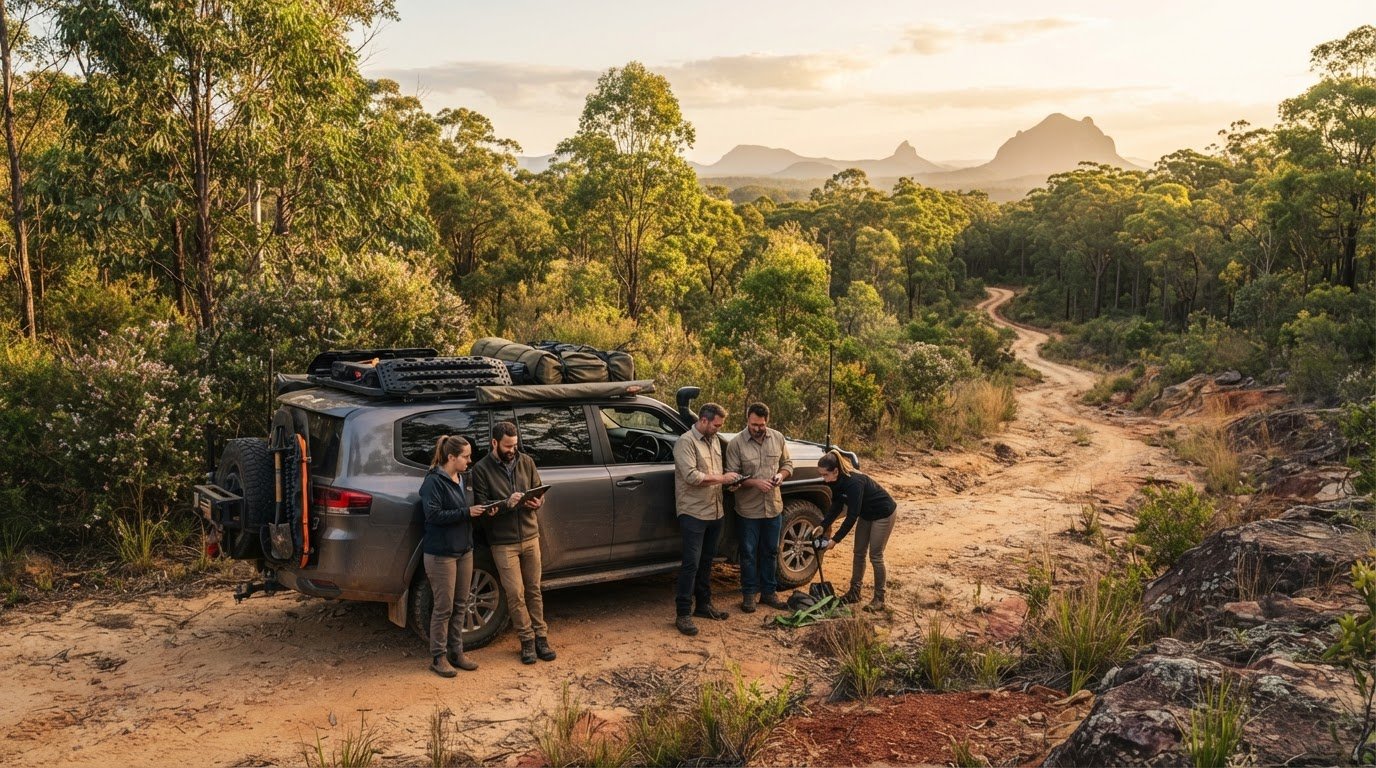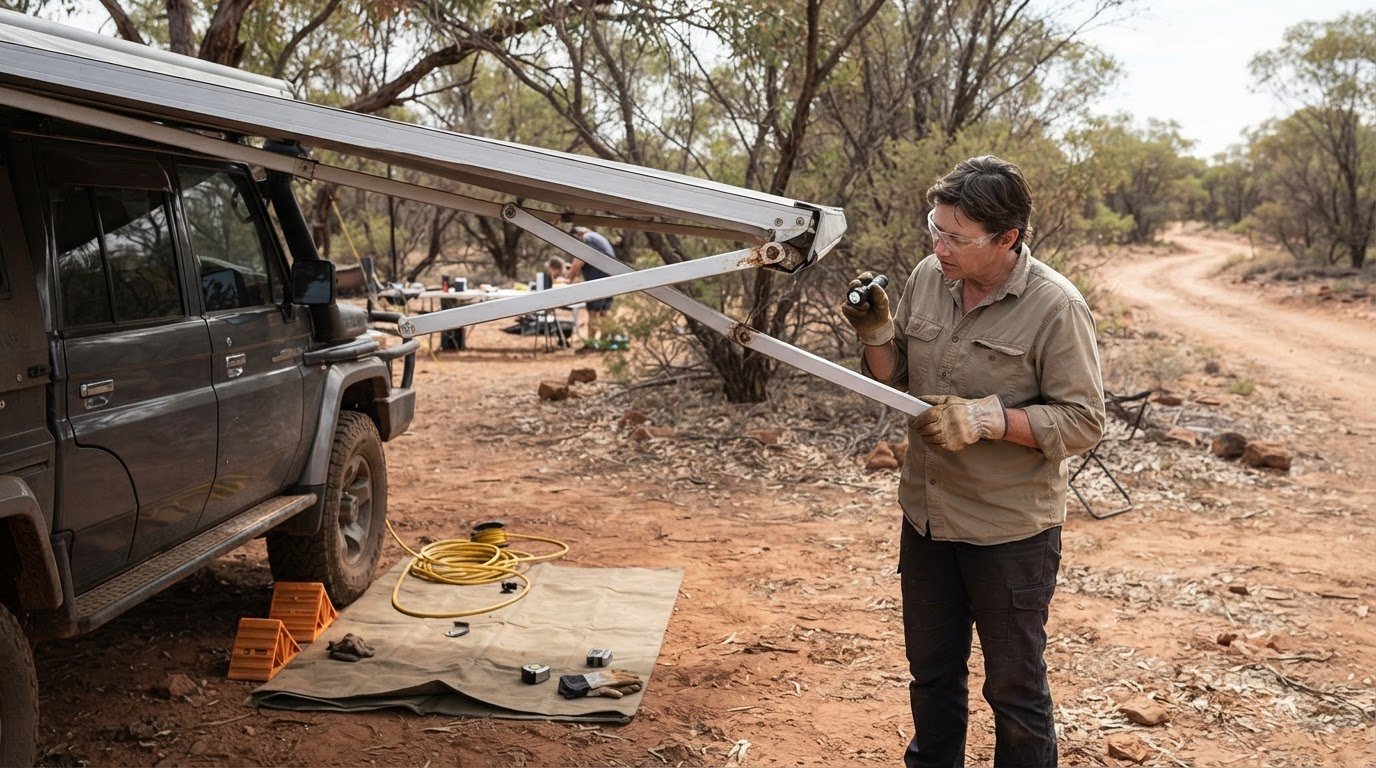
Imagine you’re three days into the Red Centre when your “heavy-duty” camp stove suddenly fails, leaving the kids hungry and the nearest town hundreds of kilometres away. We’ve all felt that sinking realization that overpacking a trailer doesn’t actually guarantee comfort, especially when your vehicle is pushing its weight limits. Finding the right family camping gear in Australia is a constant challenge because our environment is uniquely demanding. It’s a fine line between being prepared for a sudden Kimberley downpour and being weighed down by unnecessary clutter that harms your fuel economy and the tracks we love to explore.
We’ve designed this 2026 guide to help you cut through the marketing noise and invest in gear that survives the long haul. Our community values self-reliance and environmental accountability; therefore, we’re focusing on equipment that balances rugged 4WD compatibility with a sustainable approach to the outdoors. You’ll gain a reliable list of expert-vetted rooftop tents and awnings, along with essential durability tips to keep your family comfortable in extreme weather. We’ll also preview the latest 2026 national park fee structures, such as the new six-tier pricing system in New South Wales, ensuring you have the confidence to explore our natural wonders responsibly.
Key Takeaways
- Understand how to select specialized gear designed to endure Australia’s extreme UV exposure and remote conditions, keeping your family safe and comfortable.
- Learn why robust 4WD awnings and climate-rated sleep systems are the non-negotiable pillars of a high-performance family camping gear Australia setup.
- Evaluate the touring speed of rooftop tents against the traditional ground tent basecamp to determine which shelter style matches your family’s travel rhythm.
- Equip your vehicle with a methodical 2026 checklist that prioritizes both self-reliance and environmental accountability during remote travel.
- Join our community of hardy explorers to access specialized reviews and peer-to-peer advice that helps you avoid buyer’s remorse.
Table of Contents
Why Quality Gear is the Foundation of Australian Family Camping
We’ve watched the history of camping transform from rugged survivalism into a modern pursuit of comfort; however, the Australian bush remains as unforgiving as ever. Australia’s landscape is a master of destruction. It uses a combination of fine bulldust, extreme UV exposure, and relentless corrugations to find the weak points in every zipper and bracket you own. When we talk about family camping gear australia, we aren’t just discussing convenience. We’re talking about the thin line between a successful expedition and a stressful recovery mission.
Gear failure in remote areas does more than just break your budget. It shatters family morale and can compromise safety when you’re hundreds of kilometres from help. In 2026, we’ve seen a significant shift toward “slow camping,” where families prioritize quality over quantity. This movement focuses on bringing fewer, more resilient items that respect our vehicle weight limits and the fragile environments we visit. By choosing gear that lasts a decade rather than a single season, we reduce our footprint and ensure our focus stays on the campfire, not a broken tent pole.
Understanding the Australian Environment
Budget equipment often fails because it’s designed for mild climates and paved access. In the Australian outback, temperatures can swing 30 degrees in a single day, and the sun’s intensity will degrade inferior plastics in months. Choosing gear rated for local conditions means looking for heavy-duty canvases, reinforced stitching, and dust-sealed storage solutions. We recommend vetting your kit against the specific demands of our desert tracks and coastal salt spray before you commit to a purchase. Rugged durability in 2026 is defined as the capacity of equipment to retain its structural integrity and mechanical function after enduring thousands of kilometres of high-frequency corrugations and relentless UV radiation.
The Adventurerz Approach to Exploration
Our mission is to bridge the gap between expert-level 4WD exploration and family-friendly comfort. We vet every recommendation through a lens of environmental ethics, ensuring the products we discuss align with responsible outdoor practices. We frequently use community feedback to refine our reviews of roof top tents and other essential hardware. This peer-driven data helps us identify which family camping gear australia actually survives the real-world test of a school holiday trek. Before you load the vehicle, use our Ultimate Adventure Travel Planner to map your route and ensure your setup is ready for the specific terrain ahead.
The Essential Family Kit: Shelter, Sleep, and Sustenance
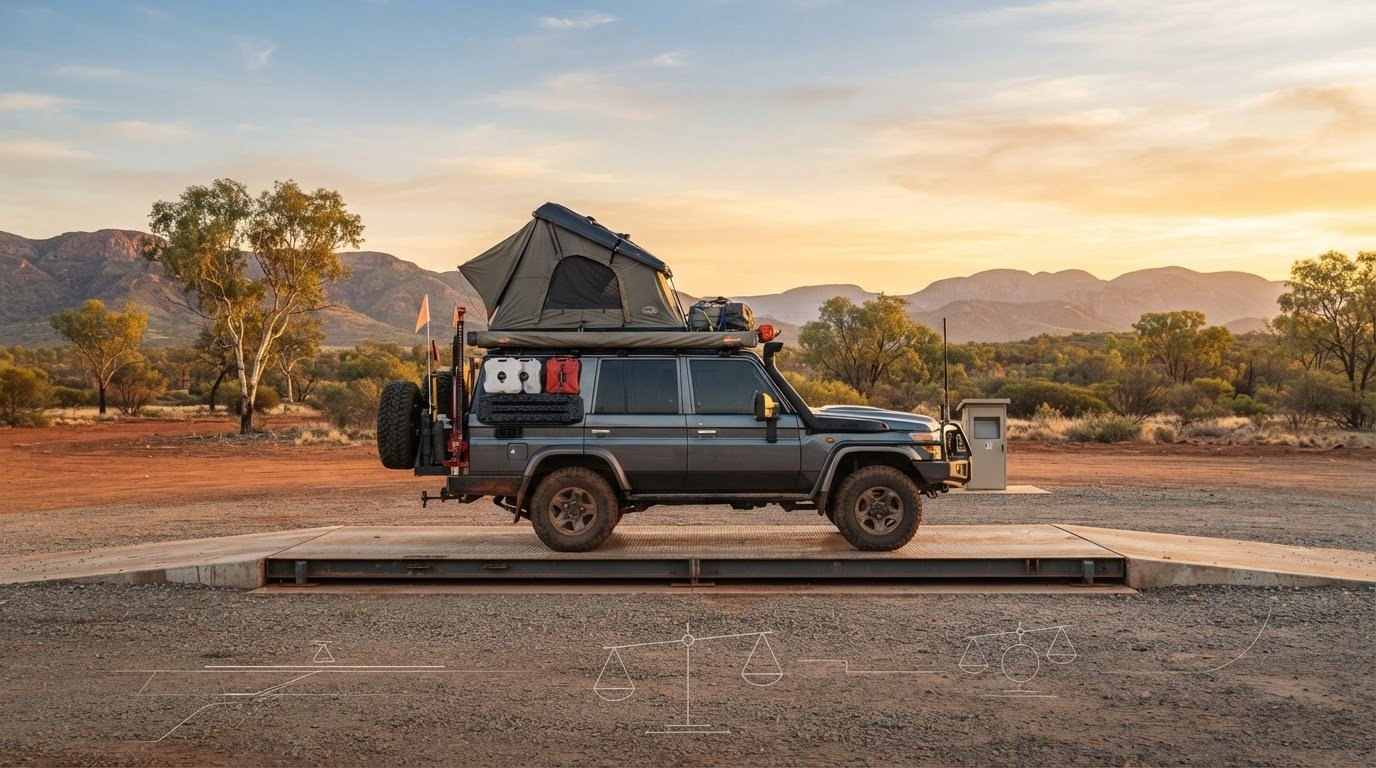
Mastering the “Big Three”—shelter, sleep, and sustenance—is the secret to a stress-free trip. For the modern Australian family, this kit has evolved from basic canvas bags into highly integrated, vehicle-dependent systems. We’ve moved away from the days of digging through cluttered boots for a single gas bottle. In 2026, the focus is on efficiency and weight management. Balancing your vehicle’s Gross Vehicle Mass (GVM) is a critical task; every kilogram of family camping gear australia we pack must earn its place through durability and multi-functional use. This balance of weight and durability is a hallmark of quality engineering, much like the precision found in custom trade show displays denver, where every component must be robust yet portable. Integrated 4WD kitchens, for instance, save setup time but require careful planning to ensure you don’t exceed your vehicle’s payload limits on remote tracks.
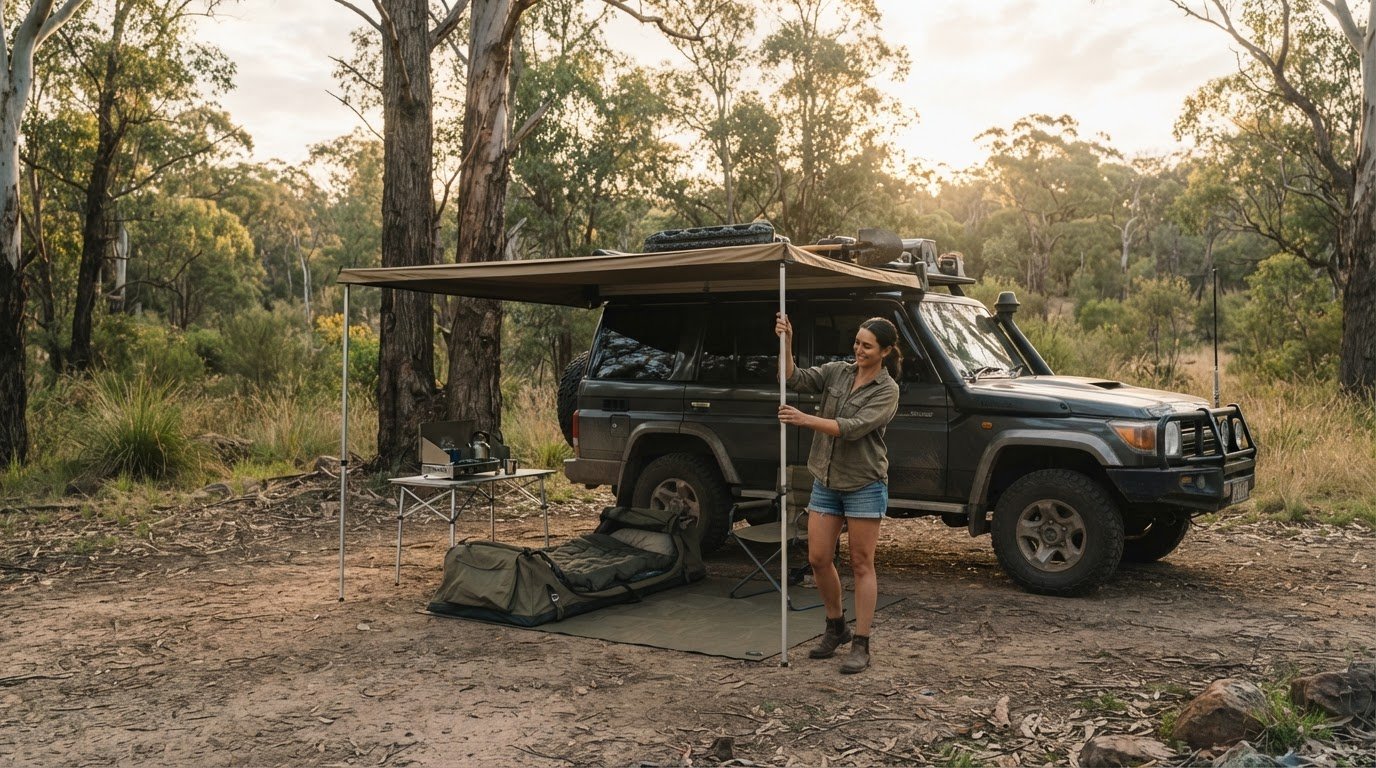
In the outback, shade isn’t a luxury; it’s a survival tool. We consider 4WD awnings non-negotiable for any family setup. While a 180-degree awning provides excellent side coverage, a 270-degree model wraps around the rear of your vehicle, protecting your kitchen area and providing a massive communal space for the kids. If you’re camping in wind-prone coastal areas or dusty inland plains, adding awning walls can transform your shade into a weather-proof living room. These extensions provide a sanctuary from flies and sudden storms without the bulk of a separate gazebo. Before you commit, check out our guide to the best 4wd awnings to see which models survived our community’s latest torture tests.
Sleep Systems for Diverse Climates
Australian nights are notoriously deceptive. You might bake in the afternoon only to face sub-zero temperatures in the desert by midnight. We recommend choosing sleeping mats with high R-values (at least 4.0 or higher) to insulate your family from the cold ground. Modular sleeping bags are another 2026 favorite because they allow you to add or remove layers as the seasons shift. Selecting the right family camping gear australia means looking beyond the summer labels and finding gear that handles the four-seasons-in-one-day reality of the bush. For the little ones, keeping them warm and secure is paramount to a good night’s rest for everyone. We suggest using fitted thermal liners and ensuring their sleep setup is elevated off the cold trailer or vehicle floor. If you’re unsure which setup fits your vehicle best, we invite you to browse our community reviews to see how other families have optimized their sleep zones for the rugged Australian interior.
Rooftop Tents vs. Ground Tents: The 2026 Family Verdict
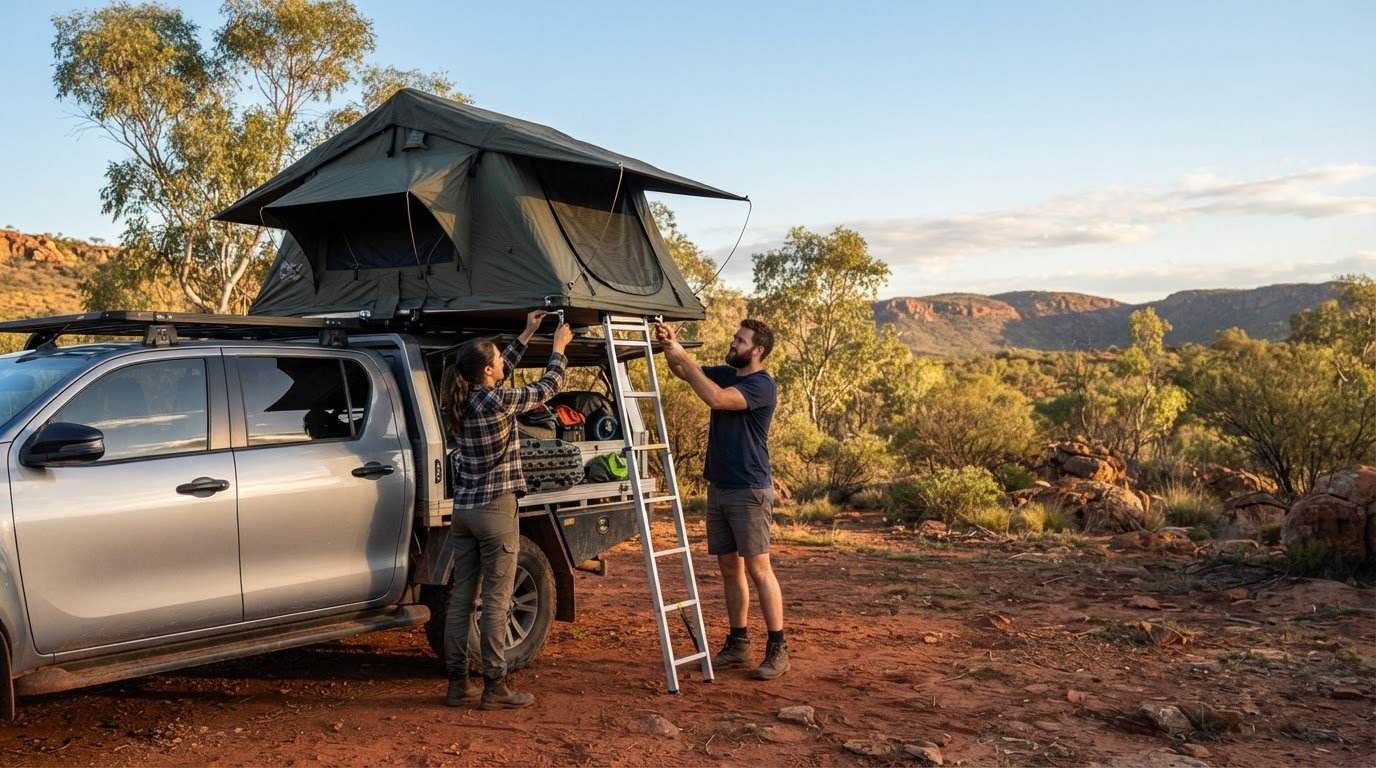
Choosing between a rooftop tent (RTT) and a traditional ground tent is often the most debated decision when finalizing your family camping gear australia. In 2026, the verdict depends entirely on your travel rhythm. If your family loves “touring”—moving to a new location every morning—the rooftop tent is the clear winner. It eliminates the struggle of finding level, rock-free ground and keeps your bedding permanently set up. However, we must always consider vehicle compatibility. Every RTT adds weight to your roof, which impacts fuel efficiency and, more importantly, your vehicle’s center of gravity. We recommend checking your manufacturer’s dynamic roof load limits before committing to a heavy setup.
The Case for Rooftop Tents
We’ve seen RTTs become the 2026 standard for remote Australian travel for one simple reason: speed. Hard shell models are particularly popular because they offer superior durability against low-hanging branches and can be deployed in under sixty seconds. While soft shell versions provide a larger sleeping footprint for bigger families, they take longer to pack away when wet. Safety is another factor; being elevated provides peace of mind in areas with active wildlife. For families with toddlers, the ladder requires constant supervision, but for school-aged kids, it’s often the highlight of the trip. Explore our latest rooftop tent reviews to find a model that balances weight with internal comfort.
Ground Tents and Swags
Ground tents still hold a vital place in the Australian landscape, especially for families who prefer a “basecamp” style of exploration. If you’re staying at a site for several days, a ground tent allows you to unhitch the vehicle for day trips without packing up your bed. Modern inflatable air tents have solved the “setup fatigue” that used to plague large families, using high-pressure beams instead of traditional metal poles. This style of family camping gear australia provides much-needed internal space for rainy day activities or gear storage. For older children who want a taste of self-reliance, we often suggest a high-quality swag on a stretcher. It offers a hardy, independent sleeping pod that can be set up in minutes, giving everyone their own slice of the bush.
The 2026 Family Camping Gear Checklist
Building a resilient kit isn’t about filling every spare inch of your canopy with gadgets. It’s about vetting the essentials that ensure your crew remains safe, fed, and powered up without exceeding your GVM. When we look at family camping gear australia in 2026, the focus has shifted toward high-efficiency lithium (LiFePO4) systems and portable solar blankets. These setups offer a significant weight advantage over old-school AGM batteries and rigid panels, allowing you to run 12V fridges and induction cooktops for longer periods off-grid. We’ve also seen a major update in 2026 safety standards for gas stove connections; therefore, ensure your hoses and regulators are compliant before you pack the kitchen.
Prioritizing Safety and Recovery
Off-grid exploration demands a methodical approach to safety. A basic first aid kit won’t cut it when you’re traversing the Simpson Desert; you need a kit tailored for remote Australian conditions, including specialized pressure bandages for snake bites and supplies for heat-related illnesses. Communication is your lifeline. In 2026, we consider a Personal Locator Beacon (PLB) or a satellite messenger essential for any family heading beyond mobile range. Your recovery kit should be equally robust, featuring rated snatch straps, soft shackles, and recovery boards. These tools don’t just protect your vehicle; they provide the self-reliance needed to keep your family moving when the tracks get tough.
Sustainable Gear Choices
Our community understands that we are the guardians of the tracks we travel. Choosing family camping gear australia that carries a lifetime warranty isn’t just a financial win; it’s an ethical one that keeps broken equipment out of our beautiful national parks. We strongly advocate for “Leave No Trace” waste solutions, such as spare-tyre rubbish bags and portable greywater tanks, which are increasingly required under 2026 national park camping regulations. Repairability is a key gear feature in 2026 because it allows families to maintain their equipment on the tracks rather than contributing to the growing problem of outdoor gear landfill. By investing in modular gear with replaceable parts, we ensure our kits last as long as our passion for the outdoors.
Before you finalize your loadout, compare the latest community-vetted gear to ensure your setup meets our rigorous 2026 durability standards.
Finalizing Your Setup: Reviews and Community Insight
Finalizing your setup is about more than just checking off a list; it’s about ensuring your investment stands up to the reality of the track. We’ve all seen the flashy ads for family camping gear australia that look great in a studio but fall apart after the first set of corrugations. To avoid buyer’s remorse, we recommend diving deep into our peer-reviewed data before you tap your card. Our community doesn’t just look at specs; we look at how a zipper handles bulldust and how a hinge survives a coastal gale. By matching your gear’s capabilities to your planned route, you ensure that your 4WD remains a haven of comfort rather than a source of stress.
Leveraging Expert Recommendations
We test equipment in the same red dust and salt spray you’ll encounter on your next school holiday trek. Our goal is to help you find the sweet spot between flimsy budget items and gear that is unnecessarily over-engineered for your specific vehicle. While we love a rugged rooftop setup, we also recognize that sometimes the family needs a reset. If you’re planning a transition between remote camps and a touch of comfort, our best resorts in Australia guide offers the perfect glamping alternatives to keep the peace during long-haul expeditions. This balance ensures you stay refreshed and ready for the next leg of your journey.
Joining the Adventurerz Community
The true strength of our mission lies in the collective wisdom of our members. When you join the discussion, you’re not just talking shop; you’re contributing to a culture of responsible exploration and environmental accountability. We encourage you to share your 2026 travel photos and natural wonder discoveries, but we ask that you do so with a focus on sustainable practices. Whether you’ve found a clever way to manage greywater or discovered a durability flaw in a popular awning, your family camping gear australia experiences help other families navigate the bush with confidence. Together, we’re building a more resilient and informed community of hardy explorers who value the landscape as much as the journey itself. We can’t wait to see where your next adventure takes you!
Ready to Lead Your Family into the Wild?
We’ve explored how a carefully vetted family camping gear australia setup transforms a potentially stressful trek into a seamless, lifelong memory. By prioritizing rugged durability over disposable convenience, you ensure your kit survives the relentless corrugations and harsh UV of our unique interior. Remember that sustainable exploration isn’t just a trend; it’s a commitment to protecting the natural wonders we all cherish. Whether you’re choosing a high-clearance rooftop tent or a modular camp kitchen, your choices reflect a dedication to self-reliance and environmental accountability. You don’t have to navigate these complex technical decisions alone! Our community of peer adventurers provides a wealth of expert, unbiased reviews and real-world advice to help you avoid costly mistakes. We believe that responsible travel starts with fellowship and shared expertise on the path toward new discoveries. Join our crew today and let’s keep our tracks pristine for the next generation of explorers!
Join the Adventurerz community to find the perfect gear for your next escape!
Pack the car, grab the kids, and let’s get moving! We’ll see you out there on the tracks!
Frequently Asked Questions
What is the most essential piece of camping gear for Australian families?
Reliable shelter is the non-negotiable foundation of any kit. We also argue that a Personal Locator Beacon (PLB) is the most essential safety item for families venturing beyond mobile range. These tools ensure that even if your vehicle fails or an injury occurs in a remote area, help is only a button press away. Combining high-quality family camping gear australia with robust communication tools creates a safety net for every member of your crew.
How do I choose between a hardshell and softshell rooftop tent for a family of four?
Hardshell rooftop tents are the gold standard for durability and setup speed, often deploying in under 60 seconds. While they are resilient against low-hanging branches, they typically sleep only two or three people. For a family of four, a softshell model often provides the necessary internal footprint to fit everyone comfortably. We recommend checking your vehicle’s roof load limits first, as hardshell models can be significantly heavier and impact your center of gravity.
Is it better to buy or rent camping gear for a first-time family trip in 2026?
We recommend renting gear for your first trip to understand your family’s specific needs without a massive upfront investment. Renting allows you to test different setups, such as rooftop tents versus ground tents, in real-world conditions. Once you’re committed to the lifestyle, investing in high-quality family camping gear australia with lifetime warranties becomes the more sustainable choice. This approach reduces landfill waste and ensures you own equipment that is specifically rated for rugged Australian environments.
What are the current 4WD weight regulations I need to know for camping gear?
You must strictly adhere to your vehicle’s Gross Vehicle Mass (GVM) and roof load limits. Overloading your 4WD with heavy accessories and gear can lead to structural failure, poor handling, and voided insurance. We advise weighing your fully loaded vehicle at a public weighbridge before heading out. Staying within these legal payload limits is critical for safety on corrugated tracks and ensures your vehicle remains compliant with 2026 Australian road safety standards.
How can I make my family camping trip more sustainable and eco-friendly?
Adopting a “Leave No Trace” philosophy is the best way to minimize your impact. This includes using portable greywater tanks, which are increasingly mandatory in many 2026 national park regulations, and choosing biodegradable, eco-friendly soaps. We also encourage our community to prioritize gear repairability over replacement. By selecting equipment with modular parts and durable materials, you reduce the environmental footprint of your adventures while respecting the fragile natural wonders we all love to explore.
What is the best way to keep kids comfortable during summer camping in Australia?
Utilizing “BlockOut” or “Darkroom” tent technology is a game-changer for keeping kids cool and helping them sleep longer. These specialized materials can significantly reduce internal temperatures by blocking up to 95% of sunlight. Additionally, ensuring your 4WD awning is deployed early provides a vital shaded area for play and meals. We also suggest using 12V fans and high-R-value mats to keep the sleeping area ventilated and insulated from the heat of the day.
Do I really need a 4WD awning for a weekend camping trip?
Yes, a 4WD awning is a vital addition even for short trips. It provides instant protection from intense UV rays and sudden rain showers, creating a centralized hub for your family to gather. Without this shade, your campsite becomes significantly less comfortable, especially during the peak heat of the day. Modern 270-degree awnings offer massive coverage that wraps around your vehicle, making them one of the most versatile pieces of equipment in any family setup.
How do I ensure my camping gear is ‘dust-proof’ for outback travel?
Investing in high-quality, gasket-sealed storage cases is the most effective way to keep bulldust out of your equipment. Standard plastic bins often fail on corrugated roads, allowing fine dust to penetrate zippers and fabrics. We recommend using heavy-duty transit bags for your bedding and ensuring all kitchen gear is stored in dust-proof drawers or boxes. Checking that your seals are intact and using silicone-based lubricants on zippers will also help maintain your gear’s integrity during outback travel.