Conquering the Thorsborne Trail is a masterclass in self-reliance where success is defined by balancing lightweight gear efficiency with strict environmental stewardship. We understand the pressure of navigating a system where only 12 people can start the journey each day. It’s natural to feel a sense of dread about tropical hazards like crocodiles or the anxiety of finding water in remote creek beds. This Thorsborne Trail guide ensures you experience the raw beauty of the island without compromising its fragile ecosystem or your own safety.
We’ve distilled the complex 2026 logistics into a clear, step-by-step framework. We’ll help you master the seasonal permit release model and select durable, lightweight gear that thrives in humidity. From understanding the strict one-night limit at Mulligan Falls to practising advanced Leave No Trace ethics, we provide the specialised expertise needed for a responsible, self-reliant expedition. Let’s get you ready for Australia’s premier tropical trek.
Key Takeaways
- Secure your permit for the 2026 season by mastering the new hiker limits and booking portal through our comprehensive Thorsborne Trail guide.
- Optimise your pack list with specialised gear recommendations designed to withstand tropical humidity and remote island conditions.
- Navigate the 32km wilderness route with confidence by learning the best practices for water management and avoiding local tropical hazards.
- Commit to responsible exploration by understanding the cultural significance of the Bandjin People and implementing strict Leave No Trace principles.
Table of Contents
Understanding the Thorsborne Trail: A National Treasure
The Thorsborne Trail isn’t just a hike; it’s a 32-kilometre immersion into an ancient, untouched world. We’ve explored many tracks across Australia, but Hinchinbrook Island remains a standout because it’s a completely wild experience. You won’t find resorts, cafes, or even formed paths here. Instead, you’ll find a rugged landscape that demands respect and thorough preparation. This Thorsborne Trail guide is built on the philosophy that true adventure requires leaving the safety of infrastructure behind to embrace the raw elements of the tropics.
The Allure of Hinchinbrook Island National Park
As a protected wilderness area, Hinchinbrook Island serves as a vital sanctuary for unique flora and fauna. We often encounter species here that are found nowhere else on the planet. The island’s status ensures that the “isolated luxury” of complete solitude remains intact for every hiker. Imagine standing on a beach with no footprints but your own, surrounded by prehistoric ferns and towering granite peaks. This sense of being a guest in a truly wild place is rare. We approach every trek here with a deep appreciation for this fragile, prehistoric environment.
Who Should Attempt the Thorsborne Trail?
Logistics and Planning for Your 2026 Trek
Planning for Hinchinbrook Island requires a methodical approach and a bit of luck. We’ve seen many hikers miss out because they underestimated the competition for spots. For the 2026 season, the Queensland Parks and Wildlife Service (QPWS) has implemented a model where only 12 people can start the trail each day. This ensures the wilderness remains quiet and the impact on the environment stays low. This Thorsborne Trail guide focuses on getting these details right so you can focus on the scenery rather than the red tape.
Securing Your Hiking Permits
The booking process is highly competitive. You’ll need to use the official Queensland National Parks Booking Service. Permits for the Thorsborne Trail typically open six months in advance and often sell out within minutes of release. We recommend being online the moment they drop. The cost is $7.50 per adult per night, which is a small price to pay for such an exclusive experience. Remember, the maximum group size is six people. If you’re travelling with a larger crew, you’ll need to split your bookings and hope for the same start date.
Direction matters when you’re on the ground. Most of our community prefers the North-to-South route. This direction keeps the afternoon sun at your back and saves the spectacular swimming spots for the final days of the 32-kilometre journey. However, South-to-North is an excellent alternative if permits are tight. Regardless of direction, timing is everything. While the trail is open from March to December, the window from May to September is the sweet spot. This period offers cooler temperatures and avoids the peak stinger season in the ocean. The trail is closed during January and February due to unsafe weather conditions.
Mainland Access and Transport Logistics
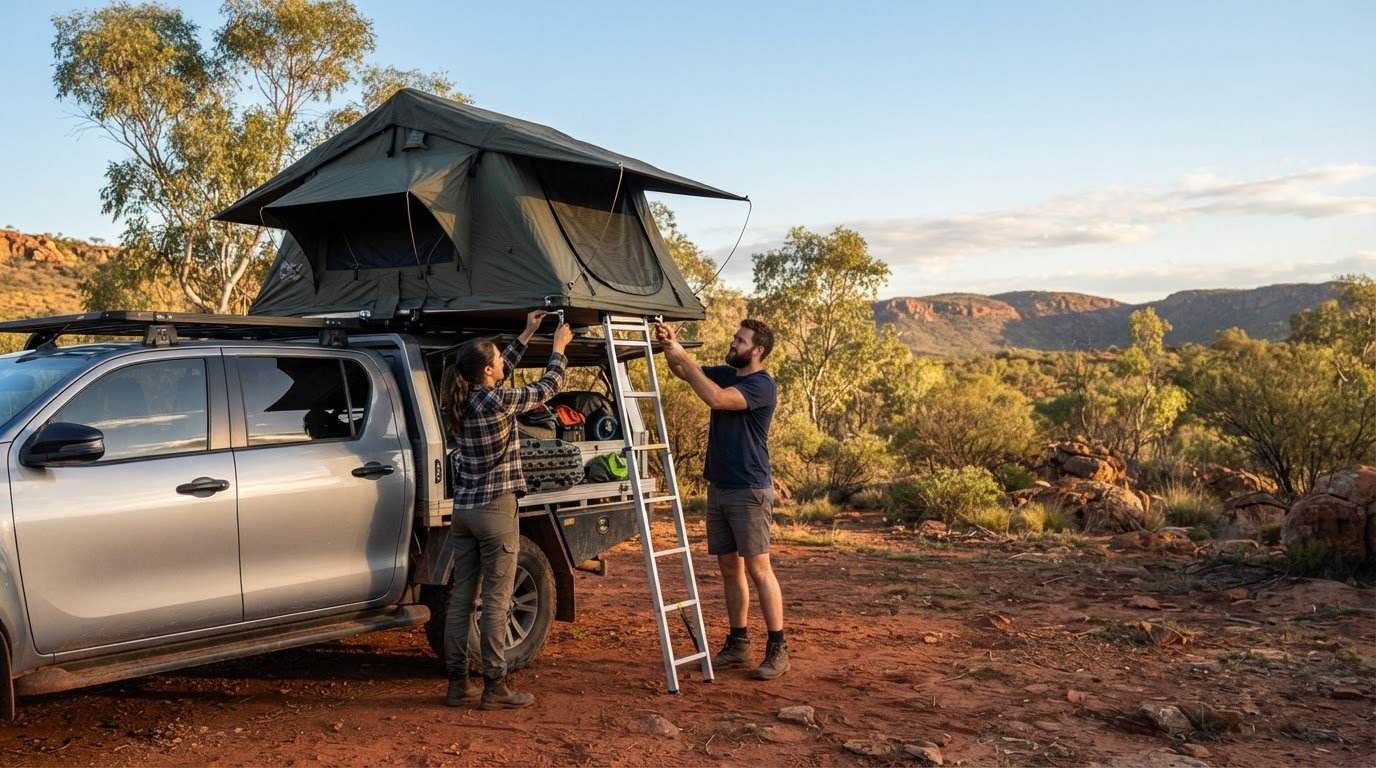
Getting to the island is a two-part mission. Once you’ve secured your permit, you must immediately book your boat transfers. Several commercial operators service the island from regional hubs. Since Hinchinbrook is a national park with no roads, these boat transfers are your only lifeline. If you’re incorporating this hike into a larger trip, many operators offer secure vehicle storage. This is particularly useful if you’re travelling with a heavy setup and need to leave your roof top tents or 4WD gear in a safe spot while you’re in the bush.
Coordinating your ferry with tide times is crucial, especially for the northern crossing where mangroves can make access tricky. We suggest checking the latest park alerts before you depart, as erosion can sometimes affect landing points. If you are looking for more adventure ideas in Australia, planning this trek as part of a coastal expedition is a fantastic way to see the region’s rugged beauty.
Essential Gear and Packing for Tropical Remote Hiking
Preparing your kit for Hinchinbrook Island requires a pivot from standard camping mindsets. In the tropics, humidity is your primary adversary. We’ve found that a “lightweight but durable” philosophy is the only way to tackle the 32km track without burning out. This Thorsborne Trail guide prioritises gear that breathes and dries quickly, as you’ll likely be damp from either sweat or rain for most of the journey. Waterproofing isn’t optional; it’s a survival necessity. We use dry bags for everything, especially sleeping bags and electronics, because a tropical downpour can saturate a pack in minutes.
Integrating this hike into a broader 4WD adventure is the ultimate way to experience the region. Using roof top tents as your primary basecamp before hitting the trail ensures you start the trek with a decent night’s sleep and a clear staging area for your final pack. It’s far more efficient than scrambling through the back of a wagon at a boat ramp. Having a dedicated space to organise your gear prevents that last-minute panic when the ferry arrives.
The Hiking Kit: From Boots to Bed
Basecamp Preparation for the Road Trip
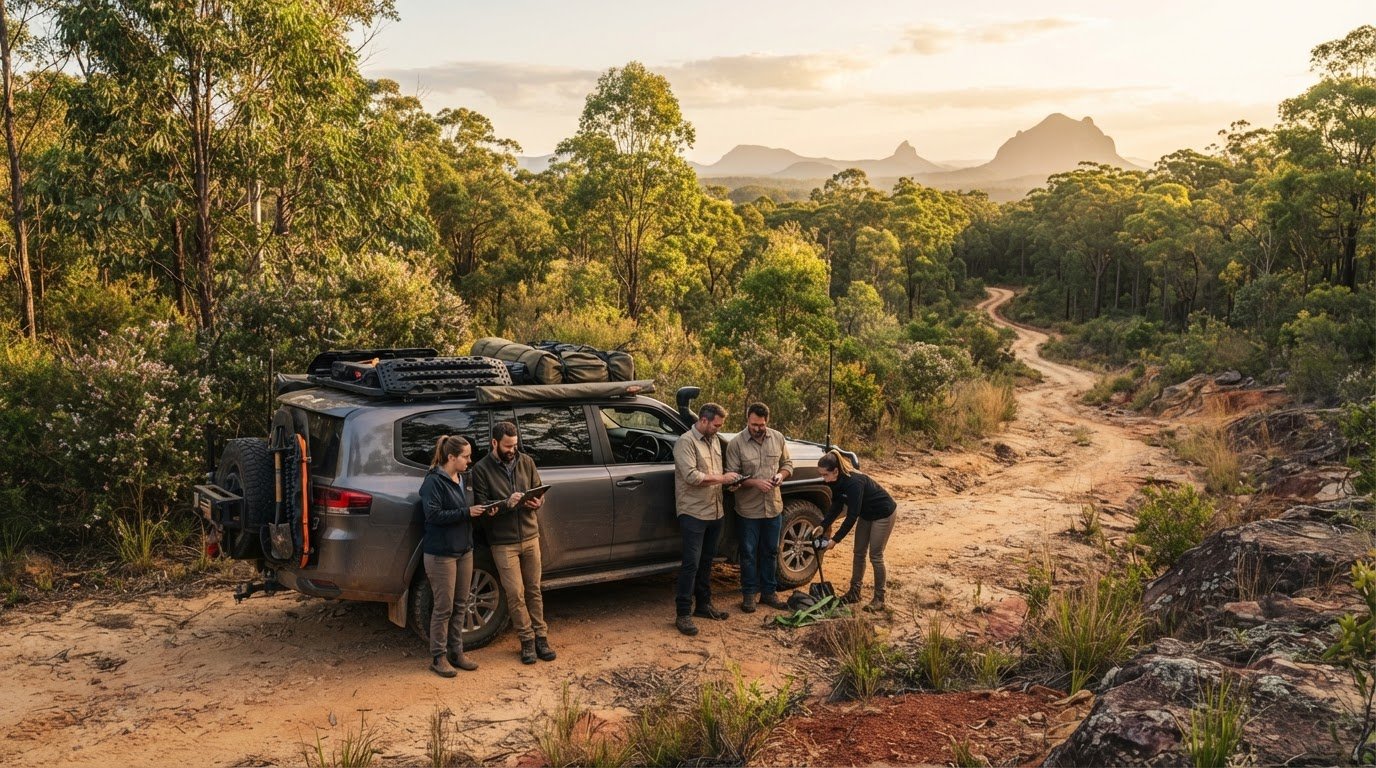
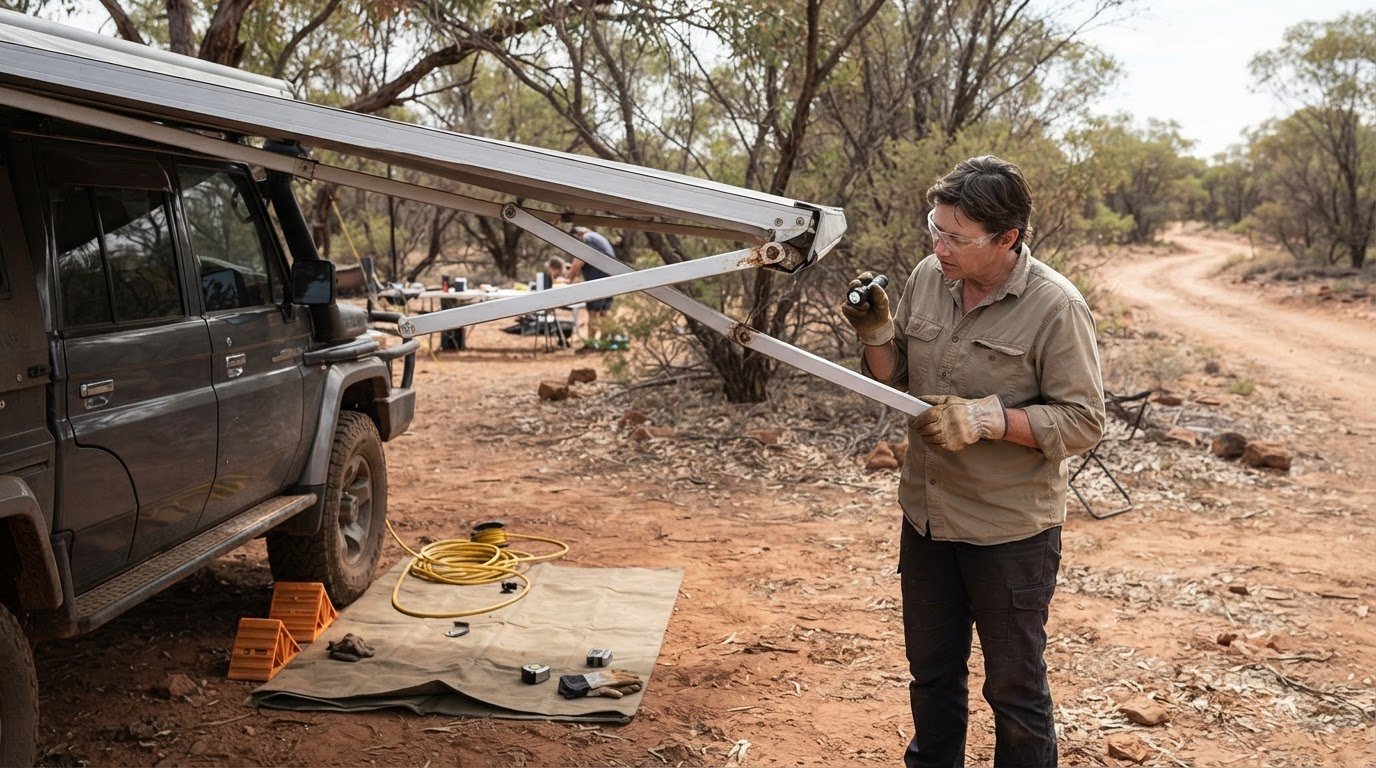
Setting up your vehicle for the journey to the mainland access point is part of the excitement. We often use our 4WD awnings to create a shaded, dry workshop for that final gear sort. This is the time to double-check your Personal Locator Beacon (PLB), treat your water filters, and portion out your lightweight meals. When you leave your vehicle at a secure regional hub, ensure it’s “hike-ready”. This means removing perishables and organising your post-hike recovery gear, like clean clothes and a cold towel, so it’s waiting for you the moment you step off the return ferry.
The Route: Campsites, Water, and Tropical Safety
The 32-kilometre journey is a test of both stamina and situational awareness. We find that the most rewarding sections, like the steep climb above Zoe Bay or the lush descent into Mulligan Falls, require careful pacing and a deep respect for the terrain. This Thorsborne Trail guide emphasises that while the views are world-class, the environment is uncompromising. You’ll spend significant time rock-hopping across granite headlands or finding your way through unformed tracks where the path isn’t always obvious. Staying alert to the terrain is just as important as enjoying the scenery. If you thrive on navigating such rugged environments, you can visit Adrenalin Rush Trail to discover premium guided motorcycle tours across Vietnam’s iconic trails.
Navigating Water Sources and Tidal Crossings
Reliable water is the backbone of a successful trek. During the dry season, Zoe Falls and Mulligan Falls are typically the most dependable sources, but smaller creeks can dry up quickly as the season progresses. Always treat or filter water from island streams to ensure it is safe for consumption despite its pristine appearance. We recommend carrying at least three to four litres of capacity to bridge the gaps between reliable points. Navigation also requires a close eye on the ocean; tidal crossings, particularly at South Ramsay Scrub, demand a look at your tide charts before you set off. Crossing at high tide can turn a simple walk into a dangerous struggle through dense mangrove roots and deep water.
Wildlife Awareness: Crocodiles and Midges
Wildlife encounters are part of the island’s charm, but they require a methodical approach to safety. We follow strict Crocodile Wise protocols, which means never camping right on the edge of an estuary and being extremely cautious during water collection at lower elevations. Saltwater crocodiles are apex predators found in the island’s tidal reaches, so stay vigilant. Marine stingers are another concern; we avoid swimming in the ocean and stick to the elevated freshwater pools. For the smaller pests, the midges and mosquitoes can be intense at dawn and dusk. A sealed tent and tropical-strength repellent are your best friends here. We also carry a robust first aid kit to manage tropical scratches; even a small nick can become infected quickly in the humidity. The granite is slippery. You’ll need to move slowly and deliberately to avoid a trip that could end your journey early.
If you are looking for more adventure ideas in Australia to pair with this trek, we recommend exploring our regional guides for off-grid exploration. Preparation is the key to enjoying the raw beauty of Hinchinbrook without the stress.
Sustainable Exploration: Leave No Trace on Hinchinbrook
We acknowledge the Bandjin People, the Traditional Custodians of Hinchinbrook Island. Their connection to this land spans millennia, and we recognise their enduring sovereignty over these waters and peaks. As hikers, we carry a heavy responsibility to preserve the spiritual and ecological integrity of this prehistoric place. This Thorsborne Trail guide isn’t just about surviving the 32km trek; it’s about ensuring the island remains unchanged for those who follow in our footsteps. We approach every expedition here with a deep sense of accountability and respect for the environment.
We strictly adhere to the seven principles of Leave No Trace, which are vital in such a fragile tropical ecosystem. One of the most critical rules is the absolute prohibition of campfires. We only use fuel stoves for cooking to prevent scarring the land and to protect the limited fallen timber that provides habitat for local species. Additionally, we follow a strict “Pack It In, Pack It Out” policy. This includes all waste, even organic matter like fruit peels or food scraps. These items don’t belong in this specific habitat and can disrupt the natural diet of the island’s wildlife. We take pride in leaving every campsite cleaner than we found it.
Respecting Cultural Heritage and Traditional Lands
Staying on the trail is the most effective way to protect sensitive cultural sites. The Bandjin People have deep ties to specific areas, and by sticking to the unformed track, we avoid disturbing places of immense significance. We encourage the Adventurerz community to engage with the landscape mindfully, observing without touching or removing any natural or cultural artefacts. For those planning their journey, we recommend using the Ultimate Adventure Travel Planner to map out a responsible trip that respects these boundaries while ensuring your logistics are watertight.
Waste Management and Environmental Protection
Managing greywater and human waste requires a methodical approach in this remote setting. We never use soaps or detergents in the freshwater pools at Zoe Falls or Mulligan Falls, as even “biodegradable” products can be toxic to unique aquatic life. When it comes to human waste, always use the provided toilets at the designated campsites. If you’re caught between sites, ensure you bury waste at least 15 to 20cm deep and at least 100 metres away from any water sources. A pro tip for the Adventurerz crew is to minimise plastic packaging before you even reach the trailhead. Repackaging food into reusable containers reduces the volume of rubbish you need to carry out and lessens the risk of accidental littering in high winds.
Ready Your Pack for Hinchinbrook Island
Conquering Hinchinbrook Island is a profound experience that rewards the methodical and the daring. We’ve walked through the complex 2026 permit logistics and the technical gear requirements essential for tropical success. This Thorsborne Trail guide serves as your roadmap for navigating unformed tracks while upholding the highest standards of environmental ethics. By respecting the traditional lands of the Bandjin People and mastering self-reliance, you ensure this wilderness remains pristine for future generations of our community.
Our commitment to sustainable travel and community-driven outdoor expertise means we’re here to support every step of your journey. From expert gear recommendations for remote Australia to detailed safety protocols, we provide the specialised knowledge you need to explore with confidence. Don’t let the complexity of planning hold you back from one of the world’s premier tropical hikes. Plan your next remote escape with the Ultimate Adventure Travel Planner and start mapping your 2026 expedition today. The wild is waiting. It’s time to test your limits and discover the raw beauty of the North.
Frequently Asked Questions
How hard is the Thorsborne Trail for beginners?
The Thorsborne Trail is a challenging trek that we don’t recommend for absolute beginners. You’ll face unformed tracks, slippery rock-hopping, and intense tropical humidity that tests your physical and mental limits. Success requires prior experience carrying a heavy multi-day pack over rugged terrain. If you haven’t mastered self-reliance in remote environments, we suggest building your skills on shorter, formed tracks before attempting this world-class wilderness experience.
Are there crocodiles on the Thorsborne Trail?
Saltwater crocodiles are present in the island’s tidal creeks and mangrove estuaries. We follow strict “Crocodile Wise” protocols to stay safe, which means never swimming in tidal waters and staying well back from the water’s edge when collecting supplies. Always use the elevated freshwater pools for cooling off instead. Vigilance is your best tool in this prehistoric landscape, as these apex predators are a natural part of the ecosystem.
When is the best time of year to hike Hinchinbrook Island?
The best time to visit is between May and September. During these months, the weather is cooler and the humidity is far more manageable for long days on the track. You’ll also avoid the peak marine stinger season and the heavy monsoonal rains of summer. Remember that the park closes annually during January and February to protect hikers from the most dangerous weather conditions in the tropics.
Do I need a guide to walk the Thorsborne Trail?
How do I book permits for the Thorsborne Trail in 2026?
You must book your permits through the official Queensland National Parks Booking Service portal. These permits are released six months in advance and frequently sell out within minutes. For the 2026 season, only 12 people are permitted to start the trail each day to minimise environmental impact. We recommend having your dates ready and being online the second the booking window opens to secure your spot.
Is there reliable drinking water on the Thorsborne Trail?
Drinking water is available from island streams, but its reliability changes with the season. While major falls like Zoe and Mulligan usually flow year-round, smaller creeks can dry up during the winter months. We always treat or filter every drop to ensure it’s safe from pathogens. Carrying a high-capacity water bladder is essential for bridging the longer, drier sections of the 32-kilometre route without running low.
What happens if I miss my boat transfer to the island?
Missing your boat transfer can be a trip-ending mistake because ferry schedules are strictly tied to tide times and permit dates. If you miss your slot, you’ll need to contact your commercial operator immediately to see if a later crossing is possible, though this often incurs extra fees. We suggest arriving at your mainland departure point at least 30 minutes early to ensure a smooth transition from your vehicle to the island.
Can I use a rooftop tent on Hinchinbrook Island?
You cannot use a rooftop tent on the island itself as it is a dedicated walk-in wilderness area with no vehicle access. We recommend using your 4WD setup as a comfortable basecamp on the mainland before and after your trek. Leaving your vehicle and high-quality camping equipment at a secure regional hub allows you to focus on the lightweight, self-reliant requirements of the 32km hike without unnecessary bulk.