Imagine waking up at 3 AM with toes so numb they feel like ice blocks, despite being buried under three layers of wool. We’ve all been there, shivering in the dark and realizing our kit just isn’t cutting it against the frost. Finding the right winter camping gear australia is a challenge because our landscape is unique, demanding equipment that handles both the damp chill of the southern ranges and the dry, biting cold of the desert nights. It’s not just about staying dry; it’s about building a system that keeps the heat in and the ground-chill out.
We understand the frustration of staring at technical specs like R-values and fill power, wondering if that expensive sleeping bag will actually perform in the bush. You deserve a comfortable night’s sleep in sub-zero temperatures without worrying about gear failure in remote locations. This guide provides our expert-vetted recommendations for the best 2026 equipment, from hardshell rooftop tents to high-performance sleeping mats. We’ll show you how to choose reliable gear that lasts for seasons, giving you the confidence to explore the most isolated corners of our beautiful country responsibly.
Key Takeaways
- Identify why ground temperature is your primary heat-loss threat and how to use R-values to stay warm in the bush.
- Learn how to build a cohesive sleep system where your bag and mat work together to survive sub-zero Alpine nights.
- Explore the thermal benefits of elevating your setup with rooftop tents and creating wind-proof zones using 4WD awnings.
- Upgrade your winter camping gear australia by mastering the three-layer clothing system to manage moisture and retain core heat.
- Choose gear responsibly by prioritizing durability and ethical standards like RDS-certified down for a smaller environmental footprint.
Table of Contents
Understanding the Australian Winter Camping Environment
Australia’s winter isn’t a single season; it’s a spectrum. We often see campers head out with gear that worked fine in the humid tropics, only to find themselves completely unprepared for the sub-zero reality of the southern states. Selecting the right winter camping gear australia depends entirely on where you plan to pitch your tent. While coastal areas might stay relatively mild with high humidity, the interior deserts experience massive temperature swings that catch people off guard. You need to understand that air temperature is only half the story.
Wind chill is a silent thief of body heat, especially on the exposed plains or coastal cliffs where we love to set up camp. Even a light breeze can make a 5 degree night feel like zero. When you’re looking at sleep systems, you’ll see comfort and extreme ratings. Always ignore the extreme rating. That number is a survival limit, not a sleep limit. We recommend looking at the comfort rating to ensure you actually enjoy your night rather than just surviving it.
To see how these environmental factors influence a real-world setup, watch this helpful gear loadout video:
Alpine vs. Desert: Choosing Gear for the Destination
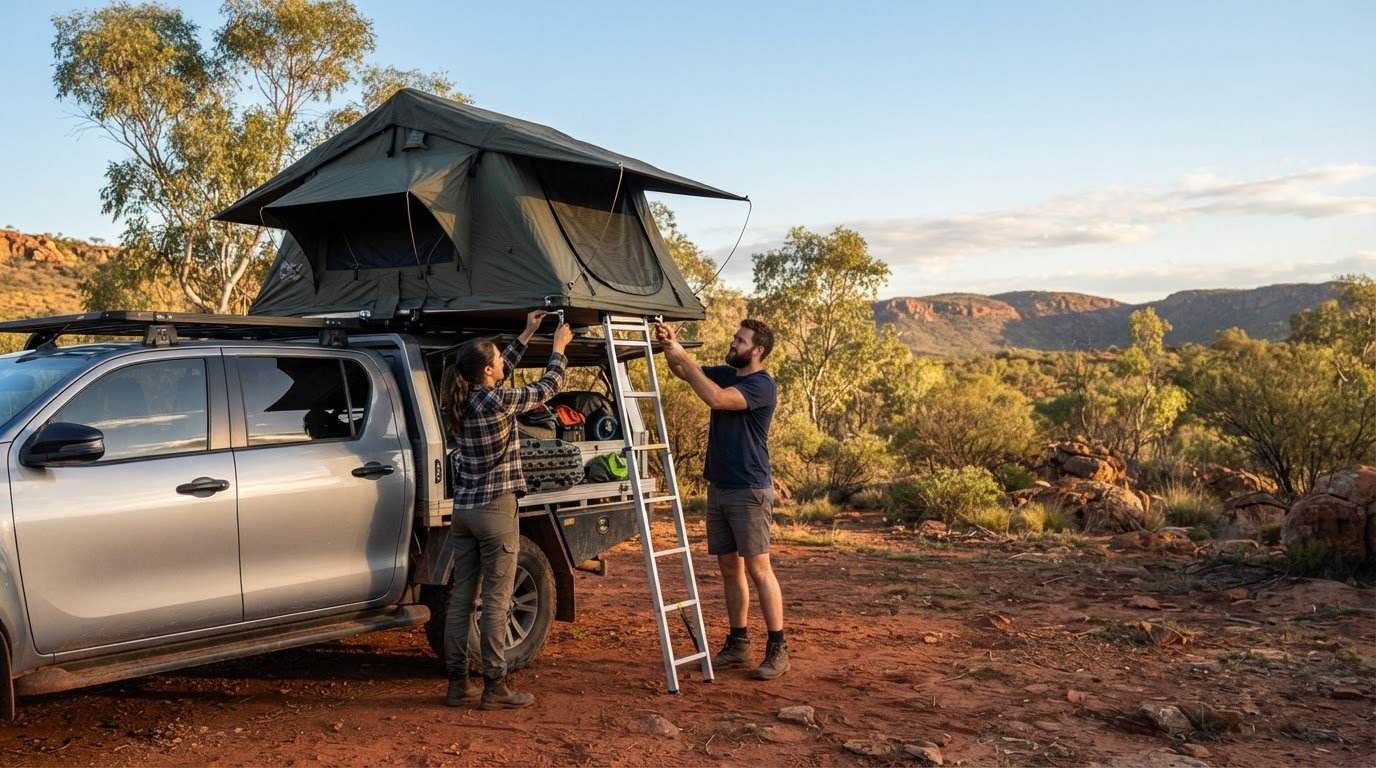
The Australian Alps environment presents a unique challenge of high altitude moisture and heavy frost. In the Snowy Mountains or the Victorian High Country, your gear must manage internal condensation while keeping you dry from the outside in. Conversely, Central Australia offers a dry, biting cold. In the desert, you don’t fight moisture as much as you fight the rapid loss of radiant heat once the sun drops. We’ve found that elevating your setup with roof top tents is a game changer in these regions, as it creates a vital air gap between you and the frozen earth.
The Science of Staying Warm: Conduction vs. Convection
Heat moves in predictable ways, and understanding this helps us stay warm. Conduction is the direct transfer of heat from your body into the cold ground; it’s why a thick sleeping bag is useless if your mat is thin. An R-value represents a material’s thermal resistance to conductive heat flow; for 2026 standards, a higher number signifies superior insulation and is the most critical metric for your sleeping mat. Convection, on the other hand, is the loss of heat to moving air. We use 4wd awnings with integrated wall kits to block this wind, creating a protected microclimate for cooking. Proper tent ventilation is also a form of controlled convection that prevents internal condensation from soaking your winter camping gear australia.
The Big Three: Essential Shelter and Sleep Systems
We’ve established that the environment dictates your needs, but your shelter is your first line of defense. When shopping for winter camping gear australia, you’ll face the classic 3-season versus 4-season tent dilemma. A 3-season tent is great for weight and breathability, but a 4-season model uses steeper walls and stronger poles to shed snow and resist high winds. If you prefer staying off the frozen ground entirely, roof top tents provide natural insulation and a quick setup that keeps you away from damp soil. This elevation is a simple way to stay warmer without carrying extra weight.
Choosing between down and synthetic insulation is a strategic decision for the Australian bush. Down offers a superior warmth-to-weight ratio and packs down small, but it loses its loft and insulating power if it gets wet. In humid coastal ranges or misty highlands, high-quality synthetic fills or treated “hydrophobic” down are safer bets. We always check alpine safety guidelines before heading into high-country zones to ensure our kit matches the forecast. Your bag and mat must work as a single unit to be effective.
Sleeping Bags: More Than Just a Temperature Rating
It’s not just about the number on the tag. Look for a fill power of 650 or higher for efficient warmth that doesn’t weigh you down. Ethical sourcing matters to our community; we always look for the Responsible Down Standard (RDS) to ensure our comfort doesn’t come at a cost to animal welfare. Small design details make a huge difference. A well-shaped hood and a thick draft collar prevent warm air from escaping every time you roll over. Adding a silk or thermal liner is a non-negotiable for us; it boosts your bag’s rating by several degrees while keeping the interior clean.
Sleeping Mats and R-Values
Your mat is actually more important than your bag when it comes to ground-chill. For Australian winter nights, an R-value of 4.0 or higher is essential to stop the earth from sucking the heat right out of you. Air mats are incredibly light and packable, while self-inflating foam mats offer a more stable, bed-like feel. For extreme sub-zero protection, we often layer a closed-cell foam mat under an inflatable one to create an impenetrable thermal barrier. If you’re looking to upgrade your setup, you can explore our expert reviews on rooftop tents to see which models offer the best off-the-ground comfort for the 2026 season.
4WD Integrated Gear: Rooftop Tents and Awnings
For many in our community, the transition from ground-based swags to vehicle-integrated setups is a total game changer for the colder months. When we talk about winter camping gear australia, we can’t ignore the massive thermal benefit of sleeping on top of your rig. By moving your sleep system off the frozen earth, you’re immediately cutting out the most aggressive source of conductive heat loss. This setup isn’t just about convenience; it’s about creating a controlled environment that stays drier and warmer than a standard tent ever could. Integrating these vehicle-based solutions into your winter camping gear australia strategy allows you to push further into remote areas with total peace of mind.
Rooftop Tents: The Winter Advantage
Rooftop tents offer a significant head start because they typically feature thick, high-density foam mattresses that provide far better insulation than a standard air mat. In a hardshell model, the solid roof and base act as additional thermal barriers against the biting wind. However, condensation is a real factor when the outside air is freezing. We always recommend using an anti-condensation mat under your mattress to allow air to circulate. This simple addition prevents moisture from soaking into your bedding from below. If you’re still deciding on the right model, our guide to roof top tents breaks down which designs handle the Australian frost best.
4WD Awnings as Weather Shields
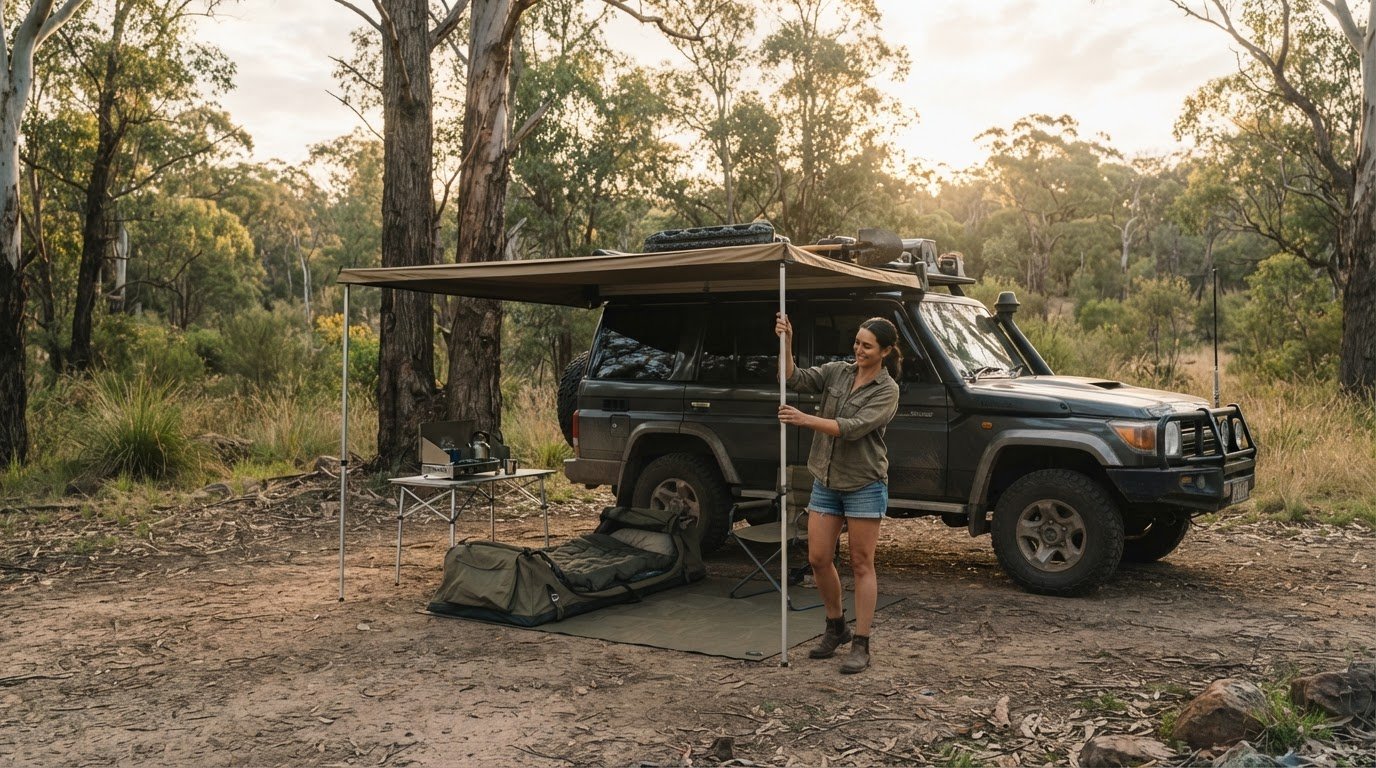
Your living space is just as important as your bed. We use best 4wd awnings with full wall kits to build a protected mud room at the base of the ladder. This wind-proof zone is perfect for a kitchen area where you can brew a morning coffee without the wind stealing every bit of heat from your stove. It also serves as a dry place to strip off wet outer layers before climbing into your tent. When setting up on frozen or rocky ground, standard pegs won’t cut it; we carry heavy-duty screw-in pegs to ensure the walls stay put during a midnight gale. If you use a portable heater under your awning, always maintain a gap for ventilation and keep it well away from the canvas. Safety is our priority, so never leave a heater running while you’re sleeping upstairs.
Clothing Systems and Moisture Management
We’ve all heard the saying “cotton is rotten,” and in the Australian bush, it’s a rule to live by. Cotton absorbs moisture like a sponge and stays wet, which is a fast track to hypothermia when the temperature drops. Building a reliable system of winter camping gear australia starts with the layers you wear. We rely on a three-layer approach: a moisture-wicking base, an insulating mid-layer, and a weather-proof shell. This combination allows us to adjust on the fly as we move from a sunny afternoon drive to a freezing night around the fire. Managing your body’s microclimate is just as vital as the tent you sleep in.
The Art of Layering for the Australian Bush
“Tent rain” can ruin a perfectly good sleep system. When your warm breath hits the cold fabric of your tent or vehicle canopy, it turns into liquid that drips onto your sleeping bag. To keep your winter camping gear australia dry, follow these steps to manage airflow:
- Position for airflow: Pitch your tent or park your rig so the vents face the prevailing breeze to encourage cross-ventilation.
- Open high-level vents: Always leave your upper vents fully open, even if it feels counterintuitive when it’s freezing outside.
- Crack the zips: Leave a small gap at the top of your door or window zips to let moist air escape.
- Use moisture absorbers: Place silica-based moisture-absorbing packs in your 4WD storage drawers to protect recovery gear and electronics from rust.
If your gear does get damp, take every opportunity during the short winter daylight hours to drape it over your 4WD awning or a sunny branch. Even thirty minutes of direct sun can make a massive difference in comfort for the following night. To ensure you have the best setup for managing moisture in the field, check out our expert reviews on rooftop tents to see which models offer the best ventilation designs for the 2026 season.
Choosing Gear Responsibly: The Adventurerz Ethics
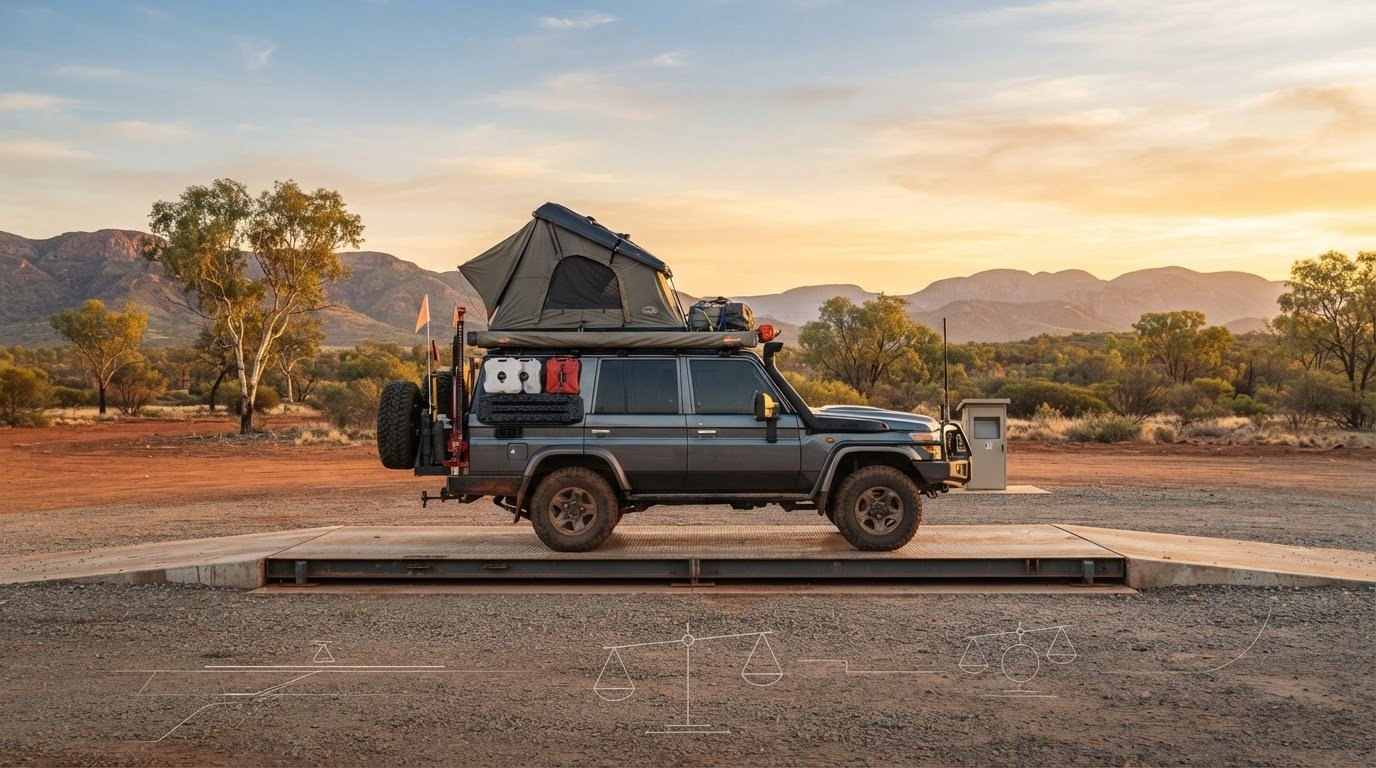
We believe that the best winter camping gear australia is equipment that never ends up in a landfill. Our community values durability over fast-fashion outdoor trends because a “buy once, buy well” mentality is the most effective way to reduce our collective environmental footprint. When we evaluate kit for long-term remote reliability, we aren’t just looking at technical specs; we’re looking for gear that can be repaired in the bush and maintained for a decade of use. Investing in high-quality equipment isn’t just about personal comfort; it’s a commitment to responsible exploration that respects the rugged landscapes we love to visit. When you apply this same standard of excellence to your home, you can explore Residential Construction and Renovation Services to see how quality construction transforms a living space.
Sustainable Gear Selection
Selecting the right materials is a powerful way to vote for the future of our wild places. We prioritize brands that have transitioned to PFC-free DWR (Durable Water Repellent) coatings, which prevent harmful chemicals from washing into our pristine alpine waterways. Choosing the Responsible Down Standard (RDS) ensures that the insulation keeping us warm on a sub-zero night comes from ethically treated animals. We also champion manufacturers with robust repair programs within Australia, allowing us to patch a tear or replace a zip rather than discarding a high-performance shell. This focus on durability and repairability is the cornerstone of our gear philosophy.
Winter Safety and Preparation
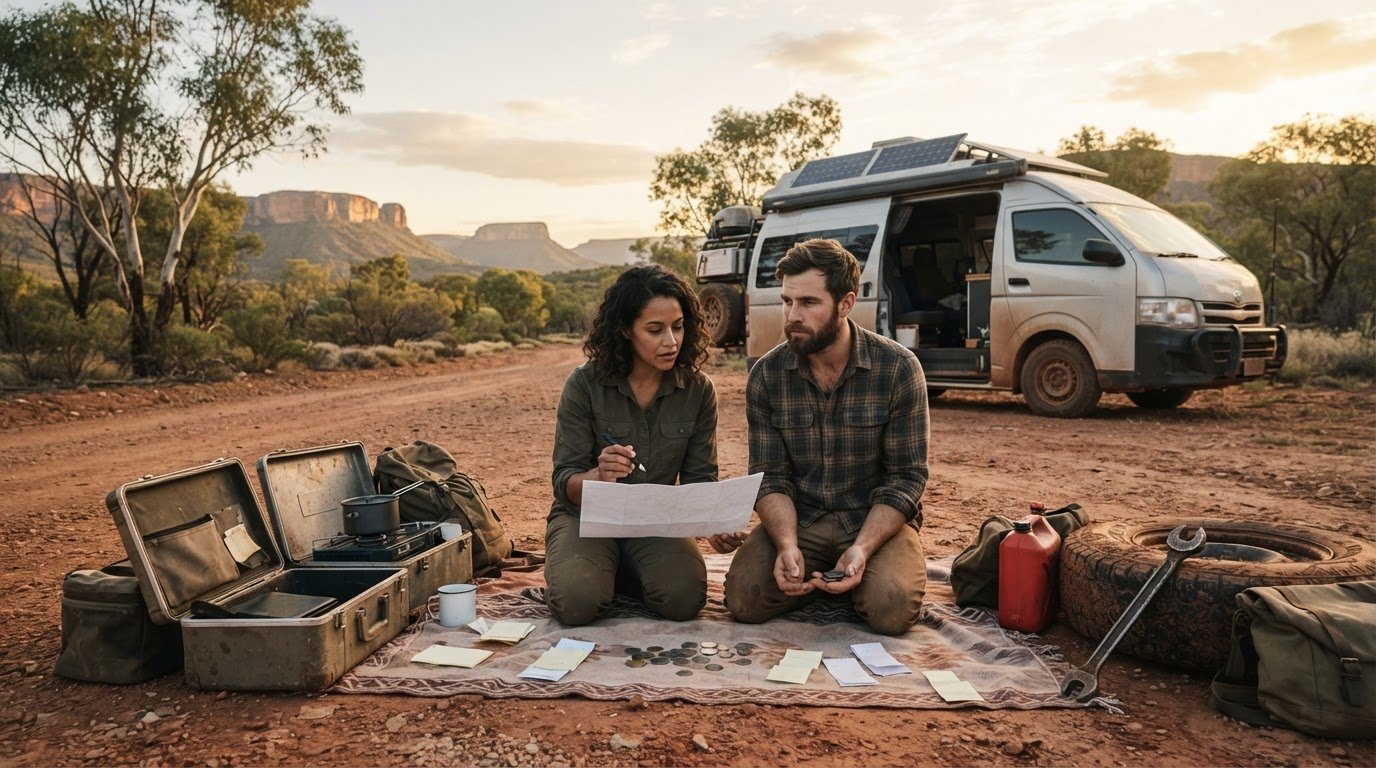
Self-reliance is the ultimate form of responsible exploration. In remote winter conditions, help can be days away, making satellite communication and Personal Locator Beacons (PLBs) essential components of your kit. Cold temperatures also significantly impact stove performance; we’ve found that canister pressure drops in the frost, so choosing liquid fuel or regulated stoves is a smarter, more efficient choice. As we look toward our 2026 remote escapes, planning for these technical details ensures we stay safe without placing undue strain on emergency services.
Winter camping presents unique Leave No Trace challenges, such as the permanence of fire scars on frozen ground. The seven Leave No Trace principles are our recognized standard for ethical camping, and in winter, this means being especially mindful of waste and campfire impacts. We always use raised fire pits or stick to gas stoves to ensure we leave the landscape exactly as we found it. To ensure your vehicle setup is as efficient as your clothing, you can explore our expert reviews on 4WD awnings to find the best wind protection for your next cold-weather expedition.
Ready for Your Next Frosty Expedition?
Mastering the bush in the colder months is all about moving from survival to comfort through a system-based approach. We’ve explored how ground insulation, moisture management, and vehicle-integrated setups like rooftop tents create a warm haven even when the mercury drops below zero. By choosing durable, ethically sourced winter camping gear australia, you aren’t just ensuring a better night’s sleep; you’re protecting the wild places we love to explore. It’s about self-reliance and having total confidence in your kit when you’re miles from the nearest sealed road.
Our community thrives on independent, peer-led gear evaluations that prioritize long-term reliability and sustainable travel practices. We’ve spent years testing this equipment in the high country and the red centre to bring you advice you can trust. Now it’s your turn to gear up and see the stars on a crisp, clear winter night. Explore our expert gear reviews to build your perfect winter setup and join us on the path toward responsible exploration. The bush is waiting for you!
Frequently Asked Questions
What is the best R-value for winter camping in Australia?
An R-value of 4.0 or higher is the gold standard for Australian winter camping. This rating measures the material’s thermal resistance to conductive heat loss from the ground. For 2026, we recommend looking for mats tested under the ASTM F3340-18 standard to ensure accuracy. If you’re heading into alpine regions, aim for an R-value above 5.0 or layer a closed-cell foam mat under your inflatable pad for maximum protection.
Can I use a 3-season tent for winter camping in the Australian Alps?
We don’t recommend using a standard 3-season tent in the high country during winter. While they handle light rain, they lack the structural integrity to withstand heavy snow loading or the piercing winds found in alpine zones. A 4-season tent features stronger pole structures and less mesh to retain heat. If you’re staying at lower elevations or coastal areas, a 3-season tent might suffice if paired with high-quality winter camping gear australia.
How do I stop condensation in my rooftop tent during winter?
Ventilation is the only way to effectively manage condensation in your rooftop tent. Even when it’s freezing, you must keep your upper vents open to allow moist air from your breath to escape. We also suggest using an anti-condensation mat under your mattress to prevent moisture from pooling. This creates a small air gap that allows the mattress to breathe, keeping your bedding dry and preventing mold growth over long trips.
Is down or synthetic better for Australian winter conditions?
Down provides the best warmth-to-weight ratio, but synthetic insulation is often more reliable in the damp Australian bush. High-quality down loses its insulating power if it gets wet from condensation or rain. If you choose down, look for “hydrophobic” treated versions and an RDS (Responsible Down Standard) certification. Synthetic fills are bulkier but continue to keep you warm even when damp, making them a hardy choice for coastal winter adventures.
Do I really need a 4WD for winter camping, or is a standard car okay?
You don’t strictly need a 4WD for all winter camping, but it’s essential for reaching the best remote spots. Many national parks in alpine regions require 4WD access during winter due to snow and muddy track conditions. A 4WD also allows you to carry heavier winter camping gear australia and provides a stable platform for rooftop tents. For coastal or established campgrounds, a standard car is fine, provided you check local track closures first.
What are the essential safety items for remote winter travel in Australia?
For remote winter travel, a Personal Locator Beacon (PLB) or satellite communicator is non-negotiable. Mobile reception is non-existent in most of the bush, and help can be days away. We also carry a comprehensive first aid kit, extra fuel, and a secondary source of warmth like an emergency space blanket. Always tell someone your specific route and expected return date before you leave the grid, as conditions can change rapidly.
How can I keep my feet warm while sleeping in a tent?
Keeping your feet warm starts with a pair of dedicated “sleep-only” wool socks that are kept bone-dry in your pack. Never sleep in the socks you wore during the day, as they contain moisture from sweat that will chill your feet. You can also place a hot water bottle (ensure it’s sealed tight) in the footbox of your sleeping bag. Avoid wearing tight socks, as they can restrict circulation and actually make your feet feel colder.
Are portable gas heaters safe to use inside a camping tent?
No, portable gas heaters are not safe for use inside a closed camping tent. They present a severe risk of carbon monoxide poisoning and are a major fire hazard in confined spaces. We advocate for building a better sleep system with high R-value mats and correctly rated bags instead. If you need extra warmth while awake, use your 4WD awning walls to create a wind-proof area and use the heater outside in the open air.