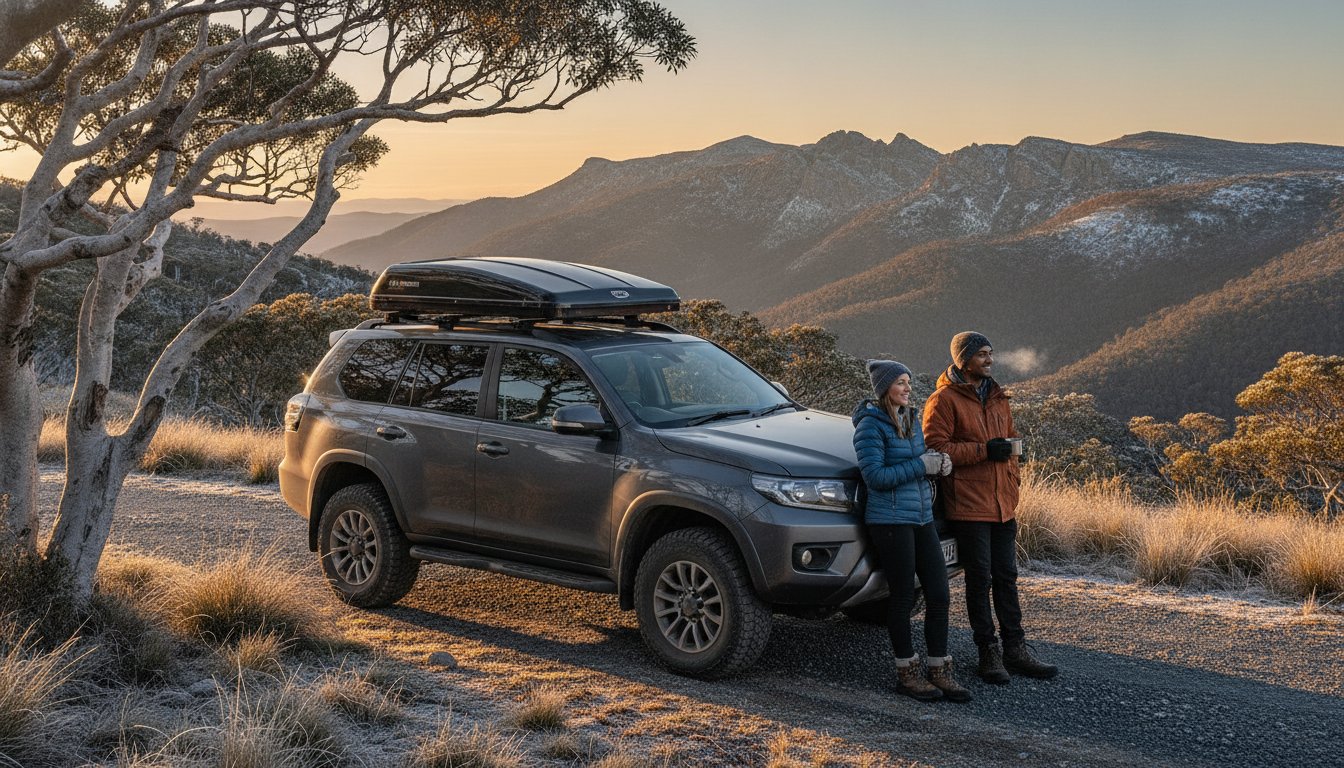
Your old soft shell tent isn’t just slowing down your morning coffee; it’s actively limiting how far you can push into the Australian outback. We’ve all been there, wrestling with heavy canvas in a gale or losing sleep as the wind turns your tent into a flapping sail. It’s frustrating when gear meant to provide freedom starts feeling like a chore. We believe that discovering the benefits of a hard shell roof top tent is the first step toward a more efficient, ‘set and forget’ camping lifestyle.
With the hard shell market now making up nearly 45% of the industry, more of our community members are ditching the struggle for tents that deploy in under a minute. We’re here to help you understand why this shift is the single most impactful gear decision for your 2026 touring setup. In this guide, we’ll show you how this upgrade delivers better weather protection and improved fuel efficiency while ensuring your gear stands up to the most remote tracks. We’re comparing the latest innovations to help you decide if it’s time to level up your rig and embrace a more sustainable way to explore our rugged backyard.
Key Takeaways
- We’ll explore how gas-strut assistance enables a 60-second camp setup, allowing you to focus on the destination rather than the gear.
- Discover how a rigid shell provides a superior windbreak and thermal insulation, ensuring a quiet night’s sleep in the harshest Australian conditions.
- Learn how a low-profile design reduces aerodynamic drag, potentially saving you fuel costs on long-haul expeditions compared to bulky soft shells.
- We’ll help you evaluate your travel style to determine if the long-term benefits of a hard shell roof top tent make it the right investment for your rig.
Table of Contents
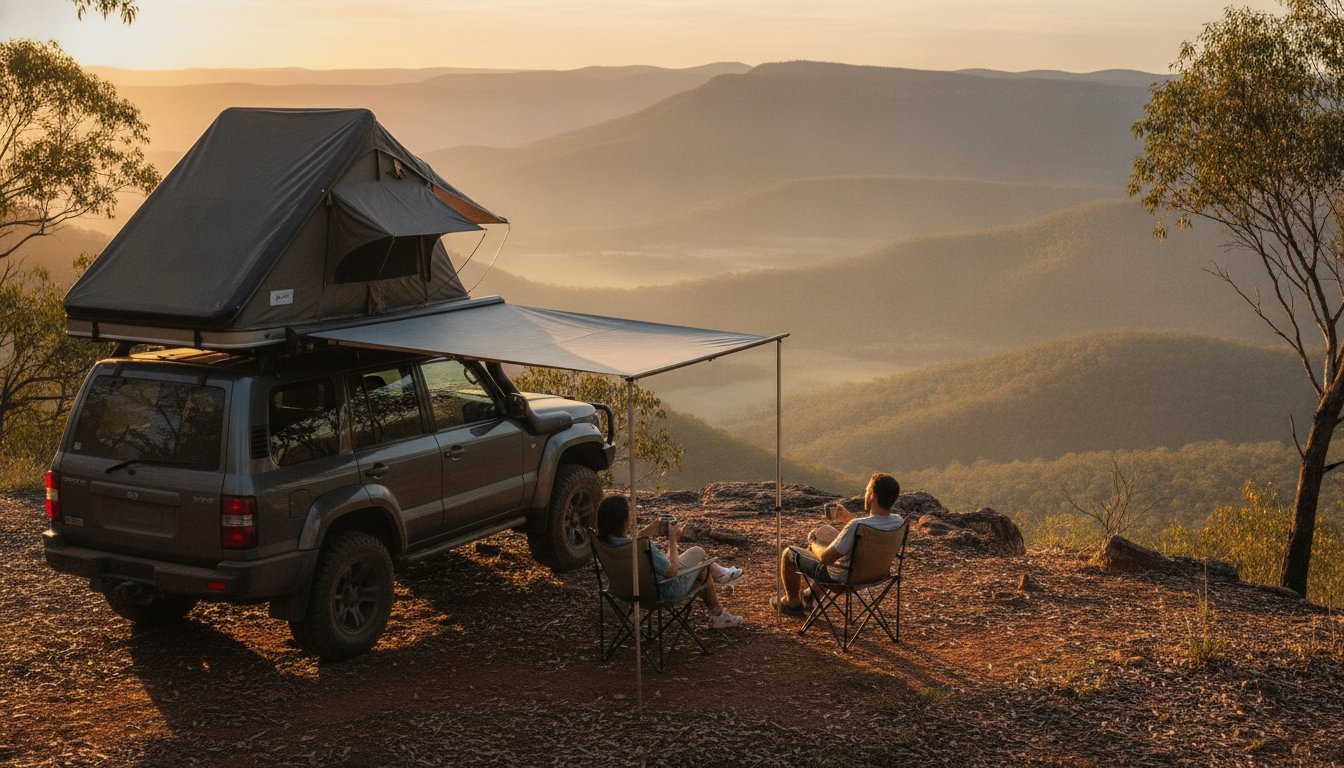
At its core, a hard shell roof top tent is a vehicle-mounted sleeping system protected by a rigid, permanent exterior. Unlike traditional soft shells that require you to wrestle with a PVC cover and manual poles, these units are encased in a durable shell made from aluminum, ABS plastic, or fiberglass. We’ve seen a massive evolution in how we camp over the last few years. By May 2026, hard shell designs have captured nearly 45% of the global market. This shift reflects our collective desire for gear that stands up to the brutal corrugations of the Oodnadatta Track while offering a faster transition from driving to dreaming.
The mechanics are where the magic happens. Most modern shells utilize gas-strut assistance, which means the tent practically opens itself once you release the latches. For our community of adventurers, this efficiency is why we consider the hard shell the gold standard for remote touring. It removes the friction of camp management, especially when you’re pulling into a site late at night or trying to beat an incoming storm. One of the primary benefits of a hard shell roof top tent is this sheer reliability; there are no complex poles to snap and no heavy canvas to fold in the wind. (Outdoor Gear Lab's comprehensive testing)
Wedge vs. Pop-Up: Choosing Your Shell Geometry
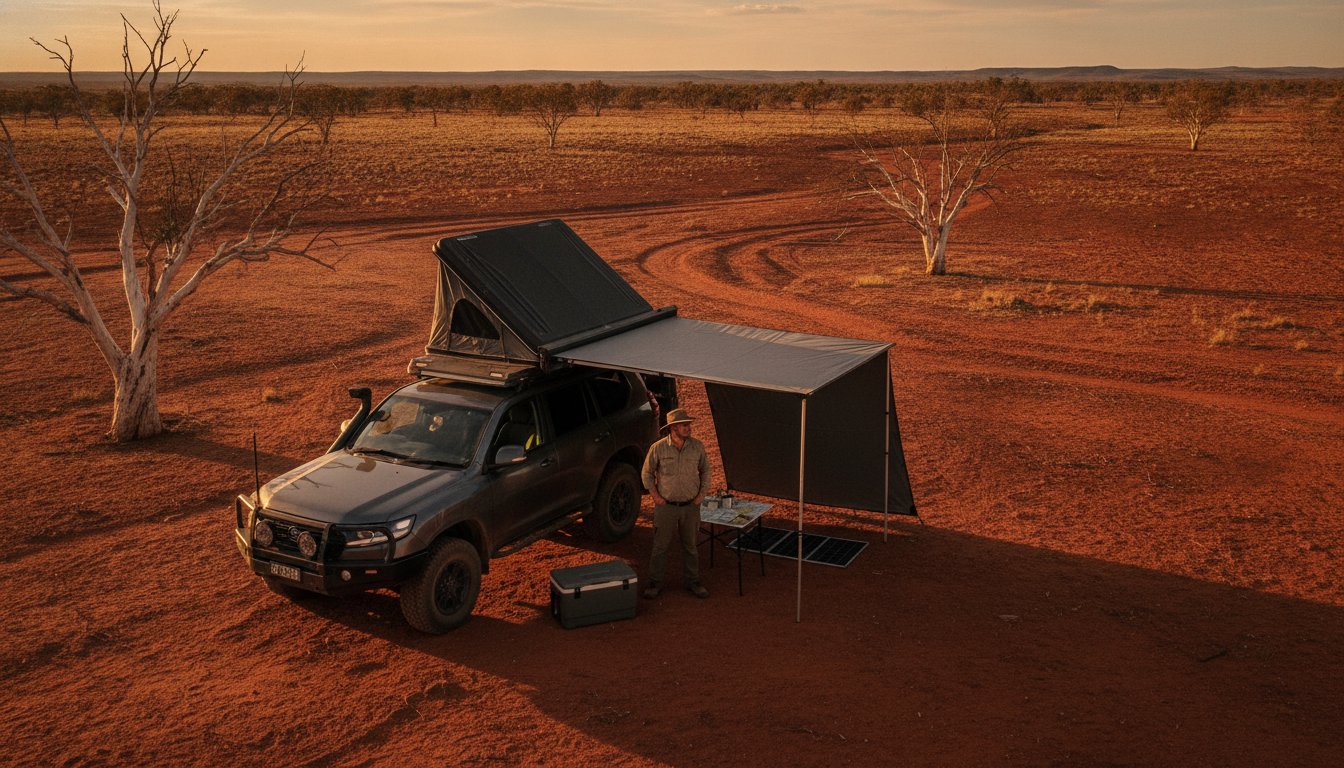
When you start looking at recommendations, you’ll notice two main shapes. The wedge style uses a single hinge point at the front. It’s incredibly popular because it acts as a natural windbreak; just point the low end into the breeze and you’ll sleep soundly. If you need more room to move, the pop-up or vertical lift style raises the entire roof level. This creates massive internal headspace and allows for a 360-degree view of your surroundings. We also see hybrid designs emerging in 2026 that fold out to provide extra floor space, making them a fantastic choice for growing families who still want a rigid roof.
Materials Matter: Aluminum, ABS, and Fiberglass
The material of your shell dictates how it handles the Australian sun and rough tracks. Aluminum is the pinnacle for heavy-duty 4WDing. It’s incredibly tough, easy to mount extra gear on, and handles the vibrations of corrugated roads without cracking. ABS plastic is a lighter, more cost-effective alternative. It’s great for smaller SUVs, though we always recommend checking that the manufacturer uses UV-stable coatings to prevent the shell from becoming brittle in our harsh climate. Fiberglass remains a classic choice for its excellent thermal insulation and sleek aesthetics, though it can be heavier than some of the newest composite materials hitting the market this year.
Engineered for the Elements: Durability and Weather Protection
We’ve all spent a restless night in the bush, listening to the relentless snap and pop of canvas while the wind tries to upend our camp. One of the most significant benefits of a hard shell roof top tent is its ability to act as a permanent, rigid windbreak. Because the walls are often under higher tension or replaced by solid panels, you don’t get the exhausting ‘flapping fabric’ noise that plagues traditional soft shells. This isn’t just about comfort; it’s about safety. A quiet night means better sleep, which ensures you’re alert and ready to tackle technical tracks the following morning without the fog of fatigue.
Our harsh Australian sun is a gear killer, but hard shell materials are built for the long haul. While PVC covers on soft shells often crack and fail after two years of UV exposure, an aluminum or high-grade ABS shell can thrive for a decade or more. These units also excel at keeping the elements out when you’re on the move. High-quality rubber gaskets create a dust-proof seal that prevents the notorious ‘red dust’ from infiltrating your bedding while you’re cruising down the Gibb River Road. For a deeper look at how these materials stack up, GearJunkie’s 2026 rooftop tent review highlights how premium shells now lead the way in extreme weather testing.
Acoustic Comfort: Sleeping Through the Storm
The physics of a rigid roof changes the camping experience entirely. Because the shell doesn’t vibrate in high-velocity winds, the internal environment remains surprisingly calm even during a coastal gale. Hard shell structures provide a massive decibel reduction by replacing vibrating canvas with rigid, sound-dampening panels that block external noise. We find that this silence helps us feel more connected to the environment without being battered by it. If you’re looking to upgrade your setup, checking out our latest roof top tents recommendations can help you find a model with the best acoustic ratings.
Protection from Flora and Fauna
On tight, overgrown tracks, your roof is often the first thing to hit low-hanging branches. A hard shell acts as a protective shield, deflecting timber that would easily tear a soft cover. This durability is also a win for the environment; choosing a tent that lasts ten years instead of two reduces landfill waste and the carbon footprint associated with manufacturing replacements. Beyond the flora, being elevated and encased in a solid shell keeps you well away from ground-dwelling critters and damp soil, providing a secure sanctuary no matter where we decide to drop anchor for the night.
The 60-Second Camp: Setup Efficiency and the Touring Flow
One of the primary benefits of a hard shell roof top tent is the psychological shift in how we approach our travels. When camp setup involves 15 minutes of wrestling with heavy PVC covers and manual hinges, you tend to stay in one place longer just to avoid the hassle. Hard shells change the game by enabling what we call the ‘Touring Flow.’ With a 60-second closure time, you’re more likely to take that sunset detour or push another 50 kilometers to a truly spectacular campsite. We’ve found that removing the physical barrier of a complex setup encourages more spontaneous exploration, which is exactly why we head into the bush in the first place.
The difference in effort is staggering. While a typical soft shell requires you to unzip a dusty cover, unfold the base, and set individual window stays, a hard shell uses gas-strut assistance to do the heavy lifting. You simply release a few latches and the tent pops into place. This efficiency isn’t just a luxury; it’s a massive advantage when you’re arriving at a site after dark or trying to beat an incoming storm. We’ve found that saving 14 minutes every morning and evening adds up to over seven hours of extra exploration time on a month-long expedition across the Nullarbor or through the Kimberley.
Leaving the Bedding Inside: A Game Changer
Storage is always at a premium in a 4WD, and one of the most practical benefits of a hard shell roof top tent is the ability to leave your pillows, sleeping bags, and doonas inside while closed. Unlike soft shells that often need to be empty to fold flat, these rigid designs maintain enough internal clearance for your entire sleep system. This ‘Bedding Bonus’ frees up massive amounts of internal vehicle space for recovery gear or water storage. It also means you’re in a ready-to-sleep state the moment you park. If you wake up to a heavy dew, simply wipe down the exterior shell before closing. The internal fabric remains protected, though we suggest popping the tent open for a quick air-out once you reach your next sunny destination to manage any trapped condensation.
Solo Traveler Friendly
We believe adventure should be accessible to everyone in our community. Hard shells eliminate the physical struggle of reaching over a lifted vehicle to pull on a stubborn cover. This makes remote travel far more manageable for solo explorers or those with limited upper body strength. There’s also a distinct security benefit. If you’re camping in a public rest area or a remote spot that feels a bit exposed, the ability to pack down and be on the move in under a minute provides vital peace of mind. For more details on which designs suit your specific rig, see our roof top tents guide for the latest model recommendations.
Aerodynamics, Fuel Economy, and Vehicle Performance
We’ve all felt that invisible hand pushing against the vehicle when driving into a headwind on the open highway. Traditional soft shell tents are often bulky, standing up to 40cm high even when packed. This creates a massive wall of wind resistance that forces your engine to work harder. One of the standout benefits of a hard shell roof top tent is its slim, low-profile design. Most modern units sit between 15cm and 20cm high, significantly reducing the frontal area of your vehicle. This streamlined shape allows air to flow over your rig rather than hitting it like a brick wall, which eliminates the annoying ‘whistle’ and ‘buffeting’ sounds that can make long transit days exhausting.
This aerodynamic advantage translates directly into real-world savings at the bowser. While any roof load impacts your range, switching from a bulky soft shell to a slimline hard shell can save you between 1 and 2 liters of fuel per 100km. If you’re planning a 20,000km lap of the country, those small gains add up to hundreds of dollars in saved fuel costs. For our community members transitioning to the next generation of electric 4WDs, these efficiency gains are even more critical. Every bit of drag reduction helps preserve battery range, ensuring you can reach those isolated campsites without range anxiety clouding the journey.
The ROI of Aerodynamics
Reducing the vertical profile of your roof load directly lowers the aerodynamic drag coefficient by streamlining airflow over the vehicle’s cabin. Beyond the immediate fuel savings, a more aerodynamic tent improves the overall handling of your vehicle at highway speeds. You’ll notice less wandering in crosswinds and a more planted feel when overtaking road trains. We believe that choosing gear that minimizes your environmental footprint through better efficiency is a core part of responsible exploration. Explore our detailed roof top tents reviews to find the most aerodynamic model for your rig.
Weight Distribution and Roof Load Limits
We need to talk about the weight penalty because hard shells generally weigh 20kg to 30kg more than their soft-sided cousins. While they are heavier, the weight is often distributed more evenly across your roof racks. It is vital to check your vehicle’s dynamic roof load limit, which is the maximum weight your roof can safely carry while the vehicle is in motion. Despite the extra kilograms, the lower center of gravity provided by a slim hard shell often results in better stability on off-camber tracks compared to a tall, swaying soft shell. Combine your tent with the best 4WD awnings for the ultimate shade setup that doesn’t compromise your vehicle’s balance.
Making the Switch: Is a Hard Shell Right for Your Adventure?
Deciding to upgrade your rig is a significant step in your journey as an explorer. While we’ve highlighted the technical benefits of a hard shell roof top tent, the final choice depends on how you actually spend your time in the bush. Are you a high-mobility tourer who rarely spends two nights in the same place? If so, the friction-free setup we discussed earlier makes this a non-negotiable upgrade. However, if you prefer to set up a massive base camp and stay stationary for a week, you might find that the extra internal space of a fold-out soft shell better suits your needs. We always encourage our community members to be honest about their travel habits before making the leap.
The Investment Mindset
It’s easy to look at the initial price tag and feel a bit of sticker shock. We prefer to view a hard shell as a long-term investment in your comfort and the planet. Because these units are built with robust materials like aluminum and reinforced composites, they hold their resale value exceptionally well on the used market. If you camp 50 nights a year, the cost per use drops significantly over a five-year period. More importantly, choosing a durable product that lasts a decade reduces the cycle of disposable gear that ends up in landfill. Use our travel planner to map out your first hard-shell expedition and see how much time you’ll save on the road.
Final Checklist Before You Buy
Before you commit, we have a few practical checks to ensure your vehicle is ready. First, measure your garage or carport clearance. A hard shell adds height, and while it’s slimmer than a soft shell, it can still be the difference between parking inside or on the street. You also need to confirm your roof rack or canopy is rated for the specific weight of a rigid shell. Many modern aluminum shells allow you to mount solar panels or recovery tracks directly to the roof, which is a massive win for self-reliance in remote areas. We love seeing our community members out on the tracks; don’t be afraid to strike up a conversation at a campsite to see these tents in action before you commit to your own roof top tents setup.
Ready to Transform Your Next Expedition?
We’ve seen how a simple shift in gear can redefine your entire touring flow. By prioritizing a 60-second camp setup and significantly better fuel economy, you’re not just buying a sleeping space; you’re investing in more time to explore our vast Australian landscapes. The benefits of a hard shell roof top tent extend far beyond simple convenience. These units offer a sustainable, durable solution that protects both your sleep quality and our environment by lasting years longer than disposable alternatives. We believe gear should be as hardy as the tracks you travel.
Our Australia-wide community of 4WD enthusiasts relies on real-world testing to separate the rugged from the redundant. We are dedicated to providing expert gear reviews that focus on sustainable, high-performance equipment built for the long haul. If you’re ready to leave the frustration of complex setups behind and embrace a more efficient way to travel, we’re here to guide the way.
Explore our expert-reviewed Hard Shell Roof Top Tents today!
It’s time to stop wrestling with your gear and start enjoying the destination. We’ll see you out on the tracks, ready for whatever the outback throws our way!
Frequently Asked Questions
Can I leave my bedding inside a hard shell roof top tent?
Yes, most modern hard shell designs allow you to leave your pillows and sleeping bags inside when the unit is closed. This is one of the standout benefits of a hard shell roof top tent for those wanting to reclaim internal vehicle space. Just ensure you spread the bedding evenly across the mattress to avoid putting uneven pressure on the latches or the shell itself during closure.
How much does a hard shell roof top tent affect fuel consumption?
You can expect a fuel consumption increase of approximately 1 to 2 liters per 100km depending on your vehicle type and highway speeds. While any roof load creates drag, the slim, aerodynamic profile of a rigid shell is far more efficient than a bulky soft shell. This helps minimize the impact on your long-distance touring budget while reducing your overall carbon footprint on the road.
Are hard shell roof top tents better in high winds?
Yes, hard shell tents are significantly more stable and quieter in high winds than traditional canvas models. The rigid roof acts as a permanent shield, and because the walls are under higher tension, the exhausting flapping noise is virtually eliminated. Pointing the hinge of a wedge-style tent into the wind provides the best acoustic comfort and structural protection during a storm.
Is a wedge-style or pop-up hard shell tent better?
The choice depends on whether you prioritize wind resistance or internal living space. Wedge-style tents are simpler and handle high winds better due to their natural aerodynamic shape. Pop-up tents provide more vertical headspace and a panoramic 360-degree view. This makes them a great choice for community members who enjoy spending more time relaxing inside the tent rather than just sleeping.
How do I maintain the gas struts on my hard shell tent?
Maintaining your gas struts involves keeping the chrome shafts clean and ensuring the mounting points are free from red dust and grit. Wipe the shafts with a clean, dry cloth occasionally to protect the internal seals from damage. Don’t apply heavy grease or oil; these substances attract dirt which can lead to premature failure of the strut mechanism over time.
Can one person set up a hard shell roof top tent alone?
Yes, one person can easily set up and pack down a hard shell tent in under a minute without any assistance. The integrated gas struts do almost all the heavy lifting once you release the safety latches. This makes it a perfect solution for solo travelers who want to avoid the physical struggle of wrestling with heavy PVC covers and complex manual folding hinges.
Do hard shell roof top tents get too hot in the sun?
Modern hard shell tents utilize insulated roofs and high-quality breathable fabrics to manage internal temperatures effectively. While any enclosed space gets warm in direct sun, the rigid shell often reflects more heat than dark canvas covers. Utilizing the large windows for cross-ventilation is the best way to keep your sleeping area cool and comfortable during a classic Australian summer night.
What is the life expectancy of a quality hard shell tent?
A high-quality hard shell tent should last between 10 and 15 years with proper care and basic maintenance. The durable materials like aluminum or UV-stable ABS are specifically designed to withstand the harsh Australian sun and relentless corrugations. Investing in a premium model is a great way to experience the long-term benefits of a hard shell roof top tent while reducing environmental waste.