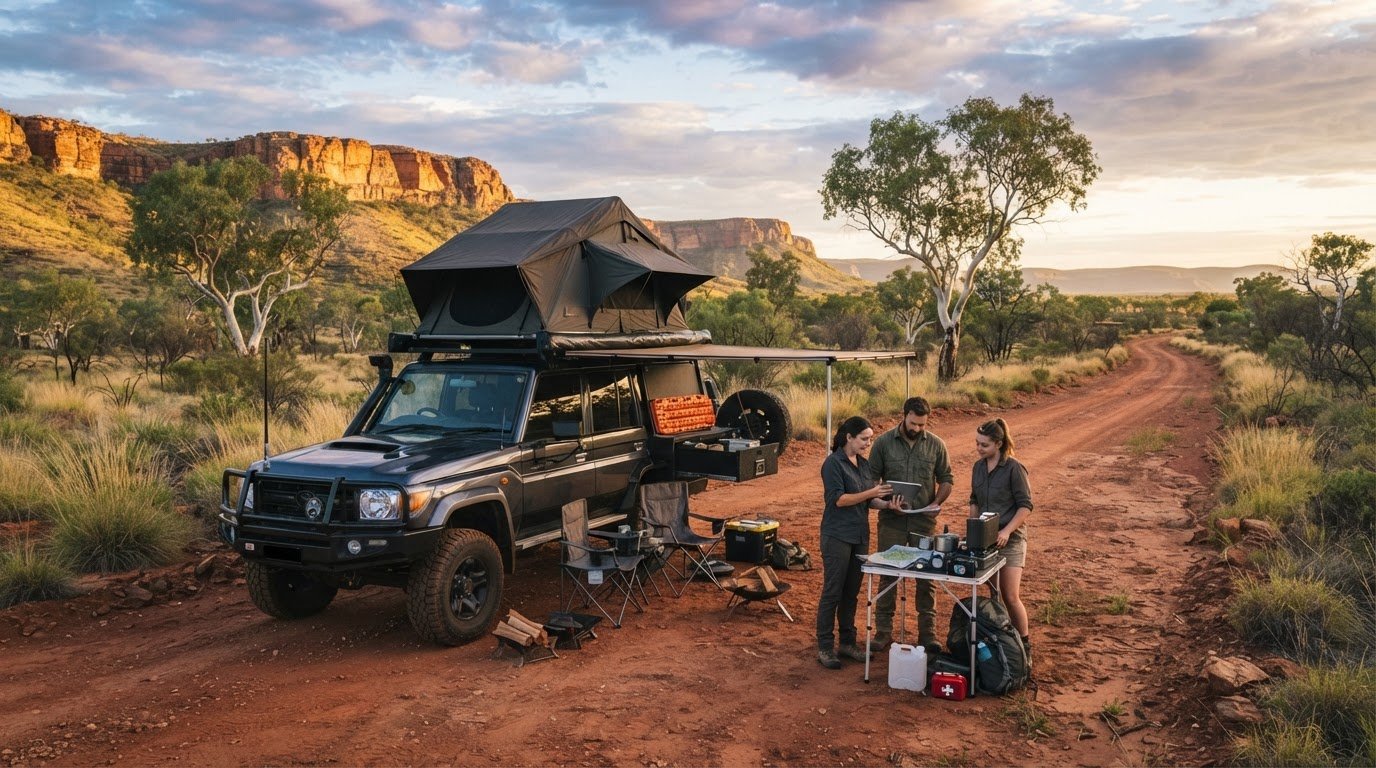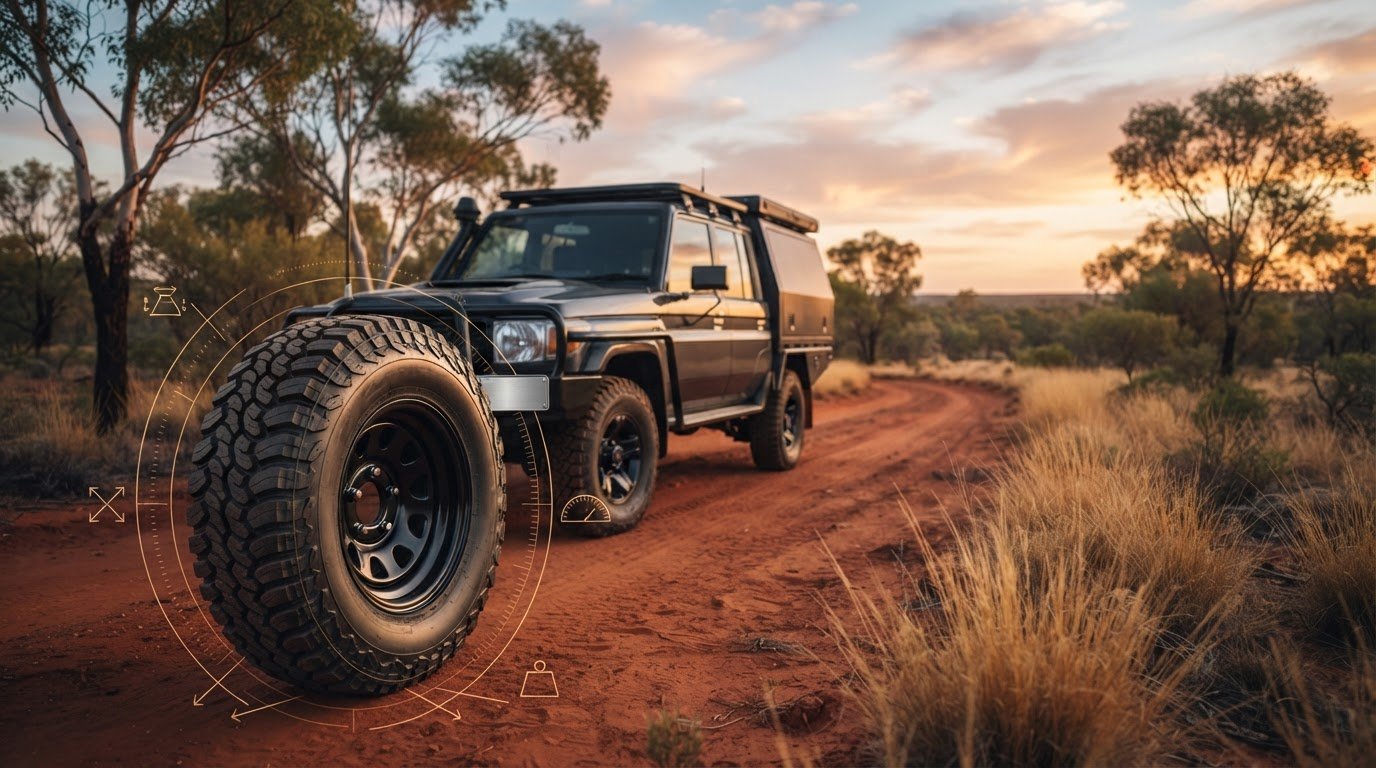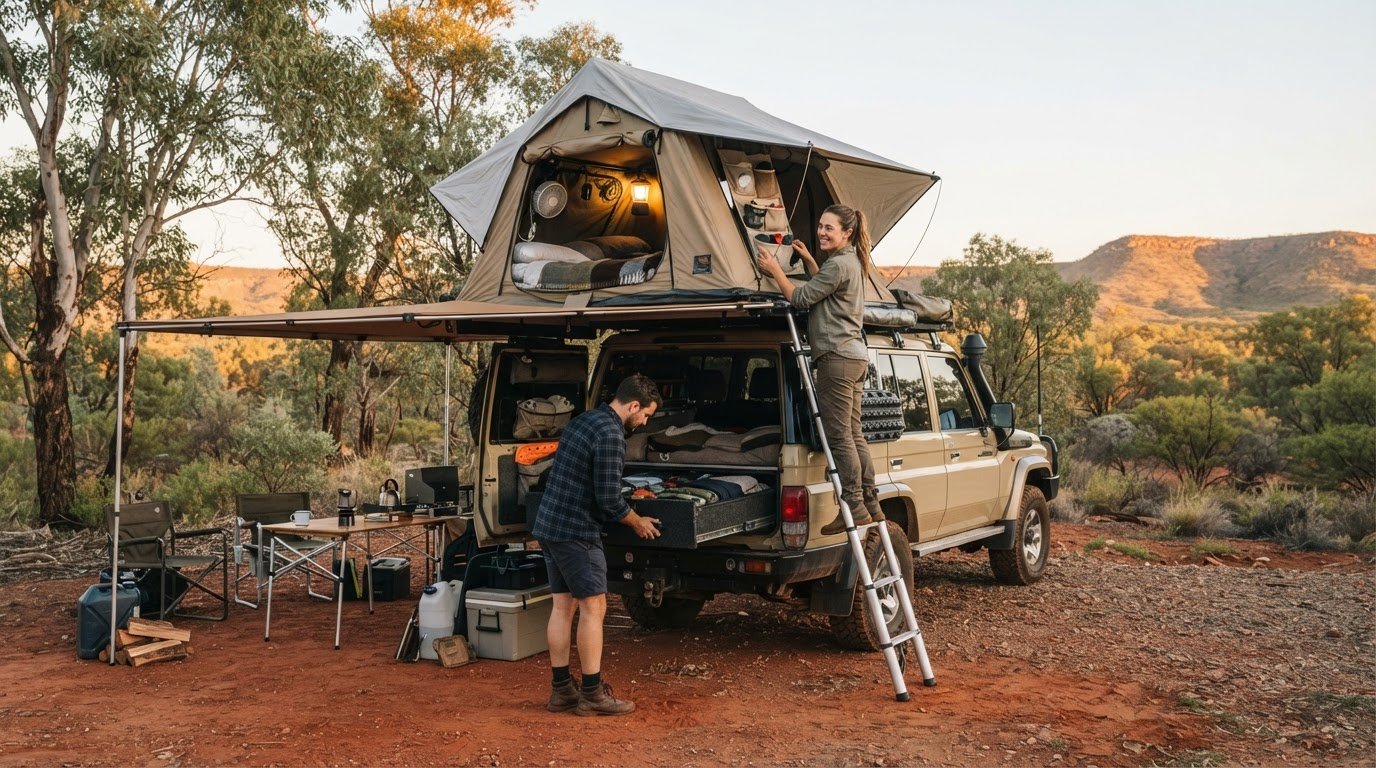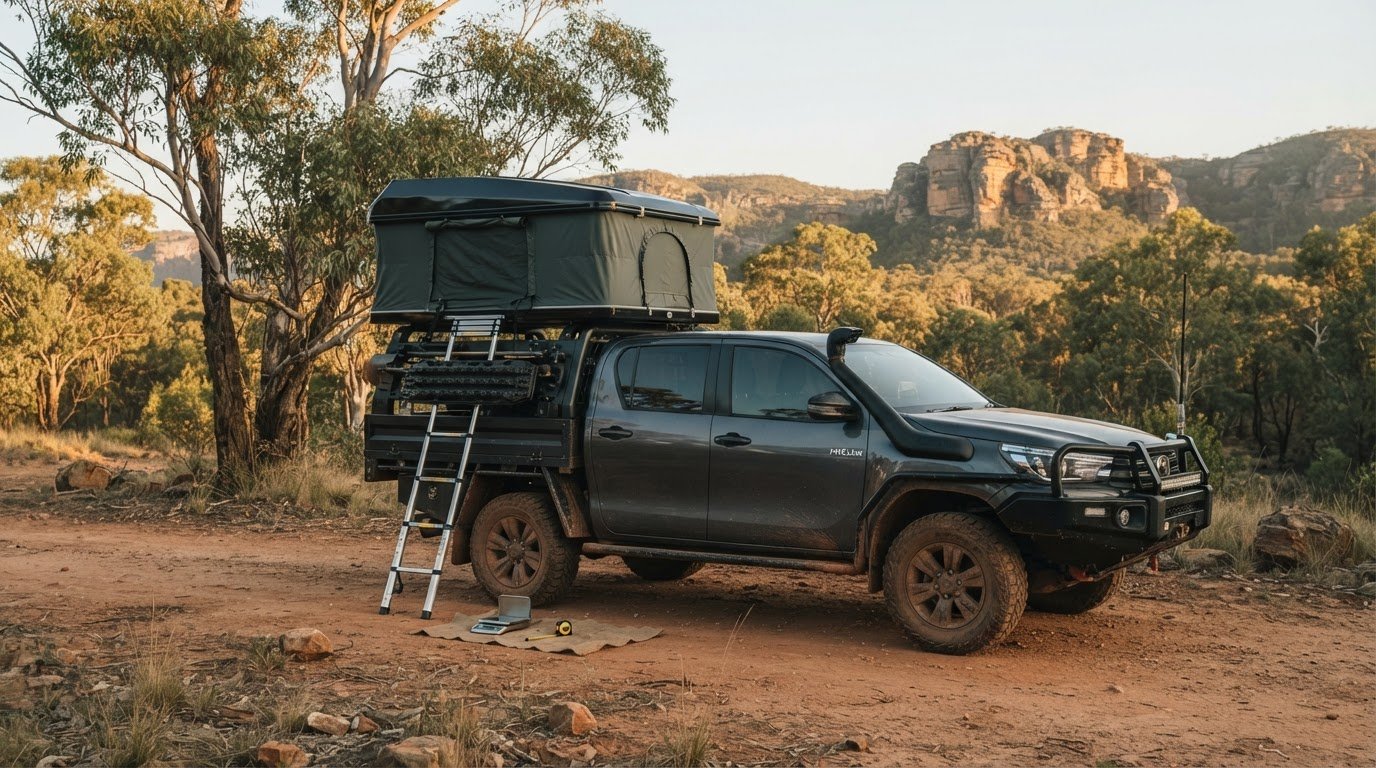
The best off-grid camp isn’t always the most remote one. It’s the place that suits your vehicle, experience and appetite for self-reliance. Finding the best off grid camping spots australia has to offer takes more than chasing a pin on a map. Off-grid camping can mean quiet nights and big skies, but it doesn’t automatically mean a site is free, open to everyone or safe in every condition.
This 2026 guide explains what off-grid camping looks like in practice and how to choose a setting that suits your trip. Compare access, facilities, remoteness and communications, then prepare for changing conditions without packing gear you won’t use. We’ll also cover how to check current land-manager rules and camp with care. Whether you’re travelling in a 4WD or choosing a more accessible escape, the aim is the same: make a sound plan, travel self-sufficiently and leave your campsite in good condition.
Key Takeaways
- The best off grid camping spots australia offers depend on the landscape and the level of challenge you’re ready to take on.
- Compare access, facilities, remoteness, camping rules and environmental sensitivity before choosing a site.
- Match the route to your vehicle’s capability, and plan for changing conditions and limited communications.
- Prepare essentials such as water, navigation, first aid and waste-management supplies, then share your itinerary before you leave.
- Choose between a rooftop tent and a ground-based setup based on your vehicle, passengers, weather exposure and storage needs.
Table of Contents
What makes an Australian camping spot truly off-grid?
Off-grid camping means staying somewhere with limited or no conventional facilities, so you need to meet more of your own needs. It can range from a basic vehicle-accessible site to a secluded camp that requires careful route planning and greater self-reliance. There isn’t one fixed level of remoteness that defines it.
That distinction matters when you’re looking for the best off grid camping spots australia can offer. A remote campsite may still have toilets or another managed service, while a site closer to other travellers may have no water, power or rubbish collection. Compare the actual facilities and consider how independently your group can camp, rather than treating “remote” and “off-grid” as interchangeable.
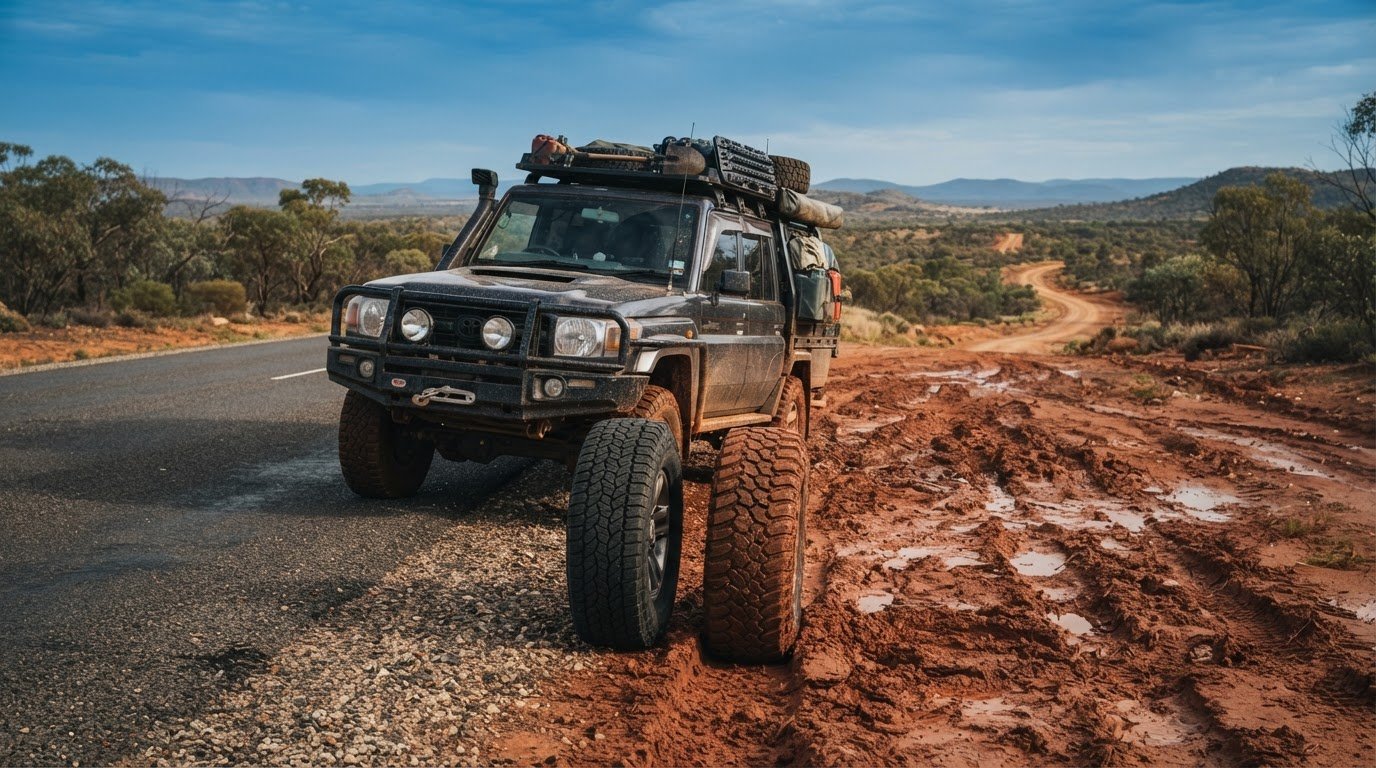
For a practical look at how access conditions can shape a remote camping trip, watch this video:
Self-sufficient camping and managed camping can both make for a rewarding stay. A managed campground may provide useful infrastructure and clear site information. A more basic camp can offer extra solitude, but you’ll need to carry supplies and manage your waste. Neither option is automatically better. Choose based on your comfort, preparation and the needs of everyone travelling with you.
What facilities and services might be missing?
Don’t assume a campsite has the basics. Water, toilets, power, rubbish collection and mobile reception vary, and details can change with access conditions or site management. Before leaving, check current facilities and camping permissions with the relevant land manager. If services aren’t available, work out how much water and food to carry, how to handle rubbish and how you’ll manage without power or reception.
- Water: Carry enough for your group if a reliable supply isn’t available.
- Toilets and rubbish: Be prepared to manage waste responsibly when facilities and collection aren’t provided.
- Power and reception: Plan for essential devices and navigation without assuming you can recharge or connect.
Which off-grid camping style suits your experience?
Vehicle-accessible camping can be a sensible first step, especially for families or groups with mixed experience. More remote trips may involve rougher access, fewer services and greater demands on your preparation. Match the route to your vehicle’s capability, your group’s needs and the conditions you’re prepared to handle. A capable 4WD doesn’t replace sound planning or suitable driving experience.
For a first outing, choose a manageable route, find out what the access involves and set a clear backup plan. Identify where you could turn around or change plans if conditions shift, and make sure everyone understands the itinerary. Build experience gradually. The goal isn’t to reach the most isolated camp, but to enjoy the trip safely and leave the place in good condition.
Best off-grid camping spots in Australia by landscape and experience
Australia’s off-grid camping experiences span salt air, open woodland, dry country, high-altitude terrain and lush forest. Each landscape brings different demands. The best off grid camping spots australia has to offer are the ones that suit your timing, comfort level and preparation, not simply the ones that look most isolated in a photo.
Landscape type influences the conditions you may face, the supplies you’ll need and how much flexibility your trip requires. These categories are a starting point, not a promise of access, permission to camp or available facilities. Rules and conditions vary by site, so check them with the relevant land manager.
Match the landscape to your preferred camping experience
Start with the conditions you’re comfortable managing, then consider the terrain and likely exposure. Season, trip length and group needs matter too. A setting that suits an experienced crew for a short stay may be less comfortable for a first outing or a longer trip.
- Coastal: Open skies and ocean views can be appealing, but wind, salt exposure and changing tides may affect comfort and access. Prepare for exposure and check conditions for the specific site.
- Bush: Woodland and scrub offer a sheltered-feeling escape, though tracks and ground conditions vary. Plan to be self-sufficient and check for fire-related restrictions or closures before departure.
- Desert: Wide horizons and a sense of solitude come with significant exposure to heat, cold and limited services. Carry extra water, plan your route carefully and set a realistic turnaround point.
- Alpine: Cooler conditions and rugged terrain can make for a striking trip, but weather can change quickly. Check forecasts and access updates, and pack for shifting temperatures.
- Rainforest: Dense vegetation and a damp environment offer a different kind of immersion. Expect humidity, wet gear and potentially slippery access, and plan how to keep essentials dry.
Self-sufficiency may also mean planning how to power essential devices. The Government of South Australia explains off-grid energy systems in Australia, which is useful background as you work out what energy your trip actually requires. Keep your setup proportionate: extra equipment takes space and needs to be secured for travel.
Use a shortlist you can check before departure
Build your shortlist using reliable, current information rather than treating an online description as confirmation. For each option, record the land manager, access route, camping rules and the date you last checked each detail. Keep confirmed information separate from personal notes such as “looks quiet” or “seems suitable for our group.” This helps prevent a preference from being mistaken for permission or fact.
- Confirm whether camping is permitted and note any restrictions or closures.
- Check the access route against your vehicle and the conditions you’re prepared to drive in.
- Recheck key details close to departure, especially if weather could affect the route.
For a longer journey, connect potential camps into a practical route with realistic travel days and alternatives. A little itinerary planning helps you choose places that fit the trip, rather than forcing the trip to fit a list of tempting spots.
How to compare off-grid campsites before choosing one
A campsite can look ideal online and still be wrong for your vehicle, group or comfort level. Compare the practical details side by side before committing. This makes it easier to spot information gaps and decide whether a site’s solitude is worth the extra preparation it may require.
Access: Confirmed route and current road conditions | Facilities: Verified water, toilets, power and waste options
Remoteness: Distance from services and likely communication limits | Rules: Permission, restrictions and closures to verify
Environment: Sensitivity of the area and guidance for minimising impact
Treat each item as a decision point, not just a tick-box. A rough track may rule out a low-clearance vehicle, while a long distance from services may not suit a group with limited remote-camping experience. Don’t assume a four-wheel drive makes every route suitable. Match the terrain and expected conditions to your vehicle, driving skills and passengers. If access information is unclear, choose an alternative.
Check access, permissions, and current conditions
Start with the relevant land manager’s current guidance on camping permission, access and site conditions. Look for closures, road updates, fire restrictions and weather information before departure, then review them again as your trip approaches. A saved map, older review or social post can help you discover options, but it doesn’t confirm that a route is open or camping is currently permitted.
Mark unknown or changeable details in your shortlist as verify before travel. Note when you checked each source, and don’t treat an unverified facility or access claim as a planning fact. This simple habit can help you catch outdated information before it becomes a problem on the road.
Compare comfort, risk, and environmental sensitivity
Consider what remoteness means for your particular group. If a site is far from services, plan for limited water access, weak or absent reception, challenging terrain and fewer easy exit options. Think through a practical route out, including what you’d do if conditions change or someone needs to leave early. Solitude is a bonus only when the level of self-reliance feels manageable.
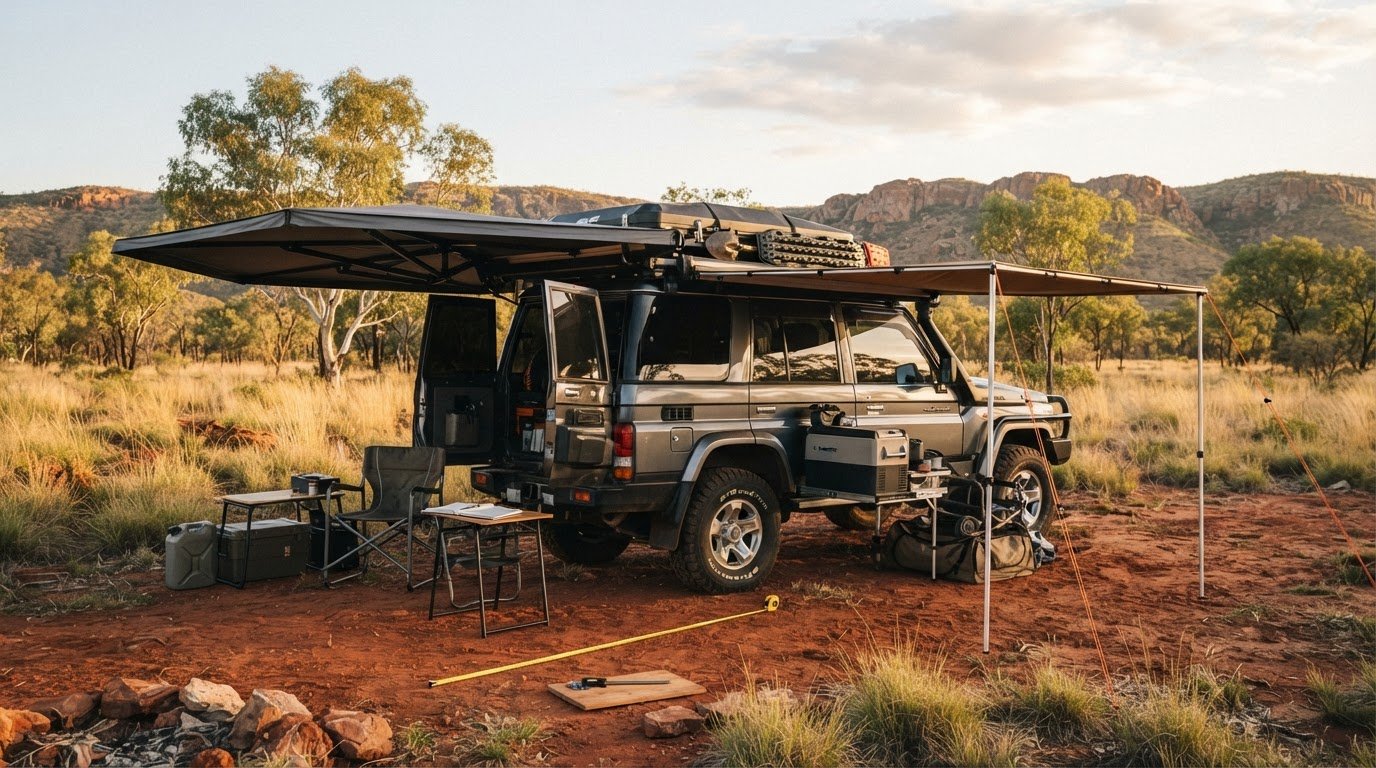
Choose established, permitted sites where possible, and avoid fragile or restricted areas. Stay on authorised access routes, keep camp activity within appropriate areas and pack out your waste. If wind and sun protection factor into your campsite comparison, explore practical 4WD awning options as one part of your setup planning.
Use your shortlist to compare suitability, not to crown one universal winner. The best off grid camping spots australia offers will vary with vehicle capability, current conditions and the needs of your crew. Choose the option where access, rules, risk and environmental care all make sense together.
Plan an off-grid camping trip safely and responsibly
Good preparation helps turn a remote escape into a trip you can enjoy with confidence. Conditions, access and services can change, so build your plan around current information and what your group can handle, not just the camp’s appeal.
A backup plan matters because a closed route, vehicle issue or change in conditions can quickly alter your options, especially when reliable services are limited. Work through this sequence before you set out:
- Confirm permission and restrictions. Check current camping rules, access, closures, weather and fire restrictions with the relevant land manager. Fire use depends on current restrictions, site rules and conditions. Never assume a campfire is allowed.
- Plan the route and an alternative. Review the route, identify a practical exit and choose a backup destination in case access changes or the site is unsuitable.
- Pack water and food conservatively. Allow for your group’s needs and unexpected delays. Don’t rely on a supply being available unless it’s verified for your trip.
- Prepare for health and navigation needs. Carry a suitable first-aid kit, know how to use its contents and bring navigation tools that don’t depend on mobile reception.
- Plan communications and power. Check expected reception and choose a communication option suited to your route and level of remoteness. Plan how to power essential devices away from mains electricity.
- Check vehicle readiness. Match the vehicle to the route and inspect key systems before departure. Carry tools and recovery equipment appropriate to your experience and planned terrain.
- Share your itinerary. Give a trusted person your route, destination and expected return, and agree on what they should do if you don’t check in as planned.
Prepare for limited services and changing conditions
Pack for a realistic delay, not only the expected trip length. Recheck weather and access updates before leaving, and be ready to change plans if conditions exceed your group’s capability. A downloaded map can support navigation where reception drops out, but carry a suitable backup method too. Keep essential supplies accessible, and make sure everyone knows the plan and how to respond if it changes.
Leave the campsite ready for the next traveller
Pack out rubbish and follow land-manager guidance for human waste and wastewater. Secure food, never feed wildlife and avoid disturbing animals. Respect cultural significance, closures, vegetation and other campers’ space. Stay within permitted areas and leave the site as you found it, or better. These habits protect sensitive places and help keep the experience welcoming for everyone.
Ready to plan your next responsible escape? Explore more Australian camping and adventure guides for trip ideas and practical preparation tips.
Choose the right camping setup for your off-grid Australian trip
Your setup should work with the trip you’ve planned, not add avoidable complexity. Consider your vehicle’s carrying capacity, passenger needs, likely weather exposure, trip length and available storage. A short drive-in stay with plenty of room for gear calls for a different arrangement from a long route where every item competes for space.
The best off grid camping spots australia offers can involve very different conditions, so choose a setup that keeps your group sheltered and rested while staying within your vehicle’s limits. Rooftop tents can suit vehicle-based travel, while ground-based camping may better fit travellers who want more flexibility about where they sleep. Neither is the right choice for everyone.
Rooftop tents and ground-based camping setups
A rooftop tent keeps the sleeping area off the ground and can make camp setup convenient once it’s fitted to your vehicle. But it depends on vehicle access, adds equipment to the load and may not suit every passenger or campsite. Ground-based setups don’t require an elevated sleeping platform, but you’ll need to choose and prepare a suitable place to pitch. Compare rooftop tent reviews and recommendations to understand the options before deciding what fits your travel style.
Think through the full routine: how long setup and pack-down take, whether everyone has a comfortable sleeping arrangement, and how often you’ll move camp. Before departure, check your vehicle’s load limits and follow the equipment manufacturer’s instructions for fitting, use and care. Don’t assume a setup is suitable just because it fits on the vehicle; the combined load and planned route matter.
Shelter, power, and packing for self-sufficient travel
Build your kit around dependable shelter, lighting, weather-appropriate clothing and recovery basics suited to your route and experience. At exposed camps, reliable shade can make resting and cooking more comfortable. Compare 4WD awning reviews and recommendations as part of planning shelter, while remembering that an awning adds bulk and needs to suit your vehicle and intended use.
Keep power planning realistic. List the devices you genuinely need, consider how you’ll recharge them without campsite services, and avoid relying on a single source for essential navigation or communication. Pack clothing and shelter for the conditions you expect, with room for changes in the forecast.
- Vehicle and storage: Check that the setup and packed gear suit the vehicle’s limits and leave essential items accessible.
- Passengers and sleep: Match sleeping arrangements to your group’s needs and comfort, not just the campsite photo.
- Trip length and weather: Prioritise gear that serves the itinerary and the conditions you’re preparing for.
- Waste and impact: Bring reusable essentials where practical, secure food and pack out rubbish.
Be selective. Extra gear takes space, adds weight and can slow camp routines, so leave behind equipment that doesn’t serve your route or group. For more ideas on choosing a setup for remote travel, explore Adventurerz’s rooftop tent and outdoor guides.
Make your next off-grid trip your own
Your first off-grid adventure doesn’t need to be the biggest or most remote. Choose a trip that leaves room to learn, notice the landscape and build confidence at your own pace. The best off grid camping spots australia has to offer are the ones that inspire you to explore while helping you travel within your limits and care for the places you visit.
As you plan, think beyond the destination: what would make camp comfortable, what could you leave behind, and how can your choices reduce your impact? Small, considered decisions can create better experiences for your group and for the travellers who come after you. That’s how we help keep Australia’s wild places worth returning to.
Ready for your next idea? Explore practical Australian adventure guides and camping gear recommendations, and join a community that values responsible travel as much as the journey itself. Start planning your next trip with Adventurerz.
Frequently Asked Questions
What does off-grid camping mean in Australia?
Off-grid camping generally means staying somewhere with limited or no conventional services, so you bring the supplies and equipment you need. For example, a campsite might have a marked area but no drinking-water point or rubbish collection. The label doesn’t tell you how far away other people are, whether camping is allowed or what facilities are provided. Check current land-manager guidance and plan for the actual conditions.
Is free camping the same as off-grid camping?
No. “Free” describes whether you pay a camping fee; “off-grid” describes the services or facilities available. A no-fee site could still provide amenities, while a remote campground may charge a fee or require a booking. Before setting off, check the land manager’s current information for costs, permissions and facilities. Don’t assume a site is unrestricted just because it’s described online as free, remote or secluded.
Can you camp off-grid in Australia without a 4WD?
Yes, some permitted campsites may be accessible in an ordinary vehicle, but suitability depends on the route and current conditions. Check road information and weather, and consider ground clearance, surface and your driving experience before committing. For example, a route that’s manageable in dry conditions might become unsuitable after heavy rain. If access requirements aren’t clear, choose a designated alternative that matches your vehicle’s capability.
How do I find legal off-grid campsites in Australia?
Start with the relevant land manager’s current camping and access information. Confirm that camping is permitted, whether booking or a permit is required, and whether closures or fire restrictions apply. Older guidebooks, map pins and social posts can help you discover options, but they aren’t proof that access or rules remain current. If you can’t establish permission or route status, choose a clearly designated alternative rather than taking a chance.
What should I pack for an off-grid camping trip?
Pack water, food, first-aid supplies, navigation tools, suitable clothing, lighting and power for your itinerary, plus a buffer for delays. Bring a way to manage rubbish and wastewater in line with local guidance, and choose communication equipment appropriate to the trip. Match each item to a need, such as expected weather, route, group requirements or a lack of facilities. Test essential equipment before leaving.
Is off-grid camping safe for beginners?
It can be, if you begin with a manageable, permitted campsite and prepare for the conditions. The best off grid camping spots australia has for a first trip aren’t necessarily the most isolated; prioritise straightforward access and a clear alternative plan. Travel with people whose experience complements yours, and practise using navigation and essential equipment before relying on them outdoors. Follow current land-manager advice and turn back if conditions exceed your ability.
Can I have a campfire at an off-grid campsite?
Only if the land manager allows it and current fire restrictions and conditions permit one. Rules can change with weather, local risk and seasonal closures, so a previous visitor’s fire or an old campsite photo isn’t reliable guidance. Check official information close to departure and use designated facilities if provided. Carry an alternative cooking method so your meal plan doesn’t depend on a fire being allowed.