The tyres built for your toughest track might be the wrong choice for the rest of your tour. If most of your kilometres are on sealed roads, an aggressive mud-terrain tread can bring trade-offs in comfort, noise and fuel use, even when its extra grip is useful in deep mud. It’s a real balancing act, especially when your 4WD is loaded for a long trip. The mud terrain vs all terrain tyres pros and cons become clearer when you focus on the conditions you drive most, not the occasional challenge you might face.
Both tread types can suit Australian touring, but neither is automatically the safer or smarter fit for every vehicle and route. This guide compares their traction, road manners, durability and performance across mixed surfaces, then helps you match a tyre type to your usual tracks and trip frequency. It also covers practical checks such as load requirements, tyre size, condition and wet-road behaviour, so you can make a considered choice for your whole setup.
Key Takeaways
- Compare mud terrain vs all terrain tyres pros and cons against the surfaces you drive most, rather than choosing for an occasional extreme track.
- Understand how tread patterns influence grip on mud, gravel and sealed roads, and what those differences can mean for comfort and noise.
- Use your daily driving, touring routes and frequency of muddy tracks to narrow down the tread type that best suits your 4WD.
- Check tyre fitment and specifications against your vehicle and loaded touring setup before making a decision.
- Prepare for changing track conditions with tyre inspections and pressure guidance suited to your vehicle, tyres and route.
Table of Contents
- Mud Terrain vs All Terrain Tyres: What Actually Separates Them?
- Mud Terrain Tyres: Pros, Cons and the Conditions They Suit
- All Terrain Tyres: Pros, Cons and Mixed-Route Touring
- How to Choose Between Mud Terrain and All Terrain Tyres
- Before Your Next Trip: Fitment, Pressure and Responsible 4WD Preparation
Mud Terrain vs All Terrain Tyres: What Actually Separates Them?
Mud terrain (MT) tyres use an open, aggressive tread pattern designed to find grip in soft ground. All terrain (AT) tyres aim to handle a broader mix of sealed roads, gravel and off-road tracks. The difference isn’t simply how chunky a tyre looks. Tread layout affects how the tyre engages with the ground, and each design makes a different compromise between specialised loose-surface traction and everyday versatility.
Three features help explain the pattern. A tread block is a raised section of rubber that contacts the road or track. A void is the gap between those blocks. The sidewall is the tyre’s outer side, between the tread and wheel rim. Blocks and voids affect how a tyre grips and sheds loose material, while the sidewall is relevant when considering construction and intended use. For a broader introduction to off-road tyre design, see Off-road tire.
How mud terrain tyre tread is designed for loose surfaces
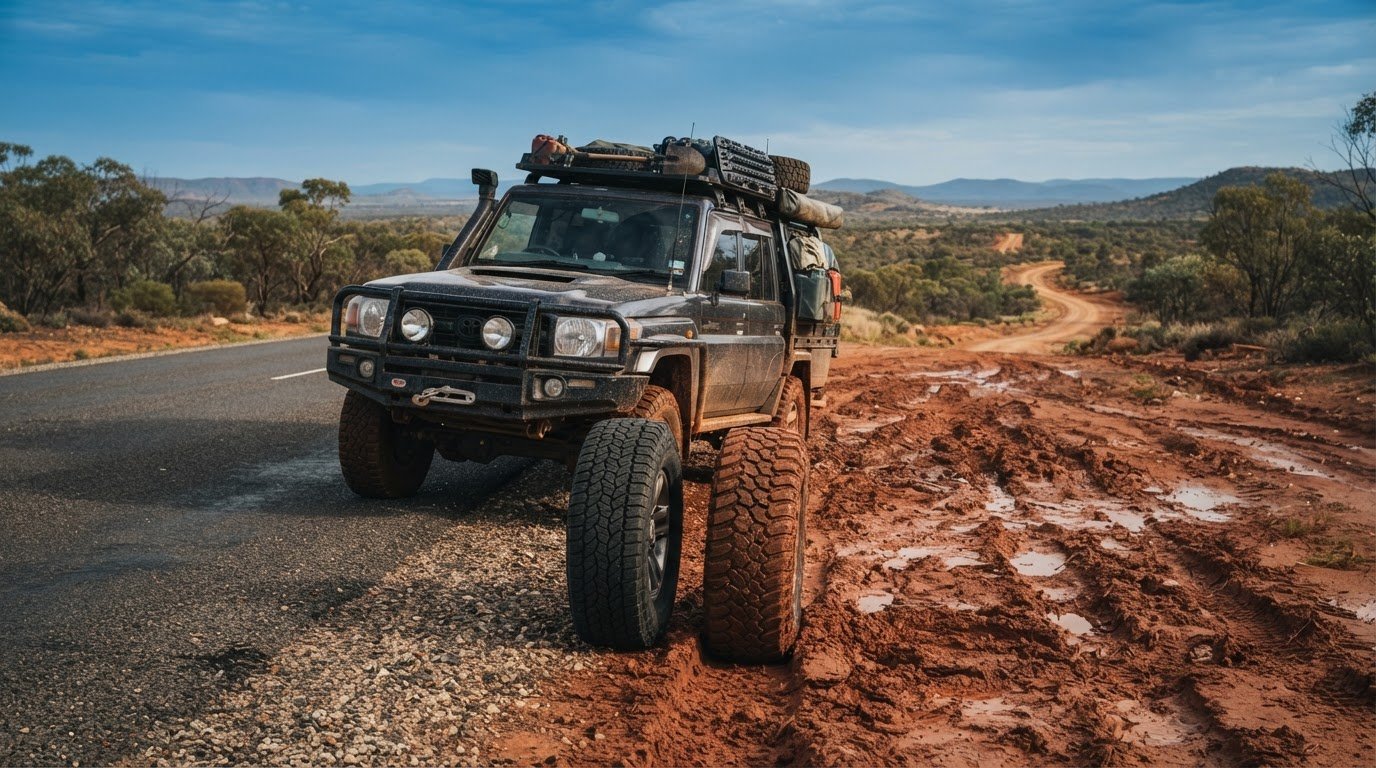
MT tyres generally have larger voids and widely spaced tread blocks. The gaps can help the tread clear mud as the tyre rotates, while the block edges press into soft ground for traction. Prominent shoulder tread, the pattern that wraps around the tyre’s outer edge, provides additional edges that can engage with ruts or loose material when the tyre works near the sides of a track.
That design has limits. Deep mud, slippery rock, water, steep slopes and vehicle setup all affect how a track behaves. Aggressive tread doesn’t make every obstacle safe or guarantee grip in every condition. Sound judgement, suitable driving technique and respect for track conditions still matter.
How all terrain tyres balance road and off-road use
AT tyres typically use a more closely spaced pattern than MT tyres, with tread blocks and voids arranged to serve a wider range of surfaces. That balance can suit touring that combines sealed roads, gravel and moderate off-road driving. It doesn’t mean every AT tyre feels the same on the highway or performs equally well on every track. Comfort, noise and off-road capability vary with the individual tyre’s design.
Labels are a starting point, not a performance guarantee. Tyres within the same category can differ in tread layout, construction and intended use, so compare the specifications of the particular models you’re considering. The mud terrain vs all terrain tyres pros and cons come down to where each pattern’s strengths are useful: MT tread prioritises loose-surface grip, while AT tread aims for broader capability across a touring week’s changing roads. Choose for the conditions you regularly encounter, not appearance alone.
Mud Terrain Tyres: Pros, Cons and the Conditions They Suit
Mud terrain (MT) tyres can be a strong match for regular travel across muddy, soft or deeply rutted tracks. Their open tread is designed to clear loose material and find traction where a more road-focused pattern may struggle. That specialised grip comes with compromises, particularly if your 4WD spends most of its time on sealed roads. The right choice depends on your usual routes, vehicle setup and the specific tyre, not just the MT label.
When mud terrain tyres can make sense
Consider MT tyres if muddy tracks and loose surfaces are a routine part of your trips, rather than a rare obstacle on an otherwise sealed-road tour. For remote travel where you expect long stretches of soft or rutted terrain, the added focus on loose-surface traction may be valuable. A tyre’s tread is only one part of the equation, though. Vehicle load, tyre pressure, driving technique and changing track conditions all influence performance.
For a closer look at how tyre construction and compounds differ between categories, read Falken Tire’s guide to all-terrain, mud-terrain, and rugged-terrain tires. An MT tread can help in challenging terrain, but it can’t make an unsafe route safe. If a track is beyond your vehicle or conditions, turning back is part of responsible 4WD travel.
What to weigh before choosing mud terrain tyres
Consider the kilometres between tracks, too. On longer sealed-road drives, some MT tyres may produce more tread noise or a firmer-feeling ride than more road-oriented options. The degree varies by model, so don’t assume every mud terrain tyre behaves alike. A tyre’s intended use and construction can shape its road manners as much as its category name.
Wet-road behaviour deserves careful attention. Grip and braking can differ between models, and an aggressive tread pattern alone doesn’t establish how a tyre will perform on wet bitumen. Look for relevant manufacturer information and independent testing for the exact tyre you’re considering. Also check the vehicle’s tyre and wheel specifications, load requirements and fitment guidance before deciding.
Wear and fuel use may also matter over a touring season. These depend on factors such as tyre design, vehicle alignment, load, pressure and driving style, so avoid assuming a fixed penalty for every MT fitment. The mud terrain vs all terrain tyres pros and cons are most useful when weighed against your actual driving: frequent mud may justify the trade-offs, while one difficult track on an otherwise road-heavy trip may not.
All Terrain Tyres: Pros, Cons and Mixed-Route Touring
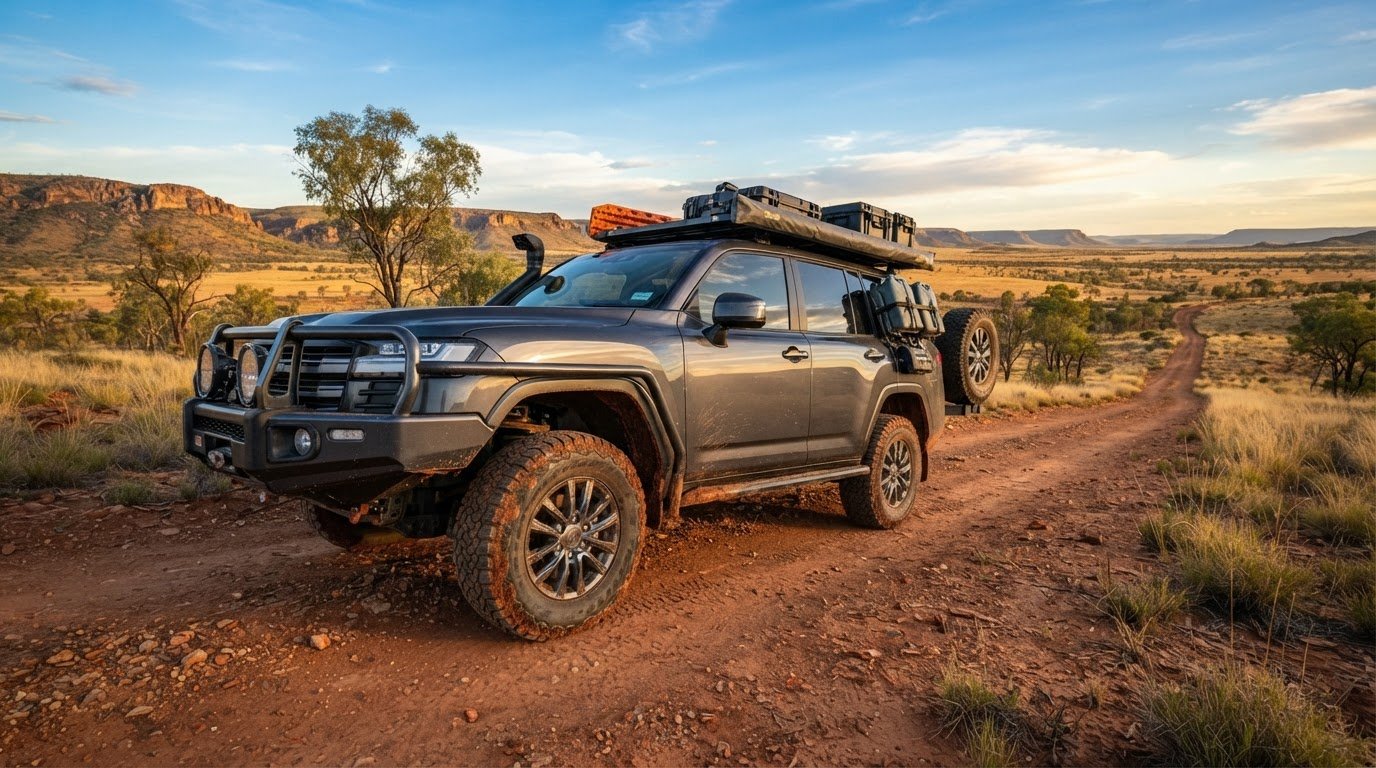
For a 4WD that handles weekday commuting, sealed highways, gravel roads and the occasional bush track, all terrain (AT) tyres can offer a practical middle ground. Their tread is designed for varied surfaces rather than focusing as heavily on soft terrain as a mud terrain pattern. That versatility can suit touring routes where conditions change, but it doesn’t make every AT tyre equally comfortable on-road or capable off-road.
Where all terrain tyres offer a useful balance
Picture a trip that starts in traffic, continues along a highway and ends on a maintained gravel road or moderate access track. An AT tyre is designed to handle this kind of mixed use, so drivers don’t have to optimise their setup solely for mud they rarely encounter. Depending on the model, its more closely spaced tread may also feel less aggressive on sealed roads than an MT alternative.
That’s a general design trade-off, not a promise of quiet running or easy handling. Tread pattern, tyre construction, vehicle setup and road conditions all affect the experience. Compare the exact models you’re considering, including manufacturer information on intended use and performance, rather than relying on the AT label alone.
Where all terrain tyres may reach their limits
Deep, sticky mud can challenge an AT tyre, particularly if its tread is less open and has less room to clear packed material. Some AT designs may cope better than others, but category alone can’t predict how a tyre will perform on a particular track. Mud depth, surface, vehicle load, tyre pressure and driving technique all play a part. If deep mud or soft ground is a regular feature of your trips, consider whether a more specialised tread better matches those conditions.
Tread choice doesn’t replace good judgement. Check conditions before setting out, drive within your vehicle’s limits and avoid damaging tracks or surrounding terrain.
| Tyre type | Typical strength | Possible compromise | May suit |
|---|---|---|---|
| All terrain | Versatility across sealed roads, gravel and moderate off-road routes | May be less suited to deep mud than a more open, specialised tread | Commuting, gravel touring and occasional tracks |
| Mud terrain | Designed to find traction in muddy and soft conditions | Some models may bring more noise or a firmer-feeling ride on sealed roads | Frequent muddy tracks or loose terrain |
This comparison is a guide, not a guarantee for every tyre. The mud terrain vs all terrain tyres pros and cons depend on your usual routes and the particular model: AT tyres often suit mixed-use touring, while frequent deep mud may make specialised traction more valuable. Match the tread to the terrain you regularly drive, and weigh that choice against the sealed-road kilometres in between.
How to Choose Between Mud Terrain and All Terrain Tyres
Start with the roads you drive most, then weigh how often your trips include gravel, mud or more demanding tracks. The aim isn’t to prepare for the toughest obstacle you might meet once. Choose a tyre that suits your regular use while leaving a sensible margin for planned adventures.
Match tyre type to your most common driving conditions
Use this sequence: estimate how much of your driving is on sealed roads, identify the off-road surfaces you regularly encounter, then decide whether mud is occasional or a frequent feature of your routes. If most trips combine commuting, highways and gravel with only occasional tracks, an all terrain tyre may offer the broader balance you value. If muddy or soft tracks are routine, mud terrain tyres may better suit that priority.
| Driving pattern | Option to consider | Key trade-off |
|---|---|---|
| Daily driving, mostly sealed roads | All terrain | Broad-use tread, but road comfort varies by model |
| Gravel touring with occasional tracks | All terrain | Versatility may matter more than specialised mud traction |
| Frequent muddy or soft tracks | Mud terrain | Prioritises loose-surface traction, with possible road-manner compromises |
| Mixed touring with varied surfaces | Compare both against your actual route mix | Balance sealed-road kilometres against off-road demands |
Use the table as a starting point, not a guarantee. Individual tyre designs differ, and track conditions, driving technique and vehicle setup all affect performance. A rare challenging section doesn’t automatically justify choosing the most specialised tread if the rest of your travel is on sealed roads. When comparing models, look beyond the category name: check intended use, fitment details, load specifications and information about wet-road behaviour.
Check fitment, load and the rest of your touring setup
Before settling on a tyre, review the vehicle and tyre manufacturer’s fitment guidance, including the required size and load specifications. Then consider how you travel: passengers, camping gear, towing plans and accessories all contribute to the demands placed on the vehicle. Added weight is a reason to check requirements carefully, not an automatic reason to upgrade tyre size or change tread category.
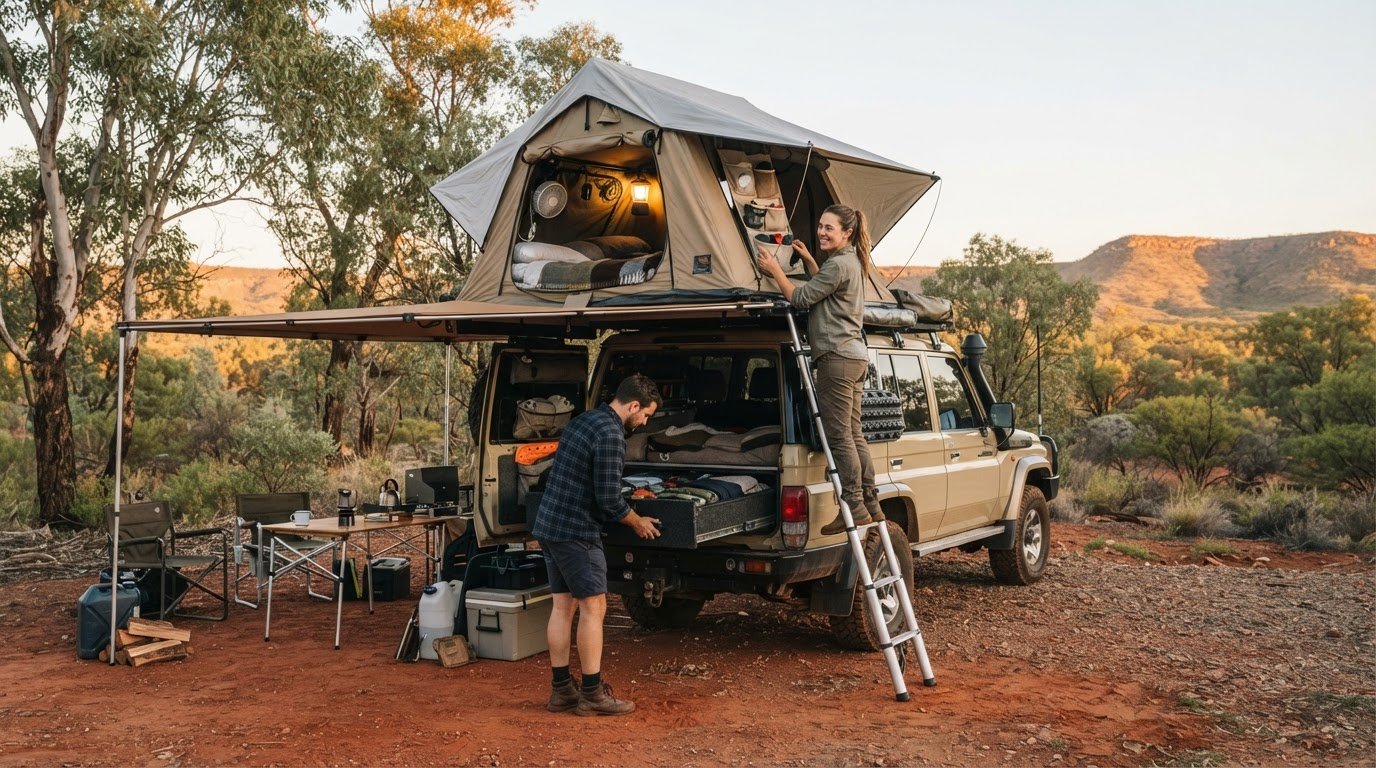
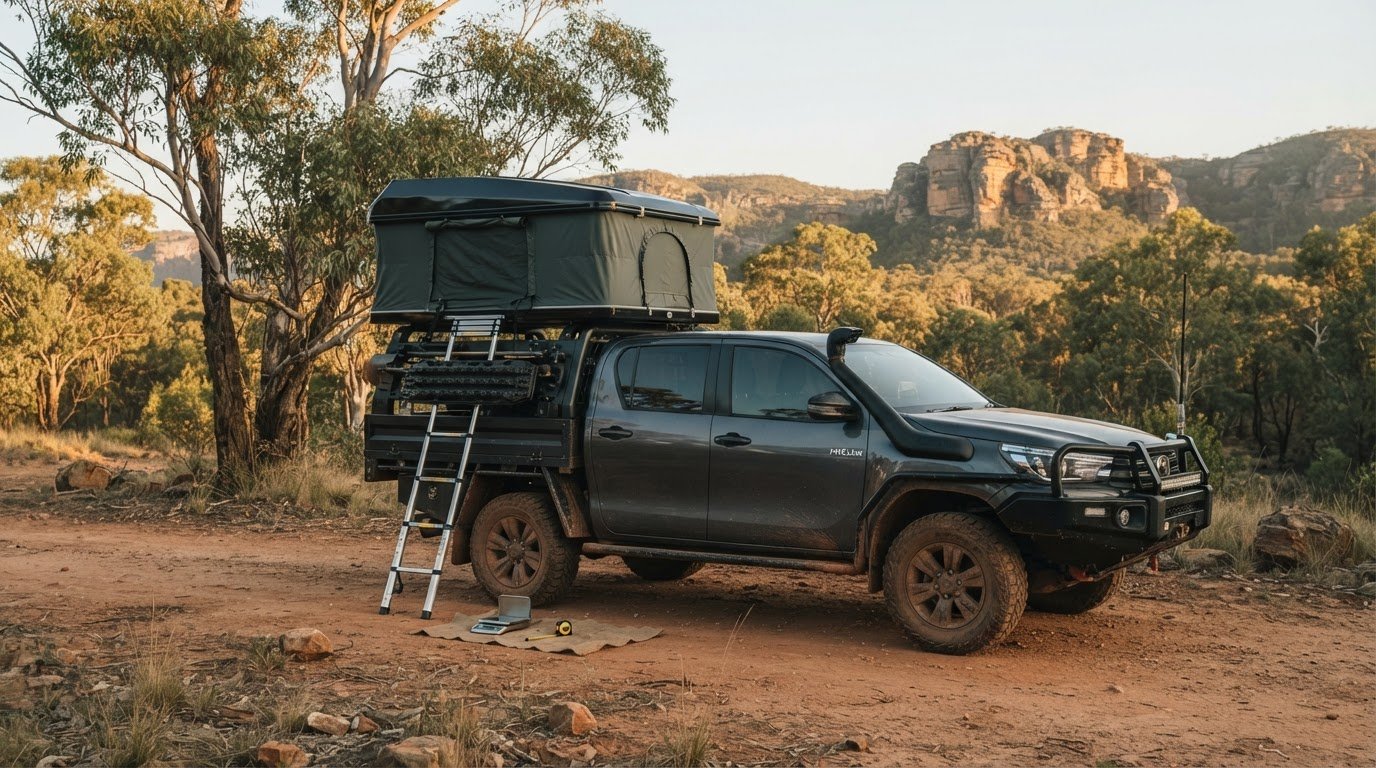
Roof-top tents are another part of the overall setup. Their weight and position can affect how you plan a loaded touring vehicle, alongside other gear and towing needs. Explore Adventurerz roof-top tent reviews as you map out your setup, then match your tyre decision to the vehicle’s guidance and the routes you expect to drive.
That’s the practical way to weigh the mud terrain vs all terrain tyres pros and cons: put regular conditions first, account for your full touring load and make sure the selected tyre fits the vehicle’s requirements.
Before Your Next Trip: Fitment, Pressure and Responsible 4WD Preparation
Good tyre preparation starts before the vehicle leaves the driveway. Whether you’ve chosen mud terrain or all terrain tyres, check that they suit your vehicle, touring load and planned route. A quick inspection and route research can help you spot issues early and prepare for the conditions ahead.
A pre-trip tyre and vehicle checklist
Work through these steps before setting out:
- Confirm fitment: Check tyre size and fitment against your vehicle manufacturer’s guidance, and make sure the tyres are suitable for the vehicle’s requirements.
- Review specifications: Consider load requirements alongside passengers, luggage, accessories and any towing plans. Added touring gear is a reason to review your setup, not automatically change tyre size or type.
- Inspect tyres and spares: Look for cuts, cracks, bulges, uneven wear or exposed cords. Check the spare is ready for use, and pack tools suited to your vehicle and trip.
- Set pressure using relevant guidance: Tyre pressure depends on the vehicle, tyre, load and driving conditions. Follow vehicle and tyre manufacturer recommendations for your situation; don’t rely on one pressure figure for every 4WD or surface.
- Prepare for the route: Check current track conditions and access information before departure. Think ahead about how the route may change between sealed roads, gravel and softer ground.
Travel with care across Australian tracks
Conditions and access can change. Follow signs, closures and applicable guidance, and keep to formed or permitted tracks. Driving around obstacles can widen tracks and disturb surrounding vegetation or soil. If conditions make a route unsuitable for your vehicle or setup, turn back rather than pushing on.
Tyre choice is one part of responsible preparation. Your load, spare, tools, route knowledge and decisions behind the wheel all contribute to a safer, more considerate trip. The mud terrain vs all terrain tyres pros and cons matter most when your choice supports the conditions you’ll actually drive and the way you travel.
Choose Tyres for the Trips You’ll Take Most
The best choice comes down to your regular routes. All terrain tyres can suit touring that mixes sealed roads, gravel and moderate tracks, while mud terrain tyres may make more sense if soft, muddy conditions are a frequent part of your travel. Neither category guarantees the same performance across every model, so compare specific tyre specifications and follow vehicle fitment guidance.
Keep your full setup in view, too. Passengers, touring gear, accessories and towing plans all contribute to vehicle load, while route conditions and suitable tyre pressures shape your preparation. The real mud terrain vs all terrain tyres pros and cons balance is the one that supports your usual driving without overlooking safety or care for the tracks we share.
Planning an Australian adventure? Explore Adventurerz for practical gear reviews, recommendations and adventure guides to help plan your setup and next trip.
Frequently Asked Questions
Are mud terrain tyres better than all terrain tyres off-road?
Mud terrain tyres can offer an advantage in deep mud and soft, rutted ground, while all terrain tyres are designed to balance road use with a range of off-road conditions. Neither type is automatically better on every track. Gravel, rock, sand and wet surfaces place different demands on tread and vehicle setup. Compare specific tyre models, and consider your usual terrain, load and driving technique before choosing.
Can you use mud terrain tyres as everyday tyres?
Yes, mud terrain tyres can be used for everyday driving if they’re suitable for your vehicle and intended for road use. However, their aggressive tread may bring more noise or a firmer-feeling ride on sealed roads, depending on the model. Consider how much highway and urban driving you do, and review manufacturer specifications for wet-road behaviour, fitment and load requirements before making them your daily choice.
Are all terrain tyres quieter than mud terrain tyres?
All terrain tyres are often quieter on sealed roads because their tread patterns are generally less open and aggressive, but this isn’t guaranteed across every model. Noise also depends on tyre design, vehicle, road surface and wear. If cabin comfort matters on long touring drives, compare information for the exact tyres you’re considering and look for credible testing or manufacturer guidance rather than relying on the category label alone.
Which tyres are better for gravel roads and touring?
All terrain tyres often suit gravel touring because they’re designed for mixed use across sealed roads and moderate off-road conditions. They can be a practical fit for trips that combine highways, unsealed roads and occasional tracks. The best option still depends on the tyre model, vehicle load and route. If your tour regularly includes deep mud or soft ground, weigh that need against the road comfort you want between tracks.
Do mud terrain tyres use more fuel than all terrain tyres?
They can, but fuel use varies with the specific tyre and vehicle setup. Tread design, tyre size, pressure, alignment, load and driving style all influence rolling resistance and consumption. An aggressive mud terrain pattern may create more rolling resistance than a more road-focused design, but don’t assume every MT tyre uses more fuel than every AT tyre. Compare model specifications and track your own vehicle’s use under similar conditions.
How do I choose between mud terrain and all terrain tyres for my 4WD?
Start with the surfaces you drive most often. All terrain tyres may suit commuting, gravel touring and occasional tracks, while mud terrain tyres may be worth considering if muddy or soft routes are a regular part of your travel. Then check vehicle fitment and load requirements, including passengers, touring gear and towing plans. The mud terrain vs all terrain tyres pros and cons depend on your usual conditions and the particular models you compare.
Can all terrain tyres handle deep mud?
Some all terrain tyres can manage muddy sections, but deep, sticky mud can challenge patterns with smaller voids that may not clear packed material as effectively as more open mud terrain tread. Performance depends on the tyre model, mud conditions, vehicle setup, pressure and driving technique. Don’t treat an AT label as a promise of capability. Check route conditions, drive within your vehicle’s limits and turn back if the track is unsuitable.