Van life changes your bills, but it doesn’t make them disappear. A breakdown of monthly expenses for life on the road still needs to cover food, fuel, vehicle costs and the essentials that keep you connected and comfortable. Your total depends on how far you travel, where you stay and how often you eat out.
It’s natural to wonder whether leaving a fixed address will lower your monthly costs. Some expenses may fall away, while others follow you into the van. Vehicle repairs can also bring less predictable costs, so a realistic budget makes room for both.
We’ll compare basic, mid-range and premium spending patterns, then look at how groceries, campsite stays, utilities, insurance, registration and maintenance shape the total. You’ll see which costs are easier to adjust and which to plan for before setting out across Australia.
Key Takeaways
- Build your budget around both recurring bills and flexible spending, especially vehicle upkeep, food and where you stay.
- Match your budget tier to your travel style: frequent paid campsites, eating out and longer drives can push monthly spending higher.
- Allow for practical off-grid needs such as power, water, internet and laundry, not just fuel and groceries.
- Turn the monthly figures into a more useful plan by considering how often you travel and what comfort you want on the road.
- Use equipment reviews and recommendations to plan a setup that suits your trips and supports more responsible outdoor travel.
Table of Contents
Groceries and eating out
Food costs depend on how often you cook, what you buy and how regularly you eat out.
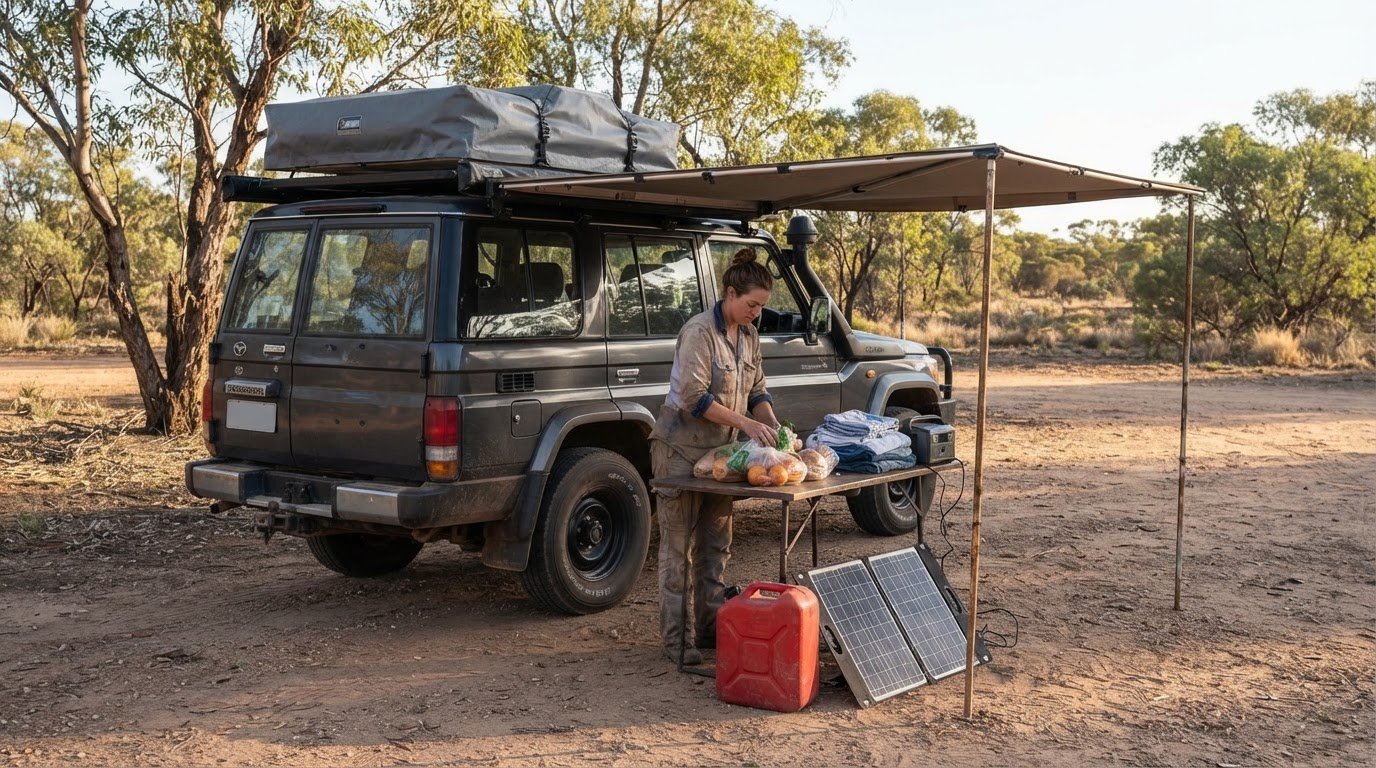
Across Australia, free camping and overnight parking depend on the council or land manager, local restrictions and site signage. A place where you can park during the day isn’t automatically approved for overnight stays.
Grocery Spending
Grocery spending covers food and drinks for meals prepared in your van or elsewhere. The amount and type of food you stock can make this a steady, adjustable part of your budget.
For a practical comparison, separate staple groceries from convenience purchases. Rice, oats and tinned ingredients can form the basis of simple meals, while fresh produce may need more frequent shopping. The balance depends on storage space, access to shops and how often you move.
Dining Out
Dining out includes takeaway, café and restaurant meals rather than food prepared from groceries. Even occasional stops can add a flexible cost on top of the food you already buy.
One couple’s example includes takeaway once a week and a workday spent at a coffee shop, showing how regular routines can add up.
These examples describe different households, not a fixed Australian average. Use them as reference points, adjusting for the number of people sharing meals and the ingredients you prefer.
To keep food spending visible, track groceries and dining out as separate categories for a few months before travelling. This shows whether café stops, takeaway or particular grocery choices are driving the total. To reduce spending, plan meals around ingredients you can store and use, then set a dining-out amount that suits your route. A remote stretch with fewer shops may require different supplies from a stay near a town.
For a realistic monthly plan, include both categories rather than treating groceries as your entire food budget. Cooking most meals may keep dining costs lower, while regular café visits or takeaway can raise the total.
Basic, mid-range and premium budget examples
Monthly van-life budgets vary with travel pace, accommodation choices and vehicle needs. Treat basic, mid-range and premium as spending patterns, then shape each around your route and household.
A basic budget prioritises cooking, low-cost stays and shorter travel days. It still needs to cover food, fuel, insurance, registration and vehicle upkeep. A mid-range budget allows for more paid camping, café stops or recreation while keeping regular bills in view. A premium approach may include frequent paid sites, more dining out and greater comfort, alongside higher travel-related spending.
Vehicle type also affects the comparison. A van or campervan may have fewer onboard facilities, while a caravan or motorhome can offer more living space and amenities. Larger or heavier setups can affect fuel use, maintenance needs and the type of site that suits you. Purchase and conversion costs aren’t monthly living expenses, but they can affect how much money remains for ongoing payments.
To make these examples useful, separate fixed costs from flexible spending. Fixed payments continue even during a quiet month; fuel, camping and recreation shift with your plans. Track your spending for a few months before setting out, then compare your usual costs with the changes you expect on the road. This gives your budget a starting point based on your habits, not someone else’s travel style.
- Basic: Cook most meals, travel at a measured pace and prioritise free or lower-cost overnight options where permitted.
- Mid-range: Mix paid and free stays, with room for occasional takeaway, recreation and longer drives.
- Premium: Choose more comfort, paid accommodation and frequent activities, while allowing for the vehicle costs that come with your setup.
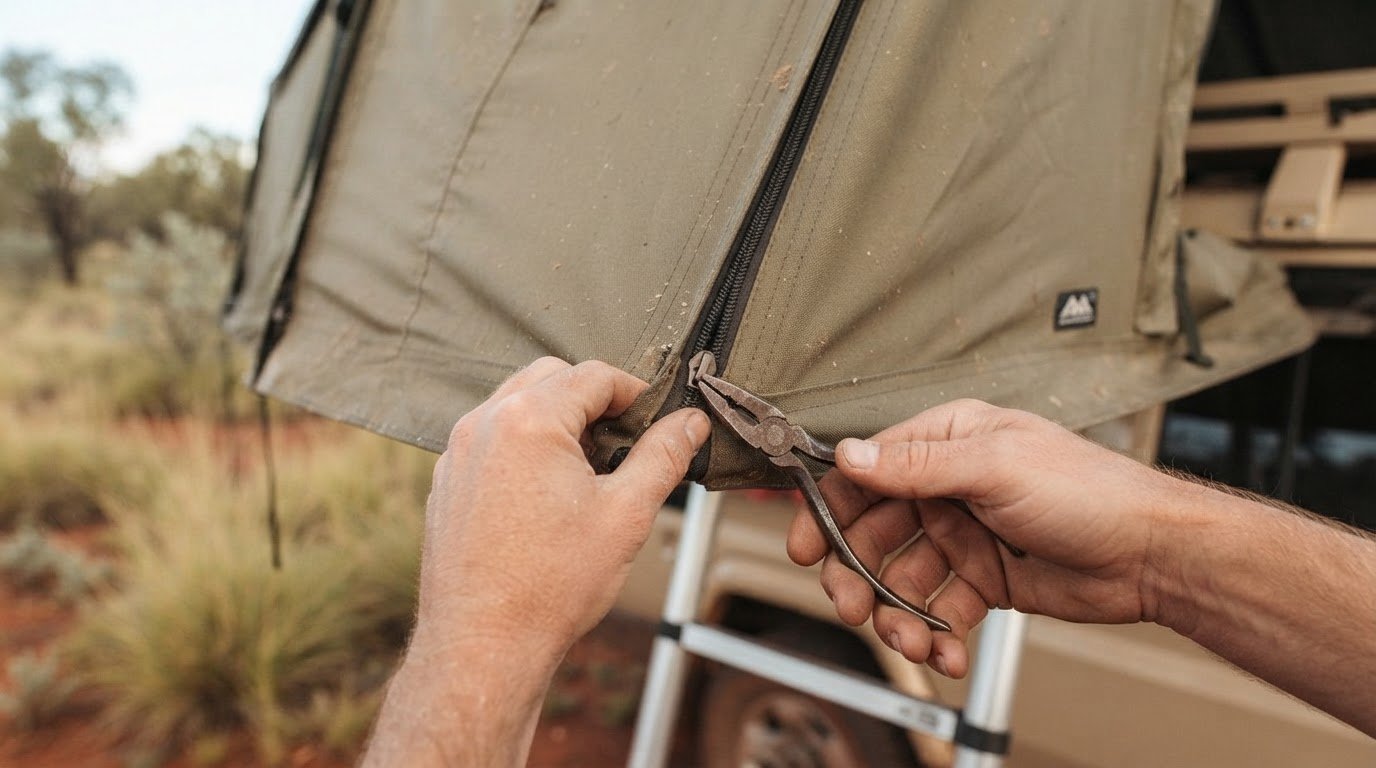
Saving before departure helps cover the shift from home-based routines to road expenses. Include annual bills in your planning by setting aside part of their cost each month. Keep a separate buffer for repairs, since vehicle maintenance can arrive unevenly rather than as a predictable monthly payment. Your budget should reflect the camper you use, the distance you travel and how often you pay for campsites.
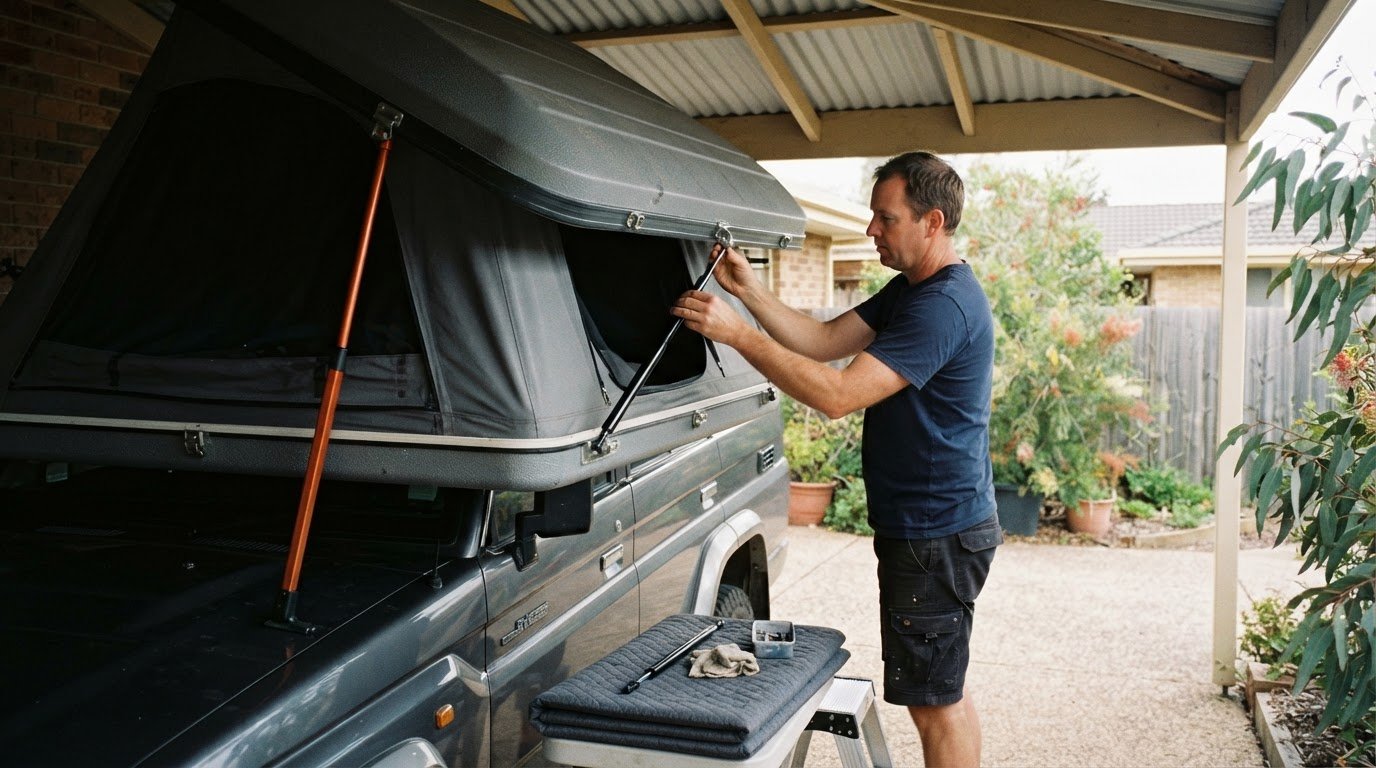
For a setup decision, consider how sleeping arrangements affect the space and equipment you need. These roof top tent reviews and recommendations can help you explore one option before settling on a travel style.
Electricity, internet, water and laundry
Utilities on the road combine services you pay for directly with facilities included at a campsite. Monthly costs depend on your van’s conversion, travel routine and access to amenities.
Power and Internet
Power and internet costs cover electricity for your setup and the connection you use while travelling. They matter for daily comfort, communication and work, especially if your van relies on paid hookups.
These figures show how your connectivity needs and campsite choices can shift your utilities budget.
An electrical conversion affects how much you rely on powered sites, while your internet routine affects the phone plan you need. List phone and internet separately from campsite charges in your monthly budget. This makes it easier to see whether a higher site fee replaces other utility spending or simply adds another cost.
Laundry and Campsites
Laundry and campsite expenses cover washing clothes and paying for places with facilities. They matter because a stay can bundle services such as water, electricity and sanitation into one payment.
Those totals reflect different spending categories, so don’t add them together as if they were one household’s bill. A reported laundry routine of using laundrettes every week or two helps explain why this cost varies.
Water spending depends on whether you refill a tank, buy drinking water or pay for access at a campsite. Your storage capacity, water use and access to refill points shape the cost. Plan drinking, cooking and washing separately to make your usage clearer.
Sanitation and showers can also add costs outside a campsite.
For a practical monthly estimate, list phone and internet, laundry, water, showers and campsite hookups separately. Then note which site fees include electricity or water. This prevents double-counting bundled utilities and makes the trade-off clear: a paid campsite may cost more upfront but include facilities you’d otherwise pay for separately. Your lifestyle, route and conversion determine which combination works best.
Vehicle insurance, tax, MOT and breakdown cover
Vehicle-related spending includes recurring payments and less predictable costs, from insurance and registration to servicing and repairs. In Australia, budget for registration rather than treating “MOT” as a local cost category. Also allow for any breakdown cover you choose.
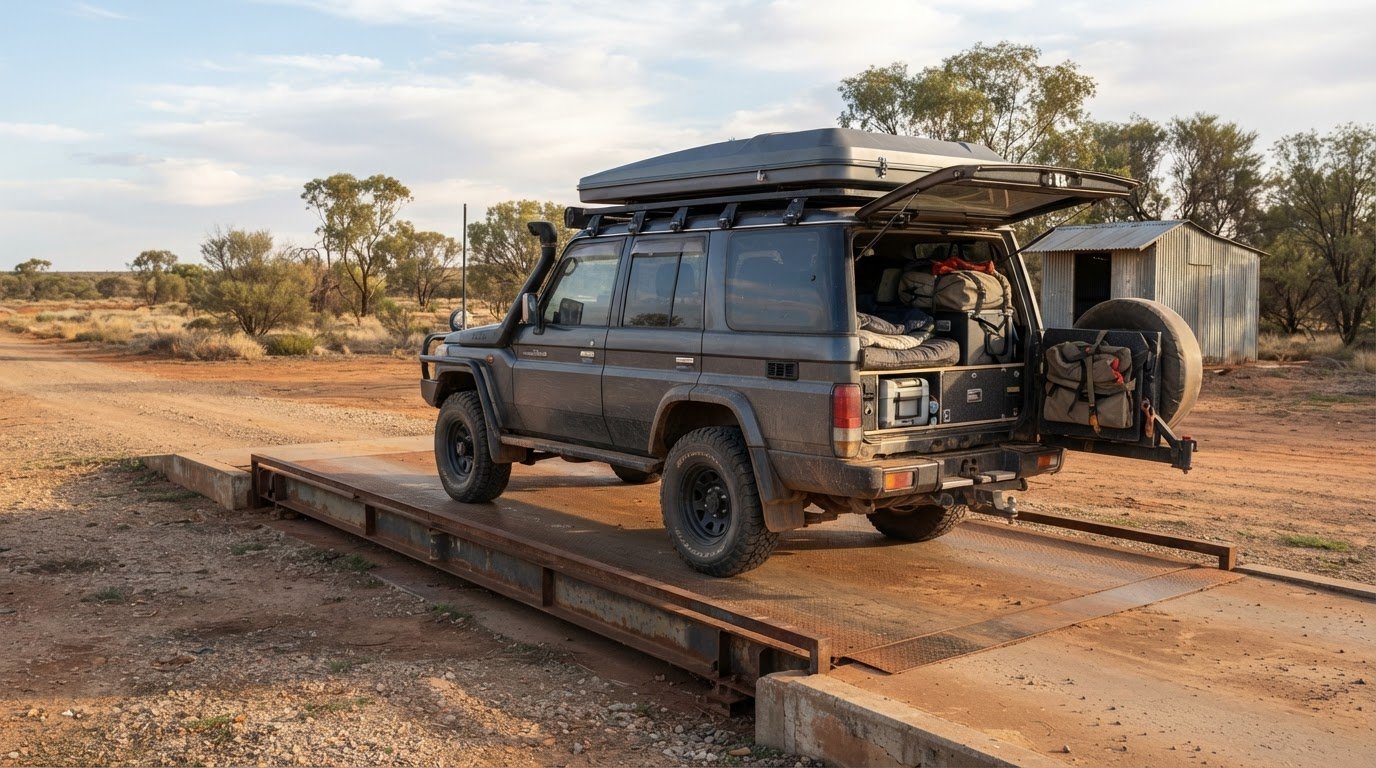
Monthly vehicle, caravan and maintenance costs vary with the vehicle, how often you drive and the work it needs. List insurance and registration payments, routine servicing, repairs and any caravan upkeep separately rather than relying on one broad estimate.
Insurance and registration are ongoing costs, while maintenance can arrive unevenly. A vehicle used for frequent long-distance travel may need a different maintenance plan from one that spends longer parked. Your vehicle’s age, condition, use and selected cover all affect the budget.
Keep the categories distinct. Vehicle insurance relates to the vehicle; cover for belongings inside a van is a separate consideration. A policy that covers the van doesn’t automatically cover your personal items, so account for them separately when planning protection.
Registration is another recurring vehicle payment. Its timing may not match your monthly budget, so set aside a portion regularly. You can also divide annual insurance premiums into monthly planning amounts, making the ongoing commitment clear alongside fuel and maintenance.
Depreciation is different from a bill: it reflects a vehicle’s changing value over time. It still matters when comparing the cost of keeping a van, campervan, caravan or motorhome. Storage may also be relevant when a vehicle or caravan isn’t travelling, while travel insurance is a separate personal expense from vehicle cover.
Health insurance and other personal protections belong in a separate part of the budget. They don’t replace vehicle insurance or breakdown cover. Phone plans and subscriptions also continue independently of your vehicle, so keep those payments out of the vehicle-cost total.
- Vehicle: Record insurance, registration, servicing and repairs separately.
- Caravan: Include its upkeep and any storage costs alongside vehicle expenses.
- Personal cover: Keep travel insurance, health insurance and belongings cover distinct from vehicle protection.
For a clear monthly estimate, list each payment by frequency, then set aside money for annual bills and irregular maintenance. For example, if registration is paid annually, divide the bill across your monthly plan. Record repairs when they occur, then review the maintenance allowance against your vehicle’s service history and driving routine.
Breakdown cover is another optional cost to consider for remote travel. Its value depends on your route, vehicle and existing arrangements, so list it separately from insurance, registration and routine servicing. This makes it easier to see which costs are fixed and which change with your travel plans.
Average monthly van-life expenses
There isn’t one figure that fits every Australian road trip. Your total changes with travel distance, overnight choices and vehicle needs.
These are city cost-of-living estimates, not van-life budgets. They show why location matters, but don’t account for your route, vehicle or camping choices.
Build a useful average from your expected spending categories. Separate recurring payments from flexible costs, then consider how remote travel affects fuel, supplies and access to services. A month spent near a town can look different from one covering long distances between stops.
Also separate monthly living expenses from the purchase and conversion of a van. Those upfront costs affect how much money remains for regular bills, but they aren’t ongoing expenses. Keep annual payments and occasional repairs visible in your plan rather than treating them as surprises.
- Basic pattern: Prioritise cooking, lower-cost stays and fewer long-distance drives.
- Mid-range pattern: Allow for a mix of paid camping, regular travel and selected activities.
- Premium pattern: Plan for more paid stays, comfort choices and frequent recreation.
These patterns describe spending choices, not fixed Australian price bands. To compare them fairly, use the same household size and travel period. For example, a solo traveller and a couple may share some vehicle costs, but their food and activity spending will differ.
Track spending for a few months before departure, then use those records to set a starting budget. Include annual payments by allocating part of each bill to every month. Keep a separate amount for repairs, because maintenance follows vehicle condition and use, not a neat monthly schedule.
Review your estimate after a real month on the road. Compare planned and actual spending on fuel, food, camping, utilities and vehicle costs. If the total shifts, identify which category changed before adjusting the whole budget. This is more useful than applying a single national average to every route.
Planning a trip across Australia? Explore Australian adventure ideas to shape your route around the kind of travel you want.
There isn’t one average monthly cost that fits every Australian van-life trip.
Adventurerz
Adventurerz helps you connect your road-life budget with practical choices for exploring Australia. When weighing what your setup needs, its camping equipment reviews and recommendations can help you assess gear against your travel priorities, without confusing equipment decisions with recurring living costs.
Use the information to think through how a roof top tent, 4WD awning or hiking equipment might fit your trips and preferred level of comfort. The right setup depends on how you travel, where you camp and what you need to carry. Clear planning can help you make choices that suit your budget and support thoughtful time outdoors.
For guidance on outdoor gear or adventure planning, explore Adventurerz’s guides and recommendations.
Make your next road decision with confidence
Your next step is to turn a monthly estimate into decisions about the setup and route you want. Use your breakdown of monthly expenses for life on the road to weigh comfort, travel pace and the gear that genuinely supports your plans. A lighter setup may suit one journey, while remote trips can call for different shelter and equipment.
Adventurerz shares reviews and recommendations for roof top tents, 4WD awnings and camping equipment, helping you explore options before settling on your setup. The goal is to make considered choices that fit your travel style and encourage responsible time outdoors, not to add gear without a clear purpose.
Ready to think through your van-life plans and equipment? Contact Adventurerz about van life and take your next step towards the road with confidence.
Frequently Asked Questions
Do you still have bills while living in a van?
Yes. Van life changes your bills, but it doesn’t remove ongoing payments. Vehicle insurance and registration can continue, alongside phone service, subscriptions, food and maintenance. You may also pay for campsites, laundry, water or internet access. For example, spending a night at a permitted free site won’t remove your vehicle payments. Sort costs into fixed, travel-dependent and irregular categories to see which expenses remain every month.
How Much Does Vanlife Cost?
Van-life costs depend on your travel pace, vehicle, household and preferred comfort. There isn’t one monthly figure that suits every Australian setup. A useful breakdown of monthly expenses for life on the road separates regular bills from costs that rise with driving, paid stays or activities. Build your estimate around your planned route and spending habits, then compare it with actual costs after your first month travelling.
How much does it cost to live in a van?
Monthly costs include more than food and fuel. Add the expenses that keep your vehicle road-ready, maintain your communications and support overnight stays and daily routines. Keep the initial vehicle purchase and conversion separate from ongoing costs. For example, someone who already owns a suitable van has a different starting budget from someone financing a purchase or completing a build.
How much money should I save for van life?
Set your savings target by adding setup costs, essential monthly expenses and a reserve for unexpected repairs. Estimate essential spending first, then decide how many months of those costs you want available before leaving. Include annual bills rather than counting only monthly payments. A route with remote stretches may also call for a larger practical buffer for delays, supplies or vehicle issues.
How much should I budget for van repairs?
Base your repair allowance on your vehicle’s age, condition, service history and expected driving. Separate routine maintenance from unexpected repairs, so a scheduled service doesn’t use the money reserved for a breakdown. If you’re considering a used van, factor its existing mechanical condition into your planning. Review actual repair spending as you travel and adjust your monthly allowance to reflect your vehicle’s needs.
How much does fuel cost per month for van or caravan travel in Australia?
Fuel spending depends mainly on distance travelled, vehicle efficiency, route and driving conditions. Towing a caravan changes the load on the tow vehicle, while remote travel can make fuel stops less convenient to plan. Estimate your expected kilometres from your itinerary and use your vehicle’s real-world consumption to build a personal budget. Revisit the estimate if you change your route, towing setup or travel pace.
What are typical monthly costs for caravan parks, campsites and free camping?
There’s no single monthly campsite total: it depends on how many nights you pay for and which facilities you choose. Free camping can reduce accommodation spending where overnight stays are permitted, while caravan parks and paid sites add costs. Check local signs and land-manager or council information before staying overnight. A month mixing free and paid stays will have a different total from one spent mainly at caravan parks.
How much do groceries and eating out cost per month while travelling Australia?
Food spending depends on household size, ingredients, storage and how often you eat out. Estimate groceries and café, takeaway or restaurant meals separately, then record each category during a typical travel month. For example, frequent town stops may make dining out easier, while remote stretches can change what food you carry and prepare. Comparing planned and actual spending helps you adjust without overlooking groceries or meals away.