What if your best fishing story didn’t start at a crowded jetty, but at the end of a grueling, low-range track where the only footprints in the sand are yours? We’ve all felt that sinking feeling when pulling up to a favorite local haunt only to find it’s standing room only. It’s time to push further into the wild. We believe the most rewarding catches are found where the bitumen ends and the real adventure begins.
In this guide, we’ll help you discover the most secluded and rewarding 4wd fishing spots Queensland has to offer in 2026. We are diving deep into the technical gear and vehicle recovery knowledge you need to stay safe while chasing that secret honey hole. From mastering your remote camp setup with the best rooftop tents to navigating the latest permit fees for K’gari and Moreton Island, we’ve got you covered.
We’ll preview the newest 2026 equipment like the Daiwa 26 Saltist Hyper and the Maxtrax All-Terrain Recovery Shovel. You’ll also learn how to manage your environmental impact while ensuring you don’t get bogged in the soft stuff. Let’s get your rig ready for the ultimate remote angling expedition.
Key Takeaways
- Discover the most rewarding 4wd fishing spots Queensland has hidden along the Capricorn Coast and the iconic sand tracks of K’gari for a crowd-free experience.
- Learn why elevating your camp with a rooftop tent and utilizing 4WD awnings are essential strategies for staying comfortable and sun-safe during multi-day remote missions.
- Master technical sand driving skills, including specific PSI settings and tide chart navigation, to ensure your vehicle stays safe while you’re focused on the catch.
- Adopt sustainable practices that protect Queensland’s unique biodiversity and respect the rights of Traditional Owners to ensure these wild frontiers remain open for future generations.
Table of Contents
- Why 4WD Fishing in Queensland is the Ultimate 2026 Adventure
- Queensland’s Premier 4WD Fishing Destinations: From Beach to Creek
- Rigging Up: Essential 4WD Gear for Remote Fishing Camps
- Mastering the Terrain: Safety and Technical Tips for Remote QLD
- The Ethical Angler: Sustainable Practices for Queensland’s Wild Frontiers
Why 4WD Fishing in Queensland is the Ultimate 2026 Adventure
2026 marks a massive shift for our community. We’ve seen a surge in travelers seeking the “Remote Escape,” moving away from the packed caravan parks of previous years toward total self-sufficiency. There’s a unique magic in combining the technical challenge of off-roading with the quiet patience of angling. It isn’t just about the fish. It’s about the mental reset that comes from being miles away from the nearest cell tower while scouting for the best 4wd fishing spots Queensland offers for the 2026 season.
The Freedom of the Unpaved Path
Most people are confined to the tiny fraction of the coast reachable by a standard sedan. We know better. By engaging four-wheel drive, you unlock access to the most pristine 4wd fishing spots Queensland has left. We often scour community forums for whispers of “undiscovered” gutters or hidden creek mouths that haven’t seen a lure in months. 4WD fishing is the pinnacle of Australian self-reliance. This lifestyle demands high-quality gear, like specialized roof top tents that keep us off the damp sand and safe from the local wildlife during multi-day expeditions.
Queensland’s Diverse Fishing Ecosystems
Queensland is a massive playground with biodiversity that changes every few hundred kilometers. In the tropical north, we’re chasing aggressive Barramundi through murky mangrove estuaries and remote river systems. As we head south toward the cooler waters of the Gold Coast and K’gari, the focus shifts to the legendary seasonal tailor runs. Understanding these migrations is key to a successful haul. Local knowledge and community-shared data are our best tools for timing these trips perfectly.
Whether you’re tackling the soft sands of the Capricorn Coast or planning an epic trek that rivals the Birdsville Track safety and preparation standards, your vehicle must be a mobile fortress. We rely on 4wd awnings to provide a necessary reprieve from the brutal Queensland sun during those long midday lulls. Combining technical readiness with environmental ethics ensures we aren’t just visiting these wild frontiers; we’re protecting them. The patience required for a trophy catch, paired with the adrenaline of a technical beach recovery, creates a psychological balance that’s hard to find anywhere else.
Queensland’s Premier 4WD Fishing Destinations: From Beach to Creek
Finding the best 4wd fishing spots Queensland has to offer means looking beyond the popular tourist hubs. We’ve spent years scouting the coastline, and the diversity is staggering. From the wild, wind-swept eastern beaches of the sand islands to the muddy, barramundi-rich river mouths of the Gulf Country, there’s a track for every type of angler. These 4wd fishing spots Queensland provides are more than just places to cast a line; they are tests of your vehicle and your grit. Success here requires a mix of local intel and the right setup to stay out for days at a time.
Island Fishing: Navigating the World’s Largest Sand Islands
K’gari (Fraser Island) and Moreton Island are the heavyweights of beach fishing. On the eastern side, we target the “Coffee Rocks,” ancient peat formations that provide incredible structure for big tailor and jewfish. For 2026, keep in mind that vehicle access permits for K’gari are $61.80 for one month or less. If you’re heading to Moreton Island (Mulgumpin), the fee is slightly lower at $59.80. While the eastern beaches offer high-energy surf, the western “inside” tracks lead to calmer waters and mangrove systems perfect for whiting and flathead. Always check the latest Queensland fishing rules and regulations before you drop a line, as spawning closures for species like black jewfish now run from November 1 to January 31.
The Remote North: Cape York and Beyond
For those of us chasing the “Holy Grail,” Cape York is the ultimate destination. Tackling the Old Telegraph Track is a rite of passage, but the real rewards are at the river mouths. Here, trophy-sized barramundi are the prize. Safety is paramount in the north. We never clean fish at the water’s edge because the local crocodile population is active and opportunistic. The Gulf Country to the west offers even more isolation, where wild river systems meet the sea in a maze of saltpans and mangroves. These areas demand total self-reliance and a rig that won’t quit when the tracks get soft.
Central Coast Secrets
Central Queensland holds gems that often fly under the radar. The Fitzroy River system is famous for its deep holes and king threadfin salmon. We love exploring the Capricorn Coast’s hidden creeks, where land-based 4WD spots can offer catches that rival what you’d find from a boat. To make the most of these sprawling systems, we recommend using the ultimate adventure travel planner to map your remote routes and timing. When you’re deep in the mangroves or parked on a remote beach, having one of our recommended roof top tents makes it easy to set up a comfortable base camp in minutes, keeping you high above the damp ground and ready for the morning tide.
Rigging Up: Essential 4WD Gear for Remote Fishing Camps
Success at the most remote 4wd fishing spots Queensland has to offer depends on the gear on your roof as much as the lure on your line. We’ve all seen rigs that look the part but fail when the corrugations get deep or the salt spray starts to bite. A well-organized setup doesn’t just provide comfort; it ensures you can stay in the zone longer without worrying about spoiled bait or a flat battery. We focus on gear that prioritizes durability and rapid deployment, allowing us to move with the fish as conditions change.
Rooftop Tents: The Angler’s Best Friend
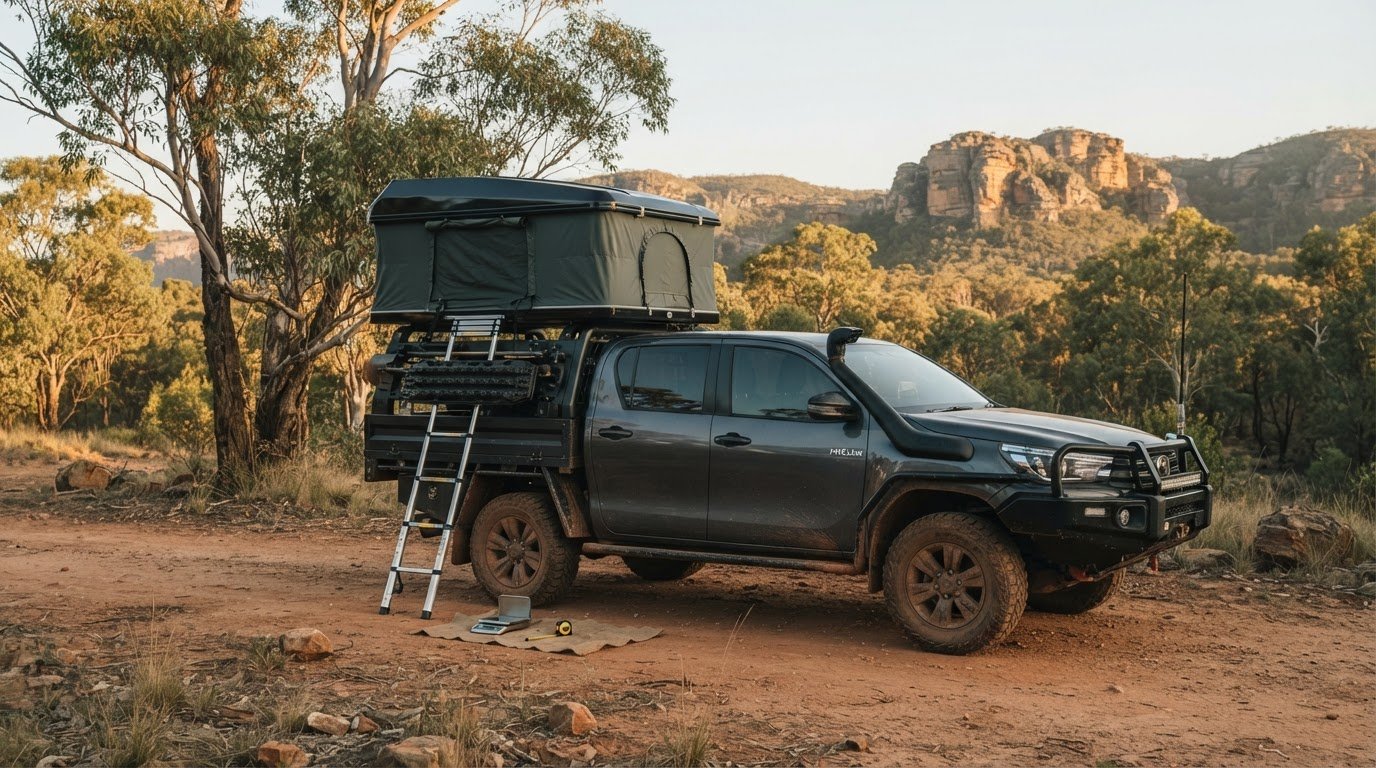
When you’re chasing a tide at 4:00 AM, you don’t want to be fumbling with tent poles and pegs in the dark. We recommend hard shell designs for remote coastal missions because they pop open in seconds and withstand the high winds common on eastern beaches. Elevation is a critical safety factor when exploring the far north. Staying off the ground keeps you clear of inquisitive crocodiles in northern estuaries and ensures a dry bed if an unexpected king tide pushes further up the sand than anticipated. For a deep dive into the latest models, check out our rooftop tents reviews to find a setup that fits your vehicle’s weight rating.
Maximum Shade: Choosing the Right 4WD Awning
The Queensland sun is relentless, especially when you’re cleaning a haul of flathead at midday. A high-quality awning is your most important piece of sun protection. While a standard side awning works for quick stops, we prefer 270-degree wraps that cover the side and the rear of the vehicle. This creates a massive, shaded workspace for tackle prep and cooking. Look for materials treated for UV resistance and heavy-duty hinges that won’t snap in a coastal gust. You can find our top picks for the season in our guide on the best 4WD awnings for 2026.
The Mobile Kitchen and Storage
Keeping the catch fresh is the ultimate challenge in the heat of the Gulf or Cape York. Reliable on-board power, usually a dual-battery system with solar input, is mandatory to run a 12V fridge. We use internal dividers to keep bait separate from the fillets. To protect your expensive 2026 Shimano Zodias rods from “gear shake” on rough tracks, invest in vertical or interior roof-mounted rod holders. For those who prefer a trailer setup for extra gear, Packard Trailers offers expert guidance on selecting high-durability materials that can handle the rigors of off-road travel. Finally, never head to remote 4wd fishing spots Queensland tracks without a full recovery kit. We’ve found the Maxtrax All-Terrain Recovery Shovel, released in early 2026, to be a game-changer for clearing sand from under the chassis before the tide turns.
Mastering the Terrain: Safety and Technical Tips for Remote QLD
Reaching the most isolated 4wd fishing spots Queensland provides requires more than just a locked diff and a heavy-duty rod. It demands an intimate understanding of the shifting environment. We’ve seen too many dream trips end in a massive recovery bill because someone underestimated the power of a turning tide or the softness of a coastal bypass. Safety isn’t just a checklist; it’s the foundation of every successful remote mission. When you’re hundreds of kilometers from the nearest mechanic, self-reliance is your most valuable asset.
Tide Management and Beach Driving
Timing is everything when you’re navigating the coastline. We follow a strict “Two-Hour Rule,” which means we never drive on the beach within two hours of high tide. This window keeps us on the hard-packed sand and away from the treacherous, energy-sapping soft stuff near the dunes. Watch for “coffee rocks” and creek crossings that can wash out after heavy rain, creating deep ruts that can easily snag an axle. To maintain traction and floatation, we recommend dropping your tire pressure to a range of 15-20 PSI for soft QLD sand. This increases your footprint and prevents you from digging in when the track gets heavy.
Remote Safety and First Aid
In the Far North, the “Croc-Wise” protocol is non-negotiable. We always stay at least five meters back from the water’s edge when casting or scouting a new hole. Never clean fish or dump scraps where you’re camping or fishing; it’s effectively ringing a dinner bell for local apex predators. Beyond crocodiles, our kits include specific treatments for marine stings and stonefish injuries, which are common risks in tropical estuaries. If you’re looking to upgrade your setup for these harsh conditions, explore our expert rooftop tent recommendations to ensure you’re sleeping safely above the high-tide mark and away from ground-dwelling threats.
Vehicle Recovery and Communication
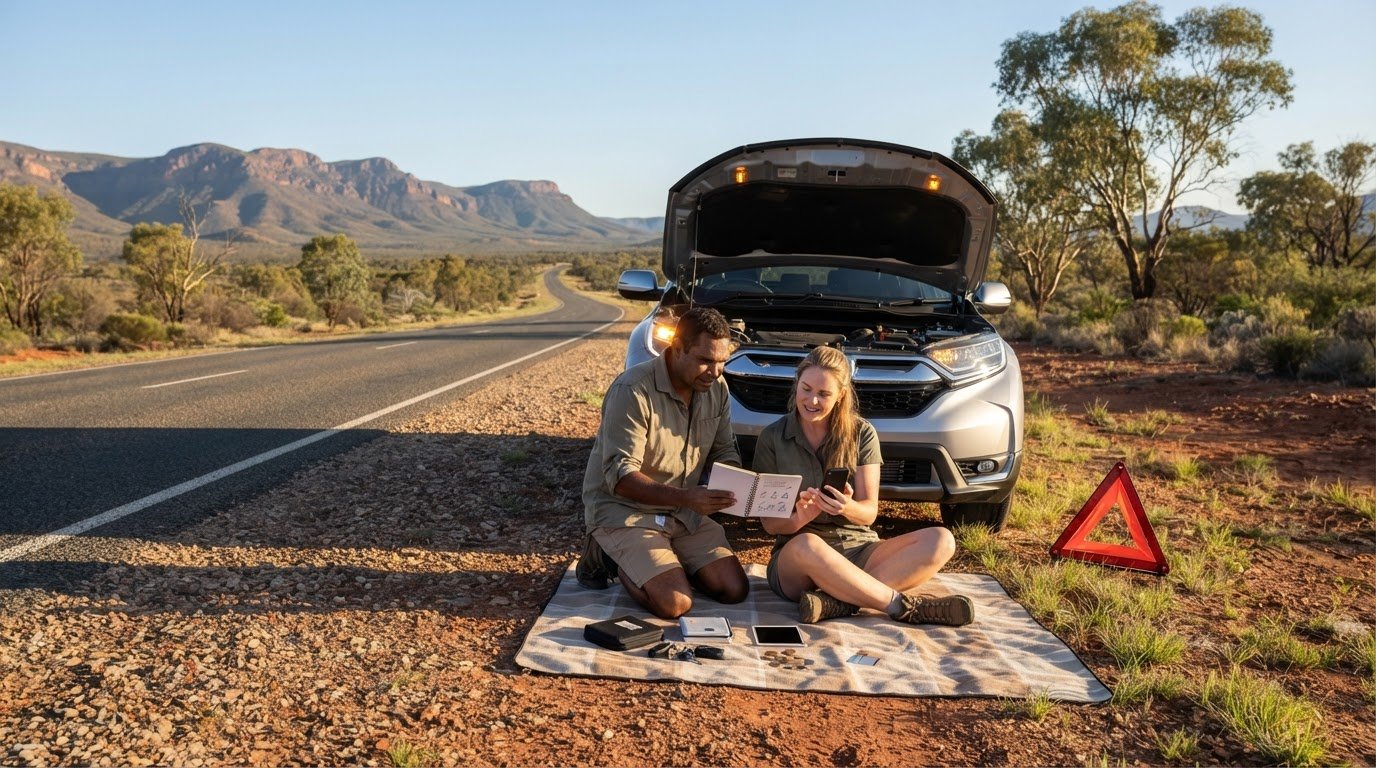
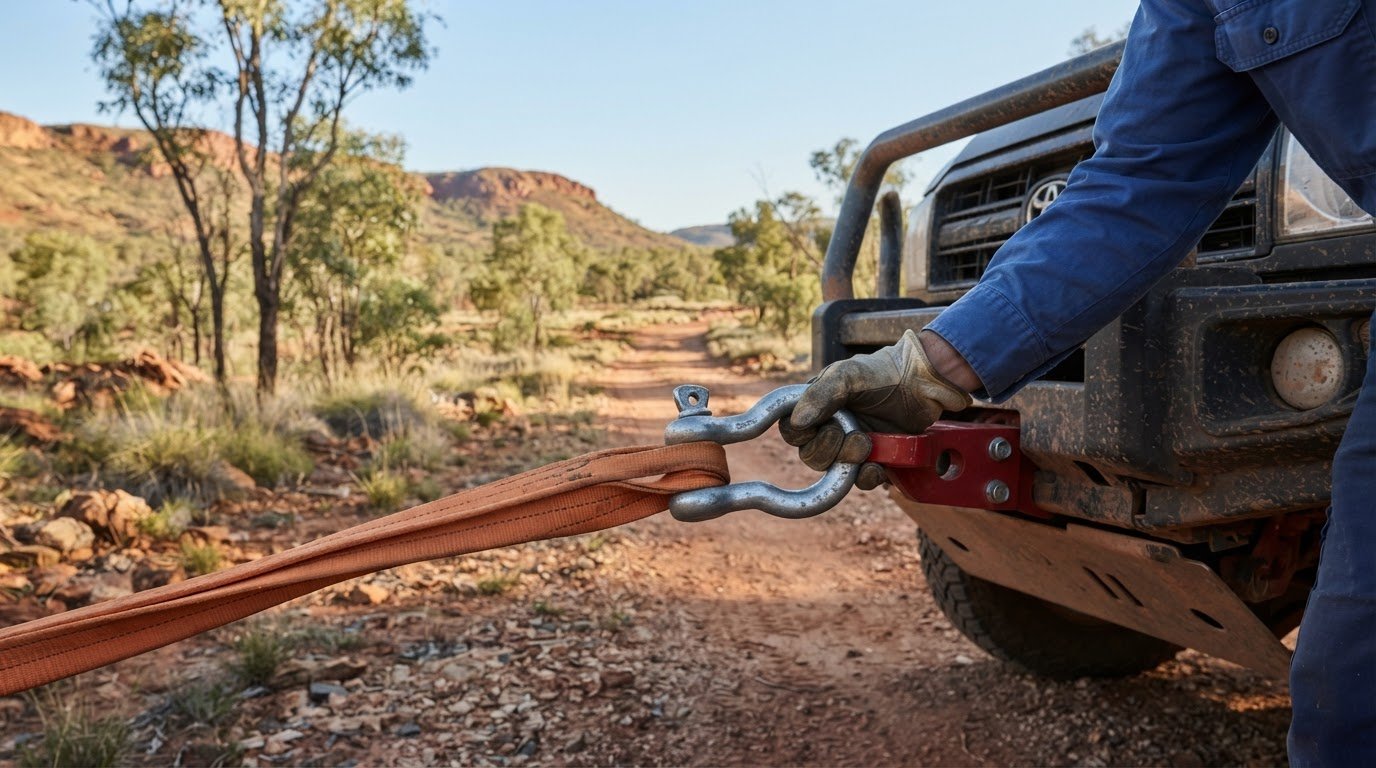
When you do get stuck, knowing which tool to grab saves time and equipment. We use recovery boards for most sand bogs where we just need a bit of lift and grip, but we save the winch for heavy mud or steep creek banks where a solid anchor point is available. Because many 4wd fishing spots Queensland offers sit in total cellular “dead zones,” we never leave without a satellite messenger or a high-gain UHF radio. Staying connected with the community and emergency services isn’t just smart; it’s essential for responsible exploration in the wild frontiers of the north.
The Ethical Angler: Sustainable Practices for Queensland’s Wild Frontiers
Accessing the most remote 4wd fishing spots Queensland has left is a privilege, not a right. As we push further into these wild frontiers, our footprint becomes more significant. We’ve seen how quickly a “secret” spot can be ruined by a single season of neglect. Being an ethical angler in 2026 means moving beyond just following the law; it’s about adopting a mindset of active stewardship. We don’t just visit these places; we guard them for the next generation of our community.
Conservation-Minded Camping
The golden rule of remote travel is simple: pack it in, pack it out. This applies to everything from your nylon line scraps to your greywater. In the soft dune environments of K’gari or the Capricorn Coast, staying on existing tracks is non-negotiable. Veering off-path destroys the fragile vegetation that holds the dunes together, leading to erosion that can close tracks permanently. When managing campfires in national parks, we always use designated fire rings and bring our own milled timber. Collecting fallen branches might seem harmless, but it removes vital habitat for local reptiles and insects. By using our recommended roof top tents, we also minimize our ground disturbance, leaving the bush exactly as we found it.
Respecting Traditional Owners is a core part of our mission. Many of the best 4wd fishing spots Queensland offers are on lands with deep cultural significance and active Native Title. We always check for local access protocols and respect any “no-go” zones or seasonal closures. This respect builds the fellowship and reliability our community is known for. It ensures we remain welcome guests on country rather than intrusive outsiders.
Sustainable harvesting is about more than just bag limits. With the 2026 regulation changes, including mandatory shark excluder devices on crab pots and new spawning closures for black jewfish, staying informed is critical. We practice catch and release for large “breeder” fish to keep populations healthy. If you see illegal dumping or poaching, report it immediately. Accountability is what keeps our wild river mouths and beach gutters productive.
The Future of Remote Fishing
The Adventurerz community fosters a culture of respect and specialized expertise. We encourage every member to contribute to citizen science by reporting rare sightings or significant environmental changes during their trips. Whether it’s a change in creek morphology or an unusual species migration, your data helps protect these ecosystems. Ready to lead the way in responsible exploration? Check out our latest 4wd awnings to stay protected on your next mission and join us in keeping Queensland’s wild frontiers pristine. Let’s gear up, head out, and leave nothing but tire tracks in the sand.
Gear Up and Hit the Tracks
The wild frontiers of the north and the shifting sands of the southern islands are calling. We’ve explored the essential technical skills, from managing tire pressures to navigating the strict 2026 permit requirements for K’gari and Moreton Island. Success in these remote environments isn’t just about the trophy catch; it’s about the durability of your rig and your commitment to leaving no trace. By mastering your setup and respecting the traditional lands you traverse, you ensure these 4wd fishing spots Queensland provides remain open and productive for years to come.
We believe that every great adventure starts with reliable information and the right community behind you. Our platform is built on community-vetted 4WD gear recommendations and expert-led remote Australia travel guides that prioritize a focus on sustainable and ethical adventure. Don’t leave your 2026 expedition to chance. Explore our expert-reviewed gear and plan your 2026 escape with Adventurerz. The tracks are waiting, the tide is turning, and the next big story is yours to write. See you out there!
Frequently Asked Questions
What is the best 4WD for beach fishing in Queensland?
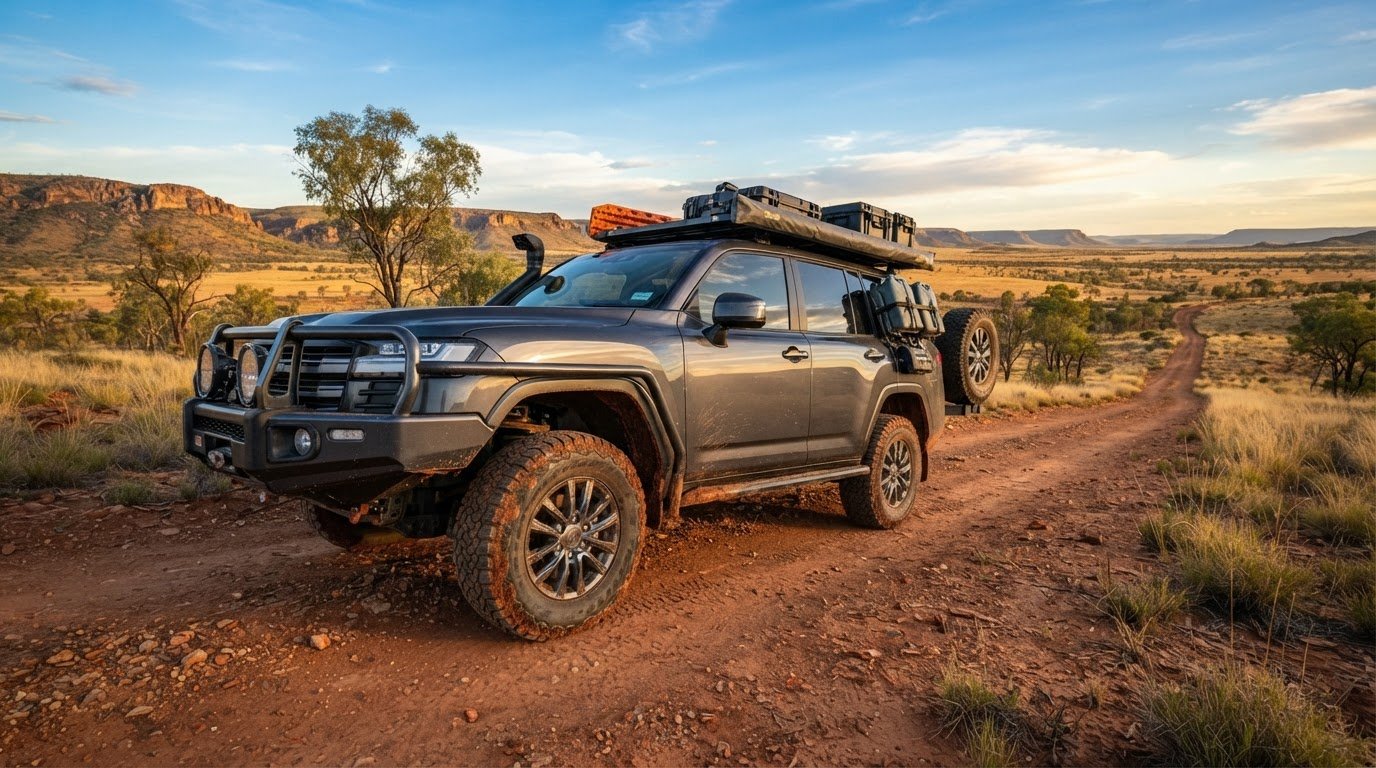
A vehicle with high ground clearance and a dedicated low-range transfer case is the gold standard for our coast. We look for rigs that can handle soft sand without overheating, often favoring diesel engines for their low-down torque. While many modern wagons are capable, the ability to fit larger tires and a snorkel for creek crossings makes a huge difference when scouting for the best 4wd fishing spots Queensland has to offer.
Do I need a permit for 4WD fishing on Bribie or Moreton Island?
Yes, vehicle access permits are mandatory for both islands and must be booked before you hit the sand. For Bribie Island, a permit for one week or less costs $59.30, while Moreton Island (Mulgumpin) requires a $59.80 fee for up to one month. We recommend booking these online through the Queensland National Parks service well in advance, as site numbers are limited during peak periods.
How do I protect my 4WD from salt spray while fishing on the beach?
We use a combination of lanolin-based sprays and heavy-duty rust-proofing treatments before we head out. It’s essential to coat the underbody, chassis rails, and engine bay to create a barrier against the corrosive salt air. After every trip, give your rig a thorough high-pressure wash with a salt-neutralizing solution to ensure no hidden pockets of salt remain to eat away at your metal.
What are the most common fish species to target in remote Queensland?
Is it safe to camp on the beach in North Queensland because of crocodiles?
Beach camping in North Queensland requires extreme vigilance and specific gear to stay safe. We never sleep on the ground in these regions; we always use rooftop tents to stay elevated and out of reach of apex predators. It’s vital to stay at least five meters back from the water’s edge and avoid camping near river mouths where crocodile activity is highest.
What recovery gear is essential for remote Queensland 4WD trips?
We never head out without a full recovery kit that includes heavy-duty recovery boards, a long-handle shovel, and a reliable tire deflator. A snatch strap and rated shackles are essential if you’re traveling with a buddy, but for solo missions, a winch is your best friend. The Maxtrax All-Terrain Recovery Shovel is a great 2026 addition for clearing sand quickly before the tide turns.
Can I use a standard 2WD vehicle for any of these remote spots?
No, we strongly advise against taking 2WD vehicles to any of the remote locations mentioned in this guide. The soft sand tracks on the islands and the corrugated river crossings in the north are designed strictly for 4WD systems with low-range capability. Attempting these tracks in a 2WD isn’t just risky; it’s a guaranteed way to get bogged and potentially lose your vehicle to the ocean.
How do I find tide times for remote Queensland locations with no phone service?
We always carry physical tide charts or download the data to a dedicated GPS unit before we leave the bitumen. Many satellite messengers and high-end fish finders also have built-in tide predictors that don’t require a cellular signal. Understanding the tides is the most critical part of beach driving, so we treat this information as a non-negotiable part of our preparation.