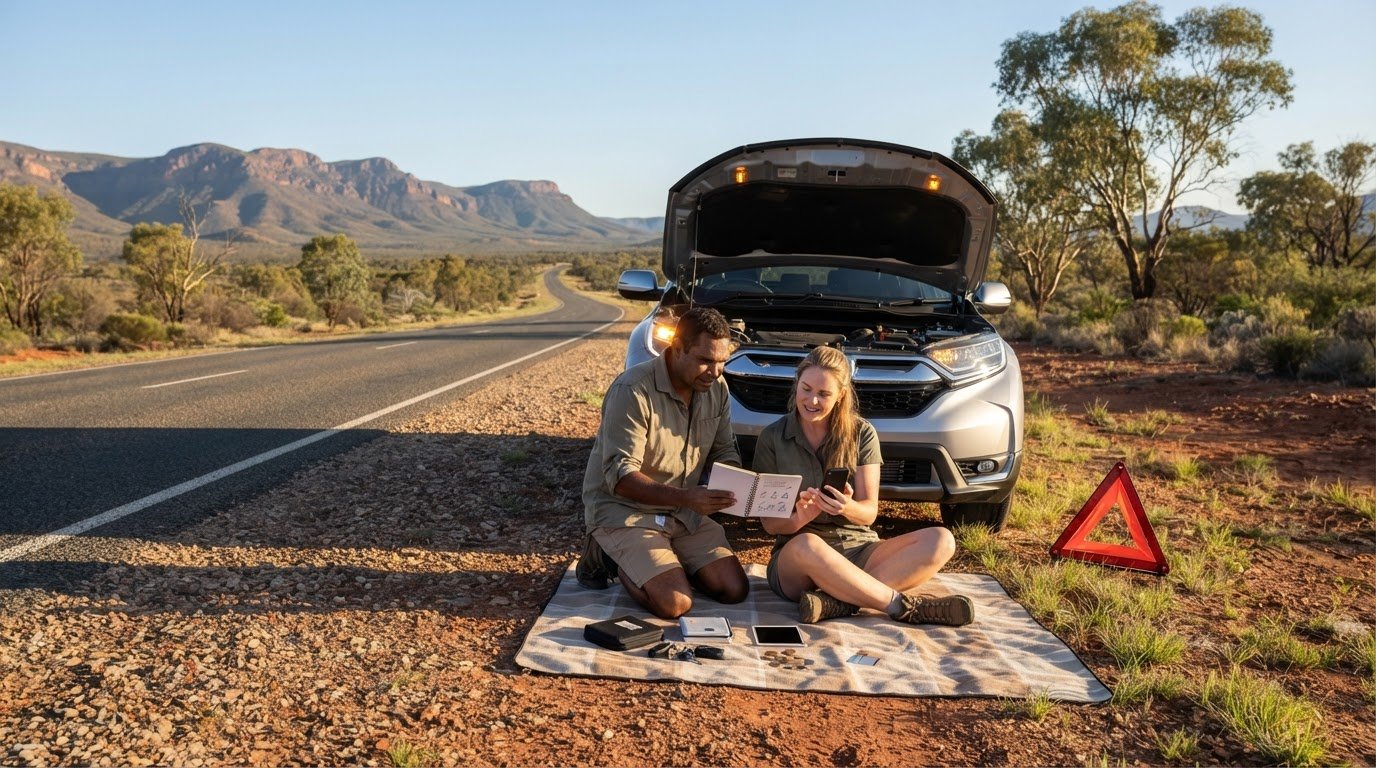
What if the only thing standing between you and the most breathtaking remote vistas in Australia isn’t your vehicle’s horsepower, but a simple lack of confidence? We’ve all felt that familiar spike of adrenaline and slight hesitation when staring down a technical section of 4WD tracks near Redcliffe or any rugged Australian trail. It’s completely natural to worry about getting bogged in deep sand or misjudging a rocky incline that might damage your rig. As Adventurerz, we understand that the gap between a stressful recovery and a triumphant crossing is usually filled with the right knowledge and a bit of peer support.
You deserve to explore the wild corners of our continent with total peace of mind. We promise to help you master challenging tracks by providing expert gear advice and responsible driving techniques for your next remote journey. This guide clears up the confusion surrounding track difficulty ratings and highlights which recovery gear is truly essential for your setup. We’ll also explore how sustainable off-roading practices and high-quality additions like a reliable rooftop tent or awning can transform your experience. Let’s get you ready to tackle the terrain with the skill of a seasoned mentor and the heart of an explorer.
Key Takeaways
- Learn to identify high-quality routes that require specialized traction and high-clearance vehicles for a successful Australian expedition.
- Master the use of essential recovery gear like winches and snatch straps to stay self-reliant while exploring 4WD tracks near Redcliffe.
- Gain the confidence to choose the right path by decoding the standard grading system from Easy to Extreme.
- Protect the landscapes we love by adopting ethical driving habits that prevent track braiding and preserve our remote trails.
- Streamline your preparation with a step-by-step planning framework that prioritizes offline maps and satellite communication for total safety.
Table of Contents
What Defines a Quality 4WD Track for Australian Explorers?
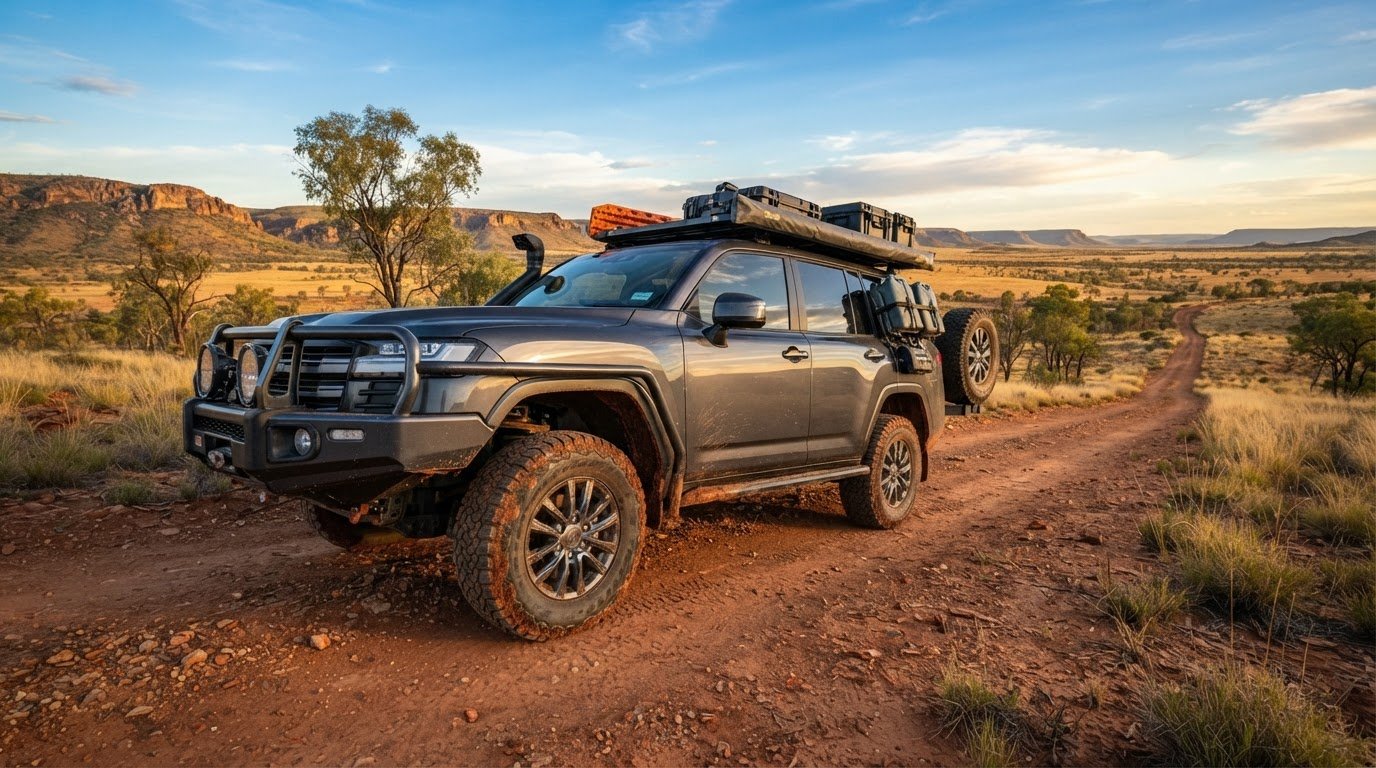
A true 4WD track is more than just an unsealed road. It’s a route that demands high-clearance vehicles and four-wheel drive systems with specialized traction to overcome natural obstacles. When we look for 4WD tracks near Redcliffe, we aren’t just looking for a way to get from one point to another; we’re seeking an experience that tests our gear and our decision-making. Australia offers a brutal and beautiful mix of terrains. You might find yourself airing down for the soft, shifting sands of a coastal island or navigating the slippery, red clay mud found in our dense state forests. Rock hopping and gravel climbs require a different set of skills entirely. Whether you’re planning a quick weekend blast or preparing for long-term remote travel, understanding the path ahead is the first step toward a successful return.
To better understand how these tracks look in practice, watch this helpful video showing some local terrain:
The Anatomy of an Australian Off-Road Route
We define a quality route by its technical features and the challenge it presents to the community. You might encounter deep water crossings that require a snorkel, steep inclines that test your approach angles, or technical washouts that require careful spotting. Seasonal weather plays a massive role in our landscape. A dry gravel track can turn into a treacherous mud pit after a single summer storm. We always check local conditions because the fundamental nature of these tracks changes with the rain. A technical track is one requiring low-range gearing and precise wheel placement. Mastering these features is what builds the self-reliance we value as explorers.
Why Track Selection Matters for Your Vehicle
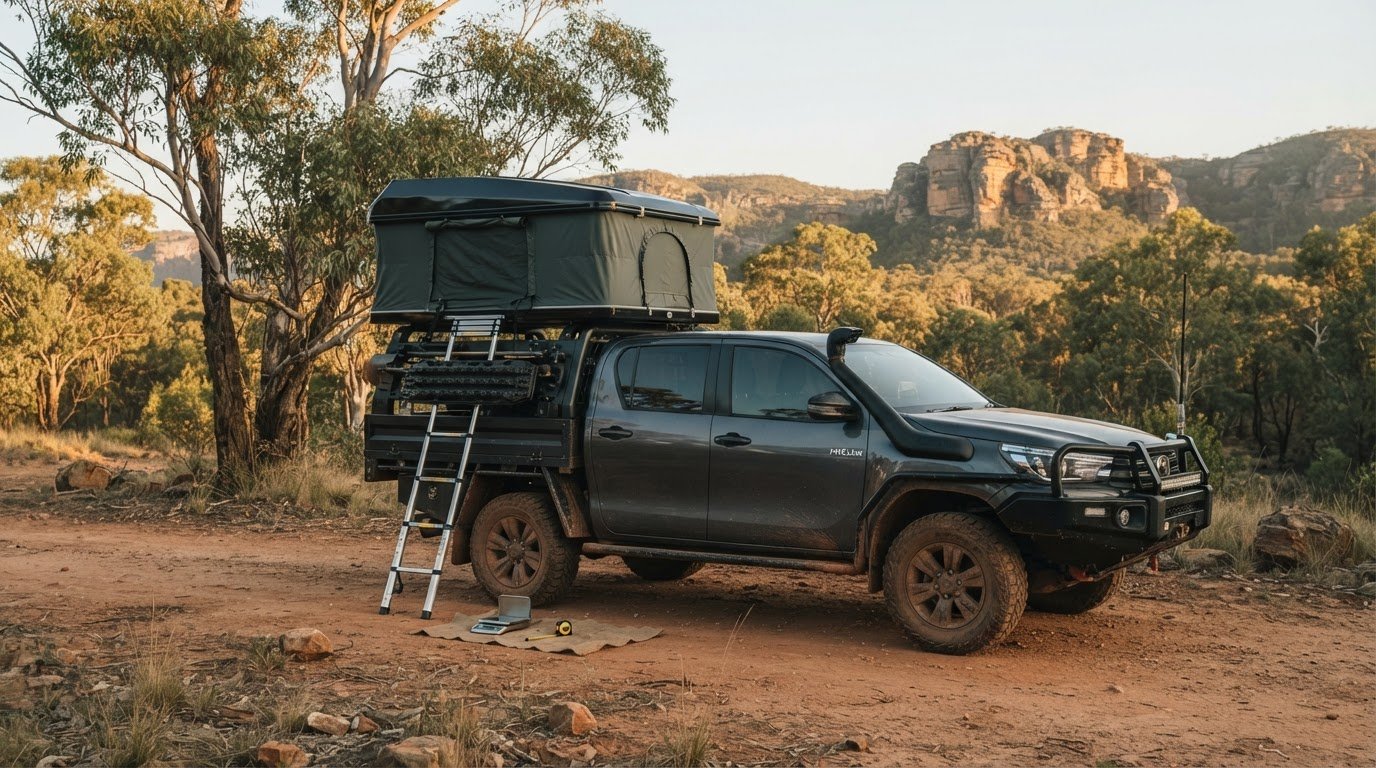
It’s vital to differentiate between AWD-friendly paths and dedicated 4WD-only territory. Taking an all-wheel-drive crossover into deep soft sand or steep rocky ruts often leads to expensive mechanical repairs or a long wait for a recovery. Mismatched vehicle selection puts unnecessary strain on your rig and the environment. We advocate for a methodical approach; start with easier tracks to build your confidence before heading into truly remote areas. If you’re planning an overnight stay on the trail, ensuring your vehicle is equipped with a sturdy roof top tent or one of the best 4wd awnings makes the transition from driving to camping seamless. Choosing the right track means you spend more time enjoying the rugged beauty of Australia and less time worrying about your underbody.
Essential Gear for Remote 4WD Track Exploration
Self-reliance is the backbone of our community. When you’re tackling 4WD tracks near Redcliffe or pushing into the deep outback, you are your own first responder. We believe that true exploration requires a synergy of high-performance gear and methodical preparation. While some travelers prefer traditional ground tents, we see vehicle-integrated accommodation as the gold standard for track-based travel. It keeps your footprint small and your setup time even smaller. If you’re planning an overnight stay, take a look at our latest rooftop tent reviews to see how these systems can streamline your remote setup and keep you ready for the next day’s climb.
Optimising Your Vehicle for Multi-Day Tracks
Elevating your sleep system with racks and rooftop tents offers a significant safety advantage. It keeps you well away from ground-dwelling wildlife and provides a flat, dry surface regardless of the terrain underneath. However, we must be mindful of how roof-mounted weight affects our center of gravity. During technical maneuvers or steep side slopes, that extra mass can influence vehicle stability. We always recommend keeping heavy gear low and using roof space for lighter items like bedding or a high-quality 4WD awning. These awnings provide rapid track-side shelter from the intense Australian sun or unexpected rain, making lunch stops or camp setups effortless.
The Recovery Kit: Non-Negotiables
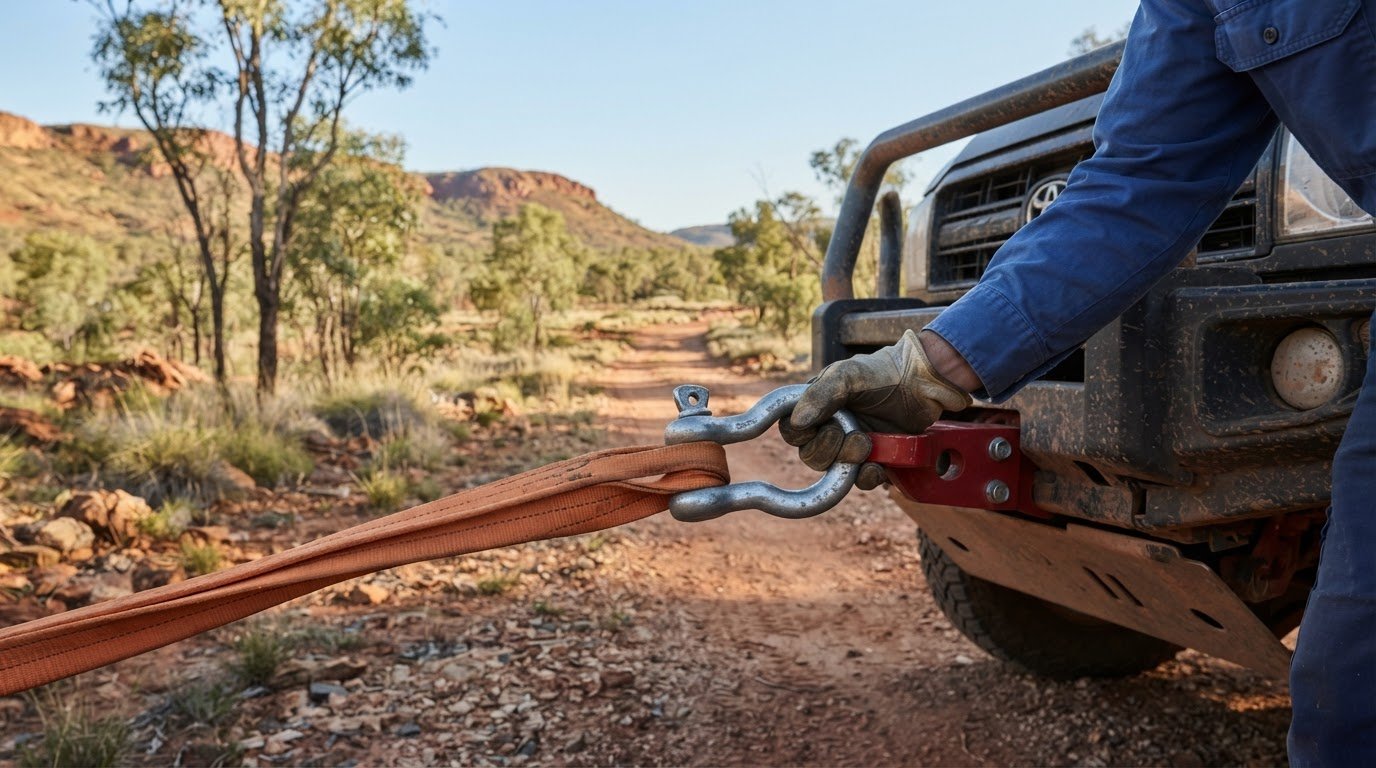
Your recovery kit is your lifeline when things don’t go to plan. We never rely on standard tow balls for recoveries because they aren’t rated for the extreme kinetic forces involved; they can fail catastrophically. Instead, we use dedicated, rated recovery points bolted directly to the vehicle frame. Before you head out, it’s wise to consult the Official QLD Driving Conditions to understand how recent weather might have impacted your planned route. We suggest a pre-trip gear inspection to check for frayed straps or leaking seals on your winch.
Every explorer’s kit should include these essentials:
- Traction Boards: Maxtrax are the industry standard for a reason; they’re often the quickest way out of a soft sand bog.
- Electric Winch: Ensure your winch has a synthetic rope and a reliable remote.
- Kinetic Snatch Straps: Use these with rated soft shackles to minimize metal projectiles during a recovery.
- Tire Management: A high-quality pressure gauge and a fast compressor are vital for airing down on 4WD tracks near Redcliffe.
If you’re looking to upgrade your setup for better protection and comfort, explore our community-vetted awning recommendations before your next adventure.
Understanding 4WD Track Difficulty Ratings
Deciphering the Australian grading system is essential for any explorer who values their vehicle and their safety. We don’t treat these ratings as mere suggestions; they are a vital framework that helps us match our skills and equipment to the terrain. When researching 4WD tracks near Redcliffe or planning a journey across the Simpson Desert, you’ll encounter a four-tier scale: Easy, Medium, Hard, and Extreme. Understanding the nuances of each tier ensures we don’t end up in a situation that exceeds our preparation. It’s also a matter of environmental ethics; a driver who is out of their depth is much more likely to cause track damage through wheel spin or by veering off-path to avoid obstacles.
One of the most important lessons we’ve learned is that track conditions are dynamic. A “Medium” rated track can grade up to “Hard” or even “Extreme” following a heavy rain event or a season of high-traffic use. We always recommend seeking out current local knowledge from community forums or ranger stations before attempting any route rated “Hard” or above. This peer-to-peer exchange of information is what keeps our community safe and self-reliant on the trail. Don’t be afraid to ask for a recent report; it’s the mark of a methodical and responsible explorer.
Easy to Medium: The Gateway to Exploration
Easy tracks are our entry point into the wild. These routes are mostly maintained gravel or sand surfaces where high-clearance 4WDs can travel comfortably without much technical input. As we move into Medium territory, the challenge increases. A beginner should expect to engage low-range gearing and use basic recovery knowledge to navigate moderate ruts, small rock steps, or shallow water crossings. For these adventures, a reliable set of all-terrain tires and a modest suspension lift are often the best vehicle setups to ensure a smooth journey without over-stressing your components.
Hard to Extreme: Testing Your Limits
Hard tracks demand a significant jump in vehicle capability and driver experience. You’ll likely need specialized gear such as front or rear differential lockers and a winch to overcome steep, technical inclines or deep, rutted mud sections. Extreme tracks represent the pinnacle of off-roading, where the risk of panel damage and mechanical failure is a constant reality. These routes require methodical wheel placement and often hours of intense concentration. To stay sharp, we find that taking regular breaks under advanced 4WD awnings helps manage fatigue during these long, technical days. Having a shaded spot to review the next section of the track makes a world of difference for the whole team’s safety and morale.
Responsible 4WD Practices: Minimising Environmental Impact
We believe that being a true explorer means more than just conquering a difficult climb; it’s about ensuring those trails remain open for the next generation. As Adventurerz, we lead the way in ethical, sustainable off-road exploration because we love the rugged Australian landscape. One of the most damaging habits we see is “track braiding.” This happens when drivers create new paths around a difficult bog or obstacle instead of staying on the designated route. It destroys surrounding vegetation and widens the scar on the land. Whether you’re exploring 4WD tracks near Redcliffe or crossing a remote cattle station, staying between the lines is non-negotiable for our community.
Biosecurity is another critical responsibility. Our vehicles can carry invasive seeds and soil-borne pathogens like phytophthora over hundreds of kilometers. We always wash our underbodies and wheel arches thoroughly between trips to stop the spread of these silent killers. Regarding waste management, our rule is simple: if you pack it in, you must pack it out. This includes food scraps and toilet paper. For campfires, we only use existing pits and ensure every ember is dead-cold with water before we leave. Self-reliance means taking care of the environment as much as taking care of your rig.
The Ethics of Off-Road Driving
The “Tread Lightly” philosophy isn’t just a slogan; it’s a methodical approach to every kilometer we drive. We pay close attention to how our driving style affects soil health and erosion. High tyre pressures on soft ground lead to wheel spin, which digs deep trenches that water eventually turns into massive washouts. Lower tyre pressures increase the contact patch, reducing track damage and improving traction. By airing down properly for the conditions, we protect the trail and our tyres simultaneously.
Protecting Waterways and Sensitive Ecosystems
Crossing creeks and rivers requires a delicate touch to avoid causing bank erosion. We enter and exit at existing points and maintain a steady, slow speed to minimize our wake. Driving through salt marshes or sensitive coastal dunes is strictly prohibited because these ecosystems are incredibly fragile and slow to recover. If you spot significant track damage or illegal dumping while exploring 4WD tracks near Redcliffe, report it to the local authorities. We are the eyes and ears of the bush, and our collective accountability keeps these places pristine.
To see how we integrate these values into our gear choices, explore our expert reviews of sustainable rooftop tents.
Planning Your Next Australian 4WD Adventure
Planning is the moment where your dream of exploration transforms into a viable reality. Whether you are mapping out technical 4WD tracks near Redcliffe or preparing for a multi-week trek across the Gibson Desert, your success depends on a methodical approach to risk mitigation. We don’t just wing it; we calculate our requirements and prepare for the “what ifs” that the Australian bush inevitably throws our way. A solid framework starts with understanding your route’s fuel and water consumption, especially when the nearest service station might be a full day’s drive away. For those of us who live for the remote escape, we recommend using our Ultimate Adventure Travel Planner to manage your logistics and keep your itinerary structured and safe.
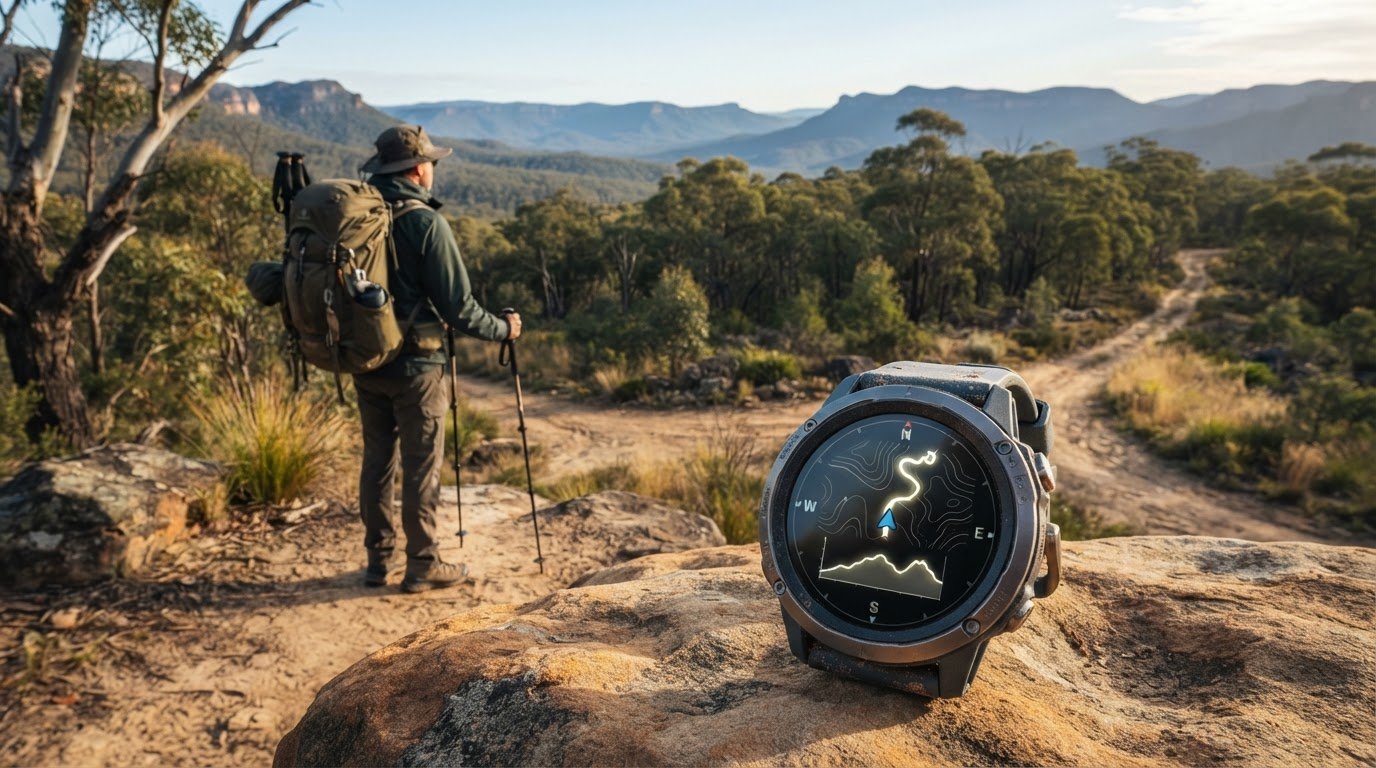
Modern technology has revolutionized how we navigate, but it hasn’t replaced the need for self-reliance. We always carry offline maps on dedicated GPS units or tablets because mobile reception disappears the moment you hit the dirt. For true remote work, satellite communication is a non-negotiable part of our kit. Whether it’s a satellite messenger for check-ins or a Personal Locator Beacon (PLB) for dire emergencies, having a way to call for help when you’re off the grid is vital. Our community relies on shared intel to stay safe, and checking recent track reports on the Adventurerz hub can save you from a “Medium” track that has recently graded up to “Extreme” due to local flooding.
Logistics and Safety Protocols
We follow a strict “Notify a Contact” rule for every remote journey. This means leaving a detailed trip plan with a trusted person back home, including your expected return date and the specific coordinates of your intended 4WD tracks near Redcliffe or beyond. When calculating fuel, we always add a 20% safety margin to account for low-range crawling and high-stress sand driving. Water calculations are equally critical; we plan for at least five to seven liters per person per day in remote conditions. Your emergency signaling gear and a comprehensive, vehicle-specific first aid kit should always be the most accessible items in your rig, not buried under your recovery boards.
Joining the Community of Explorers
While you focus on the trail, ensuring your property is managed efficiently can provide peace of mind. For property owners who want to maximize their vacation rental income during long-term travels, you can discover Allura Homes for professional management solutions.
The spirit of Adventurerz lives in the stories we share and the peer-to-peer advice that keeps us all moving forward. We invite you to share your photos and detailed track reports with the community after your next trip. This collective knowledge improves safety for everyone and helps us identify which trails need our protection from over-use or environmental damage. Your insights on track conditions or gear performance are what make us a hardy and self-reliant fellowship. Before you head out, explore our gear guides to ensure your setup is ready for the challenges ahead. We’ll see you out on the tracks!
Ready to Master the Australian Wild?
Your journey into the heart of the outback begins with a single, methodical step toward preparation. We’ve explored how mastering track difficulty ratings and carrying community-vetted gear recommendations can transform a daunting trail into a triumphant milestone. Whether you’re navigating technical 4WD tracks near Redcliffe or pushing deep into the red center, your commitment to sustainable Australian exploration ensures these environments remain pristine for all of us. By prioritizing expert-led adventure planning and high-performance recovery tools, you build the self-reliance needed for a truly remote escape.
We are here to support your growth as a responsible explorer. Now is the time to audit your rig and ensure your setup matches your ambition. You can find the perfect rooftop tent for your next track adventure and join a fellowship of travelers who value durability and environmental ethics. The tracks are calling, and with the right knowledge, you’re more than ready to answer. We’ll see you out there on the next great Australian crossing!
Frequently Asked Questions
How do I find 4WD tracks in my local area?
Find tracks by using digital platforms, community forums, and official government park websites. We recommend checking community-driven hubs like Adventurerz for peer-vetted track reports. Look for topographic maps and specialized 4WD apps that offer offline capabilities. Local 4WD clubs are also excellent sources for current track conditions and difficulty levels. Always cross-reference multiple sources to ensure you have the most up-to-date intel before heading out into the bush.
Can I tackle 4WD tracks with a standard SUV?
Check the track grading and your vehicle’s ground clearance before heading out. While some Easy rated 4WD tracks near Redcliffe might be accessible to all-wheel-drive SUVs, technical tracks require a true four-wheel-drive system with low-range gearing. Standard SUVs often lack the underbody protection and approach angles needed for rocky or rutted terrain. We suggest sticking to maintained gravel roads unless your vehicle is specifically equipped for off-road use.
What is the most essential piece of recovery gear for tracks?
A high-quality set of traction boards, such as Maxtrax, is the most essential recovery item. They are versatile, easy to use, and don’t require another vehicle or a winch anchor point. Beyond boards, we always carry a rated snatch strap and soft shackles. These items form the foundation of a self-reliant recovery kit. Ensuring your gear is community-vetted and rated for your vehicle’s weight is vital for safety on remote tracks.
How do tyre pressures affect my performance on off-road tracks?
Lowering your tyre pressure increases the surface area of the rubber in contact with the ground. This contact patch provides significantly better traction in soft sand, mud, and on rocky inclines. It also allows the tyre to absorb impacts from rocks and ruts, which protects your suspension and improves ride comfort. We always use a reliable deflator and carry a compressor to re-inflate before returning to sealed roads after a day of exploring.
Is it safe to drive 4WD tracks alone?
Traveling in a group of at least two vehicles is much safer than going alone. Having a second rig means you have an immediate recovery option and a way to seek help if mechanical failure occurs. If you must travel solo, ensure you have reliable satellite communication and leave a detailed trip plan. Exploring remote 4WD tracks near Redcliffe alone requires a higher level of preparation and self-reliance to manage risks effectively.
What should I do if a track looks too difficult for my vehicle?
Stop, get out, and walk the section to assess the risk if a track looks daunting. If you feel uncomfortable or if the obstacles exceed your vehicle’s clearance and traction capabilities, turn around or find an alternative route. There is no shame in acknowledging a track is beyond your current skill level or equipment. We value methodical decision-making over reckless driving because protecting your rig and the environment is our top priority.
How can I minimize my impact on the environment while 4WDing?
Stick to the designated tracks to prevent track braiding and soil compaction in sensitive areas. We always practice pack it in, pack it out waste management and avoid driving through salt marshes or fragile dunes. Cleaning your vehicle’s underbody between trips is also essential to stop the spread of invasive seeds and pathogens. By following these sustainable practices, we ensure that the rugged Australian landscapes remain open and healthy for every explorer.
Do I need a snorkel for water crossings on Australian tracks?
A snorkel is highly recommended if your adventures involve any water crossings. It raises the engine’s air intake point to roof level, which prevents hydro-locking your motor if the water gets deep or you hit a hidden hole. Even in shallow crossings, a snorkel provides protection against the bow wave created by your vehicle. It also helps deliver cleaner air to the engine in dusty, convoy conditions common on remote Australian tracks.