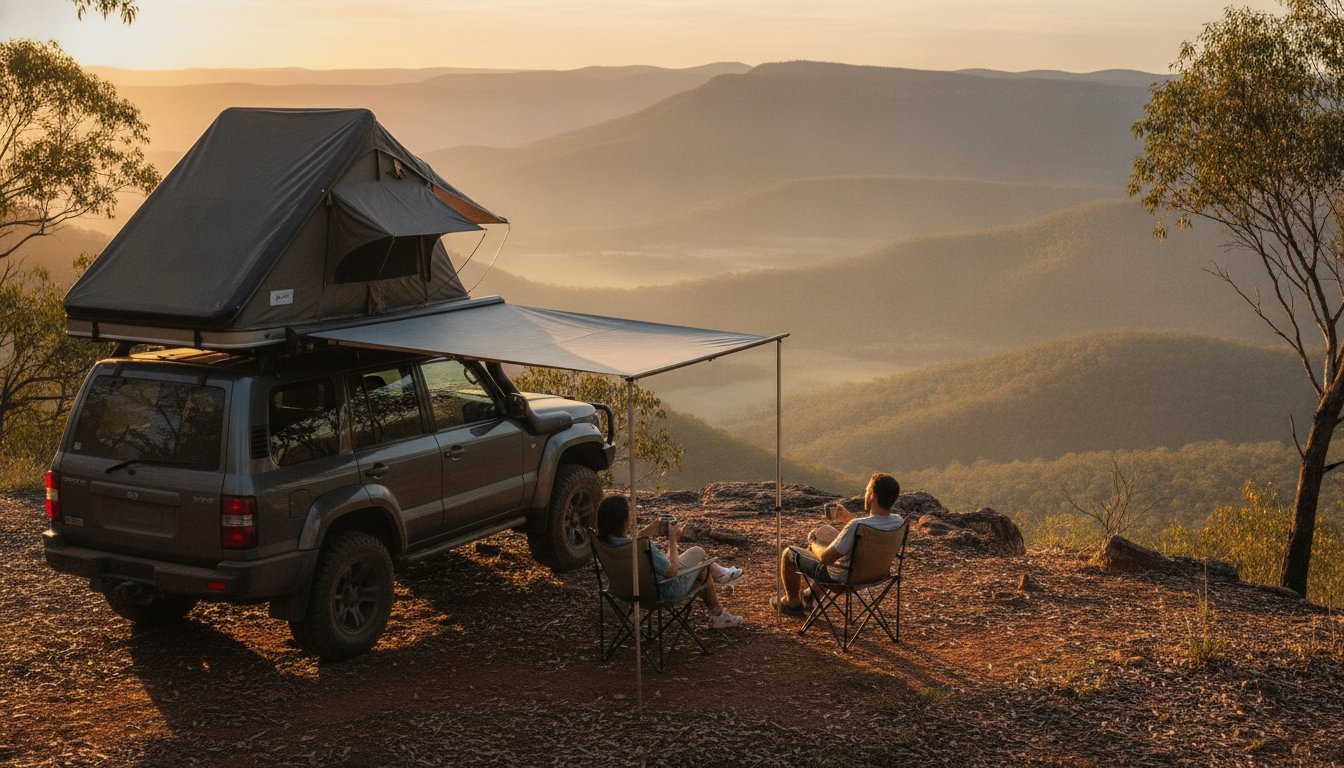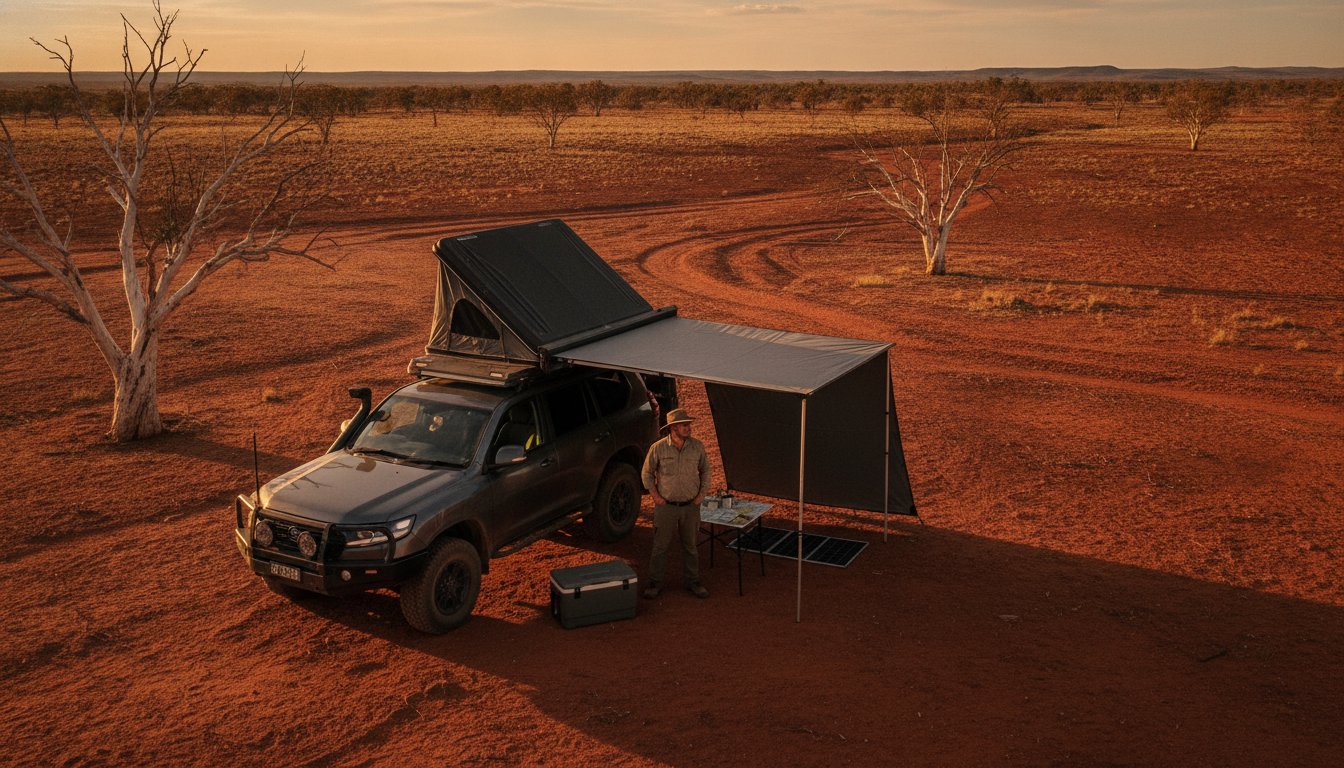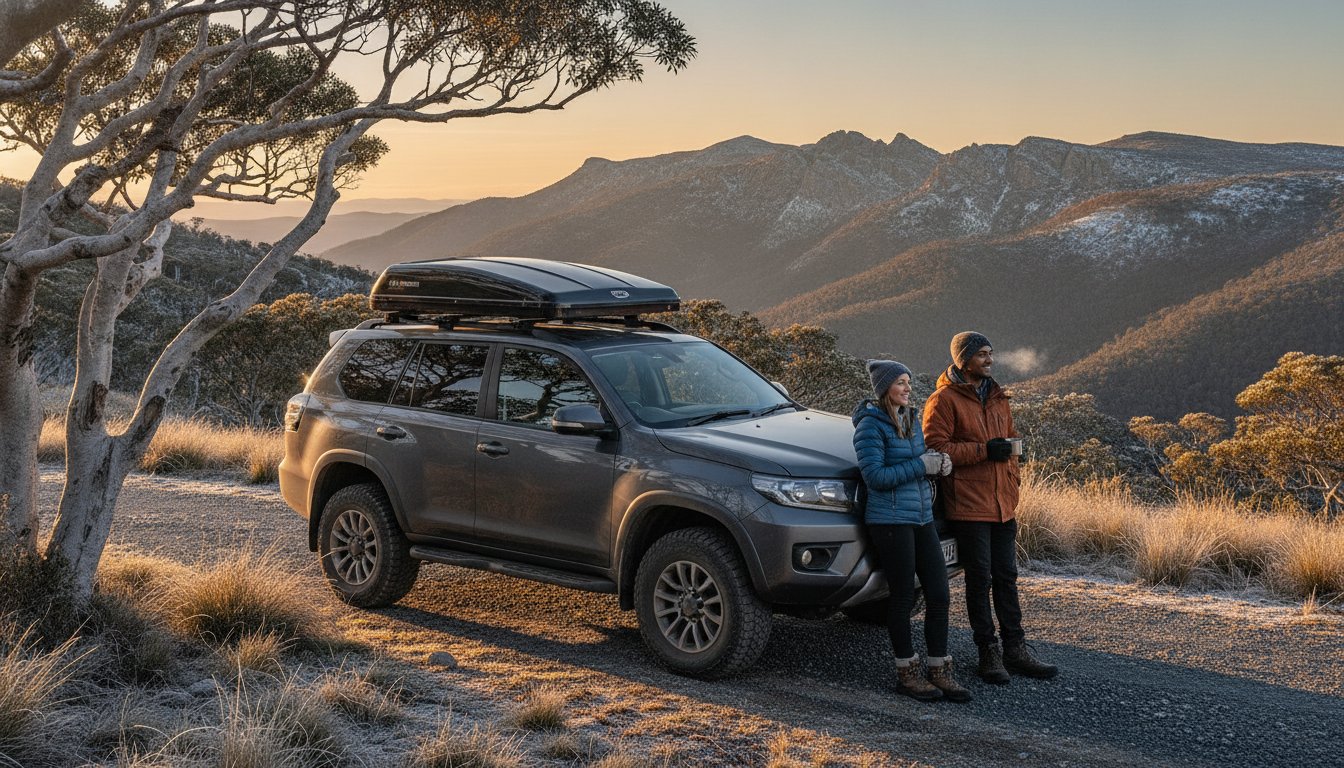
Imagine it is 2 AM in the Victorian High Country and you have just slid off your sleeping pad for the third time because your rig is at a five degree tilt. You try to reach for the door, but the zipper is jammed solid because your vehicle frame is twisting under the uneven load. If you have ever felt your ladder shift on soft ground or struggled with a tent that feels like a funhouse mirror, you know that learning how to level a car for roof top tent use is about more than just comfort. It is about protecting your investment and your sanity.
We understand the struggle of finding that perfect, flat patch of dirt in the rugged Australian scrub. It is a vital skill that separates the seasoned explorers from the exhausted ones. We are here to help you master this three point balance between terrain, suspension, and ladder geometry. You will learn how to achieve a perfectly level sleeping surface every time without damaging the environment or your expensive rack system.
In this 2026 guide, we’ll walk through the best techniques using everything from $40 interlocking blocks to heavy duty recovery tracks. We also dive into how to account for suspension sag and ensure your setup remains stable all night long. Let’s get your rig sorted so you can focus on the stars, not the slope.
Key Takeaways
- Discover why a level rig is essential for healthy blood flow and managing internal condensation during those crisp nights in the bush.
- Learn exactly how to level a car for roof top tent setups using versatile tools like recovery tracks or interlocking blocks for maximum stability.
- Master the 70-degree rule for ladder geometry to ensure your weight is supported correctly without putting undue stress on your vehicle’s frame.
- Protect our fragile environments by adopting sustainable leveling practices that follow Leave No Trace principles instead of disturbing the soil.
- Perfect your site scouting with our 360-degree walk-around technique to utilize natural terrain for a faster and more repeatable camp setup.
Why Leveling Your Rig is Non-Negotiable for RTT Camping
We’ve spent years scouring the Australian outback for that perfect hidden camp. While the view might be world-class, the ground rarely is. Before you pop the latches, you need to understand that a level rig is the foundation of a safe and restorative trip. Mastering how to level a car for roof top tent use is a fundamental skill for any serious explorer. If you are new to the lifestyle, you might wonder What is Overlanding? at its core; it’s about the journey and the self-reliance to manage your gear in remote spots. Part of that self-reliance is ensuring your sleeping surface doesn’t feel like a slide.
The Sleep Quality Factor
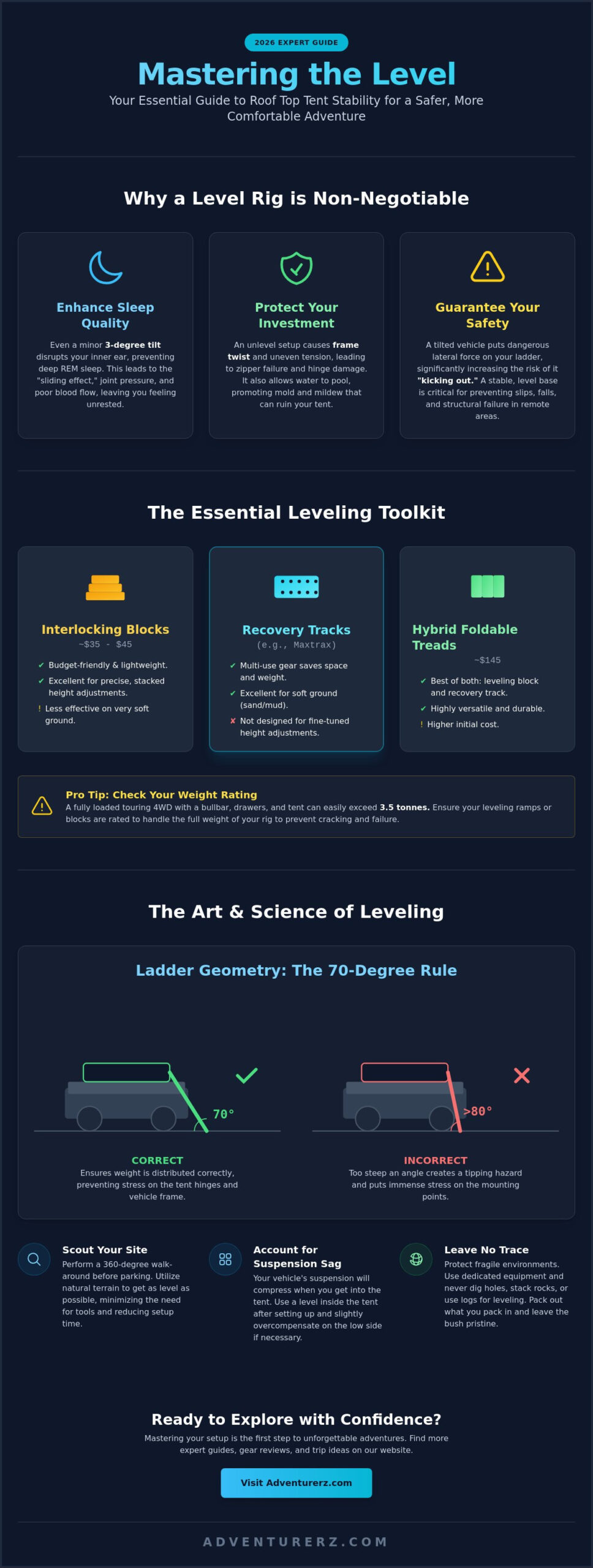
Even a tiny 3-degree tilt can sabotage your REM cycle. Your inner ear detects the imbalance, keeping your brain in a state of low-level alertness all night. In a multi-person tent, this creates the “sliding effect” where everyone ends up bunched against the downhill wall. It’s more than just a space issue. It puts massive pressure on your joints and disrupts blood flow, leading to that “camp hangover” feeling the next morning. We recommend checking out our latest roof top tents reviews to see which models offer the best internal support for these conditions.
Protecting Your Investment
Your tent is a precision piece of engineering. When your vehicle sits at an angle, the weight of the tent and its occupants isn’t distributed evenly across the mounting tracks. This leads to frame twist, which is the primary reason for zipper failure and jammed hinges. If the fabric is under uneven tension, those heavy-duty zippers will eventually pull apart or snag. Beyond the mechanics, there’s the moisture problem. Roof top tents are designed to shed water via specific drainage paths. If you’re tilted, water pools in the corners of the canvas or under the mattress. This is the silent killer that leads to mold and mildew, potentially ruining a thousand-dollar investment in a single wet season.
Safety is our top priority in the bush. A tilted vehicle significantly increases the risk of ladder kick-out. If your rig leans downhill toward the ladder side, you’re putting lateral force on those aluminum rungs they weren’t designed to handle. One slip on wet grass or loose gravel, and the whole structure can shift. We want you to stay out there longer, which means treating your setup with the respect it deserves. Knowing how to level a car for roof top tent stability ensures your ladder stays planted and your frame stays straight, no matter how rugged the terrain gets.
The Essential Leveling Toolkit for Every Adventurer
We’ve all seen the “she’ll be right” approach to camping. It usually involves a precarious stack of flat rocks or a half-rotten log found near the treeline. Not only is this unstable, but it also goes against our commitment to leaving the bush exactly as we found it. To get the job done properly, you need a dedicated kit. Learning how to level a car for roof top tent stability is much easier when you aren’t fighting with nature. Your toolkit should balance weight, durability, and multi-use functionality to keep your rig light and capable.
Many of our community members ask if their recovery boards can pull double duty. While a pair of Maxtrax can work in a pinch, they aren’t designed for fine-tuned height adjustments. Instead, we often recommend dedicated solutions like the Camco FasTen Leveling Blocks. A 10-pack of these interlocking blocks usually costs between $35 and $45, making them a fantastic budget-friendly entry point. If you want gear that serves two purposes, a pair of GoTreads costs around $145. These are unique because they fold up into a sturdy leveling platform but still work as a high-quality recovery track when you’re bogged in the sand.
Choosing the Right Ramps
Graduated ramps offer a smooth, stepless climb, which is great for precision. However, stackable blocks are often better for heavy 4WD tires because they won’t crack under the weight of a fully loaded touring rig. Always check the weight rating of your ramps. A modern Aussie 4WD with a steel bullbar, rear drawers, and a tent can easily exceed 3.5 tonnes. We suggest storing your dirty ramps in a dedicated external bag or strapped to your roof rack. You don’t want the mud from a rainy night in the Otways ending up on your clean cabin carpet.
Precision Measurement Tools
You can’t always trust your eyes when the sun is setting. We recommend mounting a permanent T-level on your center console or dashboard. This gives you an immediate read as you’re crawling around the campsite looking for the flattest spot. For the most accurate results, place a spirit level directly on your roof rack before you pop the tent. Suspension sag can mean your dash is level while your roof is actually tilting. If you prefer digital solutions, there are plenty of smartphone apps that use your phone’s internal gyroscope. Just remember to calibrate the app on a known flat surface, like a concrete garage floor, before you head into the wild.
Finally, don’t forget your wheel chocks. Once you have climbed onto your blocks or ramps, you must secure the vehicle. A stable campsite is a safe campsite. If you are still refining your gear list, our roof top tents recommendations highlight which models integrate best with different rack systems and leveling setups. Having the right measurement tools and ramps ensures you aren’t just guessing when it’s time to settle in for the night.
The Physics of Leveling: Suspension Sag and Ladder Geometry
Once you have your blocks in place, it is time to look at the dynamic forces that change as soon as you climb into bed. Many travelers make the mistake of thinking that a level car on the dash means a level tent in practice. In reality, leveling is a moving target. We have to account for how our vehicle reacts to the weight of occupants and the structural role of the ladder. Understanding how to level a car for roof top tent stability requires a basic grasp of your 4WD’s suspension behavior and the geometry of your setup.
The Occupant Weight Variable
Your suspension is designed to compress under load. When two adults climb into a tent, they add significant weight to one side of the vehicle, especially in fold-out soft-shell designs that overhang the body. This causes the springs to “squat,” often tilting the tent by several degrees. We recommend setting your vehicle up slightly higher on the tent-opening side. This way, when you and your partner settle in, the suspension compresses just enough to bring the sleeping surface into a perfect horizontal plane. Families using large tents should be especially mindful of this, as the combined weight can cause a dramatic shift that strains the roof rack mounting points.
Ladder Stability and Angle
Your ladder is far more than a set of stairs; it is a structural load-bearing pillar. For most tents, the “70-degree rule” is the gold standard. This angle provides the best balance between ease of climbing and structural support for the tent floor. If the ladder is too vertical, it won’t support the overhanging weight, putting all the stress on the hinges. If it is too shallow, the base can easily kick out on slippery Australian clay or loose sand. We always suggest using dedicated ladder feet pads or a flat piece of timber to prevent the ladder from sinking into soft soil overnight, which would slowly pull your tent out of level while you sleep.
Tire pressure also plays a silent role in your campsite stability. If you have aired down for a beach run, your sidewalls will be softer and more prone to swaying when you move around inside the tent. This can create a “seasick” feeling in high-clearance 4WDs with a high center of gravity. If you’re staying put for a few days, consider checking out our roof top tents reviews to find models with more rigid internal frames that help mitigate this movement. By mastering these physical variables, you ensure your setup remains rock-solid from the moment you zip up the door until the sun hits the canvas.
Step-by-Step: How to Level Your Car for a Roof Top Tent
Setting up camp should be a highlight of your day, not a chore. After a long drive through the red dust or coastal tracks, it is tempting to just kill the engine and pop the tent. However, taking ten minutes to execute a repeatable process ensures you won’t be adjusting your rig in the dark. Learning how to level a car for roof top tent success starts before you even shift into park. We want to help you get it right the first time so you can get the fire going and relax.
Initial Site Selection
Before you commit to a spot, perform a 360-degree walk-around of the site. We always look for the natural high point of the clearing. You want your tires on the firmest ground possible to prevent sinking. Avoid those tempting flat low spots in the center of a clearing; they are often the first places to turn into muddy puddles during a midnight downpour. If you are still in the planning phase of your trip, check out our travel planner for mapping your route and finding the best remote escapes for 2026.
Executing the Level
Once you’ve picked your line, grab your leveling blocks or ramps. Position them in front of the tires that need to go up. When you are ready to execute how to level a car for roof top tent positioning, precision is your best friend. We recommend using 4-Low to crawl onto the ramps. This gives you maximum control and prevents you from overshooting and falling off the other side. Use a spotter if you have one. Clear hand signals are always better than shouting over a loud diesel engine.
Stop when your roof rack level, not your dashboard, shows you are centered. As we discussed in the previous section, suspension sag means the roof is the only measurement that truly matters. Once you are happy, shift into park and engage the handbrake. But don’t stop there. On an incline, the handbrake isn’t enough to prevent the micro-movements that make a tent feel unstable. Use heavy-duty wheel chocks on the downhill side of your tires for total security. This simple step locks the vehicle in place and provides a rock-solid foundation for your ladder.
Ready to upgrade your setup? Browse our latest roof top tents reviews to find a rig that handles uneven terrain with ease.
Sustainable Leveling: Protecting the Bush While You Sleep
As we wrap up this guide, we need to address the footprint we leave behind. Exploration is a privilege, and our playground is a fragile one. While we’ve focused on the mechanics of how to level a car for roof top tent comfort, the environmental impact of our setup is just as critical. A perfectly level rig shouldn’t come at the cost of a scarred landscape. Being a responsible member of the Adventurerz community means choosing methods that protect the bush for the next traveler. We believe in leaving every campsite better than we found it.
Leave No Trace Leveling
One of the most damaging habits we see in the 4WD community is digging “wheel wells” to drop a high-side tire. It might seem like a quick, free fix, but it’s a direct violation of Leave No Trace principles. These holes act as catchments for rain, accelerating soil erosion and creating permanent ruts that ruin campsites for everyone else. Learning how to level a car for roof top tent stability without a shovel is a hallmark of an experienced overlander. If you find yourself without ramps, try to reposition the vehicle entirely rather than reaching for the spade. Educating our mates on ethical site preparation is how we keep these remote tracks open and healthy.
We often see the debate between using fallen timber and commercial ramps. While using a dead log might feel “natural,” it often disturbs the micro-habitats of local insects and reptiles that rely on that wood for shelter. Moving large pieces of timber can also lead to unnecessary soil compaction in areas that should remain undisturbed. We always advocate for staying on designated tracks and hardened surfaces to minimize our collective impact on the Australian soil. It’s about being a guest in the wild, not a conqueror.
The Best Gear for the Job
Investing in high-quality leveling equipment is more than just a convenience; it’s an investment in conservation. Durable, reusable ramps prevent the need to “re-engineer” the campsite every time you park. When you use proper tools, you ensure the only thing touching the ground is a footprint designed for it. For those looking to build a kit that stands the test of time, see our guide to roof top tents for gear that lasts and integrates seamlessly with sustainable camping practices. A level rig is a happy rig, and more importantly, it results in a healthy, undisturbed campsite. Let’s take the Adventurerz pledge together: explore further, sleep better, and leave no trace.
Gear Up for Your Next Level Adventure
Mastering how to level a car for roof top tent setups is the final piece of the puzzle for a perfect night in the wild. We have covered the essential physics of suspension sag and the critical 70-degree rule for ladder stability. By combining a solid toolkit with a methodical step-by-step approach, you protect your gear and your sleep quality. Most importantly, you maintain our shared commitment to ethical travel by avoiding destructive digging and protecting our sensitive Australian tracks from erosion. These small habits ensure our favorite remote spots remain open for generations of explorers to come.
Our community-tested advice stems from over 10 years of remote 4WDing in the harshest conditions this continent can throw at us. We are dedicated to helping you find the right balance between rugged durability and environmental mindfulness. Ready to upgrade your setup? Explore our expert recommendations for the best roof top tents in 2026. We’ll see you out on the tracks, perfectly level and ready for the sunrise. Safe travels!
Frequently Asked Questions
Do I really need leveling blocks for a roof top tent?
Yes, leveling blocks are a vital piece of gear for protecting your tent’s longevity and your own comfort. While you might occasionally find a flat patch of dirt, blocks allow you to achieve a perfect horizontal plane on rugged terrain. This prevents the frame twist that leads to jammed zippers and ensures your weight is distributed evenly across the vehicle’s roof rack.
Can I use my recovery boards (like Maxtrax) to level my car?
You can certainly use recovery boards in a pinch, but they don’t offer the granular height adjustments found in dedicated leveling kits. Boards are excellent for providing a stable base on soft ground like sand or mud. However, because they have a fixed thickness, you might still find yourself slightly off-kilter compared to using interlocking blocks or graduated ramps.
What is the best app for leveling a 4WD?
We recommend using a dedicated clinometer or bubble level app, such as “Bubble Level” or “iClinometer,” which are available on most smartphones. These tools use your phone’s internal gyroscope to provide a digital readout of your vehicle’s tilt. Using a phone app is a great way to learn how to level a car for roof top tent precision when you don’t have a permanent spirit level mounted to your dash.
How do I level my car on sand without the ramps sinking?
Place a wide, flat base under your ramps, such as a piece of marine plywood or a flat recovery board, to distribute the vehicle’s weight. Sand is notoriously shifty, and the weight of a touring rig will cause standard ramps to settle overnight. By increasing the surface area of the base, you create a “float” effect that keeps your rig stable and level while you sleep.
Is it safe to sleep in a roof top tent if the car is slightly tilted?
It is generally safe for a single night, but a persistent tilt puts unnecessary mechanical stress on your tent’s hinges and mounting hardware. A tilted setup also increases the risk of your ladder sliding out if the ground is slippery or loose. Beyond the equipment risks, even a three-degree incline can cause blood to pool and disrupt your sleep, leaving you exhausted for the next day’s drive.
Should I level the car before or after opening the roof top tent?
You must always level the vehicle before you deploy the tent. Attempting to drive onto ramps or adjust your position while the tent is open can cause the internal frame to flex or the ladder to catch on the ground. Learning how to level a car for roof top tent safety means getting your foundation rock-solid as the very first step of your camp setup routine.
How do I adjust the ladder if the ground is uneven?
Use the telescopic adjustment pins on your ladder to set each leg to the specific height required by the terrain. Most modern ladders allow you to lock individual rungs, which is perfect for managing rocky or sloping ground. Always double-check that the locking pins are fully engaged and that the ladder maintains a stable 70-degree angle to support the weight of the tent floor.
What happens if my roof top tent isn’t level during a storm?
An unlevel tent allows rainwater to pool in the corners of the canvas instead of running off the fly as designed. This standing water can eventually soak through the seams or lead to mold growth if you don’t dry the tent out thoroughly the next day. A tilted tent also catches the wind unevenly, which can cause the fabric to flap violently and put extra strain on your roof rack mounting points.