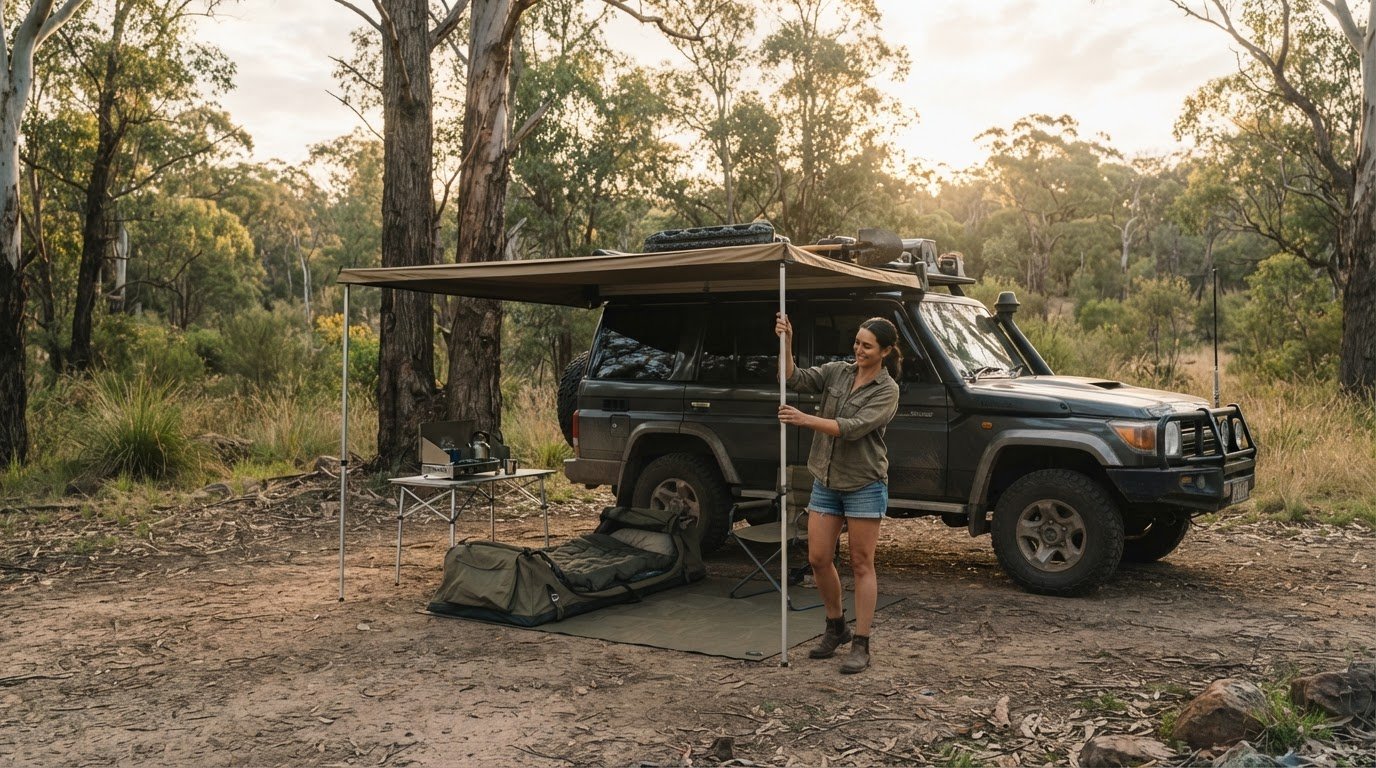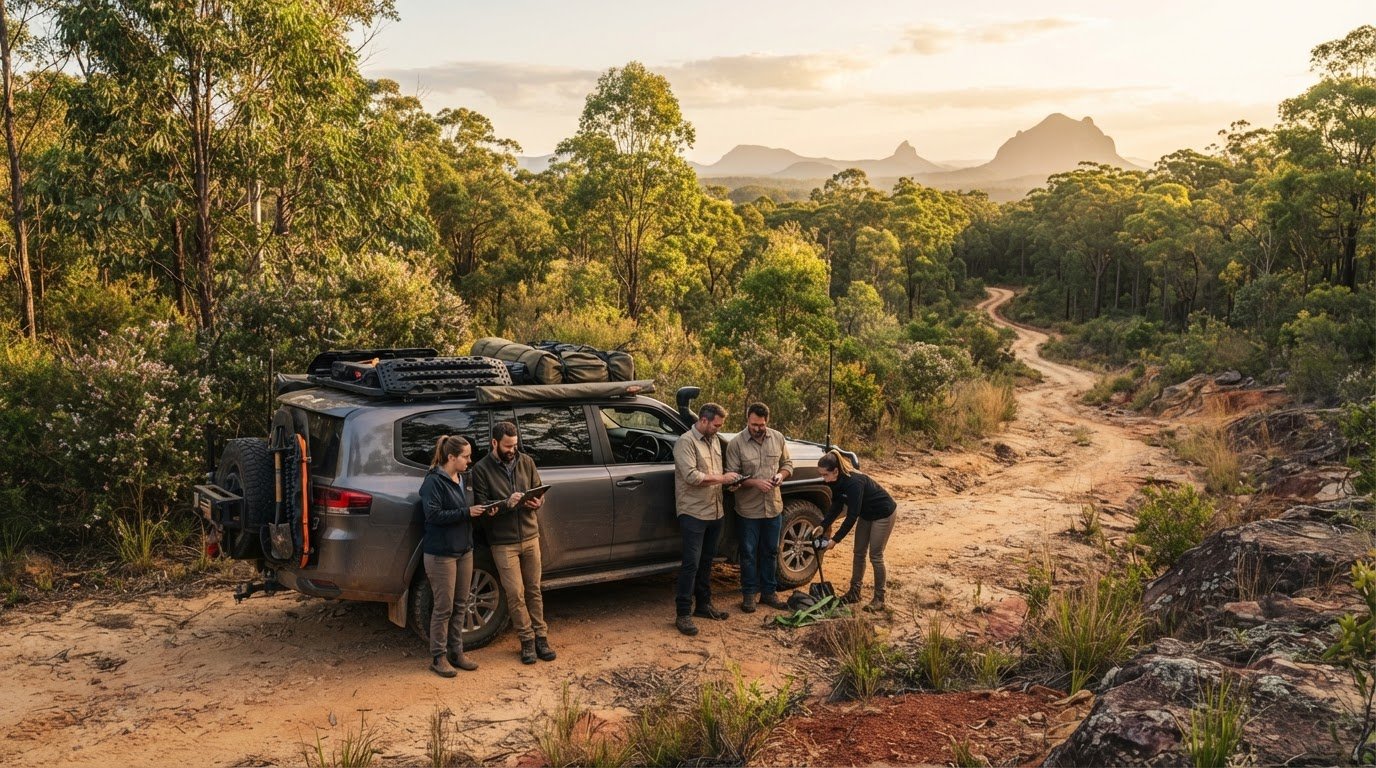
What if the most expensive unit on the shelf is actually the one most likely to fail when the red dust of the Kimberley starts to settle? We’ve all felt that sinking feeling when a fridge cuts out 200km from the nearest town because a battery couldn’t handle the Aussie heat. Finding the best portable power station Australia has to offer shouldn’t feel like a math exam filled with confusing jargon. We know you want silent, reliable energy that doesn’t weigh down your rig or take all day to charge under the sun.
In this guide, we’ve filtered through the noise to find the top picks for 2026. We’ve combined expert testing with real-world feedback from our community of Adventurerz to ensure your gear survives the outback. You’ll discover how the latest LiFePO4 technology, found in models like the EcoFlow DELTA 3 Plus and Bluetti AC200L, provides the safety and durability needed for remote travel. We’re showing you exactly how to achieve total energy independence while keeping our pristine environments quiet and fume-free.
Key Takeaways
- Discover why silent, all-in-one lithium units are replacing noisy generators to meet strict new regulations in Australian national parks.
- Learn why LiFePO4 chemistry and Pure Sine Wave inverters are non-negotiable for protecting your sensitive electronics in the harsh outback heat.
- See how we tested for vibration resistance and dust protection to identify the best portable power station Australia for rugged off-road travel.
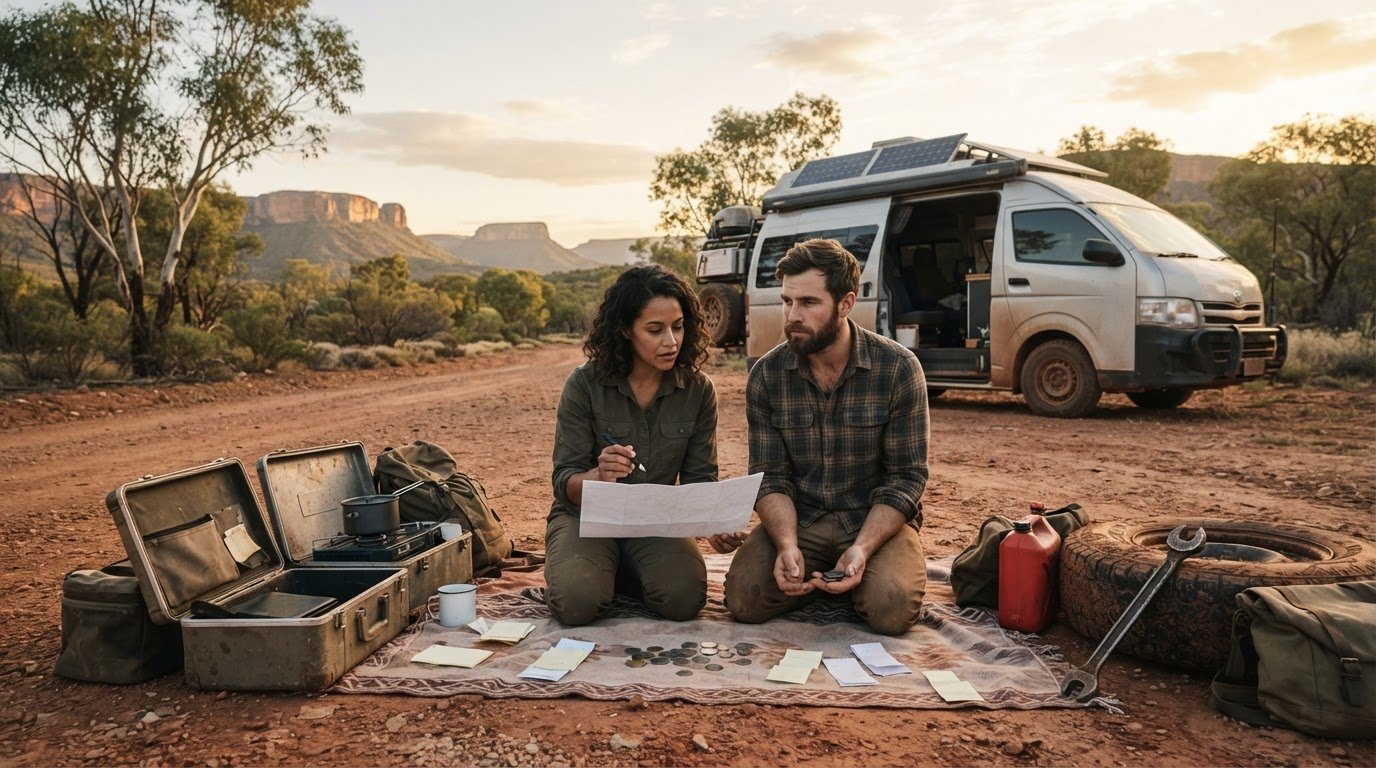
- Master our simple method for calculating your daily energy budget to ensure your fridge and lights never fail during remote stays.
- Unlock total energy independence by pairing your power station with high-efficiency solar blankets and MPPT controllers for rapid recharging.
Table of Contents
Why Portable Power is the New Standard for Australian Explorers
We remember when camping meant the constant, rhythmic thrum of a petrol generator in the background. It was the price we paid for cold beers and bright lights. Those days are fading fast. Modern adventurers are trading heavy, fume-spewing engines for sleek, silent boxes that pack more punch than ever. A modern portable power station is a sophisticated all-in-one system. It combines a high-capacity lithium battery, a pure sine wave inverter, and a smart charge controller into a single, rugged housing. This shift isn’t just about convenience; it’s about respecting the wild places we love to visit.
The death of the noisy generator is nearly here. Many Australian national parks now strictly prohibit internal combustion generators to protect the peace and local wildlife. We’ve seen this trend grow across the states, making silent power a requirement rather than a luxury. When we look for the best portable power station Australia provides, we’re looking for a tool that lets us blend into the environment instead of dominating it with noise. These units rely on advanced Rechargeable battery technology, specifically Lithium Iron Phosphate (LiFePO4), which has become the gold standard for 2026 due to its incredible lifespan and safety in high temperatures.
The Benefits of Going Portable in 2026
Choosing a portable unit over a fixed system offers total freedom. There are no oil changes, no spark plugs to clean, and zero exhaust fumes to inhale while you’re trying to enjoy the fresh air. This aligns perfectly with our collective commitment to environmental ethics. We want to leave no trace, and silent energy is a massive part of that mission. These units are also incredibly simple. You don’t need to be an auto-electrician to get started; it’s a plug-and-play experience. Beyond the campsite, these stations serve as vital home backups. When summer blackouts hit, we can keep our home fridges running and phones charged without breaking a sweat.
Fixed vs. Portable: Which Fits Your Journey?
Traditional fixed dual-battery systems are great, but they’re stuck in your vehicle. A portable station gives us basecamp flexibility. We can carry our power source directly into our roof top tents to run a CPAP machine or charge a tablet overnight. If we’re setting up a long lunch under our 4wd awnings, we can move the power exactly where the fridge needs it. This modularity is a game changer for weight distribution. We can shift the weight around the rig depending on our load, which is a huge advantage for remote touring where every kilogram counts. While a fixed system is a permanent commitment, a portable station is an investment that moves with us from one vehicle to the next.
Decoding the Specs: LiFePO4, Inverters, and Australian Durability
Don’t let a flashy LED screen fool you. The real value of any power station lives inside the casing. When we’re deep in the bush, we need to know that our gear won’t just work; it needs to survive. The best portable power station Australia offers must balance raw capacity with the ruggedness required for our unique climate. We’ve seen too many generic units fail because they weren’t built for the vibration of corrugated roads or the relentless fine dust of the Red Centre. Understanding the technical guts of your station ensures you don’t end up with an expensive paperweight mid-journey.
Battery Chemistry: The LiFePO4 Advantage
Lithium Iron Phosphate (LiFePO4) is the only chemistry we recommend for serious Australian travel in 2026. While older NMC batteries are lighter, they struggle with thermal stability. In an outback summer where vehicle internals can hit 60 degrees, LiFePO4 stays cool and safe. These cells are incredibly hardy. You can expect over 3,000 charge cycles before the capacity even begins to dip. That’s nearly a decade of weekend adventures and month-long expeditions. It’s also the more ethical choice for our community; LiFePO4 is easier to recycle and doesn’t rely on cobalt, aligning with our commitment to responsible exploration.
Watt-Hours (Wh) vs. Milliamp-Hours (mAh): Cutting Through the Confusion
Watt-hours are the only metric that matters for comparing total energy capacity. Many brands use mAh to make their numbers look bigger, but that’s a trap for the unwary. To find your true runtime, look at the Wh rating. If you have a 1000Wh station and your fridge uses 40W, you can theoretically run it for 25 hours. However, always consider the “Depth of Discharge.” While modern lithium allows you to use almost 100% of the tank, leaving a 10% buffer helps protect your investment for the long haul. Explore our latest adventure ideas in Australia to find the perfect testing ground for your new setup.
Inverters and Surge Power: Running the Heavy Gear
Your inverter is the heart that pumps 240V power to your appliances. We only settle for Pure Sine Wave inverters. Anything less can damage sensitive electronics like your laptop or CPAP machine. You also need to check the surge power rating. A 12V compressor fridge might only pull 60W while running, but it needs a massive “kick” of up to 600W just to start the motor. If your station can’t handle that peak output, your fridge won’t start. This is even more critical if you plan on using induction cooktops or coffee machines, which demand high continuous wattage.
The “Heat Factor” and IP Ratings
Most global reviews focus on waterproofing, but in the outback, dust is the real killer. We’ve seen fine red sand bypass cooling fans and short out circuit boards in days. Look for a high Ingress Protection (IP) rating. An IP65 rating means the unit is dust-tight and can handle a splash of rain. Heat management is equally vital. High ambient temperatures can cause a battery to throttle its charging speed or shut down entirely. The best units use advanced cooling paths and heat-resistant components to keep the power flowing even when the mercury climbs past 40 degrees.
The Best Portable Power Stations in Australia for 2026
Finding the best portable power station Australia has to offer requires more than just reading a spec sheet. We’ve put these units through their paces, focusing on the brutal conditions of the outback. Our testing methodology prioritises vibration resistance for corrugated roads, heat management during 40-degree days, and long-term port durability. We know our community needs gear that survives the vibration of the Gibb River Road, not just a clean garage floor. We’ve narrowed the field down to the units that truly earn their place in your rig.
Top Overall Pick: EcoFlow DELTA 3 Plus (1024Wh). This unit strikes the perfect balance for the average Adventurerz member. It’s light enough to move between your vehicle and your beach setup, yet powerful enough to run a 12V fridge and charge your comms for days. Currently priced at A$1,199.00, it offers incredible ROI. It features industry-leading fast charging, hitting 80% in under an hour. This is vital when you’re relying on a short window of solar or a quick drive between camps to top up your reserves.
The Off-Grid Beast: Bluetti AC200L (2048Wh). For those of us living the remote life long-term, capacity is king. This 2048Wh powerhouse is built like a tank. It handles heavy appliances like induction cooktops and coffee machines with ease, thanks to its robust inverter. While it’s heavier at roughly 28kg, the peace of mind it provides during a week in the desert is unmatched. It’s currently available for approximately A$2,799.00, representing a serious but worthwhile investment in your total energy independence.
The Ultralight Explorer: For weekenders or drone pilots, units like the Anker 757 Powerhouse (1229Wh) provide a solid middle ground. These focus on portability without sacrificing the LiFePO4 safety we’ve already highlighted. They fit perfectly in smaller 4WD setups where space is at a premium but reliable power is still a non-negotiable.
Top Performance Picks for 2026
EcoFlow and Bluetti continue to lead the AU market with ruggedized designs. We particularly value the built-in UPS (Uninterruptible Power Supply) features found in these latest models. This means your station can protect your home electronics during a summer blackout and then jump straight into your vehicle for a weekend trip. Both brands now offer modular expansion battery options. This allows us to grow our setups as our adventures get longer and our power needs increase.
Budget-Friendly Reliability
We believe safety should never be a luxury. Even at lower price points, we only recommend units that stick to LiFePO4 chemistry. You might choose to skip fancy app controls or high-resolution screens to save money, but you should never compromise on the battery cells. Entry-level stations from reputable brands provide a solid starting point for new campers. They offer a reliable way to ditch the noisy generator and embrace silent, clean power while keeping your budget intact for more fuel and better campsites.
Selection Guide: Matching Power to Your Adventure Setup
Choosing the best portable power station Australia provides is only the first step. The real magic happens when we integrate that power into our specific camp ecosystem. We’ve seen plenty of adventurers buy a massive battery only to find they lack the right ports for their tech. For 2026, we consider high-speed USB-C PD (Power Delivery) ports non-negotiable. These allow us to charge modern laptops and drones directly from the DC side. This bypasses the inverter, which saves a significant amount of energy that would otherwise be lost to heat.
Integration is about more than just plugging things in. When we deploy our 4wd awnings, we want a lighting rig that doesn’t require us to leave the vehicle running. A portable station can sit right at the centre of your kitchen setup, powering LED strips and charging comms while you cook. If you’re using one of the roof top tents we recommend, having a portable unit means you can bring power upstairs to run a small fan or charge your phone overnight without complex permanent wiring.
The 12V Fridge Factor
Your fridge is your biggest energy consumer, and its appetite changes with the weather. On a mild 25-degree day, a modern compressor fridge is efficient, but that changes quickly when the mercury hits 40 degrees in the outback. A 1000Wh station typically provides 2-3 days of fridge run-time without solar. To stretch this further, we always recommend pre-cooling your fridge on 240V mains power at home before you leave. This ensures your battery only has to maintain the temperature rather than doing the heavy lifting of cooling down warm drinks and food.
Charging Your Comms and Creativity
Staying connected has changed the way we travel. Powering Starlink has become a top priority for many in our community, but it’s a notorious energy hog that can pull 50W to 75W continuously. If you’re a content creator, you’ll also need to budget for drone batteries. A 500Wh station might only give you 8 to 10 full charges for a standard cinematic drone. We suggest mapping out your “creative budget” alongside your survival needs. Check out our latest camping equipment reviews and recommendations to find the most energy-efficient gear to pair with your power station.
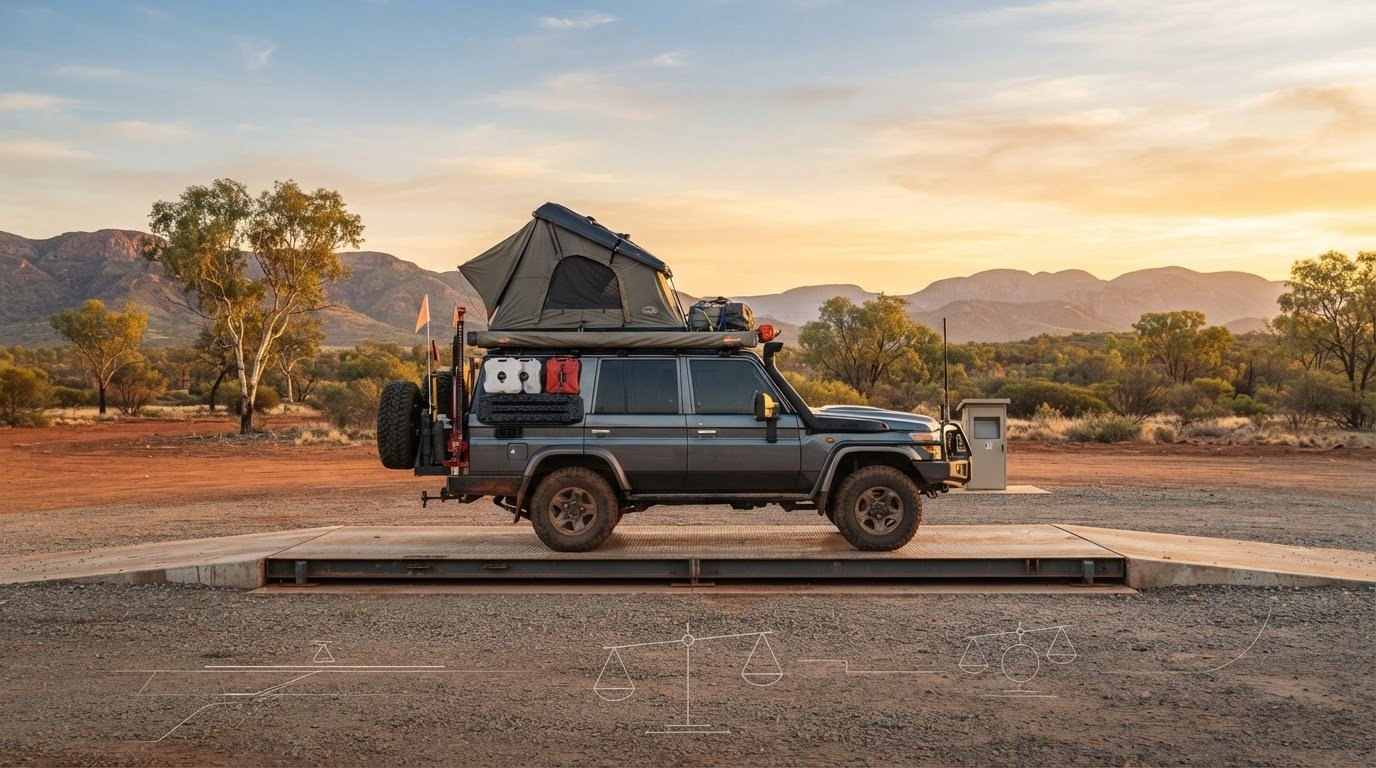
Finally, think about vehicle stability. These stations can be heavy, so we always store them low and central. Placing your unit on a heavy-duty drawer slide behind the rear seats keeps the centre of gravity down. This is vital when you’re tackling off-road tracks where a top-heavy rig can become a safety hazard. By keeping the unit accessible but secure, you ensure it stays cool and protected from the red dust while you’re on the move.
Maximising the Sun: Solar Integration and Care
Harvesting energy from the sun is the final piece of the puzzle for total energy independence. It’s how we turn a battery into a truly infinite power source that respects the silence of the bush. When we’re looking for the best portable power station Australia offers, we must ensure it pairs perfectly with a robust solar setup. We’ve found that while fixed panels on a roof rack are convenient, portable solar blankets offer the flexibility we need. They allow us to park our rigs in the cool shade of a ghost gum while our panels sit fifty metres away in the direct sun, soaking up every available watt.
The secret to efficient charging lies in the MPPT (Maximum Power Point Tracking) controller. Most high-end stations now have these built-in. They’re essential for the Australian outback because they can squeeze power out of low-angled winter light or hazy afternoon skies. Without a good MPPT, you’re leaving energy on the table. We always recommend checking your station’s maximum solar input voltage before buying panels. Pushing too much voltage into a small unit can trip safety sensors or, in some cases, damage the internal circuitry.
Solar Charging Essentials
Matching your solar output to your station’s input limits is critical for safety and speed. If your unit is rated for 200W of solar, plugging in a 400W array won’t charge it twice as fast; it might just cause the unit to throttle back. We also need to talk about the “red dirt tax.” Fine bulldust can settle on your panels in minutes, dropping your efficiency by 20% or more. We’ve made it a habit to give our panels a quick wipe with a damp cloth every morning. It’s a simple task that ensures we’re hitting our peak charge rates before the midday heat kicks in. Remember to adjust your panel angles as you travel; what works in the Top End won’t be optimal for a Victorian winter.
Long-Term Care and Storage
Our gear is an investment in our future adventures, so we treat it with respect during the off-season. Don’t store your power station at 100% or 0% for months on end. We aim for a “storage sweet spot” between 50% and 80% charge. This keeps the LiFePO4 cells healthy and prevents capacity loss over time. Before you pack it away, use a can of compressed air to blow out any fine dust from the cooling fans and ports. Vibration during corrugated road travel can often pack that dust deep into the unit, so a thorough clean is vital for maintaining airflow.
As we look toward the future, the shift to the best portable power station Australia models means we’re moving away from disposable culture. Many modern units are now designed with modular parts, making them easier to repair. When your station finally reaches the end of its long life, please look for specialized lithium recycling centres. We’re a community that values the land we explore; responsible disposal ensures our playgrounds stay pristine for the next generation of Adventurerz. With the right care, your power station will be ready for every remote escape you have planned.
Power Your Path to Responsible Exploration
We’ve covered a lot of ground, from the technical grit of LiFePO4 cells to the practical magic of solar blankets in the red dust. Finding the best portable power station Australia provides isn’t just about raw wattage. It’s about securing a reliable partner for your most remote journeys. Our recommendations come from gear tested in real-world Australian conditions and community-vetted insights that prioritise durability over flashy marketing. By choosing sustainable, long-life battery technology, we’re doing more than just keeping the fridge cold. We’re protecting the quiet majesty of the outback for every explorer who follows.
It’s time to embrace total energy independence and leave the noise of the old world behind. Whether you’re heading to the Tip or the Bight, your setup is now ready for the challenge. Ready to map out your next off-grid escape? Explore our 2026 Remote Travel Planner and start prep for your next big journey. We’ll see you out there on the tracks!
Frequently Asked Questions
Can I charge a portable power station while it is powering my fridge?
Yes, you can absolutely charge your unit while it powers your fridge through a feature called pass-through charging. Most top-tier models for 2026 are designed to handle simultaneous input and output without damaging the battery cells. This is essential for maintaining a cold fridge while your solar panels are soaking up the midday sun. It ensures you never have to choose between charging your gear and keeping your food fresh during a remote stay.
How long will a 1000Wh power station run a 12V camping fridge?
You can typically expect a 1000Wh station to run a 12V compressor fridge for 2 to 3 days without any solar input. This estimate assumes an average ambient temperature and a well-insulated fridge set to 3 degrees. If you’re in the tropical north or the peak of a desert summer, the fridge compressor will work harder, which might drop your runtime closer to 1.5 days. Pre-cooling your food on mains power before you leave is the best way to extend this window.
Are portable power stations safe to leave inside a hot car in Australia?
Leaving a power station in a locked car during an Australian summer is risky because internal vehicle temperatures can easily exceed 60 degrees. Most LiFePO4 batteries have a maximum operating temperature around 45 to 55 degrees. If the unit gets too hot, its safety management system will shut it down to prevent damage. We always suggest keeping your station in a well-ventilated area or under the shade of your awning to ensure the best portable power station Australia performance.
Can I jump-start my 4WD with a portable power station?
Most portable power stations are not designed to jump-start a vehicle because they cannot deliver the massive, instantaneous cranking amps required by a starter motor. Attempting this through the standard 12V socket could blow a fuse or damage the internal inverter. While a few niche models include a dedicated jump-start port, it’s always better to carry a specialized, compact jump-starter pack alongside your main power station for emergency vehicle recoveries on the track.
What is the difference between a solar generator and a portable power station?
There is no technical difference between the two; “solar generator” is simply a marketing term used when a portable power station is bundled with solar panels. Both units contain the same battery, inverter, and charge controller. We prefer the term power station because it acknowledges that the unit can be charged from multiple sources. You can top up from your vehicle’s 12V socket or a 240V wall outlet at home, not just the sun.
Do I need a special solar panel for my power station?
You don’t need a brand-specific panel, but you must match the voltage output of the panel to the input range of your station. Most units use standard connectors like XT60, Anderson, or MC4. If your panel’s voltage is too high, you risk damaging the unit’s internal controller. Always check the DC Input specs on your station before connecting a third-party solar blanket to ensure a safe and efficient energy harvest while you’re off the grid.
How do I protect my power station from dust and moisture while camping?
Protecting your gear starts with keeping it off the red dirt and using a dedicated transit bag. These bags often have mesh panels for ventilation while keeping the worst of the bulldust away from the cooling fans. We also suggest using silicone port plugs for any unused outlets. After a particularly dusty trek, a quick blast with compressed air helps keep the internal components clean and prevents moisture from clinging to dust particles inside the casing.
Are these units allowed on domestic flights in Australia?
Most portable power stations are prohibited on domestic flights because their capacity far exceeds the 100Wh to 160Wh limit set by Australian airlines. A standard 1000Wh unit is roughly ten times the legal limit for carry-on luggage. These large lithium batteries are classified as dangerous goods and cannot be placed in checked baggage either. If you’re flying to your destination, you’ll likely need to arrange for road freight or rent a unit upon arrival to find the best portable power station Australia for your trip.