If you think your recovery gear is just about getting out of a bog, you’re missing the bigger picture of outback survival. Knowing how to choose a 4wd winch in Australia is a vital skill for anyone committed to responsible, self-reliant exploration of our unique landscape. We’ve all felt that spike of adrenaline when the track turns to deep sand or thick mud and the nearest help is a three-day walk away. It’s a daunting reality, but it’s one we can master together through the right preparation and the collective wisdom of our Adventurerz community.
Selecting the right gear doesn’t have to be a guessing game between a 9,500lb or 12,000lb model. We’ll show you how to apply the 1.5x Gross Vehicle Mass rule to find your perfect capacity while ensuring your setup meets 2026 Australian Design Rules. You’ll gain the confidence to select a system that resists dust and salt ingress, keeping you moving through the harshest environments. We’ll also dive into the maintenance rituals that ensure your gear lasts for years. From the latest brushless motor specs to the benefits of synthetic rope in the heat, this guide prepares you for every challenge the bush throws your way.
Key Takeaways
- Learn how to choose a 4wd winch in Australia by applying the 1.5x GVM rule to ensure your recovery gear handles your fully loaded vehicle.
- Discover why the 2026 shift toward brushless motors offers the reliability and efficiency required for the most isolated outback tracks.
- Compare the safety benefits of synthetic rope against steel cable to help maintain your vehicle’s legal weight limits and performance.
- Follow our methodical five-step framework to verify bullbar compatibility and electrical requirements before making your investment.
- See how a winch fits into a complete adventure ecosystem, providing the peace of mind we need to explore our natural environment responsibly.
Table of Contents
Understanding the Role of a Winch in Australian Remote Travel
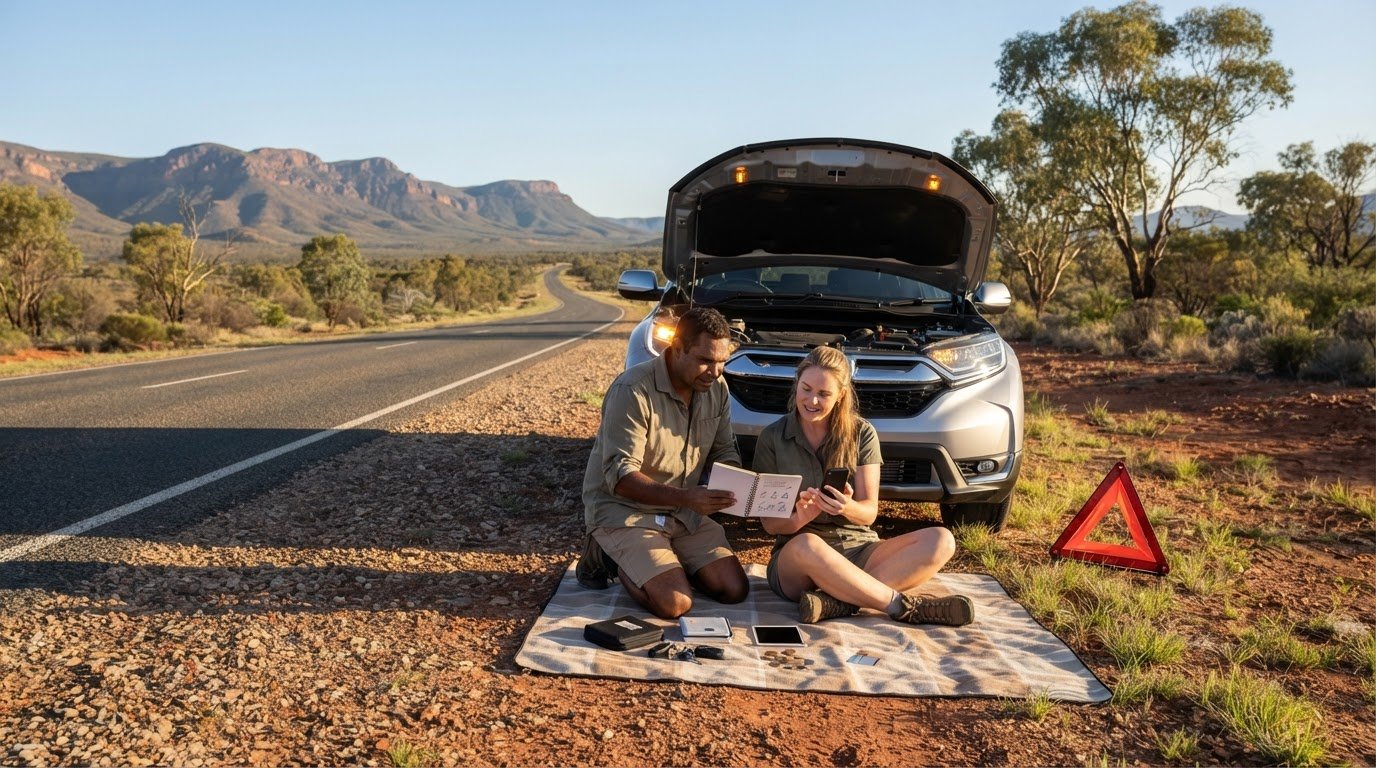
We see a winch as the ultimate insurance policy for the modern explorer. It isn’t just a heavy accessory; it’s a commitment to self-reliance when the mobile signal vanishes and the track ahead looks uncertain. When you’re learning how to choose a 4wd winch in Australia, you’re essentially deciding the limits of your own freedom. We believe that true adventure starts where the pavement ends, and a reliable winch is what ensures you can always find your way back home. It’s the difference between a minor delay and a genuine emergency in the red dirt of the outback.
For those of us who love solo travel, this tool is absolutely essential. While some might focus on the aesthetics of a rig, we prioritize recovery gear that performs under pressure. We’ve all seen rigs that look incredible at the local car meet but lack the functional soul required for remote tracks. A winch allows for a slow, controlled extraction that’s far safer than the violent, high-energy forces of a snatch recovery. By choosing a methodical pull, we protect our vehicle’s chassis and the integrity of the tracks we’re so lucky to explore. Unlike snatching, which relies on kinetic energy and can be unpredictable, winching offers a steady mechanical advantage that keeps everyone safe.
To better understand this concept, watch this helpful video:
Self-Recovery vs. Group Recovery Dynamics
Having a winch transforms your mindset on isolated tracks. It provides the confidence to tackle challenging terrain without the constant fear of being stranded for days. In a convoy, you become a guardian for the group, ready to assist others in a pinch. We must always balance this utility with our vehicle’s payload. A typical steel bullbar and winch setup can weigh between 100kg and 130kg, which directly impacts how we manage our weight distribution alongside gear like roof top tents. If you’re already carrying 4wd awnings and heavy camping kits, every kilogram saved on your recovery setup counts toward your legal GVM.
The Ethics of Responsible Winching
We hold ourselves to a high standard when it comes to environmental accountability. Using a tree trunk protector is a non-negotiable step to prevent ring-barking our native trees, which can take decades to recover from a single bad recovery. We also aim to minimize track damage by winching in a straight line whenever possible to avoid churning up the soil and creating deep ruts. Our “Leave No Trace” winching philosophy ensures that our recovery operations never compromise the natural beauty of the Australian outback for those who follow in our tracks. We believe in leaving the bush exactly as we found it, ensuring these tracks remain open for the next generation of adventurers.
Decoding Winch Specifications: Line Pull, Motors, and Gear Ratios
Mastering the technical side of your rig is part of being a responsible traveler. When we look at how to choose a 4wd winch in Australia, the first number we must respect is the 1.5x rule. Your winch’s rated capacity should be at least 1.5 times your vehicle’s Gross Vehicle Mass (GVM). if your rig weighs 3,000kg fully loaded, a 4,500kg (approx 10,000lb) winch is the minimum starting point. We often push for a 2x multiplier for heavy mud work because suction can effectively double the weight of your vehicle in a heartbeat. It’s about having a safety margin that ensures the motor isn’t screaming at its absolute limit during every recovery.
The 2026 market has shifted toward brushless motors for excellent reasons. While older series-wound motors are reliable workhorses, brushless tech offers superior efficiency and significantly less heat generation. This is critical because overheating is the primary killer of winches in our harsh 50-degree summers. Most modern winches utilize planetary gears because they are compact and handle high torque well. However, they do generate more internal drum heat during long pulls compared to spur gears. We always look for models with robust external braking systems to prevent the drum from overheating and damaging sensitive synthetic lines.
Calculating Capacity for Australian Touring Rigs
We need to be honest about our real-world weight. Once we add steel bullbars, long-range tanks, and heavy roof top tents, most modern dual-cab utes are pushing right up against their legal GVM. This is why 12,000lb winches have become the new community standard for touring. They provide that extra grunt needed when you’re bogged to the axles in heavy black soil country. Remember, a winch is most powerful on the first layer of the drum; as more rope builds up, the pulling power actually decreases. Over-specifying your capacity ensures you have the torque when you need it most, even on a full spool.
12V vs. 24V Systems and Electrical Demands
Most of us run 12V systems, but the electrical strain during a recovery is immense. A heavy pull can draw over 400 amps, which can flatten a standard battery or fry a weak alternator in minutes. We recommend high-quality 00-gauge cabling and a dedicated isolator switch to prevent accidental activation or electrical fires. Modern winches now feature thermal sensors and auto-cut-off switches to save the motor from a total meltdown. If you’re unsure about your specific electrical setup, check out our community gear reviews at Adventurerz for real-world battery pairings that handle these massive loads without failing.
Synthetic Rope vs. Steel Cable: Which Suits the Outback?
Deciding between synthetic rope and steel cable is a pivotal step in how to choose a 4wd winch in Australia. While steel was the king of the bush for decades, our community has largely embraced synthetic for its incredible weight-to-strength ratio. A typical length of synthetic rope saves roughly 12kg compared to its steel counterpart. This weight reduction is crucial for maintaining vehicle balance, especially when you’ve already added heavy gear like bullbars. Beyond weight, the safety profile is the real game-changer. If a steel cable snaps, it releases a lethal amount of stored kinetic energy. Synthetic rope simply loses tension and drops to the ground; this drastically reduces the risk of catastrophic injury to bystanders and damage to your rig.
The durability debate often comes down to the environment. Steel is undeniably tougher against sharp rocks and abrasive edges. However, for the majority of outback travel, the benefits of synthetic far outweigh the ruggedness of steel. We’ve found that with proper care, synthetic lines handle the dust and heat of our desert tracks exceptionally well. It’s about being methodical with your gear and understanding that your recovery line is a life-saving tool that deserves respect. When we prioritize safety and vehicle payload, synthetic becomes the clear choice for the modern explorer.
The Synthetic Advantage in Modern Recovery
We love synthetic for its ease of handling. You won’t deal with the nasty metal burrs or “fish hooks” that plague old steel cables and slice through gloves. It’s also much easier to manage during water crossings because it floats. If you find yourself stuck in a boggy creek, you aren’t dragging a heavy metal anchor through the silt to find a tree. Perhaps most importantly, you can actually repair a synthetic line in the field using a simple bury splice. It’s a critical skill we encourage every explorer to master before heading into remote regions like the Kimberley or the Simpson Desert.
Protecting Your Line from the Australian Sun
The Australian sun is relentless. UV rays are the primary enemy of synthetic fibers, which is why we always recommend using a winch cover or choosing a rope with a high-quality UV-stable coating. Sand ingress is another silent killer. Fine grit gets trapped between the fibers and acts like sandpaper during every pull. After a muddy recovery, it’s vital to spool the line out and wash it with fresh water to remove this internal abrasion. We suggest retiring your rope if you notice significant fraying, hard melted spots from drum heat, or heavy sun-bleaching that leaves the strands feeling brittle to the touch.
A 5-Step Framework for Selecting Your Ideal 4WD Winch
We believe that preparation is the foundation of every successful outback journey. Selecting a winch shouldn’t be an impulse buy based on the lowest price. Instead, it requires a methodical approach that considers your vehicle’s specific build and the harsh conditions of our continent. We’ve developed this framework to simplify how to choose a 4wd winch in Australia while ensuring your rig stays safe and legal on the tracks.
- Step 1: Determine your real-world GVM. Don’t rely on the manufacturer’s brochure. Visit a local weigh-bridge with full fuel tanks, water, and your usual touring load. Many modern Australian rigs require a GVM upgrade for heavy touring, and your winch capacity must be calculated based on this new, higher legal limit.
- Step 2: Verify bullbar compatibility. Check that your frontal protection system is ADR 69/00 compliant and designed to house the specific winch model you want. Ensure there is enough room for the solenoid box and that it complies with AS 4876.1-2002 regarding protrusions.
- Step 3: Match rope to terrain. If you spend your time in the jagged rocks of the High Country, steel might be your ally. For most of us tackling sand, mud, and river crossings, synthetic is the way to go.
- Step 4: Check environmental sealing. Look for an IP68 rating or higher to ensure the internals survive the dust of the Red Centre and the water of the Top End.
- Step 5: Prioritize local support. Choose brands with a proven track record of honoring warranties in every state and territory.
Assessing Waterproofing and IP Ratings
Water and dust are the silent killers of recovery gear. We consider an IP68 rating non-negotiable for anyone planning to cross rivers in the Top End. This rating ensures your winch can survive being submerged in over a meter of water for at least 30 minutes. We also prefer sealed solenoids over older, vented styles. If you frequently drive on beaches or through salt spray, look for winches with high-grade corrosion resistance on the housing and drum. A failed seal leads to internal rust, which often goes unnoticed until the moment you actually need a recovery.
Warranty and Local Support
A lifetime warranty means very little if the manufacturer has no presence in Australia. We always look for brands that offer genuine, nationwide support and readily available spare parts. Before every major trip, we perform a pre-trip inspection to check for loose wiring or spooling issues. If you want to see which setups our community trusts most, check out our latest gear reviews at Adventurerz to find a setup that’s been proven in the field. Reliability is our currency in the bush; don’t trade it away for a slightly cheaper price tag from an overseas seller with no local footprint.
Integrating Your Winch into a Complete Adventure Setup
We view the winch as a cornerstone of a larger adventure ecosystem. It’s not just about the pull; it’s about the peace of mind it brings to your basecamp. When you’ve set up your four wheel drive awnings for the night in a remote valley, knowing you have the mechanical means to leave the next morning regardless of a sudden storm is priceless. This level of preparation is a key pillar of our travel planner strategy for 2026. Mastering how to choose a 4wd winch in Australia is the first step, but integrating it into your total setup is what truly enables long-range touring and responsible exploration.
Complementary Gear and Recovery Kits
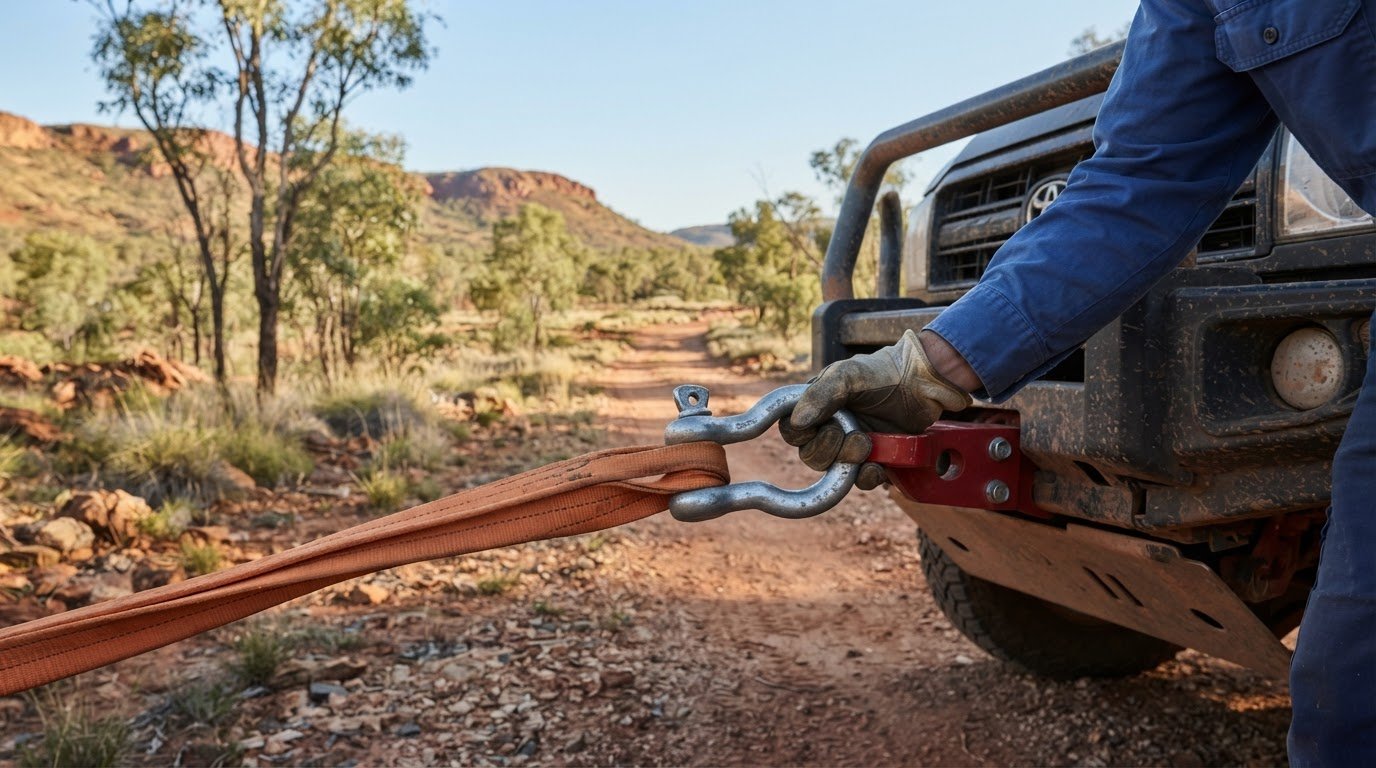
A winch on its own is only half the solution. We always carry the “Big Three” of recovery gear: a snatch block, a tree trunk protector, and a set of rated soft shackles. A snatch block is a game-changer because it allows us to double the pulling power of the winch or change the direction of the pull when space is tight. This mechanical advantage reduces the strain on your motor and battery, extending the life of your gear. We also recommend dedicated, sealed storage bags for your recovery kit. Keeping muddy, abrasive ropes away from your interior and your roof top tents prevents premature wear and keeps your cabin breathable after a long day on the tracks.
Joining the Adventurerz Community
Our collective strength comes from shared experiences. We invite you to head over to our digital hub and contribute your own gear reviews or “winch-saved-the-day” stories. Whether you’ve mastered a tricky recovery in the Simpson Desert or found a clever way to maintain your line, your insights help our fellow explorers stay safe. We are also passionate about discussing sustainable outdoor practices, such as ensuring tree protectors are used correctly every single time to preserve our native flora. By working together, we ensure that the Australian outback remains accessible and beautiful for everyone.
Final Checklist for a Winch-Ready 2026 Adventure:
- Confirm your winch capacity is at least 1.5x your GVM.
- Test your wireless remote and carry spare batteries.
- Check your synthetic rope for UV damage or grit.
- Ensure your tree trunk protector is in good condition.
- Verify your winch isolator switch is functioning correctly.
- Pack a winch damper to manage line energy safely.
Ready Your Rig for the Red Dirt
Mastering how to choose a 4wd winch in Australia is about more than just raw pulling power. It’s about respecting the 1.5x GVM rule and embracing the efficiency of 2026 brushless technology to ensure you never stay stuck for long. By choosing synthetic rope and committing to the use of tree trunk protectors, we protect both our vehicles and the fragile Australian environment. We’ve built our rigs for self-reliance, but the true strength of our journey comes from the shared wisdom of our community. A winch isn’t just a tool; it’s your ticket to the most isolated and beautiful corners of our continent.
We’re here to help you navigate every technical spec and environmental challenge with confidence. If you’re looking for expert-led gear recommendations and community-driven travel insights that prioritize sustainable exploration, you’ve found your home. Join the Adventurerz community for more expert 4WD gear reviews! We can’t wait to hear your recovery stories from the track. See you out there, and let’s keep the outback wild and accessible for everyone.
Frequently Asked Questions
How much winch capacity do I need for a 3000kg GVM vehicle?
You need at least 4,500kg of pulling power for a 3000kg GVM vehicle. Calculating this capacity is a vital step in how to choose a 4wd winch in Australia. We follow the industry standard of 1.5 times your vehicle’s fully loaded weight to ensure safety. For heavy touring rigs, a 12,000lb model is even better to combat the suction of thick mud. It’s about having that extra torque in reserve so you don’t stall.
Is synthetic rope better than steel for Australian beach driving?
Synthetic rope is generally superior for beach work because it doesn’t rust when exposed to salt spray. While steel is durable, it requires constant oiling to prevent corrosion in coastal environments. Synthetic lines are lighter and safer if a failure occurs, which is vital on busy beaches. Just remember to wash the sand out of the fibers after your trip to prevent internal abrasion from fine grit. It’s a safer, cleaner choice.
Can I install a winch on a vehicle without a bullbar?
You cannot safely install a winch without a properly rated bullbar or a dedicated winch cradle. Standard bumpers aren’t designed to handle the massive structural loads generated during a recovery. Your mounting system must comply with Australian Design Rules like ADR 69/00 to ensure your airbags still function correctly. Always verify that your frontal protection system is specifically engineered to house the winch capacity you’ve selected for your rig before heading out.
What is an IP68 rating and why does it matter for 4WD winches?
An IP68 rating indicates that your winch is dust-tight and can survive being submerged in water deeper than one meter. This is non-negotiable for river crossings in northern Australia where water levels can rise quickly. It ensures that the motor and solenoids remain sealed against silt and moisture. Without this protection, internal corrosion will quickly ruin your investment, often failing right when you need a reliable recovery most during a remote trip.
How often should I service my winch if I don’t use it frequently?
We recommend powering out and respooling your winch under tension every six months to keep the internals lubricated. This prevents the grease from hardening and allows you to inspect the rope for UV damage or fraying. Regular maintenance is a core part of how to choose a 4wd winch in Australia that stays reliable for years. If you’ve been through deep water or mud, service the internal components immediately to prevent rust.
Do I need a dual battery system to run a 12,000lb winch?
You don’t strictly need a dual battery system, but you must have a high-cranking battery in top condition. A 12,000lb winch can pull over 400 amps, which can easily flatten a single battery or damage a standard alternator. We prefer a dual setup to ensure you still have starting power after a long recovery. Always keep the engine running at high idle during winching to help the alternator keep up with the draw.
Are brushless winch motors worth the extra investment in 2026?
Brushless motors are absolutely worth the investment in 2026 because they generate significantly less heat than traditional series-wound motors. This is a game-changer for long pulls in the 40-degree heat of the Simpson Desert. They are more efficient, draw less current, and have fewer moving parts to wear out over time. While the initial cost is higher, the increased reliability and performance make them the superior choice for serious outback travelers today.
What is a tree trunk protector and is it legally required in Australia?
A tree trunk protector is a wide, non-stretch polyester strap designed to spread the load during a recovery. It’s a non-negotiable tool for responsible winching because it prevents the rope from ring-barking and killing native trees. While not a national traffic law, using one is a legal requirement in many National Parks across Australia. It’s our collective responsibility to protect the flora that makes our remote tracks so special for future generations.