Did you know that 62% of non-medical emergency rescues on remote Australian trails are caused by lower-limb injuries like ankle sprains and fractures? It is a staggering figure from recent wilderness safety surveys that highlights how often we underestimate the ground beneath us. Finding the best hiking shoes is about more than just style; it is about preventing that sinking feeling when a blister starts to burn or a sole begins to peel away on abrasive sandstone. We have all been there, and we know how quickly poor fit or overheating can ruin a journey through our rugged, rocky terrain.
We at Adventurerz are here to help you choose footwear that acts as a reliable partner for years of responsible exploration. In this guide, we will decipher technical jargon like lug depth and drop while prioritizing durability and environmental ethics. We are diving into the top performers for 2026, including the latest PFAS-free models and hybrid designs. You will learn how to select gear that stands up to harsh arid country and deep southern mud, ensuring you stay self-reliant while protecting our fragile ecosystems through better biosecurity practices.
Key Takeaways
- Learn how to match your footwear to the unique demands of our national landscape, from abrasive sandstone to humid coastal tracks.
- Identify critical technical features like toe box clearance and midsole support to manage foot expansion during long treks in the heat.
- Evaluate the pros and cons of traditional boots versus agile trail runners to find the best hiking shoes for your specific adventure goals.
- Apply the essential ‘late afternoon’ fitting technique and proper sock pairing to eliminate common trail pains like blisters and hotspots.
- Implement sustainable care routines that preserve gear durability while meeting strict biosecurity standards to protect our wilderness from invasive pathogens.
Table of Contents
What Defines the Best Hiking Shoes for the Australian Landscape?
We often say that your journey is only as good as the foundation you build it on. In the world of remote exploration, that foundation is your footwear. Choosing the best hiking shoes is the most critical decision you’ll make before stepping off the grid. Unlike a pack that you can adjust or a tent you only use at night, your shoes work for you every single second you’re on the move. They are the primary interface between your body and our ancient, unforgiving earth. If they fail, the adventure ends.
Our national landscape presents a gauntlet of challenges that standard gear guides often overlook. We deal with everything from the abrasive, heat-retaining sandstone of the interior to the slippery, lichen-covered granite of southern ranges. Because of this variety, the “best” shoe is entirely subjective. It depends on your specific trip profile. At Adventurerz, our community focuses on self-reliance and durability. We test gear in the wild to ensure it doesn’t just look good in a shop but survives the grit and heat of a real Australian trek.
To better understand how different designs handle the trail, watch this helpful video exploring various footwear options:
Traction and Grip: Navigating Diverse Terrains
When we look at the anatomy of hiking boots and shoes, the outsole is where the technical performance begins. Lug depth is vital. Deep, widely spaced lugs (5mm or more) are essential for shedding thick mud in rainforests, while shallower, stickier rubber compounds provide better surface contact on dry, smooth rock. We recommend multi-directional tread patterns. These provide the lateral stability needed to prevent ankle rolls on uneven scree and give you the confidence to tackle steep, loose descents without sliding.
Breathability vs. Waterproofing in Warm Climates
In our humid northern regions or the dry heat of the interior, the “waterproof” label can be a double-edged sword. While specialized membranes are fantastic for keeping external moisture out, they can trap sweat inside, leading to skin maceration and painful blisters. Many experienced trekkers now opt for high-ventilation mesh uppers that prioritize breathability. These materials allow your feet to stay cool and, perhaps more importantly, they dry out rapidly after the inevitable river crossing. Balancing protection with airflow is the key to maintaining foot health over long distances in our climate.
The Anatomy of a High-Performance Hiking Shoe
Understanding the build of your gear is the first step toward self-reliance. To find the best hiking shoes, we need to look beneath the surface at how the three main layers, the upper, midsole, and outsole, work together. One often overlooked feature is the toe box. During long days in the Australian heat, your feet can expand by 4% to 8% in volume. A generous toe box prevents your toes from hitting the front during steep descents, which is a major cause of lost toenails and discomfort. Behind the foot, a rigid heel counter provides the lateral stability needed to prevent ankle rolls on the uneven rock sections common in our ranges. While traditional leather was once the only choice for durability, modern synthetics and recycled textiles are now offering comparable toughness with much less weight.
Midsole Technology: Cushioning and Support
The midsole is the heart of what makes the best hiking shoes comfortable and long-lasting. We generally see two materials here: EVA and PU. EVA is lightweight and provides immediate, soft cushioning, but it tends to compress or “pack out” over several hundred kilometres. For those carrying heavy packs on multi-day adventures, PU (polyurethane) midsoles are often superior because they resist compression and maintain their shape for much longer. You should also consider the “stack height,” which is the amount of material between your foot and the ground. High stack heights offer maximum impact protection, while lower profiles provide a better “trail feel” for technical terrain. Internal shanks or rock plates are also vital for protecting your soles from sharp debris and jagged rocks.
Upper Materials and Lacing Systems
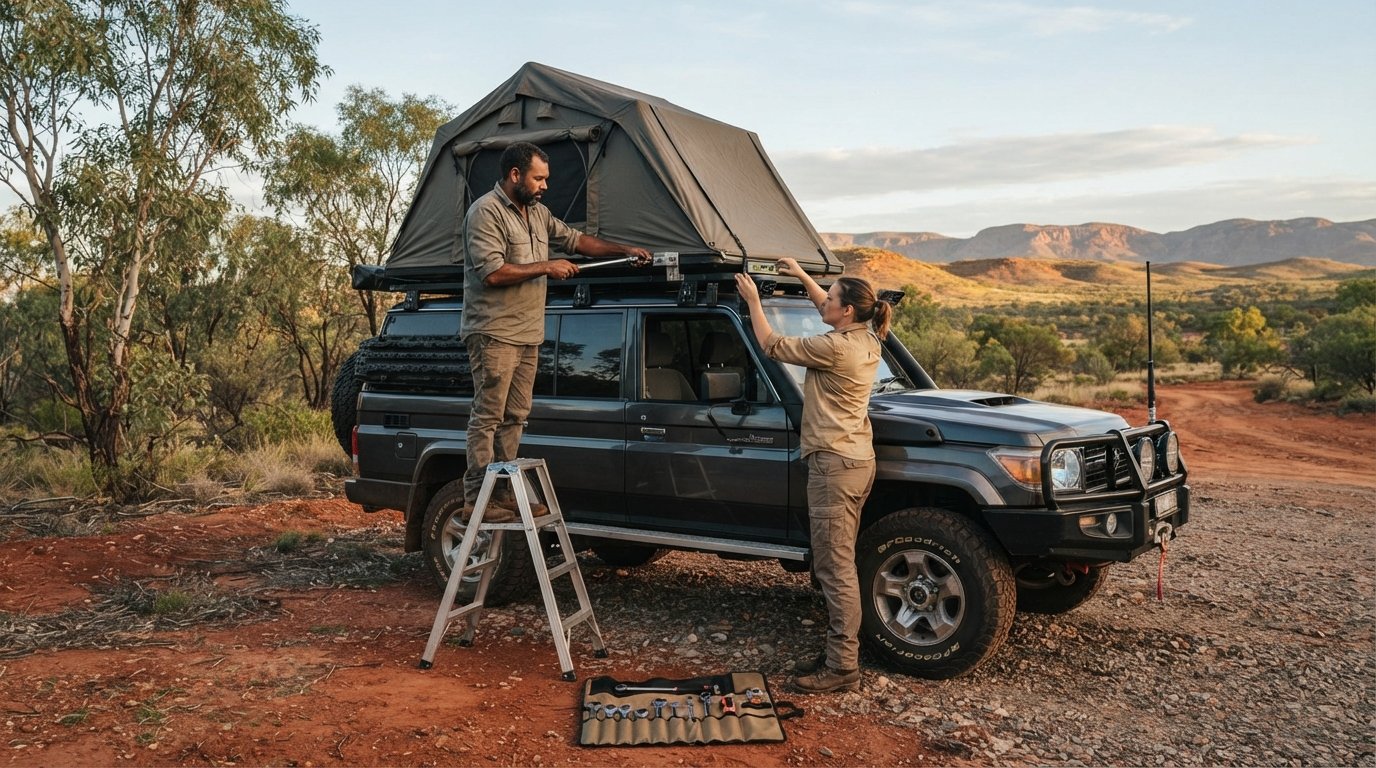
Your shoe’s upper is the first line of defence against the elements. We are seeing a massive shift toward high-tenacity synthetic mesh and recycled materials that breathe better than leather in our humid climates. Regardless of the material, look for a gusseted tongue. This is a simple piece of fabric connecting the tongue to the upper that blocks sand, seeds, and grit from entering the shoe. Using advanced lacing techniques, such as the “heel lock” or “window lacing,” allows you to customise the fit to your specific foot shape. When preparing for a trek, focusing on preventing injuries and choosing appropriate bushwalking footwear is essential for long-term trail success. If you’re planning a trip that requires hauling gear to a remote basecamp, you might also want to check out our expert reviews on roof top tents to ensure your recovery is as solid as your stride.
Hiking Boots vs. Shoes vs. Trail Runners: The 2026 Comparison
We are witnessing a significant shift in how our community approaches the trail. The old school thought that you must wear heavy leather boots for every trek is fading as lightweight technology improves. Choosing the best hiking shoes in 2026 is a tactical decision that balances your physical readiness with your gear list. A critical factor to remember is that 1 kg of weight on your feet expends roughly five times more aerobic energy than the equivalent weight carried in your backpack. This biomechanical reality is why so many of us are moving toward lighter, more agile footwear for our coastal and inland adventures.
Your pack weight should be the primary driver of your choice. If you are carrying a heavy load for a multi-day expedition, the extra support of a boot is a safety requirement. However, for fast and light missions, trail runners offer a level of freedom that traditional boots cannot match. When deciding, it is helpful to research how to choose and fit hiking footwear to ensure your selection aligns with your specific biomechanics and trail goals.
Traditional Hiking Boots: Maximum Protection
Best for: Multi-day treks with heavy packs (over 15 kg) and off-trail exploration through thick scrub or loose scree.
Boots remain the gold standard for lateral stability. With lower-limb injuries accounting for 62% of non-medical emergency rescues on our trails, the ankle support provided by a high-cut boot is a vital insurance policy against sprains. A quality pair of leather boots, often priced between A$450 and A$500, offers an impressive lifespan of up to 2,500 km. While they are heavier, weighing between 600g and 850g per shoe, their ability to be resoled makes them a fantastic long-term investment for the environmentally conscious adventurer. Just be prepared for a longer break-in period before they feel truly comfortable.
Hiking Shoes and Trail Runners: Speed and Agility
Best for: Day hikes, fastpacking, and well-maintained tracks like the Cape to Cape or the Overland Track.
The “hybrid hiker-runner” trend is exploding because these shoes offer immediate comfort right out of the box. Modern trail runners are incredibly light, usually weighing between 260g and 350g, which drastically reduces leg fatigue over long distances. They excel in breathability, which we know is essential for preventing blisters in our humid northern climates. The trade-off is durability. Most EVA-midsole trail runners will experience lug shear or lose their cushioning after 600 to 800 km. This means you’ll be replacing them more often, which increases your cost-per-kilometre and environmental footprint if you don’t utilize specialized recycling programs.
How to Choose and Fit Your Hiking Footwear
Finding the best hiking shoes is only half the battle; the way they fit your unique foot shape determines if you’ll actually enjoy the trek. We always recommend trying on potential footwear in the late afternoon. By this time, your feet have naturally flattened and expanded from a day of activity, which closely mimics the swelling you’ll experience during a long day on the trail. Don’t forget to wear the exact socks you plan to use on your expedition. If you’re heading into alpine conditions, those thick merino wool loops take up much more volume than a lightweight liner, and you need to account for that space.
While you’re at the store, use any available incline ramps to test for “toe bang” and heel slip. Your foot shape, whether you have a wide forefoot or a narrow heel, will often dictate which brands work for you. Some manufacturers are known for a generous toe box, while others cater to a lower-volume foot. Listen to your arches rather than just following a brand name.
The Sizing Framework: Beyond the Number
Podiatric studies show that hikers trekking in temperatures over 28°C experience foot volume expansion between 4% and 8%. This makes our sizing framework critical for remote travel. You need a minimum of 10 to 15 mm of toe clearance to account for this swelling. We use the “one finger” rule to check this: slide your foot forward until your toes touch the front of the shoe, then try to fit one finger comfortably behind your heel. If it’s a tight squeeze, you’ll likely suffer on steep descents. The volume of the shoe is just as important as the length; your foot shouldn’t feel crushed, but it shouldn’t be floating inside the shoe either.
Testing Your Gear Before the Big Trip
Never step onto a major Australian expedition with brand-new footwear. Even modern synthetic models require a break-in period to allow the materials to settle and the lacing to adjust to your foot. We suggest a step-by-step schedule: wear them around the house first, then move to short walks in a local park with your weighted pack. This process helps you identify “hot spots” before they turn into trail-ending blisters. If your heel lifts significantly while walking uphill, you’re looking at a friction nightmare that needs to be addressed with different lacing techniques or a different shoe model altogether. Once you’ve dialed in the perfect fit, you can get inspired with our latest adventure ideas in Australia to put your new gear to the test.
Sustainable Gear Care: Extending the Life of Your Shoes
We believe that the most sustainable piece of gear is the one you already own. Investing in the best hiking shoes is a commitment to self-reliance, but that commitment continues long after you leave the shop. Proper maintenance reduces landfill waste and ensures your footwear remains a reliable partner on remote escapes. It is about respect for the equipment and the fragile environments we explore together. By extending the life of your gear, you’re directly reducing the environmental cost of your adventures.
Cleaning and Storage Best Practices
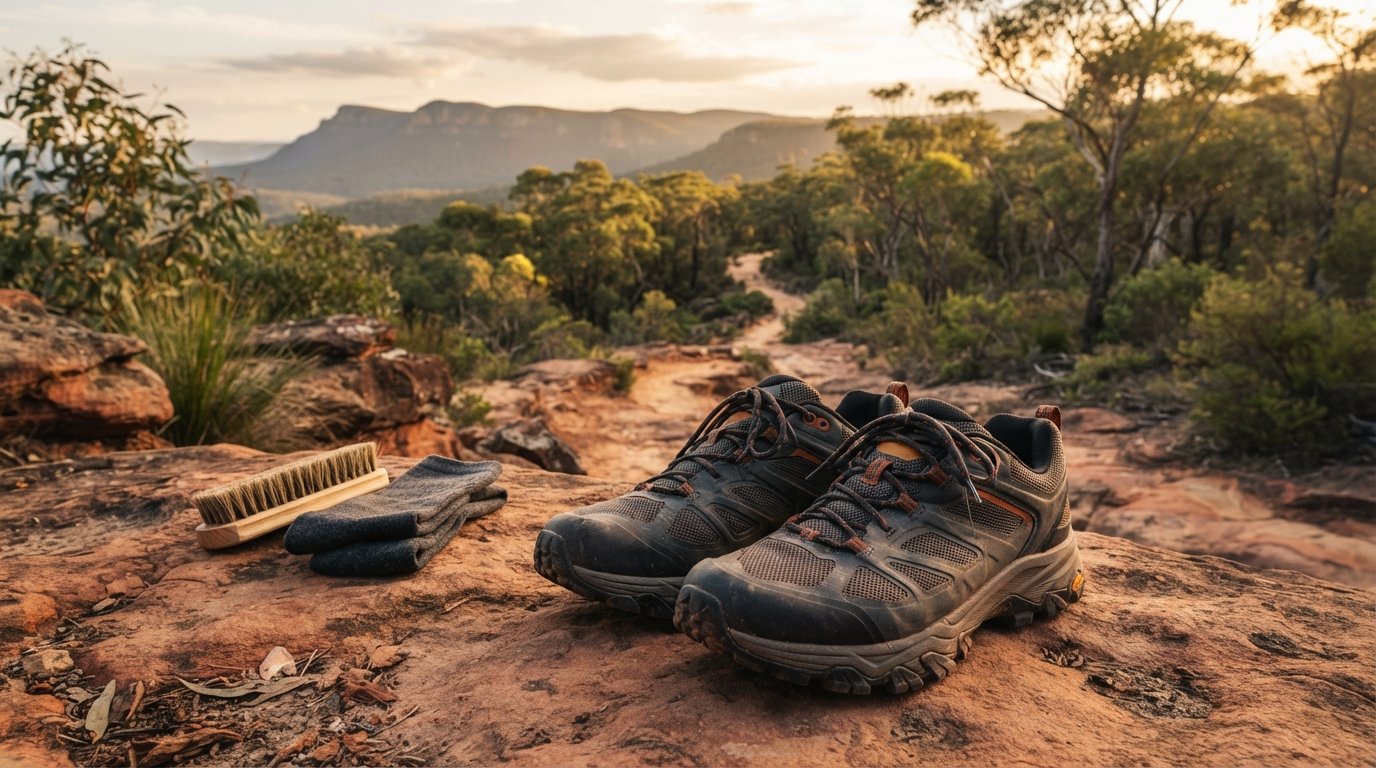
Cleaning your footwear is a critical matter of biosecurity. Pathogens like Phytophthora cinnamomi (dieback) and Myrtle rust are listed as key threatening processes under the EPBC Act 1999. These spores threaten our native jarrah forests and banksia ecosystems across the country. We must use trackside boot-wash stations, but home care is just as vital. Use a soft brush to remove abrasive grit and salt that can degrade stitching. For decontamination, a mix of 70% methylated spirits and 30% water is the prescribed formulation to scrub into lug crevices before your next trip.
Never dry your shoes by a campfire or heater. Direct heat makes leather brittle and causes the adhesives in modern synthetic models to fail. We recommend storing your gear in a cool, dry, climate-controlled space. This prevents polyurethane (PU) hydrolysis, a common issue in humid Australian conditions where midsoles can unexpectedly disintegrate if stored in damp cupboards for too long.
The Ethical Adventurer’s Footprint
Choosing brands with transparent supply chains and recycled materials is a great start. In 2026, many leading manufacturers have transitioned to PFAS-free and PFC-free membranes, such as Gore-Tex ePE. When you need to reproof your shoes, use water-based, fluorocarbon-free agents to avoid leaching persistent chemicals into our pristine waterways. Consider the long-term impact of your choices. A high-quality full-grain leather boot, typically priced between A$450 and A$500, can be resoled two or three times. This results in an operational lifespan of up to 2,500 km, which is much better for the planet than discarding multiple pairs of trail runners.
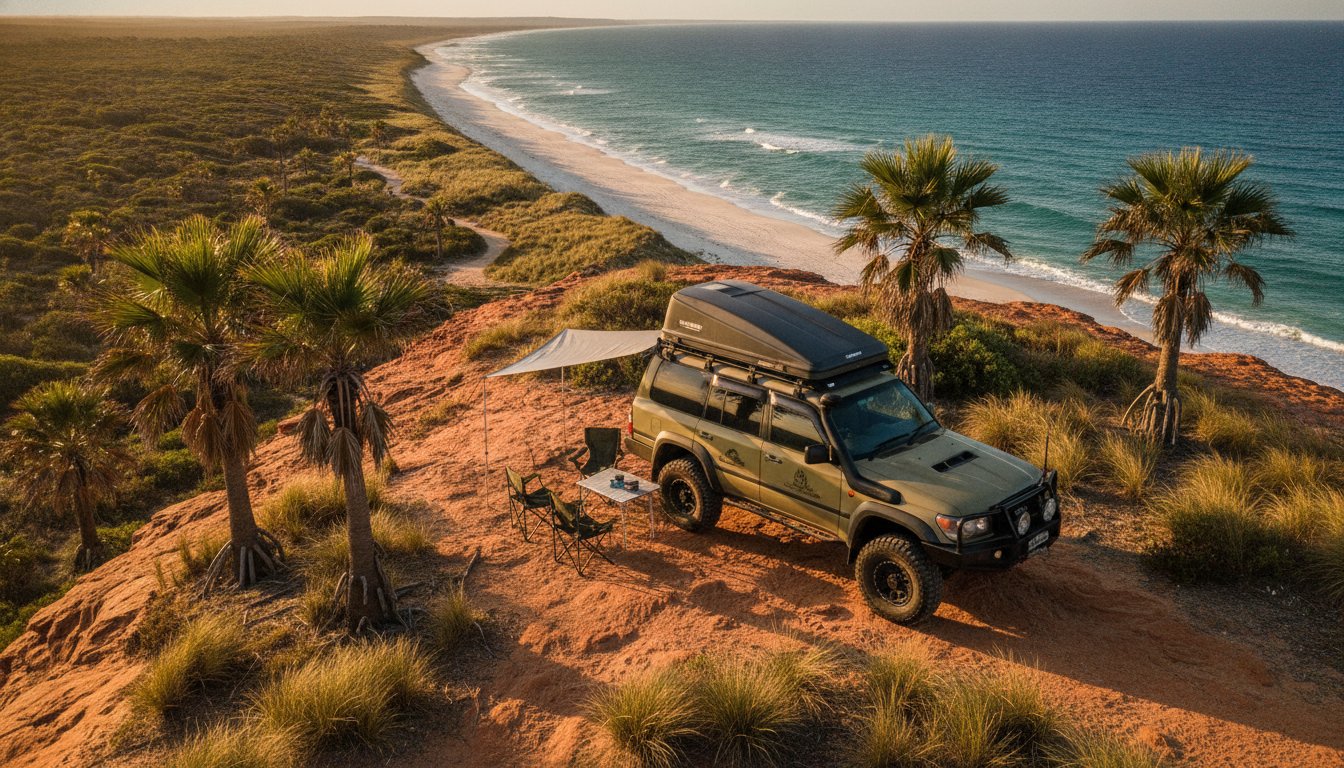
Our community values gear that stands the test of time and terrain. We focus on being hardy, contemplative, and always prepared for the unexpected. Once you’ve trekked back to your vehicle after a challenging expedition, relaxing under one of the best 4wd awnings makes the effort worthwhile. It’s these moments of reflection that remind us why we protect the wild places we love.
Ready Your Foundation for the Rugged Path
We know that every great Australian journey starts with a single, well-supported step. Selecting the best hiking shoes isn’t just about technical specs; it’s about building a foundation for self-reliant exploration. By prioritizing a precise late-afternoon fit and matching your footwear to your specific pack weight, you’re setting yourself up for success on everything from sun-scorched ranges to muddy coastal tracks. Remember that your responsibility as an adventurer extends beyond the trail. Cleaning your soles to prevent the spread of pathogens is how we keep these ancient landscapes pristine for those who follow.
Our community thrives on shared expertise and a deep respect for the wild. If you’re ready to gear up for your next remote escape, explore more expert gear reviews on Adventurerz. We provide community-led recommendations and comprehensive guides for remote Australian exploration with a constant focus on sustainable and responsible travel. Grab your pack, lace up your boots, and we’ll see you out there on the shared path toward discovery.
Frequently Asked Questions
How often should I replace my hiking shoes?
Replacement depends largely on the midsole material and your total mileage. EVA-based trail runners generally lose their structural integrity and cushioning after 600 to 800 km. High-quality boots with PU midsoles can last up to 2,500 km. You should inspect your gear for “packing out,” where the foam feels flat and hard, or for significant tread wear that reduces your grip on loose or slippery surfaces.
Are waterproof hiking shoes worth it for Australian conditions?
It depends on your specific environment. For humid northern regions or trails with frequent river crossings, non-waterproof mesh is often superior because it drains and dries rapidly. In the cold, wet conditions of southern alpine areas, a waterproof membrane provides essential protection. Always look for newer PFAS-free options to ensure your stay-dry technology doesn’t leach persistent chemicals into our pristine wilderness waterways.
What is the difference between a hiking shoe and a trail runner?
Hiking shoes feature stiffer midsoles and tougher uppers designed to support heavier pack weights over technical ground. Trail runners prioritize speed and agility, using softer foams for better energy return and flexibility. While trail runners are significantly lighter, they offer less lateral stability and have a shorter overall lifespan. Finding the best hiking shoes for your needs means balancing this desire for speed with necessary durability.
How can I prevent blisters while hiking in new shoes?
Start with a gradual break-in schedule at home before you commit to a full day on the trail. Pair your footwear with high-quality merino wool socks to manage moisture and reduce skin friction. Using preventive taping on known “hot spots” can stop a blister before it starts. Ensure your lacing is secure enough to prevent your heel from lifting, which is the most common cause of trail-ending friction burns.
Can I use hiking shoes for everyday walking?
You can certainly use them for daily walks, as they provide excellent support for your arches and joints. However, the specialized rubber compounds on the outsoles are designed for natural surfaces and tend to wear down much faster on abrasive concrete or bitumen. Using your technical gear for everyday errands will reduce the total trail mileage you’ll get out of them before the tread needs a refresh.
How do I clean my hiking shoes after a muddy trek?
Remove the insoles and laces first, then use a soft brush and cool water to scrub away mud and grit. Pay close attention to the lug crevices to ensure you aren’t transporting invasive soil pathogens between different parks. Avoid using harsh detergents that can damage the factory water-repellent coatings. Always air dry your footwear in a shaded, well-ventilated spot instead of placing them near a campfire or heater.
Should I buy hiking shoes a size bigger than my normal shoes?
Most adventurers find that sizing up by a half or full size is essential. This extra room accounts for the natural foot expansion that happens during long treks in our warm climate. You should aim for roughly 10 to 15 mm of space between your longest toe and the front of the shoe. This prevents painful toe-banging on descents while ensuring the best hiking shoes accommodate your thickest socks.
What are the best socks to wear with hiking shoes?
We recommend merino wool blends because they wick moisture away from the skin and resist odors much better than synthetic alternatives. Unlike cotton, which stays damp and causes friction, merino wool maintains its cushioning even when wet. Look for socks with targeted padding in the heel and toe box for extra protection. Matching your sock thickness to the internal volume of your shoe is the key to a stable fit.