Free camping isn’t always the cheapest way to spend a year on the road. The cost of caravan park vs free camping for one year depends on more than nightly fees: your route, the number of nights away, equipment you already own and the extra fuel or services a free camp may require all shape the total.
It’s easy to assume that camps without a nightly fee will stretch your budget further. But the comparison can mislead if you don’t account for what each stay involves. A powered site may offer facilities your setup needs, while a free camp may require you to plan for water, toilets, permits and waste disposal. There’s no single annual price that applies to every traveller.
Build a realistic comparison from your own travel pattern, current campsite fees and equipment needs instead of relying on a one-size-fits-all average. This guide explains how to count nights, track extra costs and separate gear purchases from accommodation, so you can plan a flexible mix of paid and free camps that suits your comfort, budget and approach to responsible travel.
Key Takeaways
- Calculate the cost of caravan park vs free camping for one year using your planned nights and current fees, rather than relying on a generic annual estimate.
- Compare similar itineraries and travel distances so extra fuel, facility needs and access don’t skew the result.
- Separate campsite spending from equipment costs, and include only gear you need to buy for your setup.
- Check current campsite fees, facilities, booking conditions and permit requirements before adding a site to your budget.
- Use your comfort needs and route to decide where paid sites, free camps or a flexible mix make sense.
Table of Contents
- Caravan park vs free camping for one year: what belongs in the comparison?
- How to calculate a full year of caravan park and free-camping costs
- What changes the result: facilities, travel style, and hidden expenses
- How to make a realistic one-year camping budget for your trip
- Choose a caravan park, free camp, or flexible mix for your year
Caravan park vs free camping for one year: what belongs in the comparison?
Are you paying for convenient facilities, or trading some comfort and certainty for lower campsite fees? That’s the practical choice behind the cost of caravan park vs free camping for one year. Start with the kind of stay you’d actually choose. Comparing a powered caravan park site with a remote, no-fee camp won’t tell you much if those options don’t meet the same needs.
A year of travel doesn’t necessarily mean sleeping away from home every night. You might take several trips, travel seasonally or spend long stretches on the road. Set the scope first: count the nights you expect to camp, and keep nights at home separate unless you’re comparing the full year’s household spending.
For a real-world example of balancing paid and free stops, watch this account of a family’s Australian Big Lap:
What counts as a caravan park stay or a free camp?
A caravan park provides paid sites, with the fee and included facilities depending on the park and booking. A site may offer services such as power or access to shared amenities, but check the listing to confirm what the fee covers. “Free camp” doesn’t guarantee a particular setup. Facilities, vehicle access, stay limits and booking rules differ by location.
Keep free camping distinct from low-cost camping. Some campgrounds charge a fee or require a permit, even if they have basic facilities. Check the relevant operator or land manager for current fees, conditions and whether camping is permitted. Don’t assume an informal-looking stop is an authorised campsite.
Which costs should a fair one-year comparison include?
Start with accommodation, then track other spending separately. Fuel, food, vehicle running costs and services can all affect your trip budget, but they aren’t campsite charges. If free camping changes your driving distance or means finding water and waste facilities elsewhere, record those as separate trip costs. The campsite fee alone won’t show the full impact on your budget.
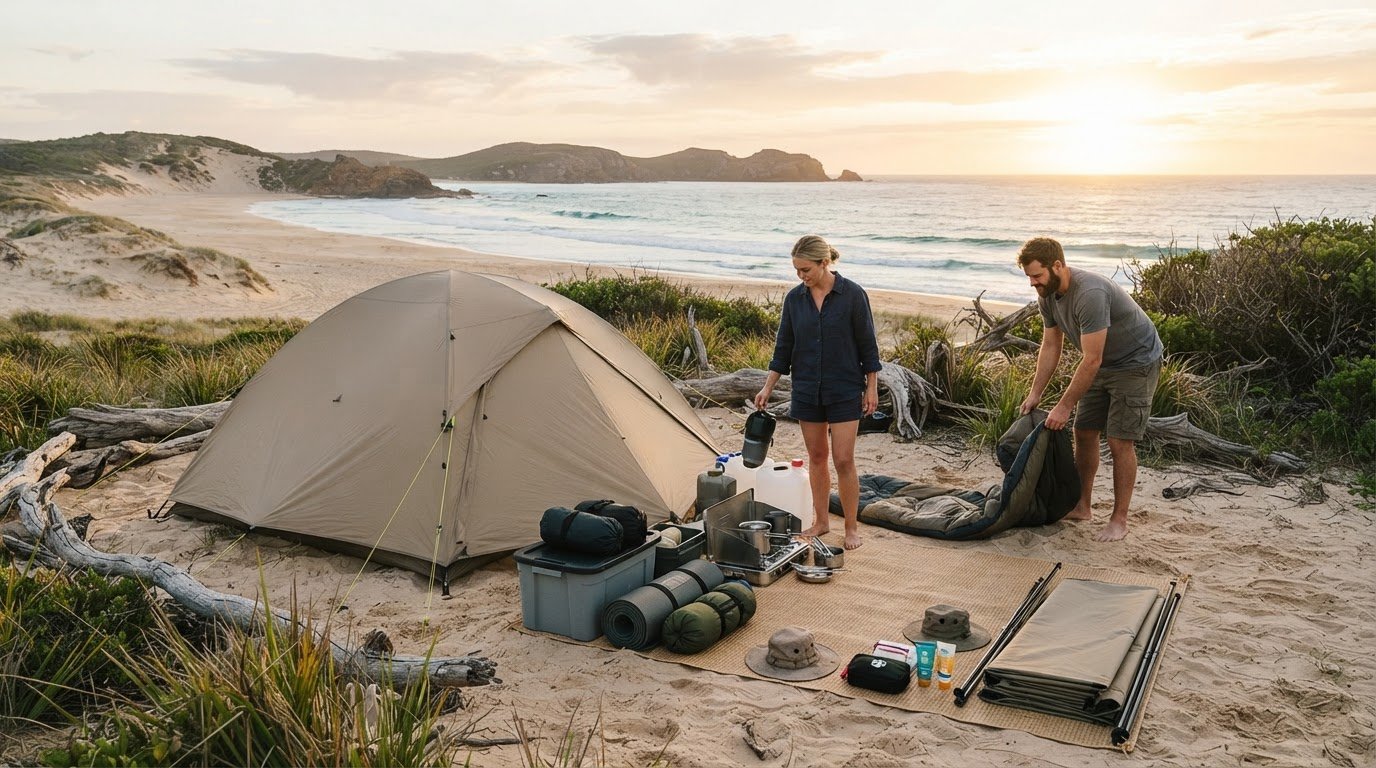
Track equipment purchases separately, too. A new toilet, water storage or power setup may be relevant to your camping plan, but it’s an equipment cost, not an ongoing nightly fee or a guaranteed saving. For a clear comparison, note your planned nights away and how many will be paid, free or low-cost. That gives you a useful accommodation figure while keeping the rest of the year’s spending in view.
How to calculate a full year of caravan park and free-camping costs
Build your estimate from your itinerary, not a blanket annual average. First count the nights you expect to camp away, then split them between caravan parks, free camps and low-cost campgrounds. Use the current fee for each planned stay where possible. Mark seasonal rates or unconfirmed fees for checking before relying on the total.
Annual comparison assumption: This estimate counts the planned nights away and campsite-related charges, with fuel and other travel services shown separately. It excludes food, vehicle ownership and equipment you already own.
Build an annual budget from nights and current fees
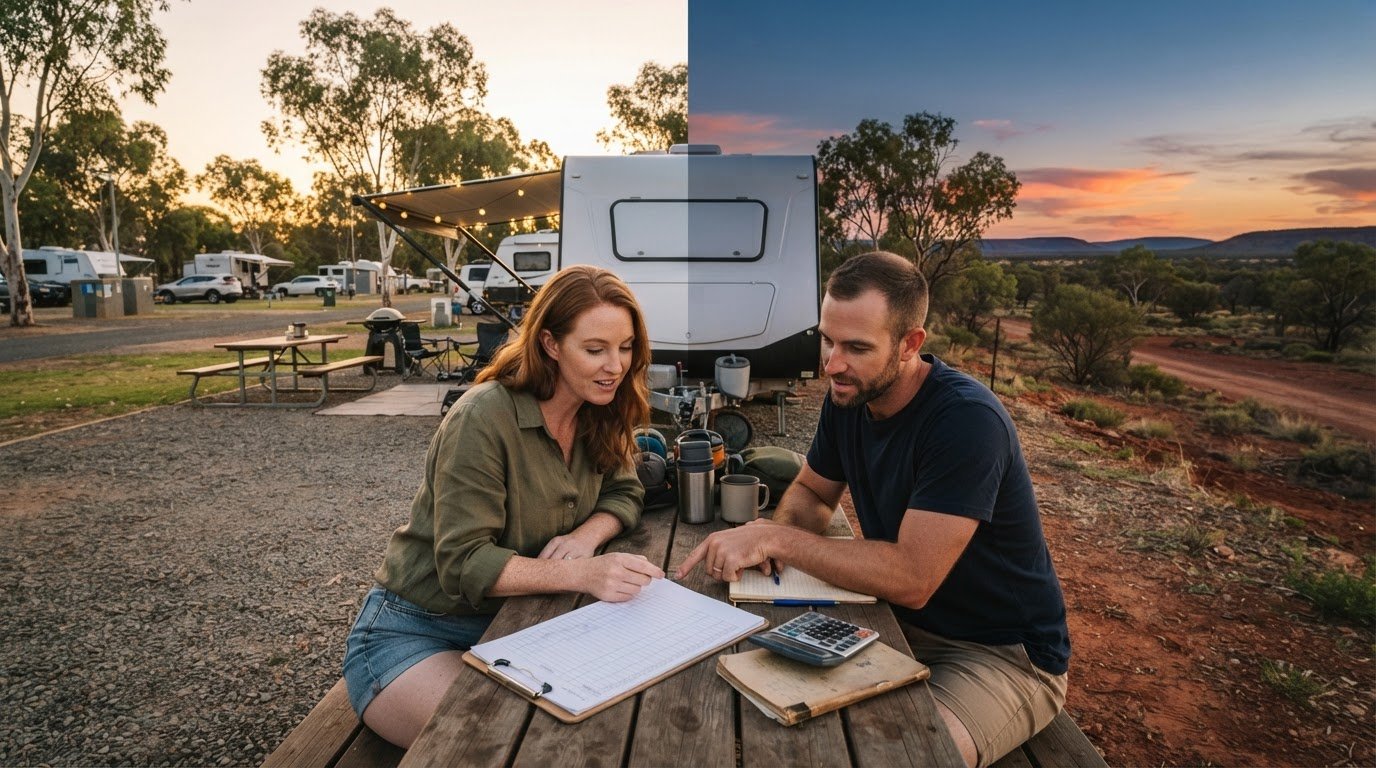
For each paid stay, use this calculation: paid nights × relevant nightly site fee = paid-site spending. If your itinerary includes different sites or seasons, calculate each group separately, then add the results. For example, 12 nights at one quoted rate and 8 nights at another should be budgeted as two line items, not combined into a guessed annual average.
Use the same care for low-cost camps. Record any site fee or permit that applies to the specific location, and don’t enter A$0 just because a listing describes the stop as “free”. Fees, booking conditions and inclusions can change, so verify them with the campsite operator or land manager. Tourism Research Australia data can provide broader context on caravan and camping travel, but your route and current site quotes are what shape a useful personal estimate.
Add the costs that can change the result
Free or low-fee stays may shift spending elsewhere. Track these costs separately so you can see both the accommodation total and the wider travel impact:
- Fuel and detours: include additional driving to reach a camp or facilities. Don’t assume every stop sits directly on your route.
- Services: allow for dump points, laundry, showers or other facilities if your chosen stops don’t provide what you need.
- Site-specific charges: add permits or booking charges only when the current rules for that camp require them.
Keep food, vehicle ownership costs and equipment purchases outside the campsite-only figure. If you need to buy gear for your setup, record it as a separate one-off or replacement expense. Don’t treat it as a guaranteed saving from free camping. For example, if you’re costing a new shade setup, Adventurerz’s 4WD awning reviews can help you research that equipment category. Add each line item to your budget, then revisit estimates as bookings, fees and your route become clearer.
What changes the result: facilities, travel style, and hidden expenses
A lower nightly fee doesn’t automatically mean a cheaper stay. For a fair comparison, match the number of nights and the route as closely as possible, then account for what each site provides and what you’ll need to arrange yourself. The cost of caravan park vs free camping for one year can change with your setup, comfort needs and willingness to travel further for a suitable camp.
Compare comfort and facilities with the nightly fee
Facilities have value, but not the same value to every traveller. A hot shower or powered site may be a priority on a long trip, while a self-contained setup may make those amenities less essential. Don’t assume every caravan park offers the same inclusions. Check the specific site details and booking terms. Free and low-cost camps vary too, from basic sites to places with useful amenities.
Use this like-for-like checklist before deciding which option works better for your trip:
| Factor | What to compare |
|---|---|
| Facilities | Confirm toilets, showers, power, laundry and waste-disposal options at each site. |
| Privacy | Consider site spacing, visitor numbers and how much separation matters to you. |
| Booking certainty | Check whether you can book ahead, and verify current booking rules and availability. |
| Access | Compare road conditions, vehicle suitability and any extra distance from your planned route. |
| Extra expenses | Allow for detours, fuel, showers, laundry or waste services you may need elsewhere. |
A campsite fee is only the price of the stay. The total cost also includes what it takes to reach and use that camp. This matters if a no-fee site means a longer drive or a separate stop for water, laundry or waste disposal.
Account for route, access, and responsible camping
Map each candidate camp against your itinerary. A site that looks cheaper on paper may add distance, fuel use or a difficult access leg. A paid stop closer to your route could reduce those extras. Check current access advice, permitted activities, stay limits and any booking or permit requirements with the relevant land manager. Availability and rules can change, so confirm before you set out.
Camping choices also affect the places and people who share them. Follow local guidance, respect other visitors, take rubbish with you and leave the site as you found it. Applying Leave No Trace principles helps protect the area and keeps camps welcoming for the next travellers.
How to make a realistic one-year camping budget for your trip
A useful annual budget is a working plan, not a number carved in stone. Start with your likely itinerary and total nights away, then compare different camping mixes while keeping your route, travel distance and other spending assumptions as similar as possible. This makes it easier to see what actually changes the cost of caravan park vs free camping for one year.
Create three comparable annual camping scenarios
Use the same total number of nights for each option. Change only the share of paid and free or low-cost stays, and use current site fees for specific planned stops where available. Leave a blank for anything you still need to check, especially seasonal rates or permit conditions.
| Budget input | Mostly paid | Mostly free | Mixed stays |
|---|---|---|---|
| Total nights away | [Enter nights] | [Enter same nights] | [Enter same nights] |
| Paid nights × current nightly fee | [Enter estimate] | [Enter estimate] | [Enter estimate] |
| Free or low-cost nights and required fees | [Enter estimate] | [Enter estimate] | [Enter estimate] |
| Extra travel and service costs | [Enter estimate] | [Enter estimate] | [Enter estimate] |
Keep distances broadly comparable across the scenarios. If a free-camping plan relies on a longer detour, record the additional fuel as a separate estimate instead of letting it disappear into the campsite total. Enter a fee only after checking the campsite’s current information.
Review the budget before and during the trip
Before committing to a stop, confirm availability, current fees, facilities, access and conditions with the operator or land manager. Check again if your travel dates fall in a different season, since prices and booking availability can vary by site and time. Mark unconfirmed entries clearly so estimates don’t look like quotes.
During the year, record actual spending in separate categories: campsite fees, travel and services, and equipment. Compare those figures with your plan at regular points. If a site is unavailable, a seasonal fee is higher than expected or your route changes, update the remaining nights and revise the scenarios. Your budget should follow the trip you’re taking, not the itinerary you first imagined.
Planning a longer route? Use the remote travel planner to help map the journey before you refine the camping budget.
Choose a caravan park, free camp, or flexible mix for your year
There’s no single best setup for every traveller. The cost of caravan park vs free camping for one year only tells part of the story. Weigh your estimate against the facilities you rely on, your route, access needs and how often you’ll be away. A lower campsite total isn’t useful if the plan doesn’t suit your comfort or travel style.
When caravan parks may suit your travel year
Caravan parks may suit you if dependable facilities, a powered site or the option to book ahead matter. A paid stop can also provide a useful reset during a longer trip, with access to amenities that may make laundry, showers and restocking supplies easier. If your itinerary is mostly park-based, check each location’s current inclusions and booking conditions before comparing fees. Facilities and services vary, so don’t assume one park’s site fee covers the same things as another’s.
When free camps or a mixed approach may fit
Free or low-cost camps can suit travellers whose vehicle setup, route and comfort needs match the facilities and access at each location. Flexibility starts with checking, not assuming. Confirm the site is open to camping and review current permissions, access details, stay limits and any fees with the relevant land manager.
A mixed itinerary can balance the two approaches. Plan paid stays where you value facilities or a dependable booking, and use suitable free or low-cost sites at other points. Revisit your budget if the route changes or a camp isn’t practical. At every stop, follow local guidance, respect other visitors and leave the site clean.
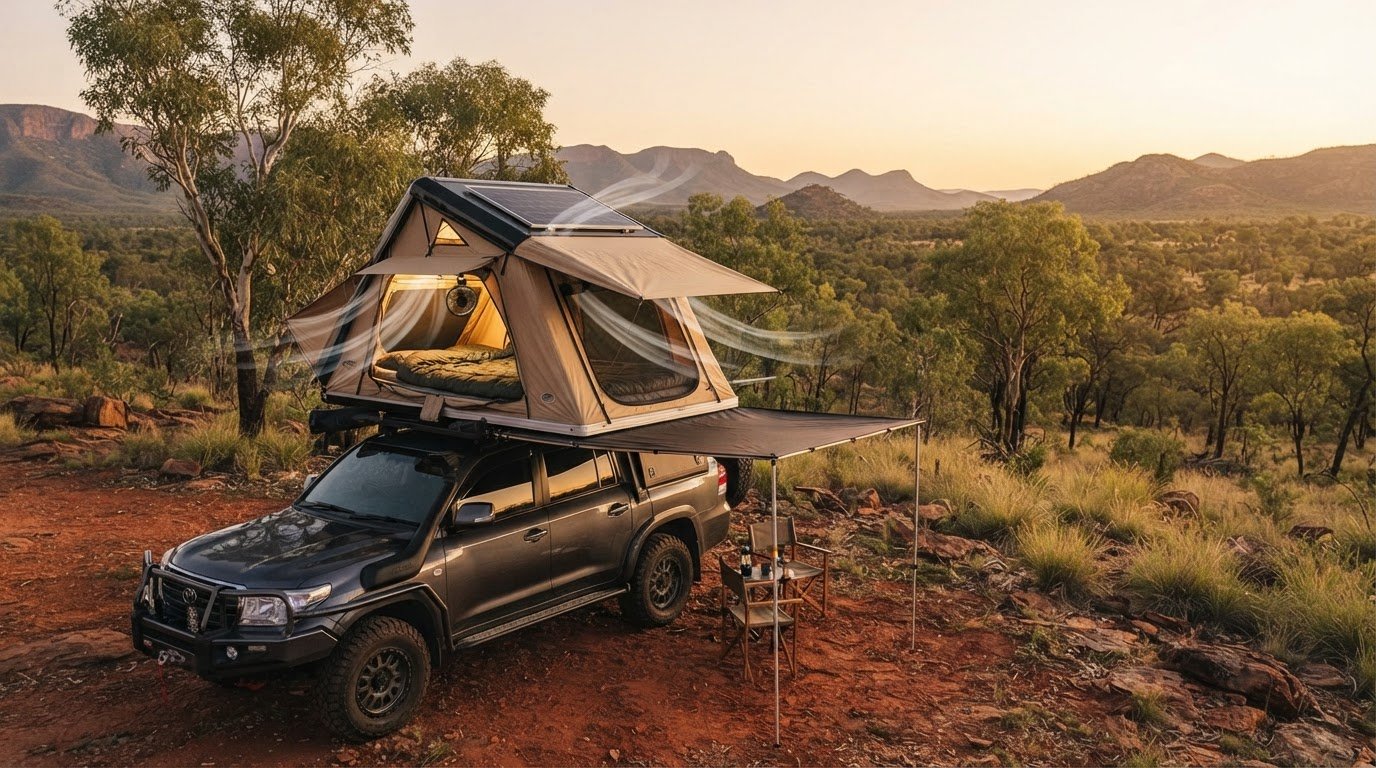
Keep gear outlays separate from campsite spending. If a rooftop tent is part of your setup planning, explore rooftop tent reviews as a research resource, then record any purchase you choose to make as its own budget item. That way, equipment costs don’t get mistaken for guaranteed savings on stays.
Build the year around what works for you: comfort, access, route and the nights you’ll genuinely spend away. For more ideas and practical information, explore Australian camping and gear guides as you shape a responsible plan for the road.
Plan a camping year that fits your way of travelling
The cost of caravan park vs free camping for one year depends on your itinerary, current campsite fees and the number of nights you spend away. Build your estimate from those personal inputs, then keep travel and service expenses separate from campsite fees. Put equipment purchases in their own category too, so your comparison reflects the cost of staying as well as setting up.
Use the result as a planning guide, not a rule that says you must choose one style. Caravan parks may suit nights when facilities or booking certainty matter. Free and low-cost camps can add flexibility when the site, access and conditions suit your setup. A thoughtful mix can balance comfort and lower site spending, while leaving room to adjust as plans change.
Ready to prepare for the road? Adventurerz publishes outdoor gear reviews and recommendations, alongside guidance for responsible Australian outdoor exploration. Explore Australian camping and gear guides as you plan your next trip. Choose the approach that fits your budget and comfort, then travel with care for the places and fellow travellers you meet along the way.
Frequently Asked Questions
How much does it cost to stay in caravan parks for a year?
Staying in caravan parks every night could cost around A$18,000 to A$25,000 per year, based on the current estimate for full-time stays. Treat this as a broad guide, not a quote: your total depends on the parks you choose, seasonal rates, site type and booking dates. It covers site accommodation, not fuel, food, vehicle expenses or other travel costs. Check current prices for your planned stops.
Is free camping actually free in Australia?
Not always. Some designated campsites have no nightly fee, while other free or low-cost options may charge fees or require a permit. Reaching a camp can also involve extra fuel or detours, and you may need to pay for showers, laundry, water or waste services elsewhere. Check whether camping is permitted and confirm current conditions with the relevant land manager before you arrive.
Can you camp for a whole year without staying in caravan parks?
It may be possible, depending on your route, vehicle setup and the camps available along the way. You’ll need to plan around each location’s access, facilities, stay limits and permissions. Some free camps require self-contained vehicles. Don’t assume you can camp anywhere: use designated areas and verify the rules with the land manager. Consider whether your setup can meet your needs without park facilities.
What is the cheapest way to camp for a year?
The lowest-cost approach depends on your itinerary and what you already own. A flexible mix of suitable free camps and paid stays can reduce site fees while leaving room for facilities when you need them. Compare similar routes and nights, then account for extra driving, permits and services such as showers or waste disposal. Don’t choose a camp on its nightly fee alone if reaching or using it adds other costs.
How do I compare caravan park costs with free camping?
For the cost of caravan park vs free camping for one year, start with the same number of nights and a comparable route. Multiply paid nights by the current site fee for each planned stay. Add any applicable free-camp fees or permits, then track extra fuel, detours and services separately. Keep food, vehicle ownership and equipment outside the campsite-only total, and update estimates as fees or plans change.
Do free camps in Australia have facilities or booking fees?
Facilities and charges vary by location. A free camp may have limited or no amenities, while another site may provide basic facilities or require a fee or permit. Booking rules and access conditions can differ too, and some locations may require self-contained vehicles. Check the current listing and confirm details with the land manager or site operator, including whether you need to book and what facilities are actually available.
Should I include camping gear in a one-year campsite budget?
Keep gear separate from campsite fees so you can see what accommodation itself costs. If you need to buy equipment for your setup, record that purchase in a distinct equipment category rather than counting it as a guaranteed saving from free camping. For a broader trip budget, combine equipment, campsite and travel costs only after calculating them separately. Include existing gear only if you’re tracking its replacement or ongoing maintenance costs.