The lightest hammock isn’t necessarily the best choice for a full night outdoors. The best camping hammocks suit your trip and sleep style, with the right shelter and insulation for the conditions. If you’re weighing comfort against pack weight, or wondering whether a hammock can keep you dry and comfortable overnight, start by looking at the complete setup, not just the hammock body.
Length and width affect how you lie, while suspension, a bug net, rainfly and insulation all affect comfort, protection and total pack weight. Some components come bundled; others need to be chosen separately. Check the package contents carefully before comparing models, especially if you’re new to hammock camping.
This guide compares hammock styles and explains the trade-offs to help you shortlist options for backpacking, car camping and other Australian trips. You’ll also find practical checks for building a complete sleep system, choosing a campsite with suitable trees and setting up with tree-friendly straps while following local rules. The goal is a setup that fits your adventure, not just the spec sheet.
Key Takeaways
- The best camping hammocks depend on your trip, sleep style and likely conditions, not just a low packed weight.
- Compare hammock dimensions, capacity and suspension alongside what’s included, so you can judge the full overnight setup.
- Use the shortlist to explore options for lightweight travel, overnight comfort and casual campsite lounging.
- Check anchor-point suitability and campsite rules before you go, then practise setup and follow the maker’s instructions.
- Weigh hammock sleeping against a ground-based shelter, including the extra protection and insulation your conditions may call for.
Table of Contents
- What makes the best camping hammock for an overnight trip?
- Best camping hammocks by use: build a shortlist that fits your trip
- Camping hammock comparison: which specifications and trade-offs matter?
- Will a camping hammock work for your trip, sleep style, and conditions?
- How to choose, set up, and care for your best camping hammock
What makes the best camping hammock for an overnight trip?
A camping hammock is a fabric bed suspended between suitable anchor points and used as part of a campsite rest or sleep setup. For overnight use, it needs to work with the protection and insulation you’ll need in the conditions. Comfort during a short lounge is only one part of the decision.
The best camping hammocks suit your trip, sleep preferences and campsite. A hammock body alone may not protect you from insects or rain, and you’ll need suitable anchor points where hanging is allowed. Hammock camping also means choosing accessories, such as a tarp or mosquito net, to suit the environment.
For a closer look at one hammock design, watch this video:
Camping hammock, backpacking hammock, or day hammock?
A day hammock is generally intended for relaxing at a campsite or in a garden; it may not include the components needed for an overnight stay. Backpacking setups put greater emphasis on low weight and compact pack size because you carry them on foot. If you’re driving to camp, those factors may matter less than comfort or ease of setup. Labels aren’t consistent standards, so compare each maker’s dimensions, packed weight and stated intended use.
What makes a hammock sleep system complete?
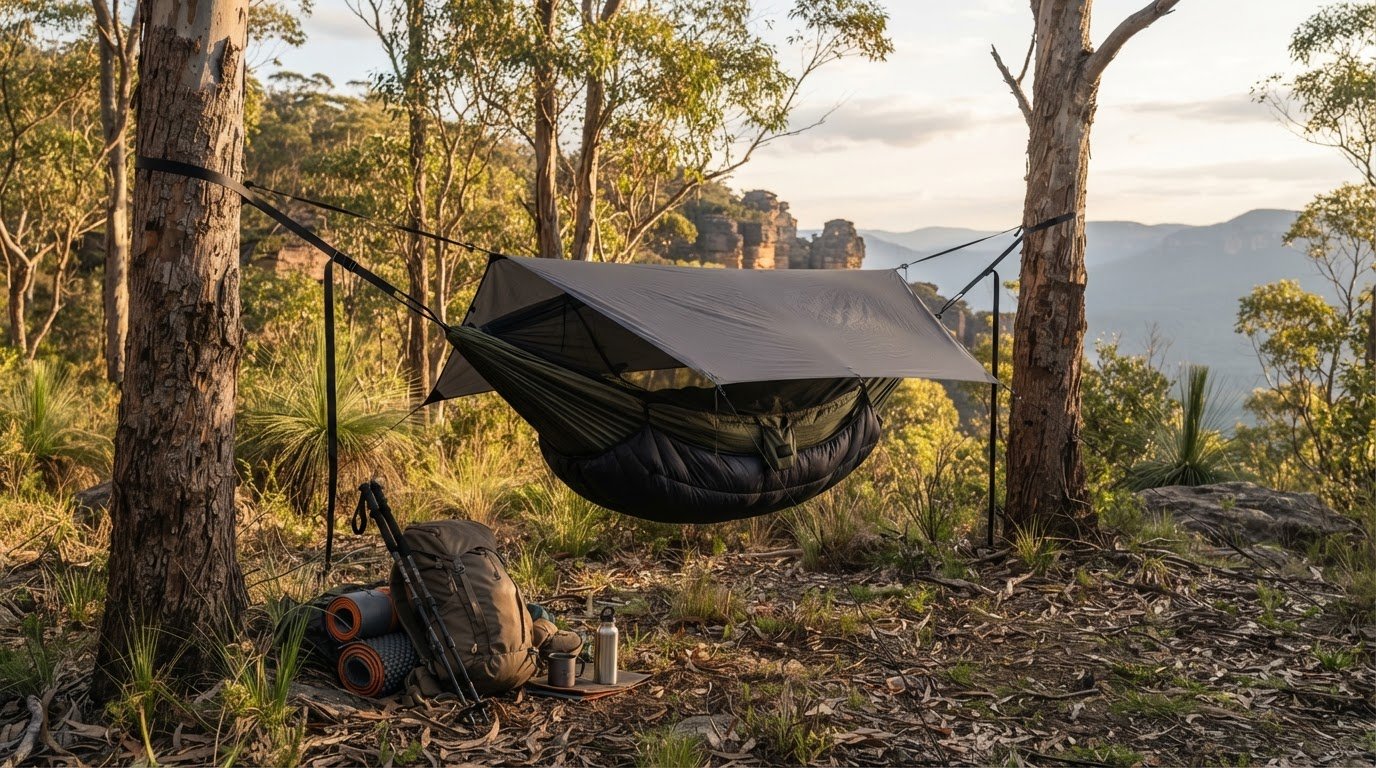
Compare the components you’ll need, not just the hammock body. An overnight setup may include:
- Hammock body: Check its dimensions and capacity against your needs.
- Suspension: Confirm whether straps or other hanging hardware are included, and use tree-friendly straps to help avoid bark damage.
- Weather and insect protection: Check whether a tarp and bug net are supplied or need to be added separately.
- Insulation: In cooler conditions, insulation beneath you may be needed; a sleeping bag alone may not address heat loss from below.
Before comparing shortlisted models, read the current product details and confirm exactly what comes in the package. Two hammocks with similar names or intended uses can leave you with very different amounts of gear to organise. Practise setting up at home, and follow the maker’s instructions when choosing anchor points and adjusting the suspension.
Best camping hammocks by use: build a shortlist that fits your trip
There’s no single design that suits every sleeper or campsite. For walkers, packed weight can shape the whole gear list; vehicle-based campers can usually give more space to comfort and roominess. The picks below are grouped by use. Published product details are kept separate from features to confirm before buying. Treat them as a starting shortlist, not as a claim of hands-on testing.
Which hammock suits backpacking, car camping, or lounging?
Lightweight travel: Grand Trunk Nano 7. Its published weight is 7.3 oz (about 207 g), with a 300 lb capacity. That low weight may appeal to walkers, but the specifications listed here don’t confirm its dimensions, suspension or overnight protection. Check the manufacturer’s current details before treating it as a complete sleep setup.
Overnight camping: Warbonnet Blackbird. The original model is 10 ft long; the single-layer hammock weighs 16 oz (about 454 g) and has a 300 lb maximum load. It’s an option to investigate for overnight use, but the details listed here don’t establish what suspension, weather protection or insect protection is included. Confirm the exact configuration and components.
Casual lounging: ENO DoubleNest. The hammock weighs 19 oz (about 539 g) and has a 400 lb capacity. It may suit relaxed campsite use, but don’t assume a lounging hammock includes what you need for overnight shelter.
How to present product picks transparently
Use labels such as “lightweight travel” or “casual lounging” rather than unsupported claims that a model is the best for everyone. Manufacturer specifications aren’t the same as independent testing, and comfort depends on fit and personal sleep preferences. Check essential hammock safety tips before choosing where and how to hang. If a recommendation includes an affiliate link, disclose that clearly. Product availability and configurations can change.
| Use case and pick | Packed weight | Dimensions | Suspension | Included protection | Source and trade-off |
|---|---|---|---|---|---|
| Lightweight travel: Grand Trunk Nano 7 | 7.3 oz (about 207 g) | Not verified in supplied specifications | Not verified | Not verified | Grand Trunk manufacturer specifications; very light, but confirm the full setup needs. |
| Overnight camping: Warbonnet Blackbird, original | 16 oz (about 454 g), single layer | 10 ft long; width not verified | Not verified | Not verified | Warbonnet Outdoors; check the specific configuration and bundled components. |
| Casual lounging: ENO DoubleNest | 19 oz (about 539 g) | Not verified in supplied specifications | Not verified | Not verified | Eagles Nest Outfitters; capacity is 400 lb, but overnight shelter components aren’t confirmed. |
These gaps are deliberate: don’t infer package contents or fit from a model name. Before shortlisting the best camping hammocks for your trip, check each maker’s latest specifications and confirm Australian availability with the seller.
Camping hammock comparison: which specifications and trade-offs matter?
Compare the complete setup, not just the hammock body. A low listed weight may look ideal for a walking trip, but a bug net, tarp, suspension and insulation add weight and bulk. Dimensions affect how much room you have to lie diagonally, while a stated load capacity describes the manufacturer’s limit, not whether the hammock will feel comfortable to you.
How do weight, size, and capacity affect comfort?
The table separates published hammock specifications from details not verified in the manufacturer information used here. The weights refer to the hammock, not a complete packed sleep system. A longer or wider body may give some sleepers more room, but fit and comfort are personal. Check the current manufacturer specification for the exact model and configuration before buying.
| Model | Published hammock weight | Dimensions | Stated capacity | Suspension and protection | Editorial takeaway |
|---|---|---|---|---|---|
| ENO Sub6 Ultralight Hammock | 5.8 oz (about 164 g) | Not verified | 300 lb (about 136 kg) | Not verified; check what’s included | Low hammock weight may appeal to walkers, but assess the complete system before comparing pack weights. |
| ENO DoubleNest | 19 oz (about 539 g) | Not verified | 400 lb (about 181 kg) | Atlas straps are available in a bundle; included protection not verified | Higher stated capacity doesn’t establish greater sleeping comfort or usable space. |
| Warbonnet Blackbird, single layer | 16 oz (about 454 g) | Original model is 10 ft long; width not verified | 300 lb (about 136 kg) | Not verified; confirm package contents | Consider its listed length alongside your preferred sleeping position and shelter needs. |
| Kammok Roo Double | Not verified | 10 ft × 6 ft | Not verified | Not verified; confirm package contents | Its listed dimensions give a roominess reference, but don’t establish overnight readiness. |
Sources: manufacturer-published specifications from ENO, Warbonnet Outdoors and Kammok, as summarised in the research for this guide. Unverified fields are marked rather than inferred.
What should you compare in suspension and add-on gear?
Check whether suspension is included, whether it’s compatible with the hammock’s attachment points, and whether the maker specifies a suitable setup. Treat insect protection, rain coverage and under-body insulation as separate needs; a hammock that lacks one may require an additional component. Follow the maker’s instructions and campsite rules, and don’t assume every site has appropriate trees or permits hanging. If your trip needs shelter without suitable trees, compare alternatives in our rooftop tent guide. Compare the full setup against your conditions instead of relying on one specification to identify the best camping hammocks.
Will a camping hammock work for your trip, sleep style, and conditions?
A hammock can be a comfortable way to sleep outdoors, but it isn’t a universal substitute for a tent. It can keep you off uneven or damp ground and offer a compact resting setup when suitable anchors are available. The trade-offs matter too: you may need extra gear for rain, insects and cold, and some campsites don’t allow hanging or lack appropriate trees.
A hammock is a good fit when your campsite permits it, suitable anchors are available, and your complete setup matches the forecast and your sleep preferences. Choose a ground-based shelter when those conditions aren’t met or you need a dependable backup.
Is a hammock comfortable enough for a full night?
It can be, but comfort depends on the hammock’s dimensions, how you adjust its suspension, your preferred sleeping position and personal fit. A model’s stated capacity doesn’t guarantee a comfortable night, and no single design suits every sleeper. Try the setup close to home before relying on unfamiliar gear for a remote overnight trip. Take time to adjust the hang and check that you can rest comfortably.
What if there are no suitable trees or the weather changes?
Check campsite rules before travelling, then confirm that appropriate anchor points are available where hanging is permitted. Use broad, tree-friendly straps and avoid damaging bark or attaching gear to unsuitable structures. If trees are absent, fragile or off-limits, a hammock may not be practical. Assess likely conditions too: insect protection, rain coverage and insulation are separate needs and may require additional components.
Have a backup shelter plan if the site or forecast is uncertain. That could mean carrying a suitable ground-based shelter or choosing a setup that doesn’t depend on trees. For trips where shelter choice and logistics go hand in hand, explore our rooftop tent guide as another option to consider.
The best camping hammocks won’t solve every campsite challenge. Match your sleep system to the site, check local rules, and be ready to change plans if anchors or conditions make hanging unsuitable. Preparation can help you camp comfortably while leaving trees and the campsite in good shape.
How to choose, set up, and care for your best camping hammock
A little planning helps turn a hammock from a hopeful purchase into a dependable part of your camp kit. Work through this checklist before you head out, and follow the hammock maker’s instructions for setup, use and care.
A practical checklist before buying or heading out
- Match it to your trip. Decide whether you’ll carry the hammock on foot or travel by vehicle. For walking trips, consider the packed weight of the complete setup, not just the hammock body. For vehicle-based camping, roominess and ease of use may matter more.
- Check the site and conditions. Confirm that hanging is permitted, suitable anchor points are available, and the setup can accommodate expected weather and insects. If any of these are uncertain, plan an alternative shelter.
- Verify the specifications. Check the current product details for dimensions, packed weight, stated capacity and suspension. Confirm whether a bug net, rain cover and other accessories are included or need to be sourced separately.
- Test the complete setup. Practise hanging and adjusting the hammock at home before relying on it overnight. Try getting in and out, check that the suspension is secure, and see whether the sleep position works for you.
Set up responsibly and leave your campsite as you found it
Choose appropriate anchor points and use broad, tree-friendly suspension rather than narrow cord that can damage bark. Check the relevant campsite rules before hanging, and follow current guidance from the land manager or local outdoor authority. Don’t force a hammock setup where trees are unsuitable or hanging isn’t allowed. Leave the site tidy, with no gear or rubbish behind.
Before packing, check your hammock and components for visible damage, and follow the manufacturer’s care instructions. If the gear is wet, dry it before storing it to help prevent mildew. Pack the components you’ll need together so you can check your system before the next trip.
- Hammock body and compatible suspension
- Weather and insect protection suited to the forecast and site
- Suitable insulation for expected conditions
- A backup shelter plan if anchors or weather make hanging impractical
The best camping hammocks are only one part of a well-planned night outdoors. Choose gear around your route, campsite and comfort needs, then explore more outdoor shelter guidance as you prepare for your next Australian adventure.
Choose your setup and get ready for the next trip
The best camping hammocks aren’t simply the lightest or roomiest. They’re the ones that match your trip, sleep preferences and campsite conditions. Compare dimensions, weight, capacity and suspension, then check which shelter, insect protection and insulation components you’ll still need.
Before settling on a setup, make sure your campsite has suitable anchor points and allows hammock use. Practise with the complete system at home, and follow the maker’s setup instructions. Clear comparisons matter too: distinguish manufacturer specifications from editorial judgement, verify recommendations before publication, and disclose any affiliate relationships.
Ready to plan your next night outdoors? Explore Adventurerz outdoor gear guides and recommendations to help match your equipment to the adventure ahead. Choose thoughtfully, set up responsibly, and enjoy the journey!
Frequently Asked Questions
Are camping hammocks comfortable enough to sleep in overnight?
Yes, a camping hammock can be comfortable for a full night, but comfort depends on your body, sleep position, hammock dimensions and setup. A model that feels fine for lounging may not suit overnight use. Try adjusting the hang and lying in your usual position before taking unfamiliar gear on a remote trip. The best camping hammocks are a personal fit, not a guarantee of a perfect night’s sleep.
Can you use a camping hammock without a tarp or bug net?
Yes, if the weather and insect conditions make those items unnecessary. A hammock body on its own won’t provide rain cover or a barrier against mosquitoes and other insects. Before leaving protection behind, consider the forecast, expected exposure and campsite conditions. Check the product details too, since a tarp or bug net may be sold separately rather than included with the hammock.
What should I look for when choosing the best camping hammock?
Start with how you’ll travel and where you plan to sleep. Compare the hammock’s dimensions, packed weight and stated capacity, then check whether suspension is included and compatible. For overnight use, account for insect protection, rain cover and suitable insulation as separate parts of the sleep system. Confirm the campsite allows hanging and offers appropriate anchor points. Always check current manufacturer specifications for the exact model and package.
How much weight can a camping hammock hold?
Capacity varies by model, so check the manufacturer’s stated maximum load for the exact hammock and follow its instructions. For example, the published capacity in the specifications listed here is 300 lb for the Warbonnet Blackbird single layer and 400 lb for the ENO DoubleNest. These figures describe product limits, not personal comfort or usable sleeping space. Don’t exceed the maker’s stated limit, and check whether it applies to the hammock alone or a complete system.
Do I need a sleeping pad or underquilt in a hammock?
You may need insulation beneath you, especially in cooler conditions. A sleeping bag can compress under your body, reducing the warmth it provides from below. A pad or underquilt can help address that heat loss, but the right choice depends on conditions, your sleep system and what fits your hammock. Check compatibility and practise with your setup before relying on it overnight.
Can you hang a camping hammock anywhere there are trees?
No. Trees need to be suitable anchor points, and campsite rules may restrict or prohibit hanging. Check with the relevant land manager or campsite before setting up. Use broad, tree-friendly straps and avoid damaging bark or attaching suspension to unsuitable structures. If you can’t confirm both permission and appropriate anchors, choose a ground-based shelter or another suitable setup instead.
Is a hammock or tent better for camping?
Neither is best for every trip. A hammock can suit a site with permitted, suitable anchors and a sleep system matched to the weather. A tent or other ground-based shelter may be more practical when trees are unavailable, hanging isn’t allowed, or conditions call for a different setup. Compare the complete systems, including shelter, insect protection and insulation, then choose what fits your route, campsite and comfort needs.