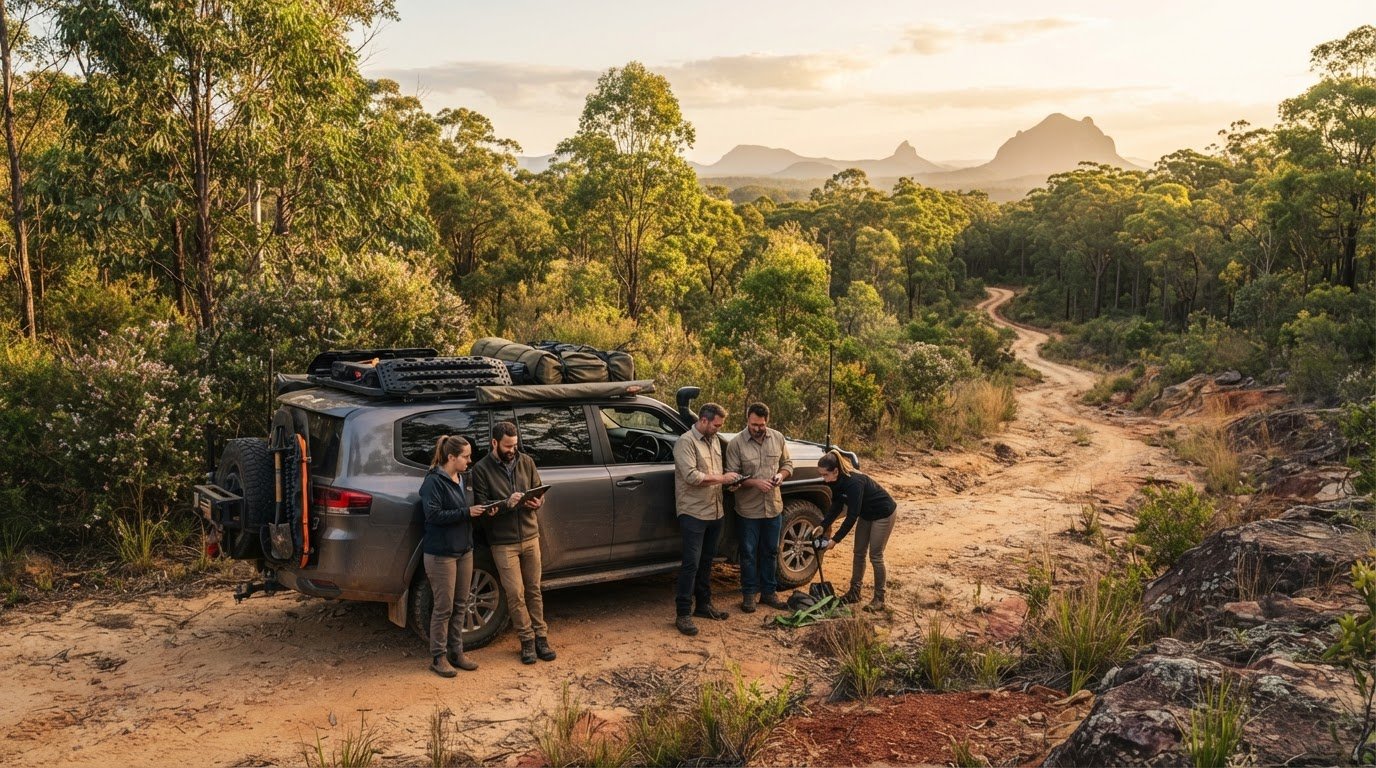
The line that looks tougher isn’t automatically the better choice for your next recovery. In the synthetic rope vs steel cable winch debate, the right answer depends on the terrain you travel, how you handle your gear and how much upkeep you’re prepared to do.
It’s easy to get caught between competing claims about strength and safety. Steel cable is known for abrasion resistance, while synthetic rope is lighter to handle. Each also has vulnerabilities that matter in real Australian conditions, from grit and scrub to sun exposure and remote-track maintenance.
This guide compares the practical trade-offs in handling, wear, care and recovery use. You’ll find ways to match a line to your winch and assess it according to the manufacturer’s inspection and safety instructions. A well-chosen setup can support more considered recoveries and help you leave the bush as you found it.
Key Takeaways
- Compare synthetic rope vs steel cable winch lines against the conditions you expect, not a one-size-fits-all claim.
- Consider how abrasive contact, heat, sun exposure and storage may affect your choice.
- Check your winch documentation to confirm the line, drum and fairlead are compatible before fitting or using them.
- Build regular inspection and care into your recovery routine, and follow the manufacturer’s safety instructions.
- Practise recovery procedures in a suitable setting before relying on your equipment on remote tracks.
Table of Contents
- Synthetic Rope vs Steel Cable Winch Lines: What Actually Changes?
- How Winch Rope and Steel Cable Differ in Use, Wear, and Safety
- Which Winch Line Fits Your 4WD Recovery Conditions?
- How to Choose and Maintain a Winch Line: A Practical Checklist
- Make Your Winch-Line Choice Part of Responsible 4WD Preparation
Synthetic Rope vs Steel Cable Winch Lines: What Actually Changes?
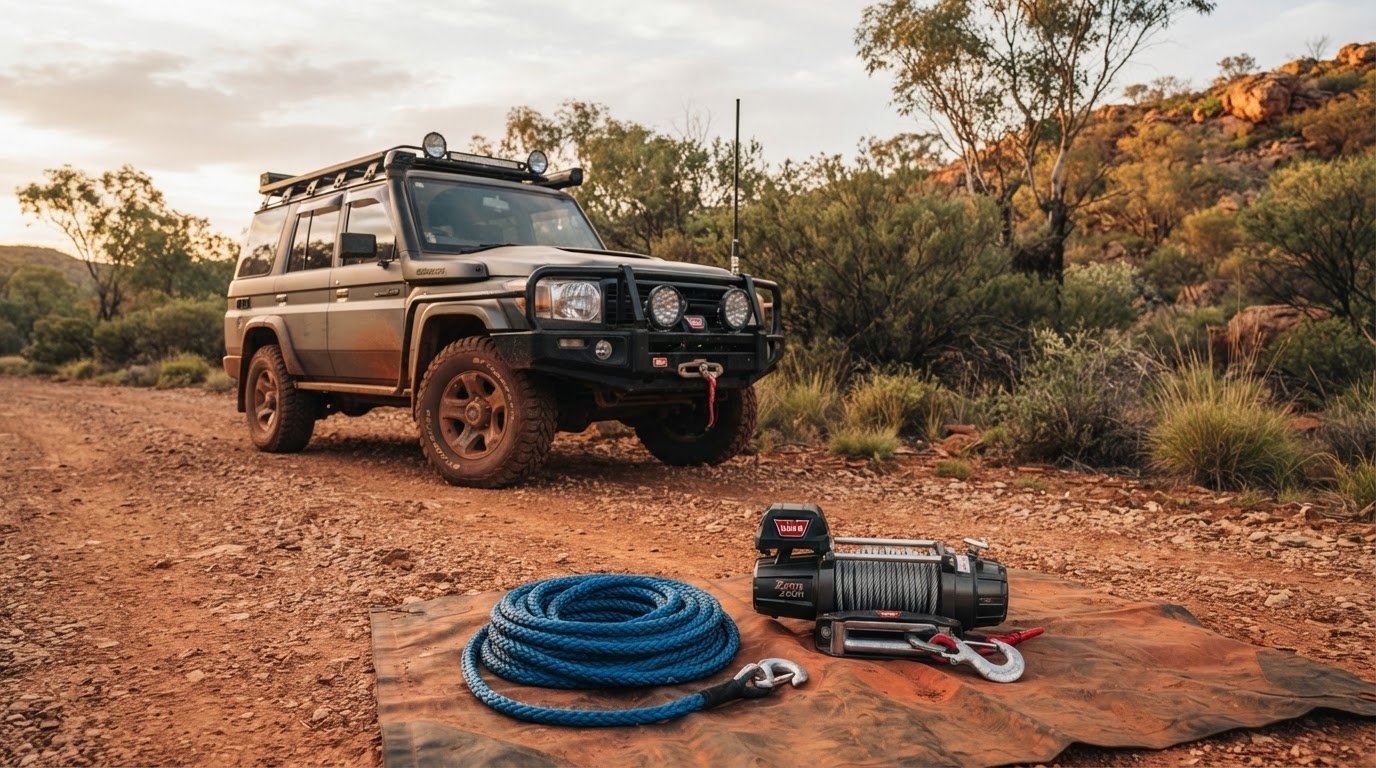
Synthetic winch rope is made from synthetic fibres, while steel winch cable is made from steel wire. Both run from the winch drum to a recovery point, transferring the winch’s pull during a recovery. The material affects how the line feels to handle, what kinds of contact can wear it, and how you need to inspect and care for it.
That difference matters on Australian tracks, where a recovery setup may face dust, grit, scrub, heat and long periods in storage. Neither material is automatically right for every trip. Consider how each line’s characteristics fit your terrain, handling preferences and maintenance routine, as well as the winch it’s fitted to. A general overview of a winch can explain its basic components. For your setup, follow the line and winch manufacturers’ instructions.
What is synthetic winch rope?
Synthetic winch rope is made from synthetic fibres rather than steel wire. Its flexibility can make it easier to coil and handle, and its lighter feel may be useful when setting up or packing away recovery gear. Those practical advantages don’t make it immune to damage. Abrasion from rocks, sand and grit, as well as sunlight exposure, can affect the line, so condition and care matter.
Before use, check the rope’s condition and confirm it’s compatible with your winch, drum and fairlead. Use it only as directed by its manufacturer. Material alone can’t tell you whether a particular line is suitable for a given recovery.
What is steel winch cable?
Steel winch cable is formed from steel wire and wound onto the winch drum. Its resistance to abrasion can make it relevant where the line may encounter rough surfaces. Steel may also suit some situations where heat exposure is a concern. But toughness isn’t immunity. Cable can wear, corrode or become damaged, and poor handling can create hazards. Inspect it and follow the winch and cable manufacturers’ care and use instructions.
In practice, weight and flexibility affect how each line feels to handle and store. Abrasion and environmental exposure affect the kind of inspection and protection each may need. Synthetic rope needs attention to grit, abrasion and sun exposure, while steel cable needs checks for corrosion and wire damage. These are factors to weigh, not guarantees of performance.
For the synthetic rope vs steel cable winch choice, start with the recovery conditions you expect, then consider how you’ll handle, inspect and store the line. Check the winch documentation for compatibility and safe-use directions. A well-matched, properly maintained setup supports more considered recovery decisions, especially when travelling remotely and aiming to minimise disturbance to the surrounding environment.
How Winch Rope and Steel Cable Differ in Use, Wear, and Safety
Line material affects handling and maintenance, but it can’t tell you on its own whether a setup is safe. A line’s condition and correct use both matter. Damage, incompatible equipment or misuse can compromise a recovery. Check the winch and line manufacturers’ instructions before you head out, and make inspection part of your pre-trip routine.
Handling and weight
Synthetic rope is generally more flexible and easier to handle by hand, while steel cable can feel heavier and less pliable. Either way, wear suitable gloves, keep hands clear of the drum and follow the manufacturer’s handling guidance.
Abrasion exposure
Synthetic rope can be vulnerable to abrasion from grit, sharp rocks and rough surfaces. Steel cable may tolerate abrasion better, but contact can still wear or damage it. Avoid dragging either line across sharp edges where possible.
Upkeep and storage
Inspect synthetic rope for abrasion and contamination. Follow its manufacturer’s instructions for cleaning and protection. Check steel cable for corrosion, kinks and broken wires. Store both lines to limit exposure to damage and environmental conditions, as directed in the product instructions.
Failure considerations
Both line types can fail if damaged, overloaded or used incorrectly. The consequences depend on the equipment and recovery setup, so don’t assume either material is risk-free. Use a recovery damper if the relevant equipment guidance calls for one, and keep people clear of the recovery line.
Handling, weight, and storage
On a remote trip, the line you find straightforward to deploy and pack away may shape your recovery routine. Synthetic rope’s flexibility can make coiling and positioning simpler; steel cable’s firmer feel can require more attention during handling. Neither removes the need for gloves or careful control. Before storage, inspect the line and protect it as directed. Don’t put away dirt or damage that could go unnoticed until the next recovery.
Abrasion, heat, and failure considerations
Think about the route the line may take. A sharp rock edge or abrasive ground can harm a line, while heat exposure may affect material suitability. Avoid contact with hazards where practical, and consult the product instructions for limits and inspection criteria. The NTSB Marine Accident Report discusses rope use and failures in marine operations. It provides broader safety context, not a 4WD-specific rule.
Don’t rely on broad claims that one type is always stronger. Strength and working limits depend on the particular line, its condition and the basis used for its rating. Compare the rating and test information in the manufacturer’s documentation, and confirm it suits the winch and recovery system. That’s the practical heart of the synthetic rope vs steel cable winch comparison: assess the actual line, its use and its care together.
Which Winch Line Fits Your 4WD Recovery Conditions?
Choose for the recoveries you’re likely to face, not for an abstract “best” line. A touring 4WD that sees occasional self-recovery has different priorities from a vehicle regularly working around abrasive surfaces or heat. Your storage and inspection habits matter, too. Use the scenarios below to narrow your options, then confirm the specific line suits your winch and follow its manufacturer’s instructions.
When synthetic rope may suit your use
If you tour and expect to handle the line yourself during recreational recoveries, synthetic rope’s lighter, more flexible feel may be a practical advantage during setup and pack-up. That convenience comes with care requirements: grit and abrasion can damage the rope, and sunlight exposure can contribute to deterioration. Consider where the line might rub, how you’ll keep it clean and protected, and whether you can inspect it regularly. Check its documented rating and compatibility with your winch setup before choosing.
When steel cable may suit your use
If your recoveries are more likely to involve abrasive contact or heat exposure, steel cable may be worth considering for those conditions. That doesn’t guarantee it will last longer in every situation. Damage, corrosion and handling still matter, and steel cable can be less comfortable to manage by hand. Think through how you’ll inspect it, handle it safely and store it between trips. Its rating and compatibility must also suit the winch and recovery setup.
Use this decision matrix as a starting point, not as a substitute for checking product documentation:
- Routine touring and frequent handling: Weigh synthetic rope’s easier handling against your ability to protect it from grit, abrasion and sunlight.
- Likely contact with rough surfaces: Consider steel cable’s abrasion resistance, while planning to avoid sharp edges and inspect for damage.
- Possible heat exposure: Compare the line’s documented suitability and limits for the conditions you expect. Don’t assume material alone settles the question.
- Long periods in storage: Consider whether you can store and protect the line as its manufacturer directs, then inspect it before the next trip.
Picture a touring route with sandy tracks, rocky sections and stretches of strong sun. The choice isn’t simply “synthetic for touring” or “steel for rocks.” Consider whether the line may contact abrasive ground, how exposed it will be between recoveries, and what maintenance you can realistically keep up with. If storage conditions are difficult, that can influence the decision just as much as terrain.
For a sound synthetic rope vs steel cable winch decision, match expected conditions with handling preference, upkeep and the line’s documented rating. If your route combines competing demands, prioritise the conditions most likely to affect the line, and plan how you’ll reduce avoidable exposure during recovery. A careful match helps you prepare for remote travel without treating any line as damage-proof.
How to Choose and Maintain a Winch Line: A Practical Checklist
Changing a line isn’t just a matter of choosing synthetic rope or steel cable. Your winch, drum, fairlead, attachment and line need to work together as a compatible system. Use this pre-trip process to check your setup before heading onto remote tracks, and rely on the product documentation for fitting, inspection and use instructions.
- Identify the winch. Note its make and model, then find the manufacturer’s instructions. Confirm the line type and specifications it supports rather than assuming a replacement will fit.
- Check compatibility. Read the documentation for the winch, drum, fairlead, line and attachment point. Confirm the line’s rating and installation requirements suit the other components as a system.
- Assess your conditions. Think through likely recoveries, including possible contact with grit, rocks or sharp edges, exposure to heat or sun, and how the line will be stored between trips. Consider whether you can manage the care it requires.
- Inspect the line and connections. Before use, look over the accessible length of the line and check its attachment and visible hardware. Use the manufacturer’s inspection criteria for that material and product.
- Follow the instructions. Use, clean and store the line as directed. Inspect it again after demanding recoveries, and don’t put damaged or questionable equipment into service.
Check compatibility before changing line type
Before replacing one line type with another, consult the winch manufacturer’s compatibility and installation instructions. The drum, fairlead, line attachment and line rating all play a part. A line that appears to fit may not be approved for that particular setup. Don’t rely on a general recommendation or make a change based on material alone. If the documentation doesn’t support the proposed combination, don’t treat it as ready to use.
Inspect and care for the line before recovery
Build a visual check into your departure routine and repeat it after a demanding recovery. Look for visible wear or damage, contamination such as grit, and signs that the line or its attachment isn’t secure. Apply the specific inspection criteria in the product instructions. Appearance alone may not tell the whole story. If you find damage, stop and follow the manufacturer’s guidance before using the line again.
- Synthetic rope: Check for abrasion, embedded grit and other visible damage. Clean and protect it only as directed by its manufacturer.
- Steel cable: Look for visible wear, corrosion, kinks or broken wires, using the manufacturer’s criteria to assess the cable.
- Either type: Check the attachment and surrounding components, then store the line according to its care instructions.
This routine makes the synthetic rope vs steel cable winch decision practical: match the line to your setup, conditions and maintenance habits, then inspect it consistently. For more preparation ideas, explore Adventurerz outdoor gear guides as you plan your next Australian adventure.
Make Your Winch-Line Choice Part of Responsible 4WD Preparation
The right line suits your likely recovery conditions, feels manageable to handle, works with your winch and equipment, and fits the maintenance you can keep up with. There’s no universal winner in the synthetic rope vs steel cable winch comparison. A thoughtful choice is only one part of preparation, though. Before travelling remotely, understand your setup and practise using it in a suitable setting.
Build a recovery-ready travel checklist
Use this checklist before heading out. Check the instructions for your specific equipment, and don’t treat a general guide as a substitute for the manufacturer’s directions.
- Compatible equipment: Confirm the winch, line, drum, fairlead and attachments suit one another, and consult the relevant installation and use instructions.
- Protective gear: Pack suitable gloves and any recovery safety equipment specified for your setup, such as a damper where instructed.
- Condition check: Inspect the line and connections before departure, and make sure you know what signs of damage or wear the manufacturer says to look for.
- Familiarity and practice: Learn how your winch controls work and practise recovery procedures in a suitable setting before relying on them on a remote track.
- Limits: Assess the recovery conditions carefully. Don’t proceed with an action beyond your training, equipment instructions or the capabilities of your setup.
A practice session can help you notice practical details before they matter: where people should stand, how the line pays out, and which steps your equipment instructions require. If the situation changes or you’re uncertain, pause and reassess rather than rushing into a recovery.
Travel with care for the places you explore
Recovery decisions affect more than the vehicle. Spinning wheels, leaving established tracks or dragging equipment across vegetation can add avoidable damage to a place we’ve come to enjoy. Choose an approach that limits unnecessary disturbance, follow local access rules and responsible-travel practices, and avoid creating new tracks to bypass a difficult section.
Preparation helps you make calmer decisions, but it can’t remove every risk or guarantee a recovery will go to plan. Keep your equipment maintained, travel within your abilities and consider the impact of each action on the surrounding environment. That’s part of being ready for remote Australian travel, alongside carrying compatible gear and knowing how to use it.
Take the time to match your line and recovery routine to the trip ahead. For more ideas as you prepare, plan your next outdoor adventure with Adventurerz.
Prepare for the Tracks Ahead
Make recovery preparation part of trip planning, not a decision left until the vehicle is bogged. Consider the ground you’ll travel, the conditions your equipment may face and the recovery skills your group can use confidently. That practical mindset makes the synthetic rope vs steel cable winch choice useful beyond the garage: it helps you plan for the journey while staying mindful of the places you visit.
As you map out your next route, use trusted information to prepare your vehicle and make considered choices about your equipment. Adventurerz brings together Australian-focused adventure ideas, outdoor gear guides and product reviews, with a commitment to responsible exploration and care for the environment.
Plan your next outdoor adventure with Adventurerz and head out ready to explore thoughtfully. There’s a whole country of tracks and wild places to discover, so travel prepared and leave them in good shape for the next crew.
Frequently Asked Questions
Is synthetic winch rope safer than steel cable?
Neither line type is automatically safe, and the synthetic rope vs steel cable winch choice doesn’t remove recovery hazards. The outcome of a failure can depend on the specific line, its condition, the setup and how the recovery is carried out. Compare rated specifications and manufacturer guidance, and use suitable protective practices. A recovery damper may be appropriate if equipment guidance recommends one, but it isn’t a substitute for careful operation.
Can I replace steel cable with synthetic rope on my existing winch?
Only if the replacement rope is compatible with your particular winch and its components. Don’t assume it’s a direct swap: check the winch maker’s instructions and the rope maker’s compatibility guidance for the drum, fairlead, attachment and line specifications. For example, a rope that fits through a fairlead may still be unsuitable for the drum or attachment. Follow the prescribed installation process, and don’t use a line with an unsuitable fit or rating.
How do I know whether my winch rope needs replacing?
Use the product’s inspection criteria rather than relying on a generic wear rule. Check the line before use and after a demanding recovery for visible damage, unusual wear, embedded contamination or problems at the attachment. For instance, a line that has been dragged over rough ground deserves a close check along the affected section. If you can’t establish that it remains serviceable, don’t rely on it until you’ve followed the manufacturer’s assessment guidance.
Does synthetic winch rope need more maintenance than steel cable?
The maintenance differs, so neither should be treated as maintenance-free. Synthetic rope may need attention to grit, abrasion and storage conditions, while steel cable also needs inspection and careful handling. Don’t assume a cleaning method suitable for one product applies to another. Advice on cleaning, drying, lubrication and storage depends on the line’s construction and manufacturer. Keep the relevant instructions with your recovery gear so the care routine is clear before a trip.
Is steel cable better for rocky or abrasive terrain?
Steel cable may be worth considering where abrasion or heat exposure is expected, but rocky terrain alone doesn’t settle the choice. The line’s construction, route over the ground, likely contact points and maintenance all matter. For example, a sharp edge can threaten either type if the line runs across it. Compare the specific product’s documented limits with your expected recoveries, and plan to avoid unnecessary contact rather than treating any material as damage-proof.
Can synthetic winch rope be repaired if it is damaged?
Whether a damaged synthetic rope can be repaired depends on its construction, the location and type of damage, and the manufacturer’s rules. Don’t cut out a damaged section or improvise a splice and assume the remaining rope is suitable for recovery. Check the product’s repair and retirement guidance, and follow its instructions for assessment. If you can’t determine whether the rope remains fit for use, don’t rely on it during a recovery.
Do I need a winch damper with synthetic rope or steel cable?
Follow the safety instructions for your winch and recovery equipment, including any guidance about using a damper. Its role depends on the equipment and situation, so don’t treat it as a device that prevents injury or controls every failure. A damper also doesn’t replace correct setup, line inspection, suitable positioning or careful operation. Before recovery, make sure everyone involved understands the relevant instructions and knows where to stand.
Which winch line should I choose for a 4WD used for touring?
Choose based on your winch’s requirements and the conditions you expect on tour, rather than assuming one line suits every vehicle. If frequent handling is a priority, synthetic rope may appeal; if abrasive or heat exposure is a concern, steel cable may be worth considering. Also think about where the line will be stored and what upkeep you can maintain between trips. Compare the specific product documentation with your setup and travel plans.