What if the secret to landing a trophy Snapper isn’t just the lure you’re throwing, but the sand you’re driving over to get there? We all know the frustration of arriving at a popular coastal fishing spot only to find it’s more crowded than a Saturday morning boat ramp. You want the isolation of remote reaches, but conquering the challenging beach tracks requires more than just a bit of air out of your tyres; it takes a strategic approach to your gear. We’ve all felt that uncertainty about where the green zones end and where the best beach camps begin when trying to time the tide for a sunrise cast.
This Adventurerz guide is your roadmap to mastering remote fishing expeditions in 2026. We’re sharing our curated list of the most productive fishing grounds, from deep coffee rocks to the artificial reefs that are currently firing. You’ll learn how to integrate your rooftop tent and 4WD awning into a seamless coastal expedition that keeps you on the fish longer. We’ll dive into seasonal movements, including the updated Spanish Mackerel boat limits, and the technical gear needed to stay self-reliant. From the necessary permit fees to sustainable filleting rules, we’ve got the intel to ensure your next trip is successful and responsible.
Key Takeaways
- Identify the premier hotspots for Snapper and Longtail Tuna at the Harry Atkinson and Curtin artificial reefs to maximise your catch rate.
- Navigate the Bribie Island 4WD tracks to access pristine beach fishing zones while setting up a high-mobility basecamp with a rooftop tent.
- Align your travel schedule with 2026 seasonal fish movements to ensure you’re targeting the right species at the right time.
- Understand the latest Marine Park zoning and catch-and-release protocols to protect the Bay’s biodiversity for future generations.
- Simplify your expedition planning with our essential checklist for permits, ferry bookings, and safety-critical weather monitoring.
Table of Contents
Iconic Species of Moreton Bay: What is Biting in 2026?
We’re seeing a massive shift in how species move through the bay this year, making 2026 one of the most exciting seasons in recent memory. The 2026 Moreton Bay Grand Slam is the ultimate challenge for our community; it requires landing a legal Snapper, a Longtail Tuna, and a Flathead during a single multi-day expedition. While the “Big Three” (Snapper, Yellowtail Kingfish, and Longtail Tuna) rightfully dominate the conversation, the inshore mangrove systems are currently teeming with Flathead and Bream for those who prefer lighter tackle.
Accessing the best creek mouths for these inshore favorites often means exploring the Bribie Island 4WD tracks to reach the northern campsites where the crowds thin out. As we explore the diverse ecosystems of Moreton Bay, it’s clear why this region remains a premier destination for serious anglers who value both the catch and the environment.
To see these environments in action, watch this helpful video:
The Snapper Run: Winter Tactics
Moreton Bay is a world-class Snapper nursery, and the 2026 winter season is proving particularly productive around the shallow reef edges. We’ve found that 5-inch jerk shad soft plastics in natural baitfish colours are outperforming traditional baits, especially when fished with a “dead stick” technique in the current. Timing is everything here. We recommend focusing your efforts three days on either side of the full moon during June and July. Planning your trip around the Bribie Island 4WD tracks ensures you can access the remote beach launch sites that put you right on top of the winter action. Setting up a basecamp with one of our recommended roof top tents allows us to be on the water before the first light hits the coffee rocks, which is the prime window for trophy-sized “knobby” Snapper.
Pelagic Chaos: Tuna and Mackerel
When the water warms up, the central bay transforms into a theatre of pelagic action. Look for “working” birds like Terns and Gannets; they are your best indicator for bait balls being pushed to the surface by Longtail Tuna and Mackerel. High-speed spinning with 40g chrome slugs is the gold standard for Tuna, while trolling deep-diving minnows along the shipping channel drop-offs is a reliable way to find Spanish Mackerel. Remember that 2026 regulations limit us to one Spanish Mackerel per person, so we treat every catch with respect. Always carry a registered EPIRB and flares when chasing these schools into open water, as conditions can change rapidly in the central bay.
Top-Tier Fishing Spots: Reefs, Wrecks, and Bribie Island 4WD Tracks
Finding the right spot in Moreton Bay is about understanding the synergy between structure and tide. While natural reefs have their charm, the engineered precision of artificial sites is where the 2026 action is concentrated. We’ve seen a noticeable uptick in biodiversity since the recent reef expansions, making these locations more than just fishing spots; they’re vital ecological hubs. For those looking for a mix of species, the Rous Channel remains a classic. It requires careful navigation of its shifting sandbanks to find the deep holes where Snapper and Sweetlip congregate. We always check the latest charts before heading out, as the sands here are constantly on the move.
The Power of Artificial Reefs
When the bay is too rough for the boat, we turn to the shoreline. Navigating the Bribie Island 4WD tracks is the only way to reach the isolated beach gutters where trophy Jewfish and sharks patrol at night. The soft sand near the northern lagoons can be treacherous, so maintaining your momentum is crucial. We always drop our tyre pressures to around 16 psi before hitting the Bribie Island 4WD tracks to ensure we don’t chew up the environment or get bogged. Once you’ve found a deep gutter with a clear entry and exit point for the tide, it’s time to set up. It’s during these long beach sessions that having one of our top-rated 4wd awnings makes all the difference, providing essential UV protection while you wait for that sunset reel-screamer. There’s nothing quite like the fellowship of a beach campfire after a successful night on the sand.
Gear Up: Equipping Your 4WD for a Fishing Expedition
We’ve all been there: the alarm goes off at 4 AM, and you’re still fumbling with tent poles while the tide is peaking. A successful multi-day coastal mission requires a setup that’s as hardy as it is efficient. When you’re tackling the Bribie Island 4WD tracks, your gear needs to handle salt spray, fine sand, and the constant vibration of corrugated tracks. It’s not just about bringing a rod; it’s about building a mobile ecosystem that supports your obsession. We focus on durability and speed to ensure we spend more time casting and less time camp-building.
Mobile Basecamps: The Rooftop Advantage
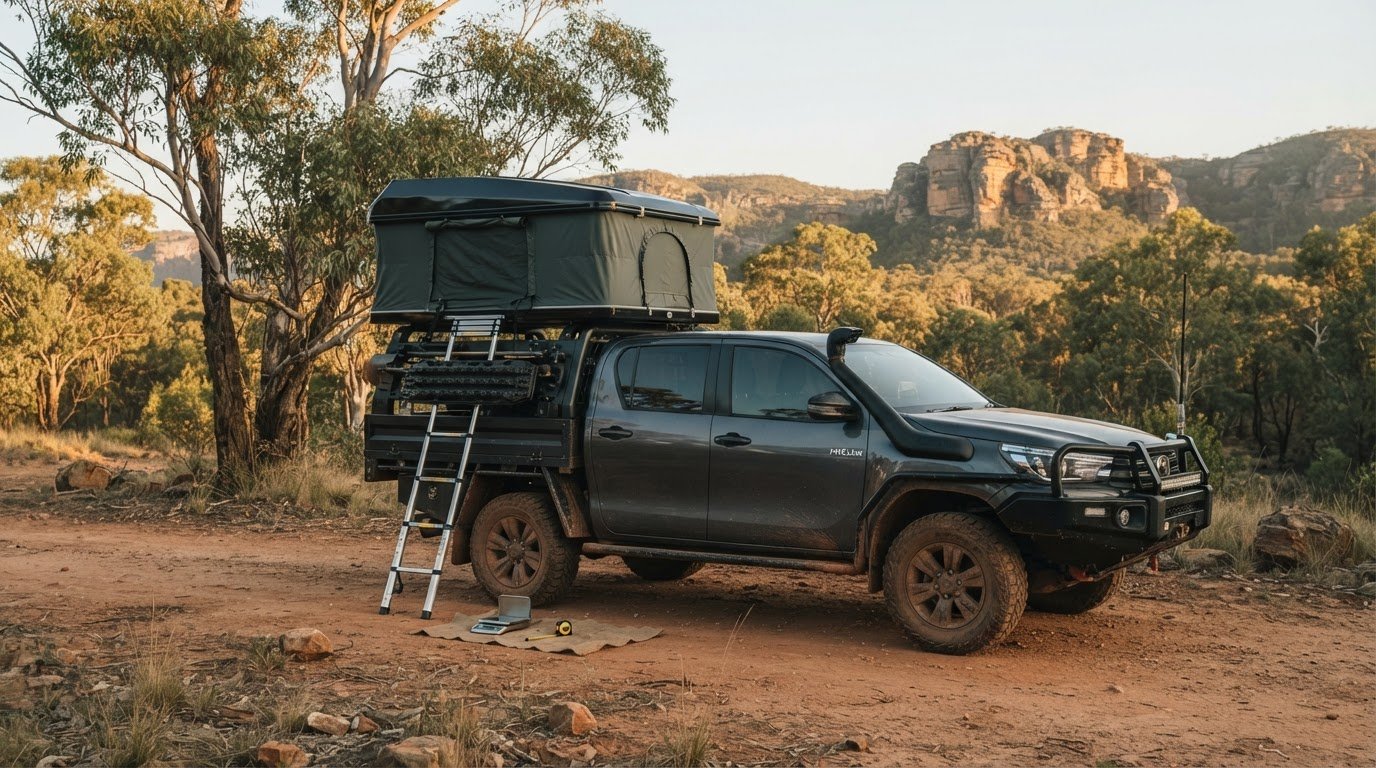
Staying mobile is the key to chasing the bite. We prefer roof top tents because they keep us off the damp sand and allow for a five-minute pack-down. In the exposed coastal winds of Moreton Bay, a hard shell tent often wins out over soft shell designs due to its aerodynamic profile and reduced noise. We keep our bedding inside the tent during the day. This frees up internal vehicle space for bulky tackle boxes and ensures a quick morning departure when the Snapper are calling. It’s about being daring yet methodical in how we organise our vertical storage.
4WD Accessories for the Dedicated Angler
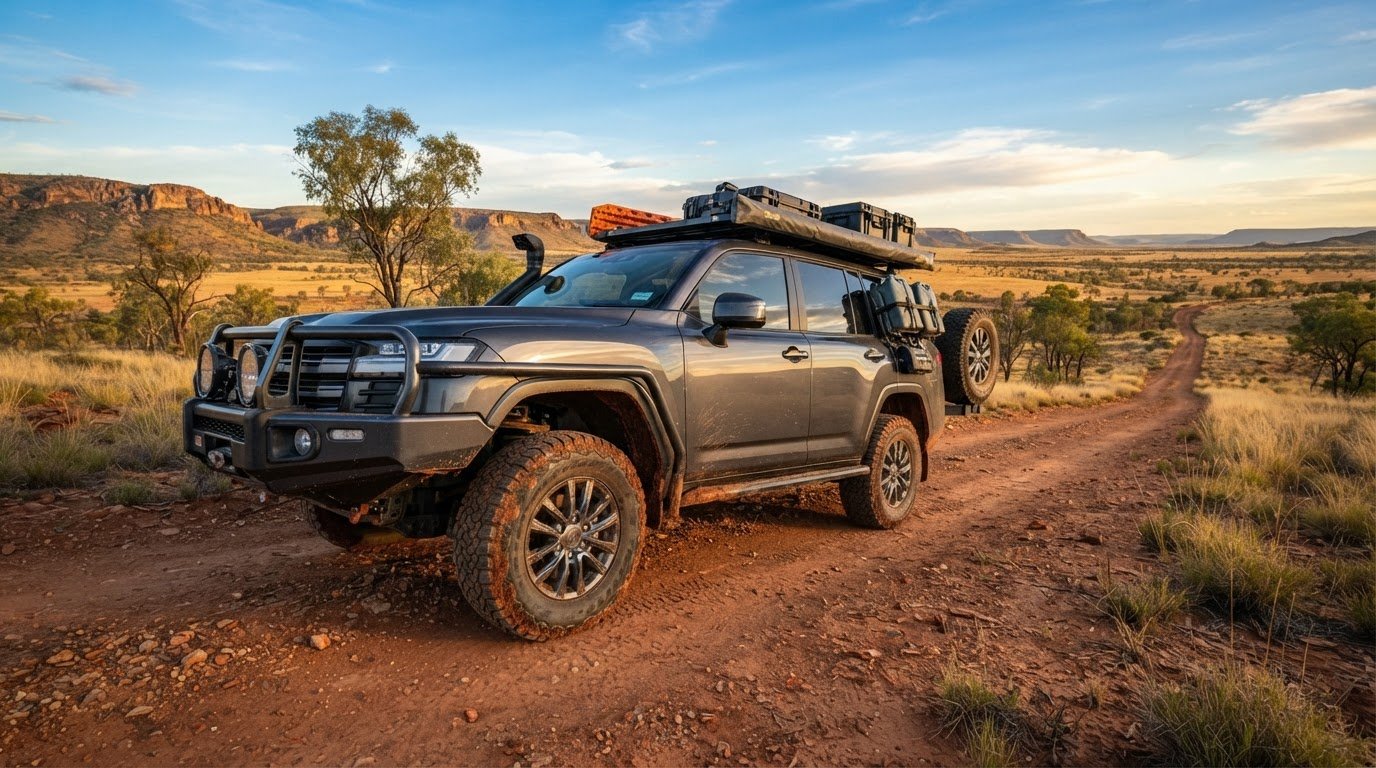
Saltwater is the enemy of durability. We use water-resistant storage bins to isolate salty lures and wet reels from our dry camping gear. For those long midday lulls, check our guide on best 4wd awnings to find a setup that offers 270-degree coverage. This isn’t just about comfort; it’s about skin safety during eight-hour beach sessions along the Bribie Island 4WD tracks. A quality awning provides a sheltered space to rig up your gear or prep the day’s catch away from the direct Queensland sun.
Your recovery kit is just as important as your tackle box. We never head out without a set of heavy-duty recovery boards and a reliable tyre pressure gauge. A dual battery system is another non-negotiable; it’s essential for running a portable fridge to keep your bait fresh and your catch chilled. These systems ensure you’re self-reliant, allowing us to venture further into remote zones without worrying about a flat starter battery or spoiled fillets. Being prepared means you can focus on the fellowship of the trip rather than the stress of the logistics.
Sustainable Angling: Protecting the Bays Biodiversity
We don’t just visit these places; we’re the stewards of them. Every time we air down for the Bribie Island 4WD tracks, we’re entering a sensitive ecosystem that demands our respect. Protecting the lush seagrass beds of the bay is vital for the survival of our local Dugong population, as these gentle giants rely on these meadows for their primary food source. By adopting a “tread light, fish right” mentality, we ensure that the fellowship we enjoy today remains available for the next generation of explorers.
Zoning and Regulations 2026
Understanding the Moreton Bay Marine Park zoning is non-negotiable for anyone navigating the Bribie Island 4WD tracks. Green Zones (no-take) are strictly enforced to allow fish stocks to replenish, and we use the “Qld Fishing 2.0” app to track our GPS position in real-time. It’s the best way to avoid the A$518 penalty for entering restricted recreation areas without proper compliance. In 2026, the general possession limit for unlisted tidal species is 20, but prized catches like Spanish Mackerel have tighter restrictions. The current boat limit is a maximum of four Spanish Mackerel if you have four or more people on board, reflecting a management strategy to push stocks toward a sustainable target of 60% biomass. If you spot illegal netting or zoning violations, report them immediately to support the science-based decision-making that keeps our fishery healthy.
The Ethical Anglers Toolkit
Our community prioritises the health of the fish over the glory of the photo. Switching to circle hooks is a simple way to ensure hookups occur in the corner of the mouth rather than the gut, which significantly increases the survival rate of released fish. When handling a catch, keep it in the water as much as possible; if you must lift it, use wet hands or a knotless landing net to protect its delicate slime coating. For deep-water species, be mindful of barotrauma and use a descending device to help them return to depth safely. This methodical approach to fish handling is what separates the hardy mentor from the casual tourist.
Reducing plastic waste is another pillar of our ethical code. We never leave behind tangled line or soft plastic scraps that can choke marine life. Instead, we carry a dedicated waste container in our 4WD to ensure every piece of synthetic material leaves the beach with us. Choosing which fish to keep is also a statement of our values. While the 2026 Spanish Mackerel stock assessment shows a recovery to 34% biomass, we often choose to keep only what we need for a fresh meal under the awning. This self-reliance reduces pressure on the bay while still allowing us to enjoy the fruits of our labour.
Check out our latest recommendations for sustainable camping gear at adventurerz.com to see how we’re minimising our footprint on the Bribie Island 4WD tracks. Our collective effort is what keeps these remote locations pristine and productive for everyone.
Launching Your Adventure: Logistics and Planning
Logistics are the unsung heroes of every great catch. We spend months researching the best lures and upgrading our suspension, but a single forgotten permit or a poorly timed tide can bring the whole expedition to a grinding halt. Transitioning from the driveway to the Bribie Island 4WD tracks requires a methodical approach to paperwork and environmental conditions. It’s about ensuring our fellowship spends more time on the water and less time dealing with avoidable fines or recovery delays. In 2026, technology has made this easier, but the fundamentals of coastal self-reliance remain the same.
Before you even load the fridge, you must secure your vehicle access permit. For a trip lasting one week or less, the Bribie Island permit currently costs A$59.30. Don’t risk skipping this; the 2026 enforcement includes 24-hour number plate surveillance cameras, and the penalty for entering the recreation area without a valid permit is a steep A$518. If you’re heading further afield to Moreton or Stradbroke Islands, book your vehicle ferries at least three weeks in advance during peak summer runs. This foresight ensures we stay close to the early-morning launch sites we discussed earlier.
Essential Trip Planning Tools
We rely on a suite of digital tools to navigate the bay’s complex environment. The “Qld Fishing 2.0” app is our go-to for real-time zoning boundaries, while WillyWeather provides the granular wind and swell data needed for safe crossings. To keep your logistics organised, we recommend using the ultimate adventure travel planner to map out your 2026 remote escape. This helps us coordinate fuel stops, water refills, and tide-dependent beach transit times along the Bribie Island 4WD tracks. Remember that some sections of the beach are impassable at high tide, so timing your run is a safety priority.
Safety in the Bay
Moreton Bay is beautiful but can be deceptive. We always log our trip with the local Coast Guard and monitor VHF channel 16 for emergency updates. For those looking to venture into the open ocean, the South Passage Bar remains a significant hazard. Unless you have extensive experience and a favourable swell forecast, we suggest sticking to the inside of the islands or using the more predictable northern channels. Our 48-hour fishing checklist includes:
- Verified vehicle access permits and printed ferry confirmations.
- Updated digital charts for the Rous Channel and artificial reef coordinates.
- A fully stocked first aid kit with vinegar for stings and heavy-duty bandages for cuts.
- Two-way satellite communication device for zones without mobile coverage.
- Freshwater reserves (minimum 5 litres per person, per day).
By being daring yet methodical in our preparation, we protect ourselves and the environments we love to explore. Now that the logistics are sorted, it’s time to air down, lock the hubs, and head for the shoreline.
Chart Your Course for the 2026 Moreton Bay Season
Mastering Moreton Bay isn’t just about the fish; it’s about the technical synergy between your vehicle and the environment. We’ve explored everything from the deep-water wrecks of Curtin to the remote gutters accessible only via the Bribie Island 4WD tracks. By aligning your 2026 trips with seasonal movements and respecting the latest Marine Park zoning, you’re not just an angler; you’re a steward of this world-class fishery. Our community thrives when we share these rugged experiences while maintaining a footprint that protects the bay’s biodiversity for the long haul.
Ready to gear up? Explore our expert reviews on the best rooftop tents for your next expedition. At Adventurerz, we provide community-tested gear recommendations and expert 4WD accessory guides with a hard focus on sustainable Australian exploration. We’re here to help you build a setup that’s as hardy as your ambition. We’ll see you out on the sand at first light, ready for that next reel-screaming run. Tight lines and safe travels!
Frequently Asked Questions
Do I need a licence to fish in Moreton Bay in 2026?
You don’t need a recreational fishing licence for tidal waters in Queensland, including Moreton Bay. However, you must strictly follow size and possession limits set by the Department of Agriculture and Fisheries. We always recommend using the “Qld Fishing 2.0” app to stay updated on current regulations. While the fishing itself is licence-free, remember that accessing certain areas via the Bribie Island 4WD tracks requires a valid vehicle access permit to avoid a A$518 fine.
What are the best land-based fishing spots in Moreton Bay?
The northern tip of Bribie Island offers some of the best land-based action in the region. We find the isolated beach gutters along the eastern side are perfect for targeting Tailor, Flathead, and Jewfish. Other productive spots include the rock walls around the Port of Brisbane and the various public jetties scattered along the coastline. For the most secluded experience, use the island’s beach access to reach the lagoons where the crowds rarely venture.
Can I camp on the beach while fishing in Moreton Bay?
Yes, beach camping is a highlight of the Moreton Bay experience, but it’s restricted to designated recreation areas. On Bribie Island, you can set up camp at sites like Ocean Beach, which puts you right on the doorstep of the best surf gutters. You’ll need to book your site through the Queensland National Parks booking service well in advance. We love using a rooftop tent for these trips because it keeps us mobile and off the damp sand.
What is the best time of year to catch Snapper in the Bay?
Winter is the undisputed king of Snapper season in the bay. We see the biggest “knobby” Snapper moving into the shallower reef edges from June through to August. During these cooler months, the water clarity improves, and the fish become more active around structure. While you can catch them year-round, the combination of light westerly winds and cooler water temperatures makes winter the most productive time for our community to hit the artificial reefs.
Are there any no-fishing zones I should be aware of?
Yes, Moreton Bay Marine Park is divided into several zones, with “Green Zones” being strict no-take areas. These highly protected spots are vital for biodiversity and allow fish stocks to recover. Fishing in a Green Zone can result in significant on-the-spot fines. We always carry updated charts or use digital mapping tools to ensure we’re fishing in Yellow or Blue zones. Respecting these boundaries ensures the bay remains a healthy nursery for the species we love.
What size boat do I need to reach the artificial reefs safely?
For the Harry Atkinson Artificial Reef, a well-maintained 4.5-metre vessel is usually sufficient on a calm day. However, if you’re heading further north to the Curtin Artificial Reef or crossing open water, we recommend a boat of at least 5.5 metres. The bay can chop up quickly when the wind opposes the tide. Always check the swell forecast and ensure your safety gear, including a VHF radio and life jackets, is in top condition before leaving the ramp.
Where can I find the most accurate tide and weather data for the Bay?
We rely on a combination of the Bureau of Meteorology (BOM) and WillyWeather for the most accurate local data. WillyWeather is particularly helpful for its granular tide heights and wind gust predictions. For swell conditions, Seabreeze remains a community favourite. It’s vital to cross-reference these sources before you head out, especially if you’re planning a multi-day expedition that involves beach driving or navigating the bay’s more exposed central sections.
What is the best 4WD gear for navigating Bribie Island 4WD tracks on a fishing trip?
High-quality recovery boards and a reliable tyre pressure gauge are essential for the Bribie Island 4WD tracks. You’ll often need to drop your pressures significantly to stay on top of the soft sand. We also suggest a 12V air compressor for re-inflating before you hit the bitumen. For the fishing side, a sturdy 4WD awning provides vital shade during the midday heat, while a rooftop tent keeps your setup compact and ready for a quick dawn launch.