The most iconic coastal views in Australia shouldn’t come with a side of shoulder-to-shoulder crowds and ghost bookings. We’ve all felt that frustration of pulling into a site only to find a tourist trap that isn’t suited for a rooftop tent setup. Finding the best national parks for camping in nsw requires more than just a quick search. It demands a deep understanding of the 2026 landscape. We know you value self-reliance and the ability to find solitude without compromising on environmental ethics.
This guide cuts through the noise to deliver a curated list of elite camping spots that actually reward your effort. We’ll break down how to navigate the new NPWS six-tier fee structure and that 2.5% booking fee, ensuring you never overpay for a basic clearing. You’ll learn exactly which terrains demand a 4WD awning for shade and which remote sites are strictly reserved for high-clearance vehicles. From the salt-sprayed cliffs of the North Coast to the rugged interior, we’re helping fellow Adventurerz match specialized gear to the unique demands of the bush. Let’s get your rig ready for a responsible, unforgettable 2026 season!
Key Takeaways
- Uncover why the vast diversity of NSW ecosystems, from sub-tropical rainforests to alpine peaks, offers the most rugged and rewarding camping experiences in the country.
- Identify the best national parks for camping in nsw for your specific setup, including the limestone gorges of Kosciuszko and the 4WD-friendly sands of Crowdy Bay.
- Learn to build a modular packing list and master off-grid power management using solar and DCDC charging for multi-day remote adventures.
- Explore the ancient landscapes of Wollemi and the resident wildlife of Murramarang to find your perfect balance of scenery and solitude.
- Commit to the “Leave No Trace” philosophy by mastering waste management and “Carry In, Carry Out” policies to protect our wild places for all Adventurerz.
Table of Contents
Why NSW National Parks Offer Australia’s Premier Camping Experience
We’ve spent years traversing the Protected areas of New South Wales, and the appeal never fades. With 65.5 million visits recorded last financial year, including 37 million outside the major metro areas, it’s clear that our community is growing. This system offers a diversity you won’t find elsewhere; you can transition from sub-tropical rainforests to alpine peaks in a single day’s drive. Whether you’re a local or one of the 86,000 international campers visiting our shores, these parks represent the gold standard of Australian exploration.
Choosing between a national park and a rugged state forest site is a common debate among Adventurerz. While state forests offer a “no-frills” freedom, the NPWS network has evolved into a “smart camping” ecosystem for 2026. The new six-tier fee structure, ranging from $13 for basic pit-toilet sites to $89 for premium spots with hot showers and camp kitchens, ensures your investment directly funds the conservation of these wild places. Just remember that entry fees are separate, and a $300 fine for non-compliance is a quick way to ruin a trip.
To get a feel for the variety on offer, check out this community highlight of some top-tier locations:
The 2026 NPWS Booking Evolution
We’ve shifted to a mandatory digital-first booking system across most campgrounds to eliminate “ghost bookings” and ensure site availability. While Tier 1 basic clearings remain free and booking-free, any site with facilities now requires a reservation. For the best national parks for camping in nsw during peak summer months, you’ll need to navigate the new ballot system. Our community’s top strategy is to aim for the off-peak seasons. Not only do you avoid the 2.5% booking fee sting on high-value reservations, but you’ll experience these landscapes with the solitude they deserve. It’s about being methodical in your planning so you can be daring in your execution. If you’re looking to apply that same level of precision to your long-term property goals, check out You&Me Personalised Property Services for expert assistance in the Perth market.
Terrain Mapping for Your Vehicle Setup
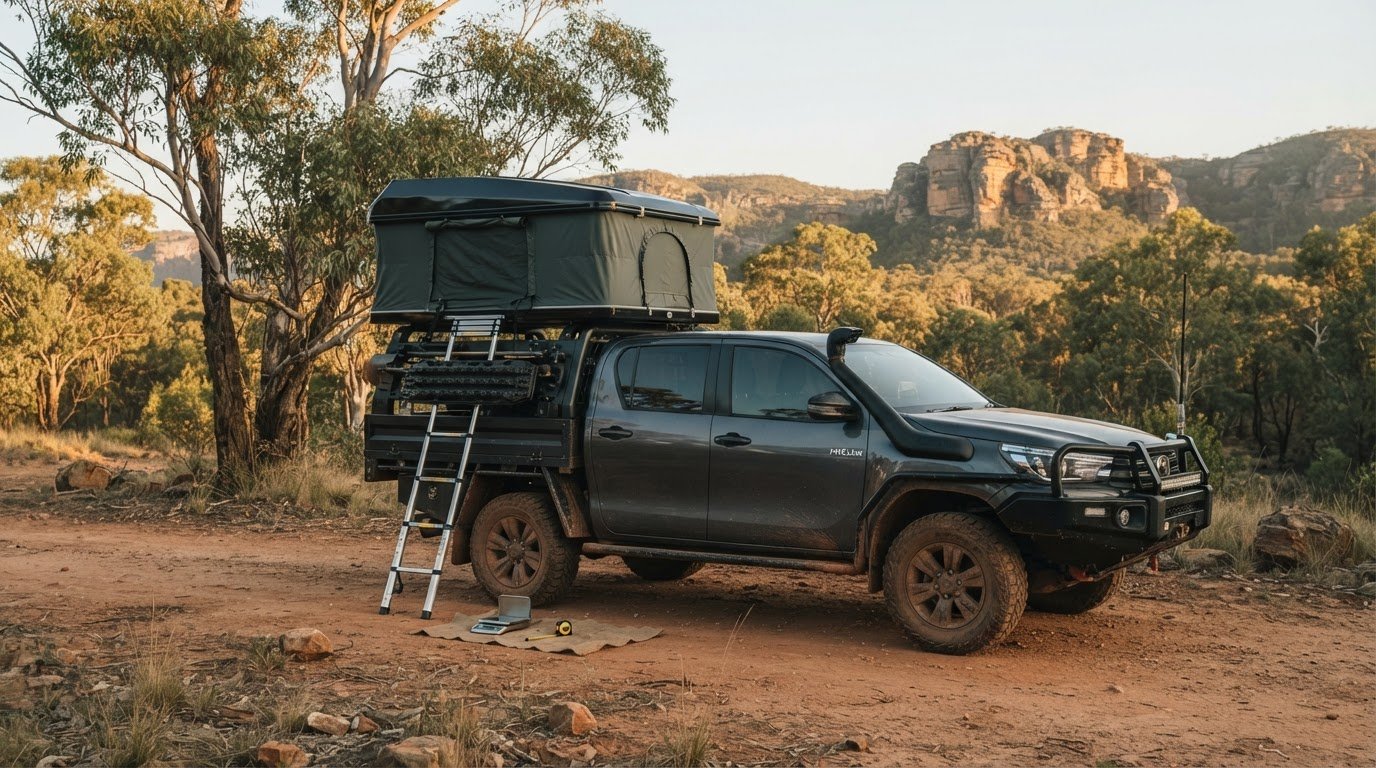
Your gear needs to match the ground you’re standing on. Sand-based coastal sites require dropped tyre pressures and recovery boards, while alpine shale tracks in the high country demand heavy-duty suspension and robust tyres. We’ve seen a significant shift toward hybrid camper and roof top tents friendly zones in 2026. These areas are specifically designed to keep your rig level without impacting the fragile topsoil. If you’re heading to exposed beach sites, a reliable 4wd awning is essential to combat the intense NSW sun. By matching your setup to the specific park conditions, you ensure both your comfort and the park’s longevity.
Iconic Coastal Escapes: Best Beachfront National Park Camping
We’ve combed the coastline to find the best national parks for camping in nsw, and the results are spectacular. Pebbly Beach in Murramarang NP is a rite of passage for any Australian adventurer. Waking up to resident kangaroos on the sand is an experience that stays with you forever. Keep in mind that Pebbly Beach has specific vehicle length restrictions, so check your rig’s dimensions before booking. For those who prefer a 4WD-centric basecamp, Diamond Head in Crowdy Bay NP offers expansive sites and direct access to some of the state’s most pristine tracks.
If you want to escape the crowds, look toward The Basin in Ku-ring-gai Chase NP. It’s a unique water-access-only spot, meaning you’ll need to ferry in or arrive by boat. For the truly daring, Broughton Island in Myall Lakes NP offers a raw, remote island experience. These spots require methodical planning, but the payoff of a private sunrise is worth every ounce of preparation. You’ll find a full list of official sites for camping in NSW national parks to help narrow down your choice.
Optimising Your Setup for Salt and Sand
Coastal camping isn’t all sunsets and surf; salt and sand are the enemies of longevity. We’ve found that high-quality 4WD awnings are non-negotiable for these exposed headlands. They provide vital relief from the relentless sun and a barrier against the wind-blown salt spray. After any coastal trip, we recommend a thorough freshwater wash of all vehicle-mounted gear to prevent corrosion. To keep your sleeping quarters grit-free, use a dedicated mat before climbing into your rig. It’s a simple step that saves your zippers and fabrics from premature wear.
Rooftop Tent Strategy for Coastal Cliffs
Finding level ground is the biggest challenge for roof top tents in terraced beachfront campgrounds. Coastal cliffs often mean uneven terrain. We suggest carrying a set of heavy-duty levelling blocks to ensure a comfortable night’s sleep. Wind-loading is another critical factor on the NSW North Coast. Position your vehicle so the narrowest profile faces the prevailing wind to minimize buffeting. For those frequent beach-hopping trips, prioritize quick-set-up gear that lets you pack down and move to the next swell in minutes. Check out our latest rooftop tent recommendations to see which models handle coastal winds the best.
The High Country and Beyond: Rugged Inland Camping
While the coast is iconic, the true heart of NSW adventure lies within the Great Dividing Range. We’ve found that some of the best national parks for camping in nsw are tucked away in the high country, where the air is thinner and the silence is deeper. Blue Waterholes in Kosciuszko NP is a standout, offering high-altitude camping beside striking limestone gorges. However, take note of the 2026 vehicle restrictions for this site; height and length limits are strictly enforced to protect the narrow access tracks. If your rig is oversized, you’ll need to look at alternative sites nearby.
Our community often heads further north to Dunns Swamp (Ganguddy) in Wollemi NP. This site provides a stark contrast to the alpine peaks with its ancient pagoda rock formations and serene flat-water paddling. For those chasing deep wilderness and absolute isolation, Green Gully in Oxley Wild Rivers NP offers a raw experience that truly tests your self-reliance. If you want a 360-degree perspective of the outback from the top of an extinct volcano, Mount Kaputar NP is a must-visit destination that rewards the daring traveler.
Alpine Camping and Temperature Regulation
Camping at altitude demands a different level of preparation. We’ve seen many Adventurerz caught off guard by the extreme temperature swings in the Snowy Mountains, where sub-zero nights are common even in shoulder seasons. Insulation is vital when using roof top tents; without a thermal liner, you’ll lose significant heat through the floor and canvas. Managing condensation is equally important in these sub-zero environments. Always crack a window to maintain airflow, even if it feels counterintuitive. We recommend 4-season rated sleeping gear as your primary defense against the alpine chill. Don’t risk a restless night when a methodical gear choice can keep you warm.
4WD Access and Remote Track Safety
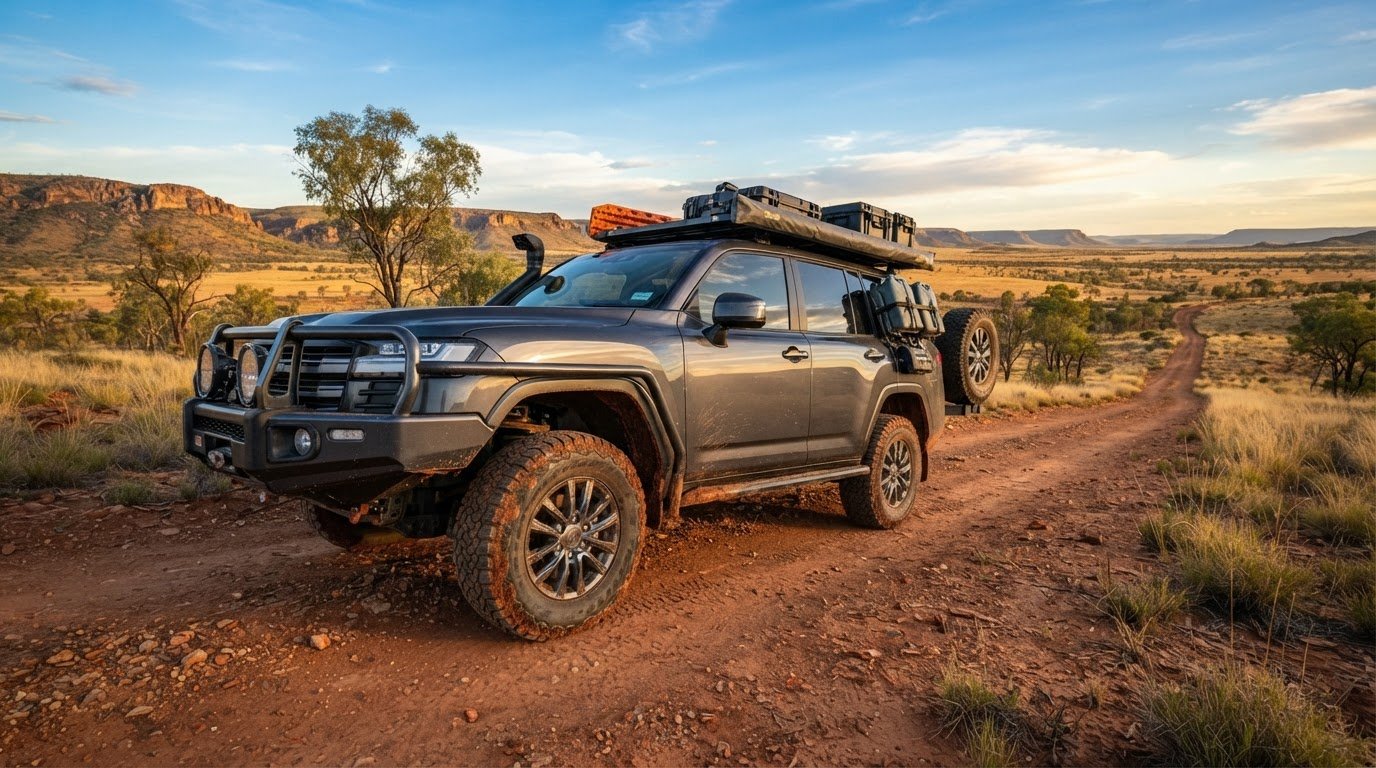
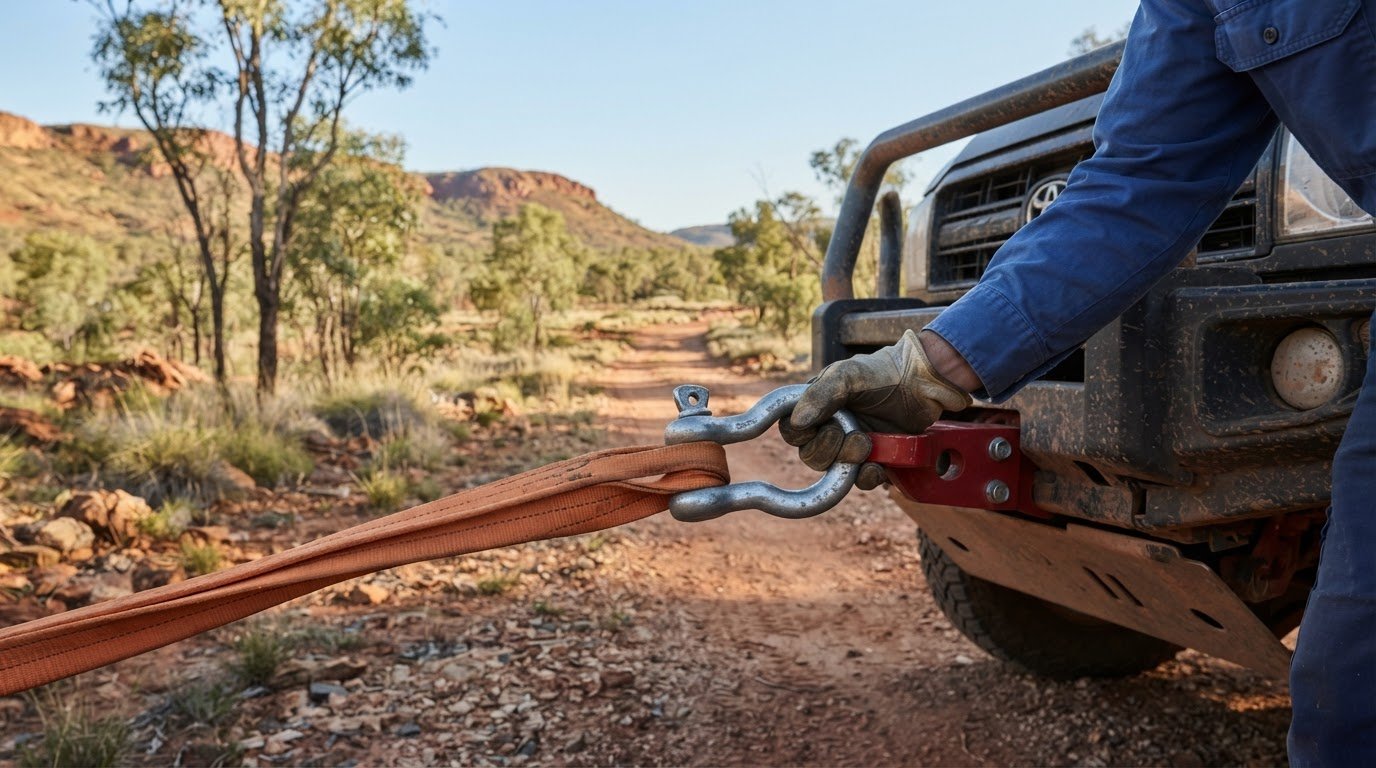
Reaching the most isolated sites in the Great Dividing Range often requires high-clearance 4WD vehicles. Many campgrounds in Wollemi and Oxley Wild Rivers are 4WD-only, meaning you’ll need to be proficient in river crossing protocols and track assessment. We never head inland without a full recovery kit, including rated shackles, snatch straps, and traction boards. Safety is our priority. If you’re heading to isolated Wollemi sites, always check the latest NPWS track closures, as heavy rain can turn these mountain passes into impassable mud in hours. It’s about being hardy and daring while remaining methodical in your safety protocols. This ensures we protect both our vehicles and the fragile environments we love to explore.
Essential Gear and Planning for NSW Adventures
Preparing for the best national parks for camping in nsw isn’t just about throwing gear in the back and hoping for the best. It’s a methodical process. We rely on a modular packing list that adapts to our state’s wild temperature swings. Before any trip, our community follows a strict pre-trip vehicle inspection. We check fluid levels, tyre pressures, and the structural integrity of our rack systems. We also inspect all mounting points for our 4wd awnings to ensure they’ll withstand coastal gusts. Self-reliance is our mantra.
Power management is a critical pillar of remote travel. For multi-day stays in unpowered national park sites, we recommend a dual-battery system with a DCDC charger to top up while driving. Solar is your best friend once you’ve set up camp, especially in the exposed outback parks where the sun is relentless. We use MPPT controllers to squeeze every watt out of our panels. Water is equally vital. We carry at least 20 litres of potable water per person for remote trips and always include a high-quality purification system for emergency refills from creek sources.
Selecting the Right Shelter for the Terrain
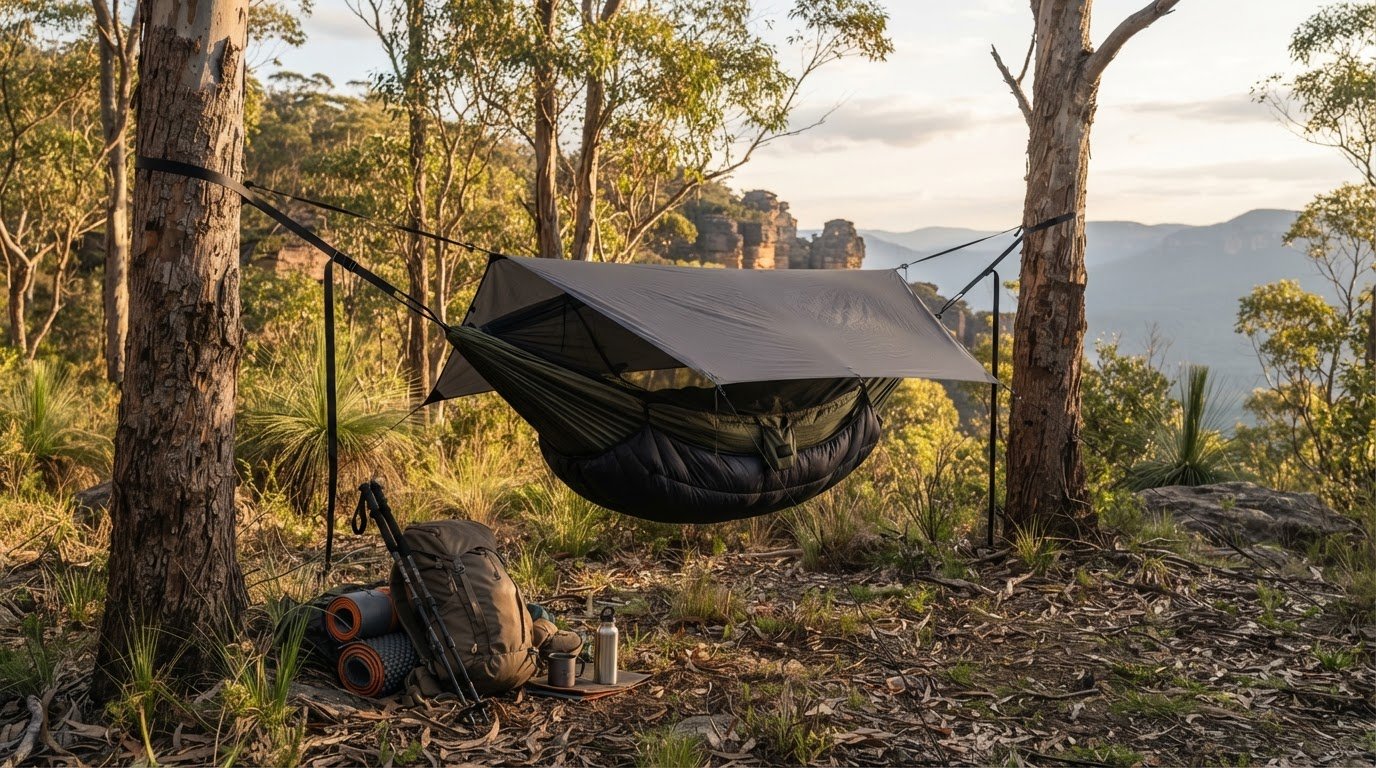
Choosing between ground tents and roof top tents often comes down to the specific park terrain. NSW national parks offer everything from sandy coastal dunes to rocky alpine ridges. We’ve found that RRTs are the superior choice for staying off the damp ground in rainforests and avoiding the salt-spray grit of the coast. To perfectly align your gear with the facilities available at your destination, we suggest using our travel planner. It helps you decide whether you need a heavy-duty awning for summer shade on the South Coast or a thermal tent liner for a winter escape in the Snowies.
Communication and Emergency Prep
Reception is non-existent in deep NSW gorges like those in Oxley Wild Rivers. We don’t settle for “hoping” our phones work. We carry satellite communicators for two-way messaging or a PLB for absolute emergencies. Always download offline NPWS maps before you leave the last town. Your first aid kit should be tailored for the Australian bush, including snake bite bandages and antiseptic for tropical scratches. Being prepared means you can focus on the thrill of exploration rather than the fear of the unknown. Check out our latest rooftop tent recommendations to find your perfect 2026 setup.
Responsible Exploration: The Future of NSW Camping
Accessing the best national parks for camping in nsw is a privilege that comes with a heavy dose of responsibility. As we move through 2026, the “Leave No Trace” philosophy has evolved from a suggestion into a survival requirement for our wild places. We’ve seen record visitor numbers lately, and our collective impact is visible. Protecting these ecosystems starts with a methodical approach to waste. If you’re heading to remote sites without facilities, a portable chemical toilet is now considered essential gear. It’s not just about comfort; it’s about preventing the degradation of fragile topsoil and waterways. We follow a strict “Carry In, Carry Out” policy, ensuring every piece of rubbish leaves with us.
Fire safety is another non-negotiable pillar of our community’s ethics. We always check the RFS website for “Total Fire Ban” days before striking a match. In many NSW parks, seasonal bans are strictly enforced to prevent catastrophic bushfires. We carry gas cookers as a reliable, low-impact alternative. This ensures we can still enjoy a hot meal without risking the landscape. Beyond safety, we show deep respect for the Indigenous cultural heritage embedded in these lands. We stay on marked tracks and never disturb rock art or significant sites. We are guests on this country. Our behavior must reflect that gratitude and awareness at every turn.
Sustainable Gear Choices
Our commitment to the environment extends to the equipment we choose to recommend. We prioritize durability over disposability every time. Investing in high-quality roof top tents or robust 4wd awnings is an environmental win because it keeps broken gear out of landfills. In the camp kitchen, we’ve swapped single-use plastics for stainless steel and silicone alternatives. When cleaning up, we only use biodegradable, phosphate-free products. These small choices prevent harmful chemicals from leaching into the pristine NSW waterways we love to explore. It’s about being a hardy traveler who leaves a light footprint.
Contributing to the Adventurerz Community
The future of responsible camping relies on shared knowledge and collective effort. We encourage every member of our community to document their 2026 trip reports. Did you find a site that was perfectly level for a rooftop tent? Was a specific track washed out after recent rain? Sharing these details helps fellow campers prepare methodically and stay safe. By documenting site conditions and park updates, we build a reliable resource for everyone. We want to hear about your daring escapes and your methodical preparations. Join our community today to access more expert reviews and contribute to the collective wisdom of Australian exploration.
Gear Up for Your Next NSW Expedition
We’ve mapped the rugged terrain from the salt-sprayed headlands of the North Coast to the limestone gorges of the Snowy Mountains. You now have the blueprint to navigate the 2026 NPWS fee structure and the technical knowledge to prep your rig for any environment. Whether you’re leveling your rooftop tent on a coastal cliff or managing sub-zero condensation in the high country, your preparation is the key to a successful escape. It’s about being hardy enough to reach the remote spots and methodical enough to stay there safely.
Finding the best national parks for camping in nsw is just the beginning of the journey. True adventure lies in the details of your setup and your commitment to protecting these wild places for the next generation of explorers. We’re here to ensure you have the most durable and effective gear for the tracks ahead. Join the Adventurerz community for the latest gear reviews and trip inspiration to find detailed reviews of the best 4WD awnings for Australian conditions and expert guides to the top rooftop tents for remote travel. The bush is calling; let’s get out there and explore responsibly!
Frequently Asked Questions
Do I need a 4WD to camp in most NSW national parks?
No, many popular campgrounds are accessible by 2WD. However, the most remote and rewarding sites often require a high-clearance 4WD. For example, some sites in Oxley Wild Rivers or Wollemi are strictly off-limits to soft-roaders. Always check the NPWS site for specific track conditions. We recommend a 4WD for flexibility; it allows us to reach secluded spots where caravans and 2WDs simply can’t go.
Are dogs allowed in NSW national park campgrounds?
No, domestic pets are strictly prohibited in NSW national parks. This rule protects our native wildlife and keeps the park ecosystem balanced. Bringing a dog can result in significant fines. If you’re traveling with a pet, you’ll need to look at state forests or private caravan parks instead. We respect these boundaries to ensure our presence doesn’t disrupt the resident animals we come to see.
How far in advance should I book a campsite in NSW for 2026?
You should book at least six months in advance for peak periods like Christmas or Easter. The 2026 digital booking system is competitive, especially for the best national parks for camping in nsw along the coast. For off-peak trips, a few weeks is usually enough. Remember that popular spots now use a ballot system for high-demand dates. We always plan our major expeditions early to avoid missing out. This same proactive approach is essential for any major holiday; for instance, those planning a trip to Florida can use KGS Tickets to secure discounted access to major attractions well in advance.
Free camping is available at Tier 1 sites, which are basic clearings without facilities. These spots don’t require a booking and operate on a first-come, first-served basis. While they lack toilets or water, they offer the ultimate off-grid experience for self-reliant Adventurerz. You can find these gems in remote areas of the outback or deep within the Great Dividing Range. Always ensure you’re fully equipped to manage your own waste.
Can I use a generator in NSW national parks?
Generator use is permitted in some campgrounds but restricted to specific hours; usually between 9 am and 5 pm. However, many remote or environmentally sensitive sites ban them entirely to preserve the natural peace. We prefer silent power solutions like solar panels and DCDC charging. If you must use one, check the specific park regulations first. We always prioritize the quiet enjoyment of the bush for ourselves and our neighbors.
Are fires allowed in NSW national park campgrounds?
Fires are only permitted in designated fire rings and are subject to seasonal bans. You must bring your own firewood; collecting wood within the park is illegal and damages the habitat. During a Total Fire Ban, all solid fuel fires are prohibited, including charcoal. We always carry a gas stove for these occasions. It’s a methodical way to ensure we can cook without risking a bushfire in our favorite parks.
What is the best time of year to go camping in NSW?
Spring and autumn offer the most stable weather across the state. These shoulder seasons provide mild temperatures; making them ideal for exploring the best national parks for camping in nsw without the summer heat or winter frost. Coastal parks are vibrant in spring, while the inland ranges offer stunning clear skies in autumn. We find these months provide the perfect balance for long-range travel and comfortable nights in a rooftop tent.
How do I check for park closures or bushfire alerts?
You must check the official NPWS Alerts page and the RFS Fires Near Me app before departing. Conditions can change rapidly due to weather events or planned hazard reduction burns. We make this check a mandatory part of our pre-trip protocol. Staying informed ensures we aren’t driving into dangerous territory or arriving at a closed gate. It’s a simple, methodical step that keeps our community safe on the road.