A high wattage rating means nothing if your gear shatters on the first corrugated track or wilts under a 40-degree sun. We’ve all been there, watching our battery levels dip while the midday heat kills our panel efficiency. Finding the best portable solar panels for camping australia isn’t just about picking the biggest number; it’s about choosing equipment that respects the harshness of our environment. We understand the frustration of fragile hinges and the confusion between MPPT and PWM controllers. Our community prioritises gear that balances weight with rugged durability.
This guide promises to help you master the art of off-grid power by selecting panels that survive the remote corners of the country and keep your batteries charged reliably. We’ll explore the latest in shingled monocrystalline cells, compare lightweight blankets to folding kits, and ensure your setup doesn’t blow your GVM. It’s time to power your journey sustainably and with total confidence as we look at the top-performing gear for 2026.
Key Takeaways
- Discover why shingled cell technology is the 2026 game-changer for maintaining power in partial shade and punishing high-heat environments.
- Learn how to calculate your real-world “Solar Harvest” to ensure your setup keeps your fridge running despite the Australian thermal coefficient.
- We compare the best portable solar panels for camping australia to help you choose between UV-resistant ETFE coatings and lightweight PET laminates.
- Understand the trade-offs between folding blankets and rigid aluminium suitcases to protect your GVM while ensuring corrugation-proof reliability.
- Master the transition to silent, sustainable power with specialised advice for both weekend escapes and long-term remote touring.
Table of Contents
- Why Portable Solar Panels are Essential for the Modern Australian Camper
- Monocrystalline, Shingled, or Flexible? Decoding 2026 Solar Tech
- Sizing Your Setup: Calculating Watts and Amp-Hours for Remote Stays
- Built for the Bush: Assessing Durability and Construction
- The Adventurerz Selection Guide: Finding Your Perfect Match
Why Portable Solar Panels are Essential for the Modern Australian Camper
We’ve seen a massive shift in how our community powers their rigs over the last few years. In 2026, the intrusive roar of a petrol generator is quickly becoming a relic of the past. It’s disruptive to the peace of the bush and the wildlife we’re here to observe. Modern Solar panel technology has reached a point where silent, sustainable energy is more than just a preference; it’s the standard for responsible exploration. By transitioning to solar, we embrace a cleaner way to travel that respects the environments we love to visit.
Energy independence is the ultimate goal for any remote tourer. Having the ability to harvest power from the sun means we can stay in those pristine, unpowered sites for weeks rather than days. We generally classify the best portable solar panels for camping australia into three main categories: folding blankets, rigid suitcases, and flexible mats. Blankets are the lightweight darlings of the touring world, while suitcases offer rugged protection for the roughest tracks. Flexible mats provide a versatile middle ground for those who need to drape power over a bonnet or a windscreen to catch the last rays of the day.
Portable vs. Fixed Solar: Which Suits Your Setup?
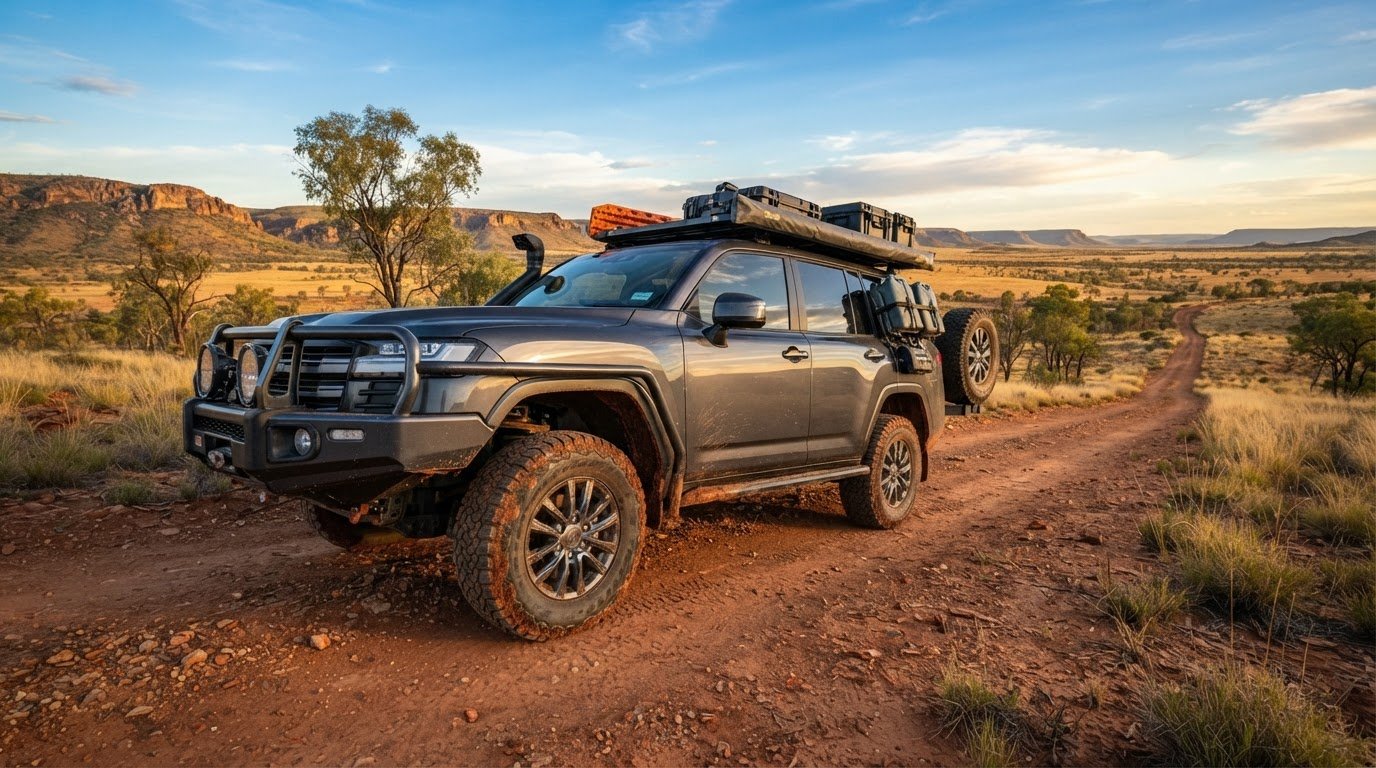
Chasing the sun is the biggest advantage of a mobile setup. While fixed panels on a roof are convenient, they force you to park your vehicle in the scorching heat to get a decent charge. With a portable kit, we park the rig under the shade of a gum tree and move the panels into the direct light. This keeps the cabin cool and ensures the fridge doesn’t have to work overtime. Weight is another critical factor for our builds. As we all push the limits of our GVM, choosing the best portable solar panels for camping australia allows us to distribute weight more effectively than heavy, permanently mounted glass panels. A portable solar kit serves as the primary charging solution for remote Australian camping.
The Role of Solar in Your 4WD Ecosystem
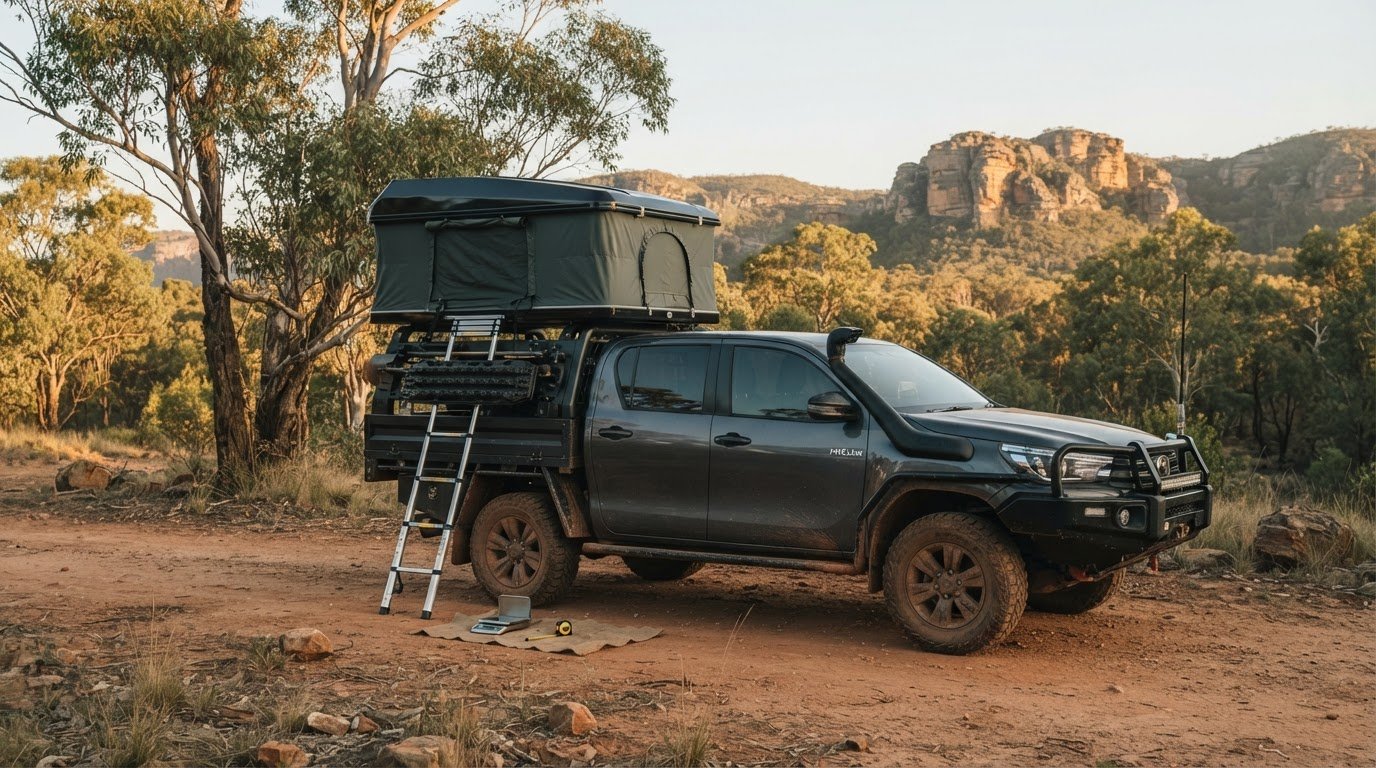
Our power needs have grown significantly. We aren’t just charging a single phone; we’re running 12V fridge/freezers, extensive camp lighting, and critical satellite communication systems. Integrating your solar harvest with your roof top tents setup creates a seamless, efficient basecamp. While you’re resting up high, your panels are down on the ground, soaking up every bit of energy to keep your auxiliary batteries healthy. In isolated areas, this isn’t just about keeping the drinks cold. It’s a safety component. If your starter battery fails or your communications equipment dies, having a standalone way to harvest energy can be the difference between a minor delay and a serious emergency.
Monocrystalline, Shingled, or Flexible? Decoding 2026 Solar Tech
Monocrystalline panels are the reliable backbone of our remote power setups. In 2026, we’re seeing these high-grade cells hit 20-23% efficiency, providing a consistent charge even in varied conditions. But we don’t just look at peak output. We need to consider how these panels handle the reality of the bush. Bypass diodes are critical here. They allow current to flow around shaded or dirty cells, preventing a single gum leaf from killing your entire energy harvest. When we search for the best portable solar panels for camping australia, we’re looking for gear that doesn’t just work on paper but survives the vibration of our most remote unsealed tracks.
The Rise of Shingled Solar Cells
Shingled technology is the standout trend for 2026. By overlapping cell strips like shingles on a roof, manufacturers remove the silver busbars that usually sit on top of the cells. This increases the sunlight-collecting surface area and makes the panels more resilient. Standard cells are prone to micro-cracks from the constant vibration of corrugated inland routes, but the shingled design is naturally more flexible and durable. When we’re camping under trees, these panels excel because their cell layout handles partial shade far better than traditional designs. High-end TOPCon shingled cells are now reaching efficiencies of up to 25.3%, making them a top choice for the best portable solar panels for camping australia.
Flexible Panels for Custom Mounting
Weight is always a concern for our community. Flexible ETFE panels offer massive weight savings over traditional glass suitcases. We often mount these directly to canopy roofs or integrate them with our best 4wd awnings. Their low profile improves aerodynamics, which helps keep fuel consumption down during those long transit stages. ETFE is the material to look for; it’s far more UV-resistant and scratch-proof than cheaper PET alternatives. For a deeper look at specific models, CNET’s 2026 portable solar panel tests provide excellent data on real-world durability.
When mounting flexible panels, we recommend using high-quality industrial adhesive or specialised heavy-duty magnets for temporary setups. Permanent mounting often requires a small air gap to prevent heat buildup, which can reduce cell efficiency over time. This attention to detail ensures your gear lasts for years of rugged travel. We suggest checking our community gear guides before making your final decision to ensure your mounting plan is secure and efficient.
Sizing Your Setup: Calculating Watts and Amp-Hours for Remote Stays
We’ve all seen the marketing: a sleek 200W panel promising endless energy. But the reality of the “Solar Harvest” in the Australian bush is quite different. In real-world conditions, a high-quality 100W panel typically delivers around 45-55W of actual power. This discrepancy happens because laboratory tests don’t account for dust, atmospheric haze, or the specific angle of the sun in our remote corners. When you’re searching for the best portable solar panels for camping australia, you must account for these losses to avoid a flat battery by day three.
The thermal coefficient is our biggest enemy in the desert. Most panels are rated at 25 degrees Celsius, but our tracks often see 40 degrees or more. As the cells heat up, their ability to generate voltage drops significantly. To run a standard 12V fridge and basic lighting, we generally recommend a minimum of 160W to 200W of solar paired with a 100Ah LiFePO4 battery. Lithium batteries are superior here; they charge faster and allow for a deeper discharge than old-school AGM blocks, making them the perfect partner for a high-efficiency solar kit.
The Math of Off-Grid Power
Calculating your needs starts with understanding effective sun hours. In winter, you might only get 4 solid hours of harvesting time, whereas summer can offer 6 or 7. We always apply the 20% rule: calculate your total daily draw in amp-hours and then over-spec your solar capacity by at least 20% to cover cloudy days and thermal losses. Solar cell efficiency decreases as the ambient temperature rises above the standard testing condition of 25 degrees Celsius. This buffer ensures your roof top tents lighting and fridge stay powered even when conditions aren’t perfect.
MPPT vs. PWM: Choosing the Right Regulator
For 2026 remote touring, an MPPT (Maximum Power Point Tracking) regulator is non-negotiable. While cheaper PWM controllers simply clip excess voltage, MPPT units transform it into usable current. This can boost your charging efficiency by up to 30% in overcast or changing light conditions. Most modern 4WD setups now integrate these regulators directly into DCDC charging systems. This creates a unified ecosystem that manages power from both your alternator and your solar panels, prioritising the most efficient source to keep your battery bank topped up without intervention.
Built for the Bush: Assessing Durability and Construction
Harsh outback routes don’t care about your panel’s efficiency if the hinges snap on day two. We’ve seen plenty of gear fail because it was designed for a manicured campsite rather than the relentless vibrations of a corrugated Australian track. When we hunt for the best portable solar panels for camping australia, we prioritise structural integrity alongside power output. Fine red dust and extreme UV exposure are the primary gear killers in our backyard. Your kit needs to be sealed against the elements and built to withstand the physical toll of long-distance 4WD touring.
Serviceability is a factor many campers overlook until they’re stuck in a remote camp with a broken lead. We always look for panels with replaceable Anderson plug cables and accessible regulators. If a cable gets snagged on a branch or a regulator fails, you shouldn’t have to bin the entire unit. High-quality kits allow you to swap out components in the field, which is a core tenet of self-reliance. This ensures your power supply remains consistent even when the track gets tough and help is far away.
Construction Materials for Rugged Travel
The material showdown usually comes down to ETFE (Ethylene Tetrafluoroethylene) versus PET laminates. For long-term Australian travel, ETFE is the only choice. It’s a high-strength polymer that doesn’t yellow or peel under our intense sun. PET panels might be cheaper, but they often delaminate after a single season of heavy use. We also recommend performing a “Wobble Test” on any folding suitcase before you commit. Check the legs and hinges for play. If they feel flimsy in the showroom, they’ll likely fail when a gust of wind catches them in the scrub. Impact resistance is another concern; a quality ETFE coating provides a textured surface that shrugs off small stones far better than smooth plastic alternatives.
The Hardware: Plugs, Leads, and Bags
Your connections are just as vital as the cells themselves. Heavy-duty Anderson plugs are the gold standard for our community because they provide a secure, vibration-proof connection that won’t vibrate loose on the move. We also pay close attention to cable gauge. Using thin, underspecified leads causes a significant voltage drop, meaning the power your panel harvests never actually reaches your battery. A padded storage bag is the final piece of the puzzle. It protects the cells from being scratched by other gear in your canopy or roof top tents setup. Without a decent bag, even the best portable solar panels for camping australia will eventually suffer from surface damage that reduces their lifespan.
If you’re looking to build a truly resilient off-grid setup, we suggest checking out our latest detailed gear reviews and recommendations to see which brands are currently surviving our field tests.
The Adventurerz Selection Guide: Finding Your Perfect Match
Choosing the right kit depends entirely on how you travel and what gear you’re running. We know that a setup for a solo weekend dash looks very different from a family rig prepared for a three-month trek. In 2026, the best portable solar panels for camping australia offer more than just raw power; they provide smart features like Bluetooth monitoring and high-speed USB-C PD ports. These additions allow us to check our harvest levels from a smartphone and charge laptops directly without firing up a power-hungry inverter. It’s about finding that sweet spot between portability and performance.
For those of us heading out for a quick Saturday-to-Sunday escape, a 120W to 160W kit is usually plenty. These smaller units are easy to store and perfect for keeping a 40L fridge and some basic lighting running. If you’re planning an extended stint in the scrub, we recommend a 200W to 300W shingled blanket. The increased efficiency of shingled cells ensures you’re still pulling decent numbers even when the sun isn’t at its peak. Larger groups or those with heavy power demands should consider high-output folding suitcases. While heavier, their rigid frames allow for integrated stands that help you track the sun perfectly throughout the day.
Capacity Recommendations by Camping Style
Solo adventurers often prioritise weight and rapid deployment. A lightweight 120W flexible mat or blanket fits into tight spaces and can be set up in seconds. For extended remote stays, we focus on maximising our footprint. A 300W setup provides the buffer needed for those inevitable overcast days. When managing multi-battery setups or modern LiFePO4 (Lithium) systems, solar becomes even more effective. Lithium batteries have a much higher charge acceptance rate than AGM, meaning they can soak up every bit of current your panels produce during those peak sun hours. This synergy allows you to recharge your entire bank much faster, giving you more freedom to move.
Final Checklist Before You Head Off-Grid
Before you commit to a purchase, measure your available storage space. It’s easy to get excited about a massive 300W suitcase, only to realise it won’t fit in your canopy or alongside your roof top tents ladder. We also suggest checking for Australia-wide warranty support. If you’re thousands of kilometres from home and a regulator fails, you want a brand that can help you regardless of your location. Ensuring you have the best portable solar panels for camping australia means buying into a support network, not just a piece of glass. Ready to map your route? Explore our The Ultimate Adventure Travel Planner to find your next remote escape.
Ready to Power Your Next Remote Escape?
Mastering off-grid energy is about more than just buying a panel; it’s about choosing gear that survives the heat and vibration of our rugged environment. We’ve explored how shingled cell technology and proper thermal management are the new benchmarks for 2026. By prioritising durability and matching your harvest to your battery capacity, you ensure that your fridge stays cold and your comms stay active in the most isolated corners. Finding the best portable solar panels for camping australia gives you the freedom to stay longer and explore deeper without the noise of a generator.
Our community values self-reliance and sustainable travel. We’ve built a network of 10,000+ enthusiasts who share community-tested recommendations to help you navigate these choices. If you want expertly vetted gear reviews for rugged Australian conditions, Join the Adventurerz Community for More Expert Gear Reviews. We’re here to guide you on your path toward responsible and prepared exploration. Pack your gear, check your leads, and we’ll see you out on the tracks!
Frequently Asked Questions
Do I need a regulator for my portable solar panel?
Yes, you absolutely need a regulator to prevent overcharging and damaging your batteries. Most modern kits include a built-in MPPT controller, but if yours doesn’t, you must install one between the panel and the battery. Regulators manage the voltage flow, ensuring it stays at a safe level for your specific battery type. Without this protection, the unregulated voltage from the sun could significantly shorten your battery’s lifespan or cause a fire.
Can I use a portable solar panel in the rain?
You can generally use most high-quality portable panels in light rain, but they aren’t designed for submersion or torrential downpours. ETFE-coated panels are water-resistant, but the electronic components like regulators and Anderson plugs are often the weak points. We recommend checking the IP rating of your specific gear. If a storm rolls in, it’s safer to pack your kit away to prevent moisture from corroding the internal wiring and connections over time.
How long does it take to charge a 100Ah lithium battery with solar?
Charging time depends on your panel’s wattage and the available sun hours. If you’re using a 200W panel, which is often considered among the best portable solar panels for camping australia, you’ll likely harvest about 10 to 12 amps per hour in peak sun. Charging a 100Ah LiFePO4 battery from 20% to 100% would take roughly 7 to 8 hours of solid sunlight. Remember that cloud cover and heat will extend this duration significantly.
What is the difference between a solar blanket and a solar suitcase?
The primary difference lies in construction and weight. Solar blankets are made from flexible materials that fold like a heavy-duty fabric, making them incredibly compact for storage in tight spaces. Solar suitcases use rigid aluminium frames and glass, offering superior durability against physical impacts and integrated legs for easy sun tracking. While blankets are lighter, suitcases are often more resilient on corrugated tracks where vibration can damage the cells in flexible mats.
Why is my solar panel not producing its rated wattage?
Panels are rated under Standard Test Conditions in a lab, which rarely reflects the Australian bush. Factors such as the sun’s angle, atmospheric dust, and the thermal coefficient all reduce output. As we mentioned earlier, a 100W panel often delivers closer to 50W in real-world conditions. Keeping your panels cool and angled directly at the sun is the best way to maximise your harvest and keep your auxiliary systems running throughout your stay.
Can I connect two different portable solar panels together?
You can connect different panels, but it’s not ideal for efficiency. If you connect them in parallel, they must have the same voltage. If you connect them in series, they should have the same current rating. Mixing different brands or technologies often results in the system performing at the level of the weakest panel. For the best portable solar panels for camping australia setup, we suggest using identical panels to ensure your regulator works effectively.
How do I clean my portable solar panels for maximum efficiency?
Use fresh water and a soft microfibre cloth to gently wipe away red dust, salt spray, or bird droppings. Avoid using abrasive chemicals or hard brushes that can scratch the ETFE or glass surface. Even a thin layer of dust can drop your efficiency by 10% or more. We recommend cleaning your panels every few days when touring in dusty environments to ensure you’re getting the maximum possible charge from every sun hour.
Is it better to mount solar panels on the roof or use a portable kit?
It depends on your camping style. Roof-mounted panels offer set and forget convenience, but they require you to park your vehicle in the sun. Portable kits allow you to park in the shade while placing your panels in the direct light. Many in our community use a hybrid approach: a small fixed panel to keep the fridge topped up while driving and a larger portable kit for extended stays at unpowered remote campsites.