The best time of year to do the Cape York track is generally May to September, with conditions often at their best from June through September. May can bring quieter tracks and strong-flowing waterfalls, but early in the month, mud and high river levels may still affect the journey. The calendar matters, as does the kind of trip you want.
It makes sense to aim for the dry season: wet-season rain can leave roads muddy or impassable, while water crossings and track conditions change as the months pass. If you’re planning a 4WD adventure, timing can influence not only how challenging the drive feels, but also where you can camp and how much company you’ll share the track with.
This guide explains how each part of the season affects weather, coastal camping, creek crossings, track difficulty and school-holiday crowds. Compare the trade-offs of travelling early, aiming for the peak months or heading north later in the dry season to plan a Cape York trip that suits your group and appetite for adventure.
Key Takeaways
- Choose your travel window around the balance you want between track conditions, flowing waterfalls and visitor numbers.
- Factor in strong coastal winds when planning beach camping, and consider how exposed sites may affect your setup.
- Expect late-season travel to bring more dust, hotter conditions and softer sand, even as some crossings become shallower.
- School holiday periods can mean busier roads, so build flexibility into your itinerary and camping plans.
- Road access changes as the dry season progresses; check current conditions and closures before setting out.
Table of Contents
When is the best time to visit Cape York?
Cape York’s dry season usually runs from May to October, with conditions often at their best from June through September. Wet-season rain generally falls from November to April, when flooding and mud can make travel challenging.
Shoulder-Season Travel
April and November are shoulder-season months between Cape York’s wet and dry seasons. They may suit travellers looking for a different kind of adventure, but conditions can be less predictable than during the dry-season peak. In April, soft terrain and high river crossings can complicate a northbound journey. In November, returning wet-season rain can affect unsealed roads and access.
Dry-Season 4WD Exploration
Dry-season 4WD exploration takes place as rain eases and roads and tracks begin reopening across North Queensland. From May to October, daytime temperatures generally range from 25°C to 30°C. For many travellers, May to September is the best time of year to do the Cape York track, though conditions keep changing through the season.
How long does the drive take? There’s no fixed duration: the route, track conditions, stops and time spent at crossings all affect the journey. A trip focused on the main drive will take a different shape from one with extra destinations and time to explore.
Pre-Peak Tourist Crowds
May often brings fewer visitors than the peak winter months, making it appealing for travellers hoping to avoid busier holiday periods. The trade-off is that early May can still bring muddy sections and high river levels. June through September is commonly regarded as Cape York’s peak-condition period, and more travellers are likely to be on the tracks.
May marks the transition from wet season to dry season. Conditions usually begin to improve, and the Peninsula Development Road is typically graded and improving daily by May. However, wet-season challenges can linger early in the month. River levels and muddy sections may take time to ease, so early May can feel quite different from later in the dry season.
The wet season also has its own appeal: rain brings Cape York’s rainforests to life and feeds waterfalls. Waterfalls are still flowing strongly in May, as the dry season begins. That makes May a useful middle ground for travellers who want to see the landscape carrying wet-season water while exploring as conditions improve. Season choice comes down to the experience you value most: lush scenery, quieter travel, or more settled conditions for a 4WD adventure.
When planning around the seasons, consider what each period offers. Cape York’s wet season runs from November to April, when heavy tropical rain can make travel risky. Travellers start heading north as early as late April or May, when tracks may still be wet and creek crossings high. In May, daytime temperatures are cooler, humidity is lower and skies begin to clear as the dry season starts. During the dry season, wildlife gathers around water sources, creating opportunities for wildlife spotting.
Weather and coastal camping conditions
Cape York weather changes through the season, affecting road access, coastal camping and time outdoors. The Peninsula Development Road (PDR) and Old Telegraph Track also respond differently to changing conditions.
The PDR is typically graded and improving daily by May, as roads begin reopening after wet-season rain. The Old Telegraph Track presents a more seasonal challenge: July through October is identified as a suitable window for tackling it. The best time therefore depends on your route. May can suit northbound travel on the PDR, while the Old Telegraph Track generally calls for a later dry-season visit.
Wet-season rain usually falls from November to April. Flooding and mud can make Cape York’s unsealed roads impassable, while creek levels may stay high as the wet season ends. Closures usually reflect these conditions rather than one fixed date. Before setting out, check current road-condition and park-closure notices for your route and planned destinations.
May offers a distinct mix as the northern dry season begins. Days are warm but manageable, nights are cooler, humidity drops and skies become clearer. Waterfalls still flow strongly, and birds are active. Crocodiles may be seen along riverbanks, so treat riverside stops as wildlife habitat and keep a respectful distance.
Coastal camping needs its own weather plan. Cape York generally experiences strong south-easterly trade winds of 15-30 knots between May and September. At Chilli Beach, winds of 70-80 km/h were reported during one trip, making tent setup unsuitable for those travellers. That example shows why an exposed beach campsite can feel very different from a sheltered inland stop. Consider wind direction and exposure when choosing where to pitch.
The trade winds generally give way to weaker northerlies around October. That shift can change coastal conditions, while late September and October bring hotter temperatures and more dust inland. These seasonal differences matter if your trip combines beach camping with long 4WD days. A flexible itinerary leaves room to adapt your campsite and travel plans to the conditions on the ground.
Flooding and mud are key wet-season travel risks. Later in the dry season, heat, dust and soft sand can become more prominent. Coastal wind is another factor, especially at exposed campsites. Match your route to the season, and use current access conditions to guide your final decisions about where to travel.
Water crossings and track difficulty
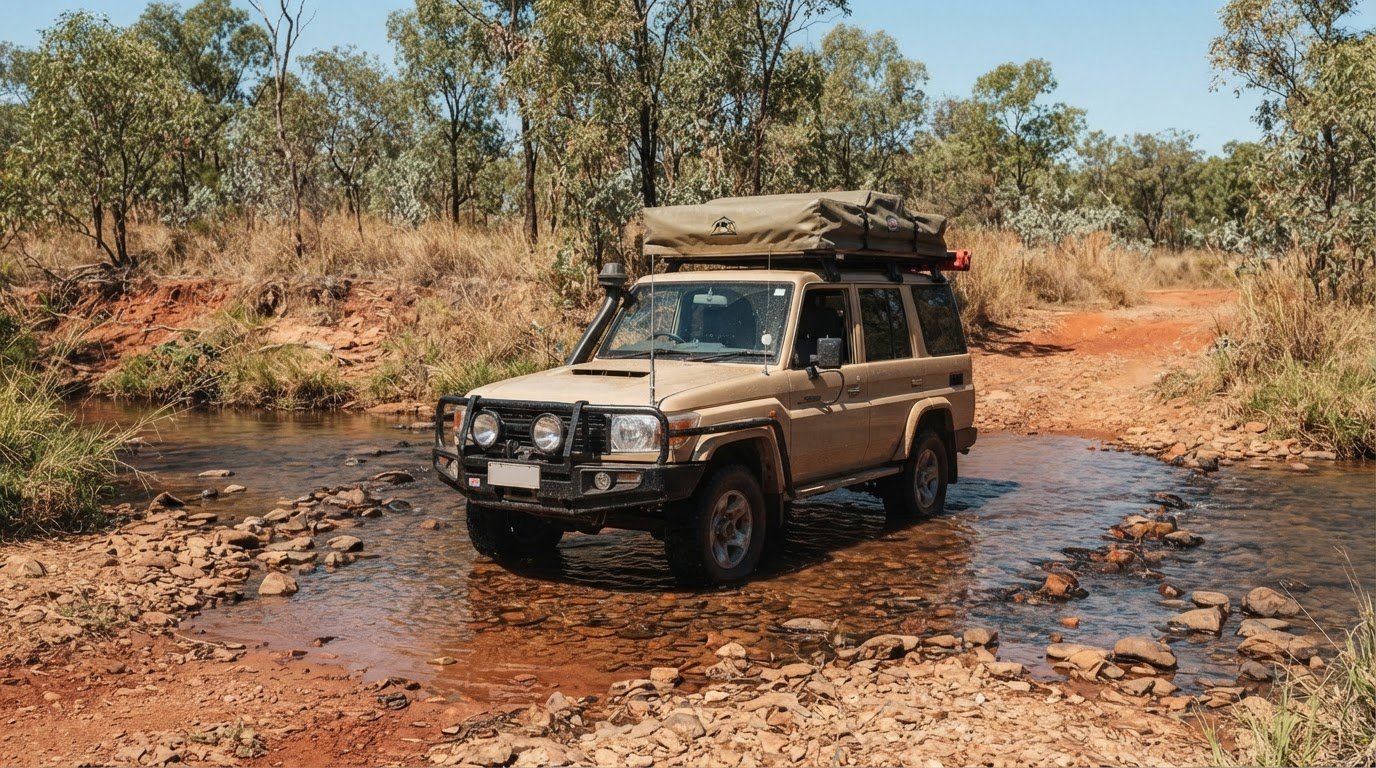
On the Old Telegraph Track, water levels and terrain can turn a 4WD journey into a demanding part of a Cape York trip. The track has about 15 creek and river crossings, and at least two can be deep enough for water to reach a vehicle’s bonnet. Conditions vary by season, so the same crossing can present a different challenge as the dry season progresses.
Crossings are generally safer by May, but “safer” doesn’t mean every crossing is suitable for every vehicle or driver. In the dry season, 5-10 vehicles may be waiting at a river crossing. Take time to observe conditions and avoid pressure to follow another vehicle through. Late September and October can bring shallow crossings alongside soft sand, hotter weather and increased dust, so reduced water depth doesn’t remove every track challenge.
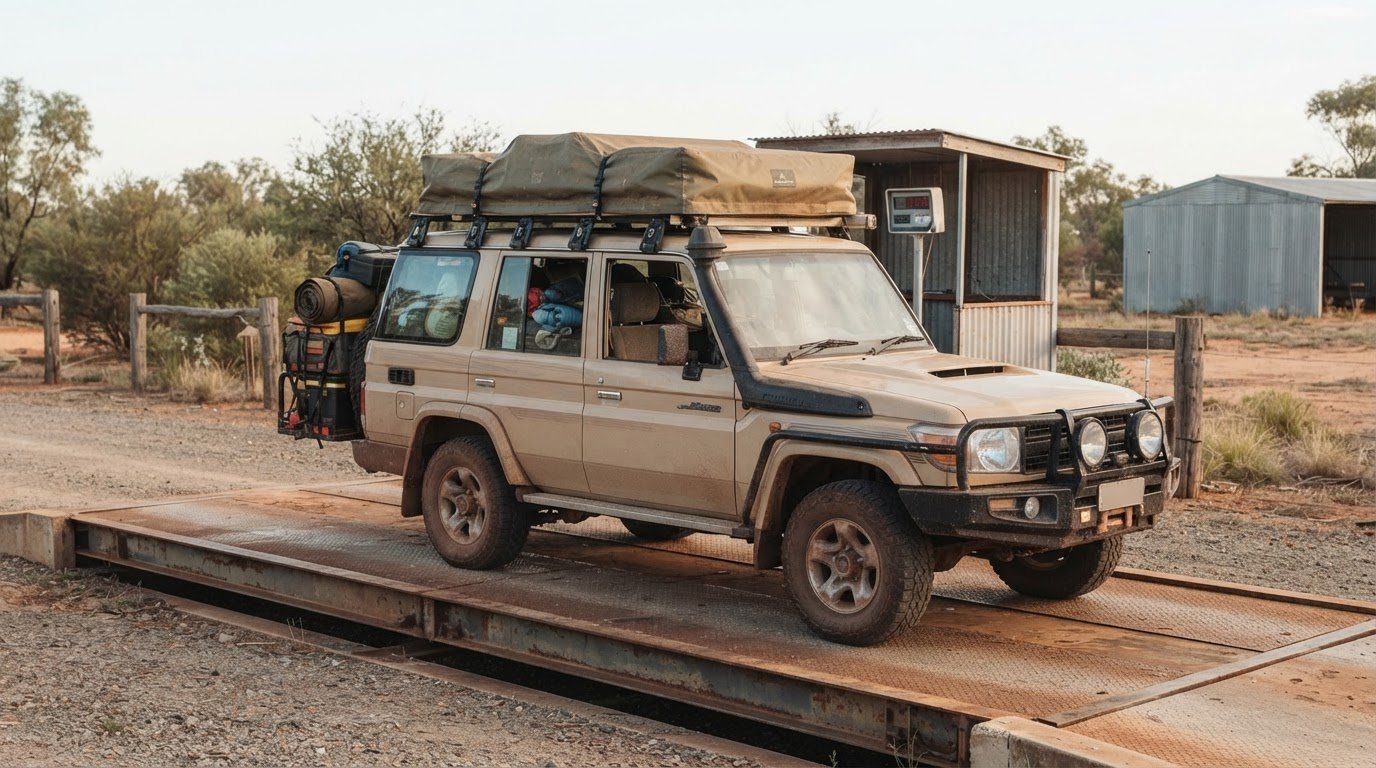
A capable, well-prepared 4WD is central to tackling Cape York’s rough tracks. Cape York guidance recommends a two-inch lift kit for vehicles travelling the region. Recovery equipment should suit the vehicle, terrain and people travelling with you; the specific setup depends on those factors. In April 2022, travellers trying to reach Pajinka were stranded north of the Archer River for days, and food had to be delivered by helicopter. That event shows how quickly a difficult crossing can affect a remote itinerary.
Fuel, food and water planning matter because distances between services can shape your route and timing. Fuel stations and campsites generally reopen and operate at full capacity between May and October, but plan around your intended stops rather than assuming every service lies close by. Cape York travel advice recommends carrying at least 3 litres of water. Keep food and water accessible if a crossing or track delay changes your day’s plan.
Waterfalls and swimming holes can be highlights of an Australian adventure, especially in May, when waterfalls may still flow strongly. But scenic riverbanks are also crocodile habitat, and crocodiles can be spotted along Cape York’s rivers. Don’t assume a beautiful pool is safe for swimming. Check local signs and access information, and keep a respectful distance from wildlife.
The Peninsula’s crossings and tracks reward patient, considered travel. The Old Telegraph Track may draw 4WD enthusiasts, while the Peninsula Development Road offers a different route through the region. Choose a route that fits your experience and vehicle, and leave room in your schedule for queues, changing track conditions and rest stops. For a broader sense of Cape York’s route options, check out the region’s adventure ideas before shaping your itinerary.
Avoiding school holiday crowds
School holiday periods bring busier roads across Cape York, affecting the pace and feel of a 4WD journey. More vehicles can mean longer waits at popular stops and less quiet time at iconic destinations. If a quieter trip matters, choose travel dates outside school holiday periods where your schedule allows. This can also make it easier to keep the itinerary flexible when traffic or changing plans slow progress.
Early September offers one planning example: travellers preparing for a Cape York trip reached Cooktown in early September to avoid school-holiday crowds. This timing doesn’t guarantee empty roads, but shifting your departure date may help you avoid the busiest holiday period. Check the Queensland school-holiday calendar and compare those dates with your preferred travel window.
Think about where crowds affect your trip most. The Old Telegraph Track attracts 4WD travellers, while well-known stops can draw visitors along the broader Cape York route. A busy period may influence how long you spend waiting at a crossing or how much time you have at a campsite. Build breathing room into each day rather than stacking several fixed stops together.
Use a flexible itinerary to manage the pressure points:
- Set your Cooktown departure outside school holiday dates if you can.
- Allow extra time for the Old Telegraph Track and popular stops.
- Keep alternative campsites or overnight options in mind along your route.
- Adjust daily distances if traffic, weather or a slow crossing changes your schedule.
These choices can help your group travel patiently instead of rushing to make up lost time. They also encourage considerate behaviour around other travellers: wait your turn at crossings, leave campsites tidy, and give wildlife and local communities space. A quieter itinerary isn’t only about avoiding vehicles. It can leave more room to appreciate Cape York’s landscapes without adding pressure to busy places.
Season and holiday timing work together, but answer different planning questions. The season affects track and weather conditions; school holidays affect how many people may be travelling at the same time. For a memorable Cape York adventure, choose a period that suits your route, then plan each day around the stops you most want to experience. An early September departure is one example, not a fixed formula. Your available leave, preferred pace and chosen tracks all matter.
Before finalising your itinerary, compare the holiday calendar with your route and planned travel days. A small change to your Cooktown start date can affect when you reach the Telegraph Track and other popular areas. Keep your plan flexible, and let road conditions and the experience you want guide your timing.
Best months to visit Cape York
May to September is the recommended travel window, with conditions often at their best from June through September. During the dry season, daytime temperatures generally range from 25°C to 30°C; May is usually quieter, while winter months bring more visitors.
Monthly Crowd Patterns
Crowd levels change with the dry-season calendar and school holidays, affecting the pace of a remote trip. May typically has fewer visitors than the peak winter months, which may suit travellers seeking less company on the road. Roads are busier during school holidays, so dates can matter as much as the month.
June through September is the peak-condition period, and July is a popular month for travelling Cape York. Expect to share well-known stops with more travellers during this window. School holidays can bring additional traffic, so May or a period outside school holidays may suit a quieter itinerary.
October falls at the end of the dry season, but late September and October can bring hotter conditions, dust and soft sand. November marks the return towards wet-season weather, not an extension of the dry-season peak. April and November are shoulder-season months, when conditions may vary between wet- and dry-season patterns.
Monthly Temperatures and Weather
Month-by-month, the clearest broad pattern is the wet season from November to April and the dry season from May to October. Dry-season daytime temperatures generally sit between 25°C and 30°C. In May, humidity drops and skies become clearer as conditions start improving.
April can still bring soft terrain and high river crossings. May is a transition month: muddy sections and elevated river levels may linger early, even as the Peninsula Development Road improves. Conditions are commonly described as being at their best for travel and exploration from June through September.
July has a key access consideration for Cooktown-area plans: Rinyirru (Lakefield) National Park does not open until July 1. The Old Telegraph Track has a different recommended window, July through October. That later timing reflects the track-specific nature of planning, rather than a single ideal month for every Cape York route.
For a straightforward takeaway, choose May for fewer visitors and a landscape still carrying wet-season water, or June through September for the broader peak-condition window. October may suit travellers targeting the Old Telegraph Track, while also bringing hotter, dustier conditions. If you’re shaping a route from Cairns or Cooktown, plan your Cape York adventure around the month, access and conditions that fit your trip.
Adventurerz
Adventurerz helps you turn Cape York timing research into a better-prepared Australian adventure. Explore practical camping and travel information alongside reviews and recommendations for camping and hiking equipment. These resources can help you consider the gear and setup suited to your planned route, season and travel style, while keeping responsible exploration in mind.
Use the guidance as you shape your itinerary, whether you’re weighing a quieter May departure or planning around the busier dry-season months. For more ideas and preparation guidance for exploring Cape York, contact Adventurerz. We’re glad to be part of the community helping fellow travellers get ready for the track.
Turn your Cape York plan into a ready-to-go adventure
Choosing the best time of year to do the Cape York track gives your trip a starting point, not a script. Before departure, turn your preferred travel window into a flexible plan: decide what conditions might change your route, where you could pause, and how your group will make decisions if the day unfolds differently. Agreeing on this in advance can help everyone travel more thoughtfully through remote country.
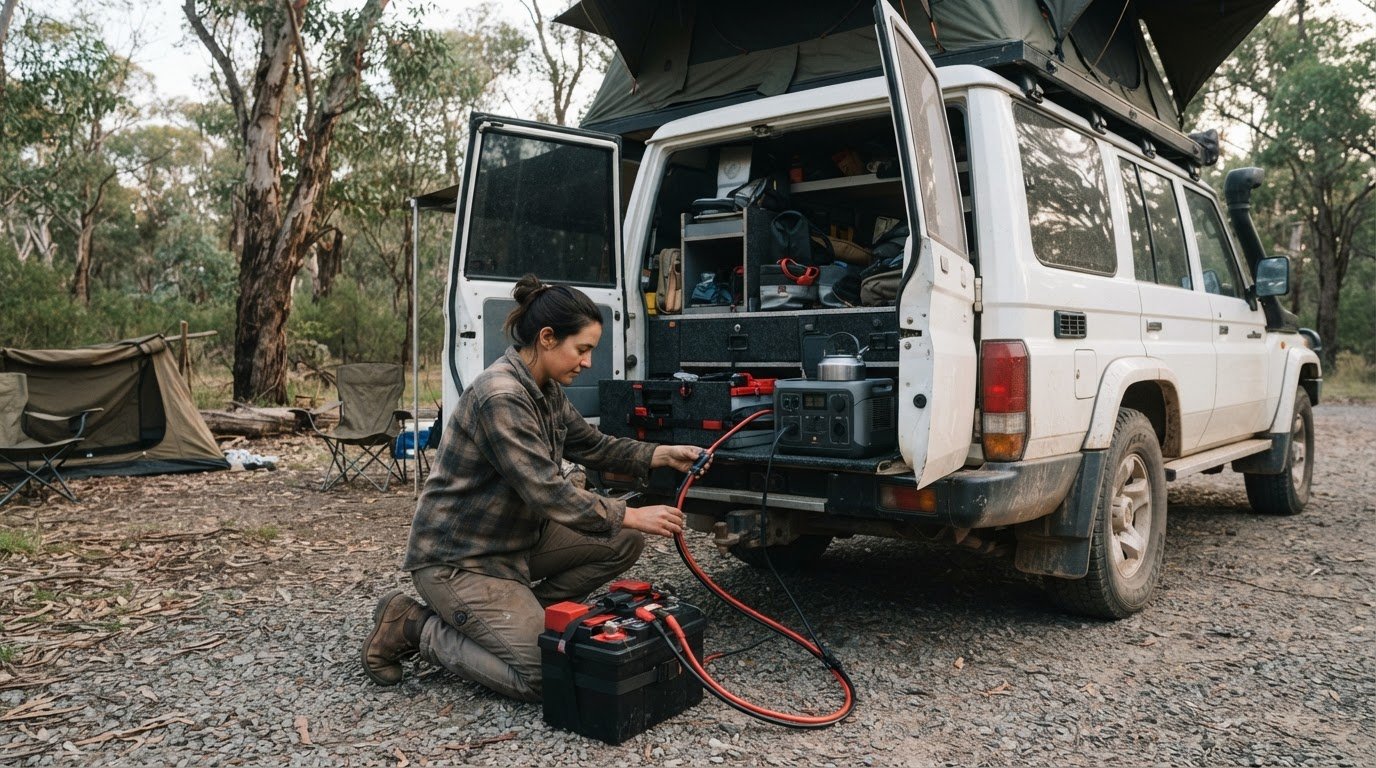
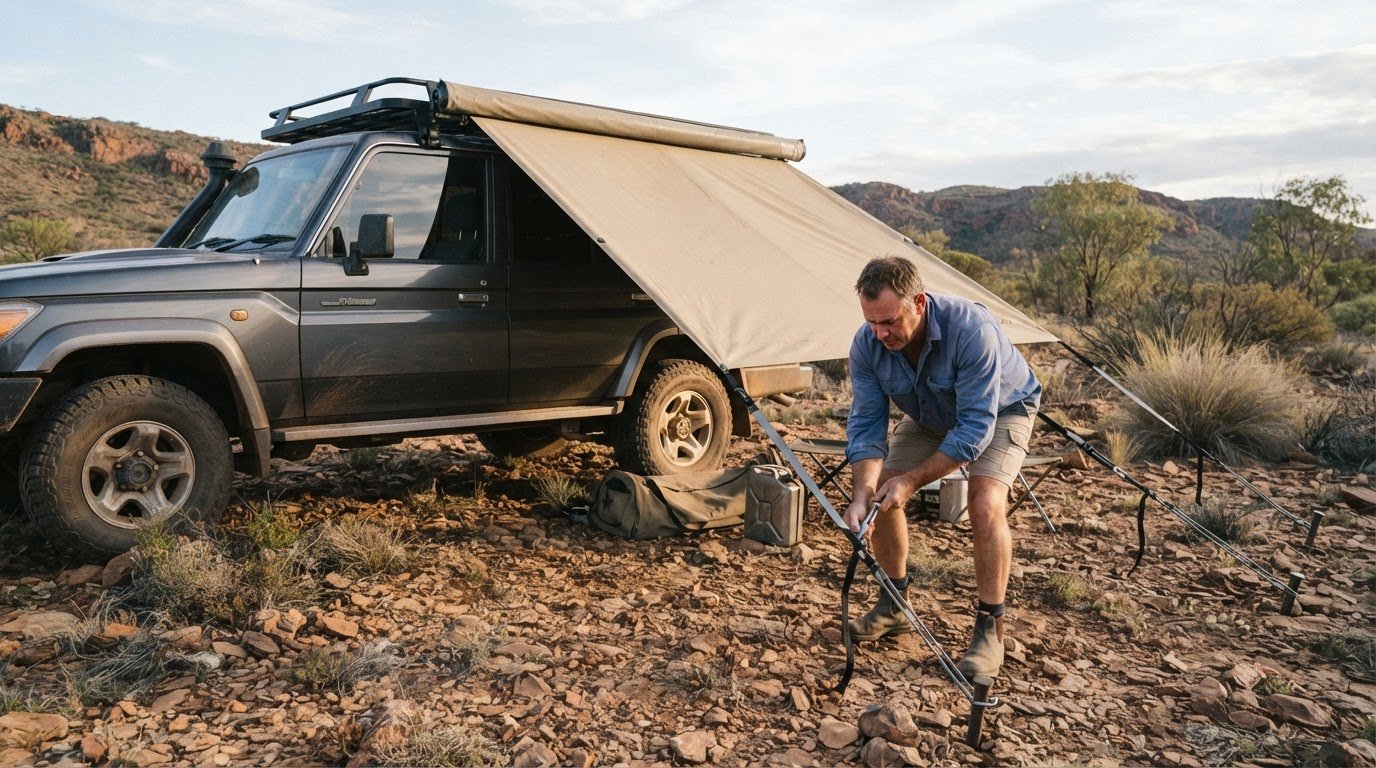
Use the planning stage to match your vehicle setup and camping arrangements to the journey you have in mind. Adventurerz offers reviews and recommendations to help you explore rooftop tents, 4WD awnings and camping equipment as you prepare. The right preparation supports a more considered trip, while respecting the places and communities along the way.
Ready to take the next step? Contact Adventurerz about your Cape York trip and keep building a plan that fits your crew. Here’s to a safe, rewarding adventure and a lighter footprint on the track.
Frequently Asked Questions
What are the road conditions on the Cape York track by month?
Road conditions shift from wet-season mud and flooding to drier, dustier tracks as the year progresses. April can bring soft terrain and high river crossings; May usually sees improvement, although muddy sections may remain early in the month. From May to October, access generally improves as roads reopen. Late September and October can bring more dust, heat and soft sand. Check current road conditions and closures before setting out, as access can change along your route.
When are Cape York rivers and creeks safest to cross?
River crossings are generally safer by May as the wet season eases, but conditions still vary with recent rain and the specific waterway. April can bring high river levels, and elevated crossings may persist in early May. Don’t assume a crossing is suitable based on the month alone. If water levels or the approach look challenging, wait and reassess rather than following another vehicle through. Leave time in your itinerary for changing conditions and delays.
How long does it take to drive the Cape York track in the dry season?
There’s no fixed drive time: the route, track conditions, stops and time spent at crossings all affect the journey. Two weeks is a general benchmark for seeing and enjoying Cape York; seven days is described as rushed.
What vehicle and recovery equipment are recommended for Cape York by season?
Use a capable, well-prepared 4WD; a two-inch lift kit is recommended. Choose recovery equipment to suit your vehicle, the terrain and your group, allowing for high crossings early in the season and soft sand later in the dry season.