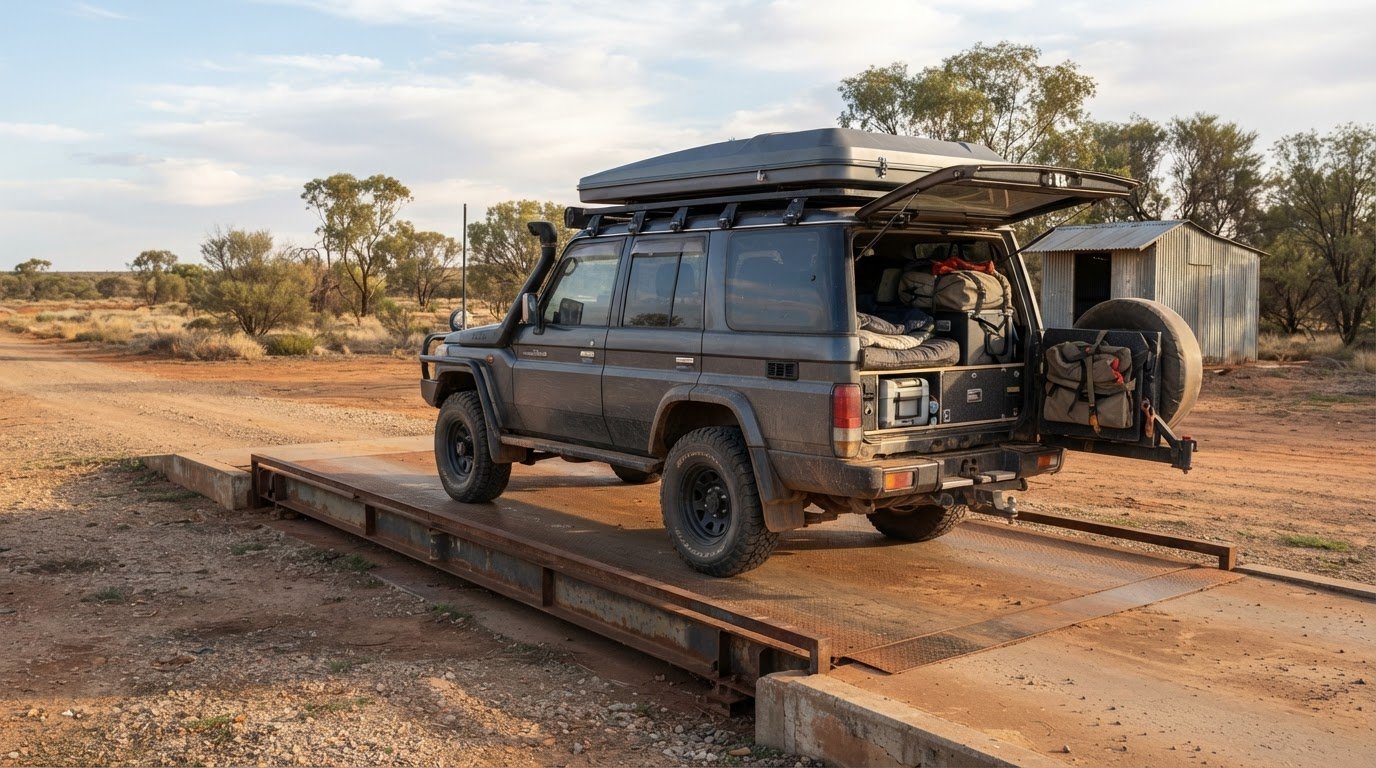
A GVM upgrade can make financial sense when you regularly carry heavy loads and need more legal carrying capacity, particularly if you plan it before adding heavy accessories. To decide whether a GVM upgrade is a worthwhile investment financially, compare the usable capacity it adds with the upgrade cost and the risks of travelling overloaded. It won’t increase your vehicle’s GCM or towing capacity, so it may not solve every load-related problem.
It’s natural to weigh the upgrade cost against the gear, passengers and travel setup you want to carry. Judge your vehicle as you actually use it, not by its empty weight or a planned setup that hasn’t been weighed.
Here, we’ll explain how an upgrade affects payload, how compliance and vehicle wear can affect your finances, and why timing matters. You’ll have a clearer basis for deciding whether the added capacity suits your touring plans or whether you can manage your current load without an upgrade.
Key Takeaways
- Weigh your 4WD in its intended travel setup to see whether your actual load calls for more legal capacity.
- Consider how an upgrade changes payload, while remembering it doesn’t increase GCM or towing capacity.
- Account for compliance and insurance exposure, as well as the potential effects of excess weight on handling, braking and component wear.
- Plan the upgrade before adding heavy accessories where possible, so you can assess the vehicle and touring setup together.
- Use the article’s decision factors to judge whether extra capacity will serve your regular trips or simply add cost and complexity.
Table of Contents
Are GVM upgrades a good idea?
In Australia, a GVM upgrade is an approved modification that increases an eligible vehicle’s legal carrying capacity. GVM means Gross Vehicle Mass: the maximum legal weight of a loaded vehicle, including passengers, fuel, accessories and tow-ball download. Australian state and territory driver-licensing authorities state that the maximum GVM upgrade for a four-wheeled setup that remains driveable under a standard vehicle licence is 4495kg. That ceiling doesn’t replace the vehicle’s other applicable limits.
An upgrade can change suspension and braking components without changing the vehicle’s basic structure or powertrain. For example, a described LandCruiser 200 upgrade uses different springs, dampers and brakes while retaining the same chassis and powertrain. This distinction helps set realistic expectations: the modification supports a higher approved vehicle weight, but doesn’t turn the vehicle into a different model. A suspension change alone also doesn’t automatically increase legal carrying capacity.
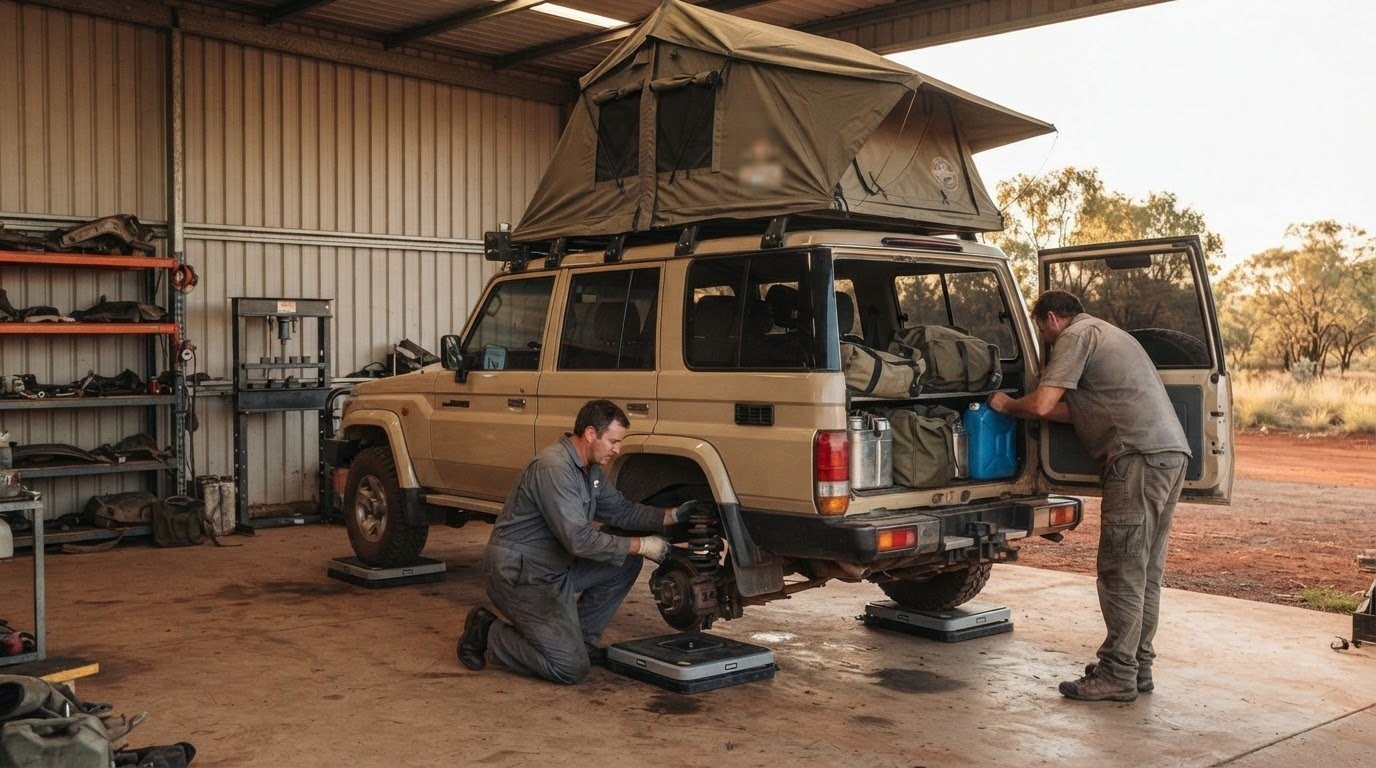
Before deciding, weigh the vehicle in its intended travel configuration. Include the people, fuel, water, accessories, recovery gear and luggage you usually carry. If towing a caravan, weigh the combination with the caravan attached and include its tow-ball download in the vehicle’s load. An empty-vehicle figure won’t show how much capacity remains with your touring setup.
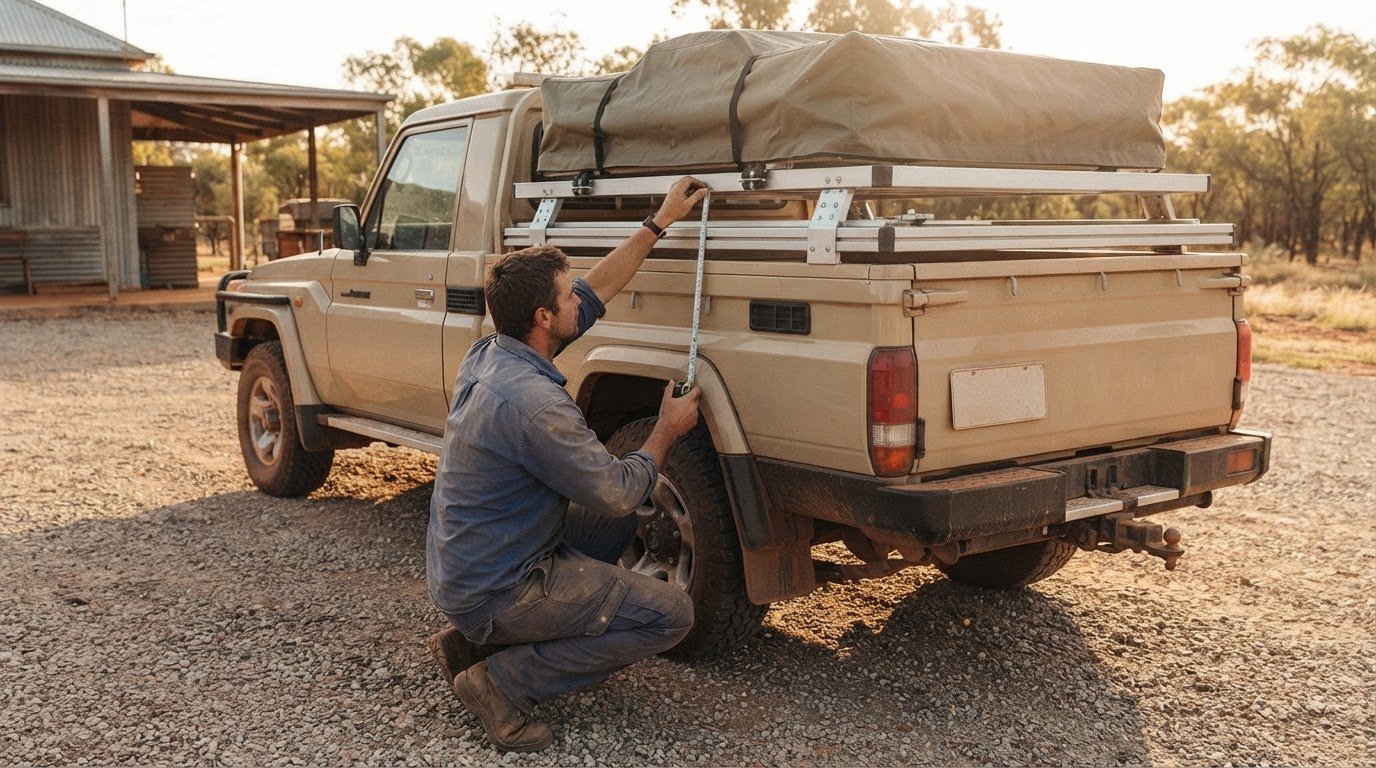
Work vehicles may need an upgrade when heavy equipment and accessories are part of regular use. A canopy, drawers, racks, tools and crew members all add weight, leaving less room for other loads. If you repeatedly need to leave essential equipment behind, assess the vehicle and its work setup together. If the load is optional, reducing it may be a simpler alternative.
Caravan owners need to consider the whole combination, not just the vehicle’s GVM. Before travelling, account for passengers, fuel, water, food, luggage and recovery equipment in their usual arrangement. Include the caravan’s weight and tow-ball download. An upgrade doesn’t raise GCM, towing capacity, axle limits or tyre load ratings, so extra vehicle capacity may not resolve another restriction.
Is a GVM upgrade a worthwhile investment financially? It may suit owners who regularly need the extra capacity and already have a suitable vehicle. If excess weight comes from optional gear, reducing the load may be more practical. Compare keeping your current vehicle and carrying less with changing vehicles, based on how you use it regularly.
Which Australian vehicles benefit most financially? Work and touring vehicles that regularly carry necessary heavy accessories, passengers or equipment are the clearest candidates. For a trade vehicle, planning before fitting a canopy, drawers or racks can help match its configuration to its intended load.
What does a GVM upgrade mean for a vehicle in Australia? It means an approved modification increases the eligible vehicle’s legal maximum loaded weight. Whether a GVM upgrade is a worthwhile investment financially depends on whether that added legal capacity is useful for your actual work or travel setup.
How GVM upgrades affect load-carrying capacity
A GVM upgrade raises an eligible vehicle’s approved maximum loaded weight, but it doesn’t change every limit. For towing, axle loads and handling, you still need to consider the vehicle and caravan together.
Changes to Load-Carrying Capacity
Payload is the weight available for people, fuel, accessories and cargo after accounting for the vehicle itself. An approved GVM increase can provide more legal room for those loads, which matters when your regular setup leaves too little payload for essential equipment. The gain helps only if the rest of the vehicle’s limits allow the loaded configuration.
Axle Limits and Vehicle Handling
Axle limits cap the weight carried by each axle, even when the vehicle’s upgraded GVM allows a heavier total load. An upgrade doesn’t automatically change those limits, tyre load ratings or towing capacity. Unevenly distributed cargo can also place more weight on one axle, so added GVM isn’t permission to pile weight wherever it fits.
A Toyota LandCruiser 200 GXL has a standard payload capacity of 610 kg. The described upgrade raises its GVM from 3350 kg to 3850 kg, adding 500 kg of payload capacity. That example shows the potential scale of the change, but your usable capacity depends on the approved vehicle setup and how its load is distributed.
Does a GVM upgrade increase towing capacity? No. It doesn’t automatically raise the vehicle’s towing capacity or Gross Combination Mass (GCM), the maximum combined weight of the loaded vehicle and trailer. You must still account for the caravan’s weight, tow-ball download, axle limits and tyre ratings. A higher GVM addresses only the vehicle’s maximum loaded weight.
Upgrade timing can affect towing, too. For a 70 Series LandCruiser, a pre-registration GVM upgrade can preserve its braked towing capacity, while a post-registration upgrade reduces it. That distinction matters if towing is central to your Australia touring plans. Assess the vehicle and caravan in their normal travel configuration, rather than judging capacity from the vehicle alone.
For a useful comparison, weigh the vehicle and caravan in their usual travelling setup, including passengers, fuel, water, luggage and recovery gear. Then consider where the load sits, not just the combined figure. Changing the accessory setup can alter axle loads and handling, even if the vehicle stays within its upgraded GVM.
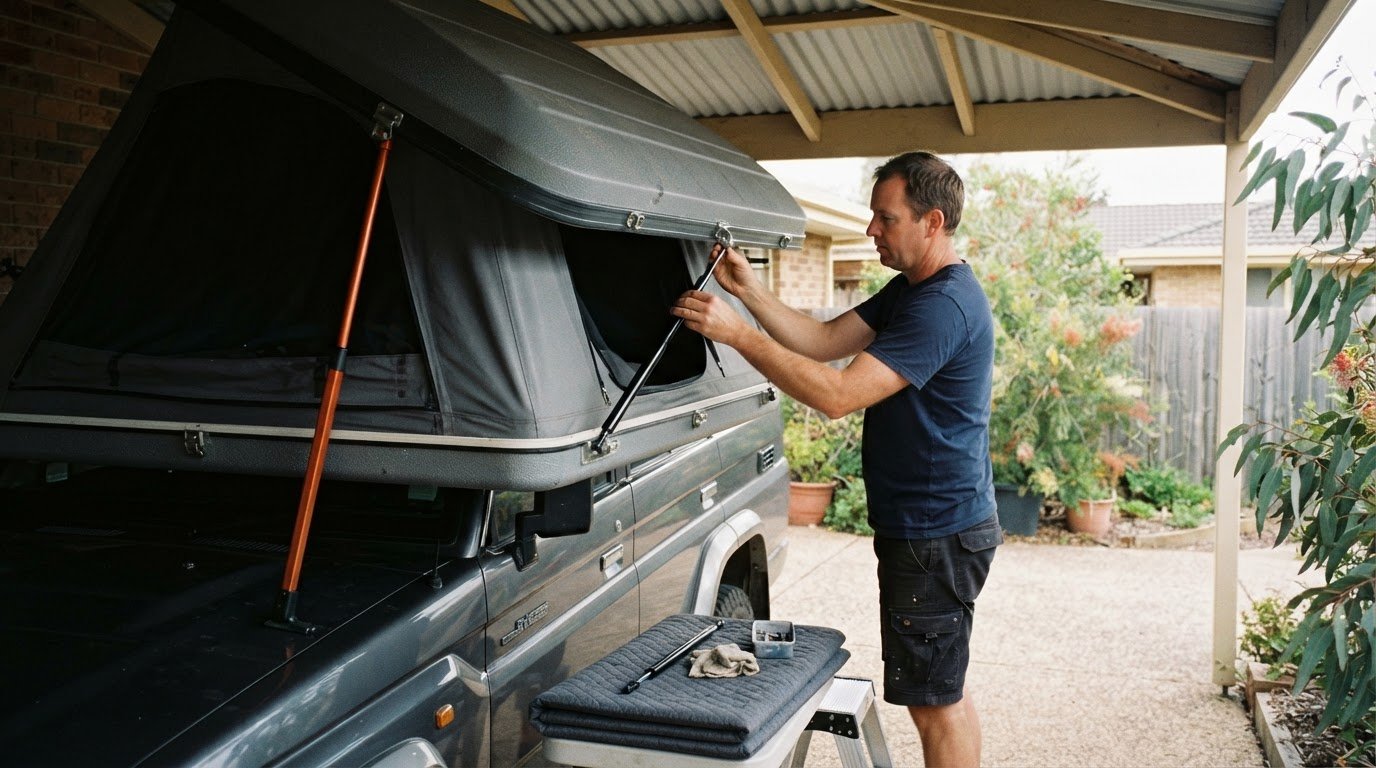
A rooftop tent is one accessory to include when planning a touring setup. Explore roof top tent options alongside the rest of your vehicle’s load, then assess the complete configuration rather than treating any single accessory in isolation.
Overloading, road compliance and insurance risks
An overloaded vehicle can create safety, compliance and insurance exposure, even if its accessories or suspension have been upgraded. The key question is whether the loaded vehicle stays within its certified limits.
Overloading Safety and Compliance Risks
Overloading means operating above an applicable vehicle weight limit, such as the manufacturer’s factory payload or a certified GVM. An overloaded 4WD can face fines or defect notices during a roadside inspection, and may be forced off the road until the issue is resolved. Excess weight can also complicate an insurance claim after a crash, particularly if the vehicle was outside its certified limits.
Axle limits matter separately from total GVM. For example, if a vehicle’s rear-axle limit is 3000kg, each rear wheel needs a load rating of at least 1500kg. A GVM upgrade doesn’t make that axle or wheel limit disappear. Load distribution matters too: placing heavy tools, water or recovery gear over one axle can exceed its limit while total vehicle weight remains below the upgraded GVM.
An upgrade also doesn’t make every suspension change a legal GVM modification. The modification must be approved and certified where required, and the vehicle must remain within its applicable limits. If a roadside inspection identifies a defect, the vehicle may be taken off the road until the problem is resolved, disrupting work or travel plans.
Manufacturer Warranty Risks
A GVM modification can affect how a manufacturer handles warranty claims related to modified components or resulting damage. Before upgrading, seek written confirmation from Toyota about ongoing warranty coverage, particularly if the vehicle is still covered. Keep certification and modification records with the vehicle documents. These records make the approved setup clear if a warranty or insurance question arises later.
Legal and Engineering Approval Requirements
Australian approval pathways depend on the vehicle, when the upgrade occurs and the state or territory rules. Eligible vehicles may use a licensed Second Stage Manufacturer; another pathway involves engineering approval and sign-off by an approved automotive engineer or licensed vehicle modifier. Post-registration upgrades require an authorised state-engineering signatory in Queensland, New South Wales, Victoria, Tasmania, South Australia and the ACT.
In Western Australia, a GVM upgrade must be certified and recorded with the WA Department of Transport. Transport WA says complex light-vehicle modifications require an online application unless formal approval isn’t required or an Approved Inspection Station can assess the change. For other jurisdictions, certification and registration updates may depend on when the upgrade is completed and the applicable rules.
Tell your insurer about the upgrade and have it noted on your policy. Insurers may reduce or deny claims if an accident involves a vehicle overloaded beyond its certified limits. Keep the approval paperwork and updated registration details together so the vehicle’s legal configuration is clear during an inspection or after an incident.
Handling, braking and component wear under load
A GVM upgrade changes the vehicle’s approved load capacity, but extra capacity doesn’t make weight disappear. Handling, braking and wear still depend on the vehicle’s actual load, its distribution and the components fitted. Compare how your loaded 4WD behaves before and after the upgrade, especially with touring gear or a work setup onboard.
An overloaded vehicle can have reduced braking performance, affected steering response and less stable towing. Added weight also increases demand on tyres and suspension, which can accelerate wear. For example, a vehicle carrying tools, passengers and touring equipment may respond differently under braking than it does when lightly loaded. An upgrade addresses approved capacity, not the physics of carrying more mass.
Suspension components are designed to work together as a system. An upgrade may use different springs and dampers, and some vehicle upgrades also change brakes. The result depends on the parts approved for that vehicle. More carrying capacity doesn’t guarantee the same handling when fully loaded as when unladen, so drive according to the load and road conditions.
Tyres also need attention. Their load ratings still apply after a GVM upgrade, and uneven loading can place extra demand on individual tyres. A heavy canopy, drawers or tools concentrated at the rear can affect axle loading and steering response. Secure heavy cargo and distribute it across the vehicle rather than treating spare payload as permission to load one area heavily.
What ongoing costs and maintenance should you expect after a GVM upgrade? Costs depend on the components fitted, vehicle use and wear, rather than one standard figure. Maintain the upgraded suspension, brakes and tyres according to their manufacturers’ guidance, and include them in routine vehicle inspections.
For a practical check, inspect the following after carrying a heavy load or completing demanding travel:
- Look for visible damage or uneven wear on tyres and suspension components.
- Pay attention to changes in braking, steering response or towing stability.
- Review cargo placement if the vehicle sits unevenly or feels less settled.
- Keep servicing and component records with the upgrade documentation.
A professional weigh-in can help connect changes in handling with the actual loaded setup. Weigh the vehicle in its normal travel configuration, then compare the result with the upgrade’s approved limits and each axle’s limit. If you add accessories or substantially change the setup, weigh it again. This helps identify whether the load, its position or component wear needs attention.
Consider the financial case as more than extra payload. Factor in component condition, servicing and how you use the vehicle. If your regular load requires an upgrade, sound maintenance and balanced loading help protect the vehicle’s performance on Australian roads and tracks.
Timing an upgrade before fitting accessories
Planning a GVM upgrade before adding heavy accessories can help you build the vehicle around its intended load. A canopy, drawers, racks, tools and touring equipment all add weight. Installing them first can use up payload before you add passengers, water and luggage. Assess the complete work or travel setup before choosing components.
A pre-registration GVM upgrade is completed before a new vehicle is first registered and can offer additional upgrade options. That timing matters if you’re buying a new 4WD for a known job, such as carrying tools in a canopy or travelling with a roof-top tent and recovery gear. Matching the upgrade to the planned configuration can reduce the chance of revisiting the setup after accessories are fitted.
For an existing vehicle, a post-registration upgrade may still be available for many popular 4WDs. It requires approved components, professional installation and certification where applicable. The key is to assess the vehicle as it stands, then include the accessories you intend to add. A modification should be treated as an approved change to the vehicle, not simply a suspension purchase.
Use a staged plan before fitting equipment:
- List the accessories planned for the vehicle, such as a canopy, drawers, racks and awning.
- Include passengers, fuel, water, luggage and recovery gear in the intended travel setup.
- Weigh the 4WD in that configuration before deciding whether an upgrade is needed.
- Plan any additional accessories around the upgraded limits and approved components.
For example, a trade vehicle planned with a canopy and tool drawers should be assessed with those items included, not as a bare vehicle. The same applies to a touring 4WD carrying camping equipment. If the setup changes substantially after the upgrade, weigh it again. Added accessories can change total weight and axle loading, so the original weigh-in may no longer reflect the vehicle’s current configuration.
Timing also shapes the financial decision. Installing accessories first and then discovering that the loaded vehicle exceeds its factory limits can mean reassessing the configuration and upgrading later. Planning ahead lets you consider vehicle choice, approved upgrade options and accessory fitment together. It doesn’t remove the need to stay within towing, axle or tyre limits, but gives you a clearer picture of the whole setup.
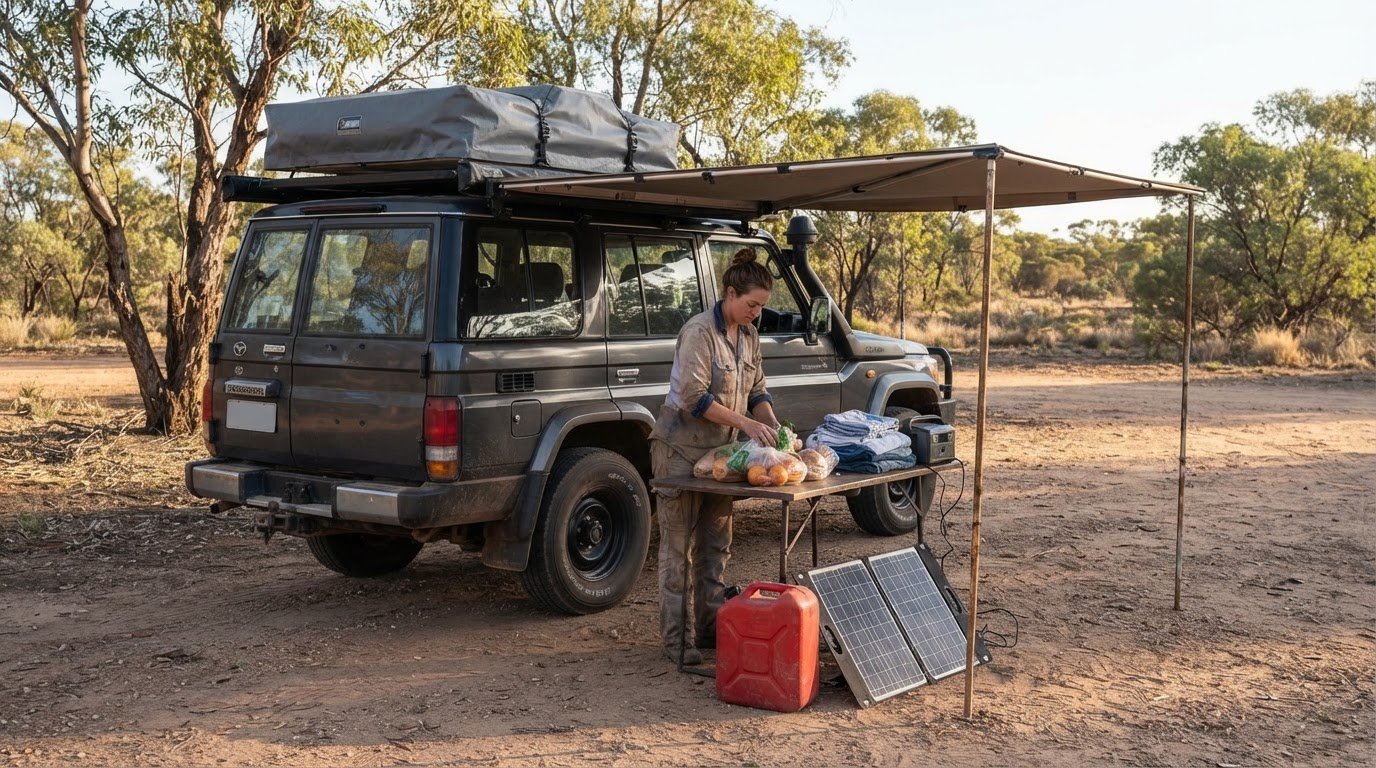
If a 4WD awning is part of your planned touring load, explore 4WD awning options while mapping the accessories you’ll carry. Include its weight in the intended configuration, then weigh the vehicle with the fitted gear before setting off.
Adventurerz
Adventurerz helps Australian adventurers plan their setup with reviews and recommendations for rooftop tents, 4WD awnings and camping equipment. Once you’ve assessed whether added vehicle capacity suits your load, use these resources to think through the gear you’ll carry and the trips you’re preparing for. Hiking equipment reviews and Australian adventure ideas can also help shape a practical plan around your vehicle’s limits, rather than adding equipment without considering its weight. For decisions about certification or engineering approval, use the relevant guidance in this article and the applicable vehicle requirements. If you’d like to talk with Adventurerz about our outdoor content, contact us.
Plan for the vehicle you want next
Deciding whether a GVM upgrade is a worthwhile investment financially starts with the vehicle’s future role, not just your next trip. Consider whether your work, family or touring plans may change, and whether this vehicle will remain the right platform as those demands evolve. A decision based on one planned journey may not suit how you use the vehicle over time.
Consider the setup you want to build and the demands you expect it to meet. A vehicle used regularly for work has different long-term value from one carrying extra gear for occasional travel. Think about whether planned equipment will continue to serve your priorities, or whether a simpler loadout would leave you more adaptable. The strongest financial case is for useful capacity you’ll put to work, not capacity that looks reassuring only on paper.
Give yourself space to make the vehicle decision with care. If you’d like to discuss your outdoor plans and next steps, contact Adventurerz. Here’s to building a setup that supports responsible, rewarding adventures.
Frequently Asked Questions
How Do You Know If Your Vehicle Is Overloaded?
You can establish a vehicle’s weight accurately only by weighing it in its current loaded condition and comparing the result with its applicable GVM and axle limits. Include occupants, fitted accessories, tools and cargo, then account for trailer tow-ball download if towing. A vehicle sitting low at the rear or feeling unsettled may signal a load issue, but appearance and handling alone can’t confirm compliance.
How much does it cost?
The cost depends on the vehicle, upgrade pathway and work required. Key factors include suspension and brake components, professional installation, engineering certification and any registration updates. Pre-registration and post-registration upgrades can involve different approval steps, so their estimates aren’t directly interchangeable. For a useful comparison, consider the full installed and certified modification, not just the cost of suspension parts.
What Is Gross Vehicle Mass (GVM)?
Gross Vehicle Mass is the maximum permitted weight of a vehicle when loaded for use. Think of it as the vehicle’s total weight allowance, not the amount of cargo it can carry. To estimate remaining capacity, subtract the current loaded vehicle weight from its applicable GVM. Passengers, fitted equipment and any load affecting the vehicle use part of that allowance.
What are the consequences of GVM upgrades?
A GVM upgrade changes the vehicle’s approved carrying limit and may require specific components, installation, engineering certification or registration updates. It can also affect towing arrangements if the upgrade changes a separate limit. The practical result is a new set of approved parameters to follow, not unrestricted capacity. Keep certification and modification records with the vehicle so its current approved configuration is clear.
How much does a GVM upgrade cost in Australia, including engineering and fitting?
There isn’t one Australia-wide installed price: the vehicle, upgrade timing, components, labour and certification requirements all affect the total. Engineering sign-off and registration steps can also vary by pathway and jurisdiction. Compare quotes on the same basis, including parts, fitting and required approvals. A parts-only figure won’t show the full cost of an installed, certified upgrade.
Does a GVM upgrade increase a vehicle’s payload, and by how much?
Yes, an approved increase to GVM can increase the vehicle’s payload, but the usable gain depends on the upgraded limit and the vehicle’s weight. For example, heavier replacement components or new accessories use some of the added allowance. Calculate the remaining capacity from the actual vehicle configuration, then account for passengers and cargo. Axle, tyre and towing limits still apply independently.
How does a GVM upgrade affect vehicle warranty, insurance, registration, and resale value?
An upgrade can require certification and registration updates, depending on its timing and applicable rules. Tell your insurer and have the modification recorded on your policy; an overloaded vehicle outside its certified limits can complicate an accident claim. Warranty coverage may be affected, so written manufacturer guidance is useful. For resale, retain approval documents and service records so prospective buyers can understand the vehicle’s modified status.
What are the risks and disadvantages of a GVM upgrade, including ride comfort and fuel consumption?
An upgrade adds approved capacity, but it can bring costs, certification steps and changes to the vehicle’s ride. Replacement springs and dampers may feel different from the original setup, especially when the vehicle is lightly loaded. Fuel consumption also responds to total vehicle weight, accessories, terrain and driving conditions, so added capacity alone doesn’t predict the result. The upgrade doesn’t remove the need to stay within every applicable limit.