The silver tide is rising, and if you aren’t ready to drop everything when the first cool breeze hits the coast, you’re going to miss the greatest show on the Queensland shoreline. We know that feeling of staring at the tides, wondering if you’ve timed your trip perfectly or if you’re a week too late. The Mullet Season in Margate QLD is more than just a date on a calendar; it’s a high-energy migration that demands both technical precision and a deep respect for our marine ecosystems.
We all want that legendary haul, but we’ve seen too many beach sessions cut short by inadequate vehicle setups or a lack of environmental foresight. We’re here to help you prepare your 4WD and gear for this coastal phenomenon without leaving a scar on the sand. You’ll discover how to transform your rig into the ultimate fishing basecamp while ensuring our collective footprints stay small and our impact stays positive. We’ll walk you through the essential 2026 regulations, the best awning setups for long days in the sun, and the sustainable practices that keep our community thriving for seasons to come.
Key Takeaways
- Master the environmental triggers behind the massive northward migration to time your coastal expedition with expert precision.
- Gear up for the Mullet Season in Margate QLD by optimizing your 4WD for soft sand and remote beach access.
- Protect our fragile shorelines by integrating “Leave No Trace” principles into your fishing and camping routine.
- Discover why rooftop tents and high-quality awnings are the gold standard for creating a resilient coastal basecamp.
- Use our specialized 2026 travel planner to map your route and stay connected with real-time community migration reports.
Table of Contents
Understanding the Australian Mullet Run: Timing and Patterns
The Australian mullet run is one of nature’s most spectacular coastal events, signaling a time of high energy and abundance for our shorelines. Every year, millions of fish begin a massive northward journey along our eastern seaboard, starting in the cooler southern waters and moving up the coast as the season progresses. For the Adventurerz community, the Mullet Season in Margate QLD represents a peak time for coastal connection and responsible exploration. This isn’t just about the catch; it’s a vital pulse for the entire marine ecosystem. Predatory species like tailor and jewfish follow the schools in a feeding frenzy, while local birdlife thrives on the abundance left in the wake of the migration.
To better understand how this professional migration looks in action, watch this helpful video:
The Biological Trigger: Why the Migration Happens
The migration is primarily driven by spawning cycles that push the Flathead grey mullet out of the safety of our estuaries and into the open ocean surf. These fish wait for specific environmental cues to move, ensuring their offspring have the best chance of survival. We often see “black water” events, where heavy rains flush organic matter and nutrients into the sea, acting as a biological dinner bell for millions of fish. This massive biomass supports a complex food web, providing essential nutrients for the entire coast. By respecting these cycles, we help maintain the estuary health that keeps our favorite remote coastal tracks vibrant and teeming with life for future generations of explorers.
Seasonal Indicators for Coastal Adventurers
Experienced fishers in our crew always look for the “westerly blow” as the definitive starting gun for the run. These cold winter winds flatten the surf and drop water temperatures, creating the perfect conditions for the schools to bunch up and move. When you’re scouting from the dunes, look for changes in water clarity; a shimmering silver or dark smudge beneath the surface is your best visual clue. We recommend setting up your 4WD awnings to provide a comfortable vantage point while you monitor the tides and wind shifts. For those planning their next trip, the peak migration window for the 2026 season is officially confirmed to have begun in late May, following the first significant temperature drops along the coast.
Preparing Your 4WD for Coastal Fishing Expeditions
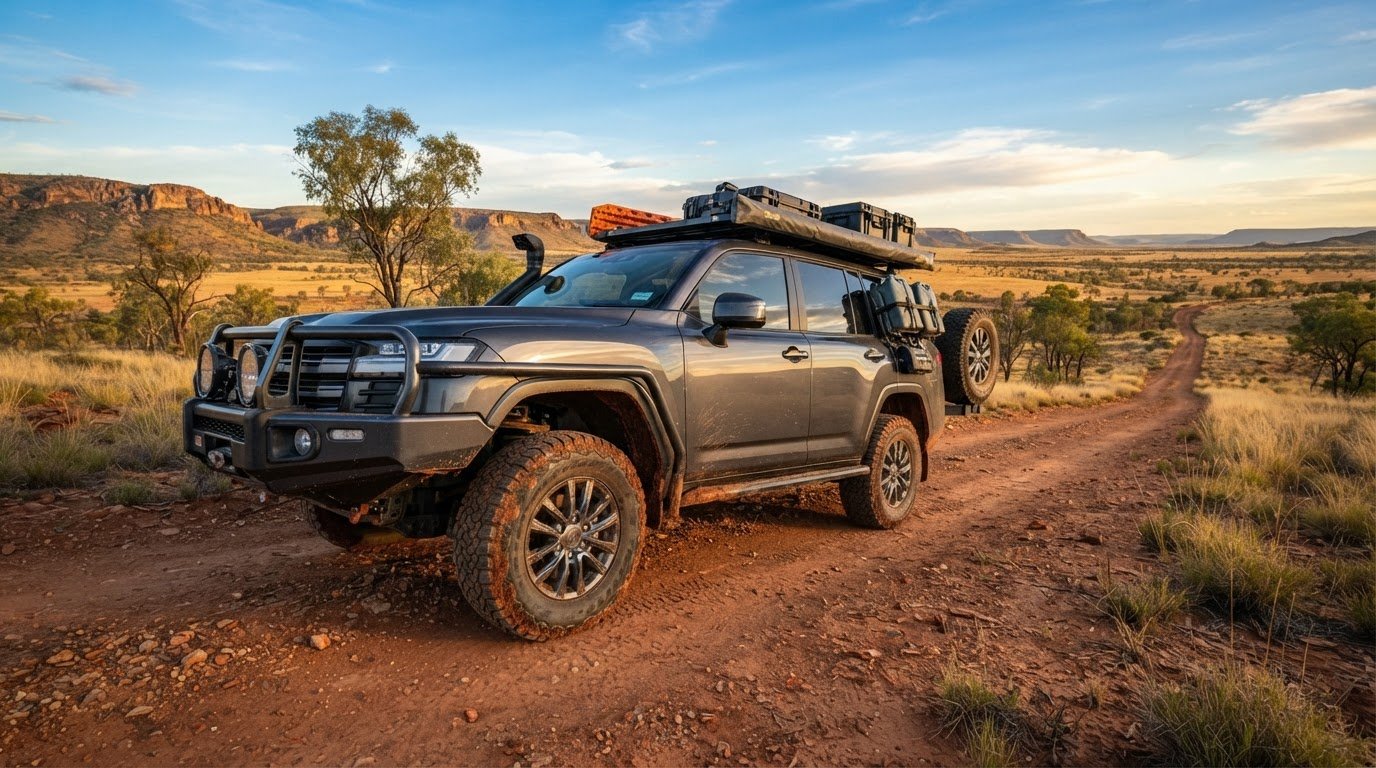
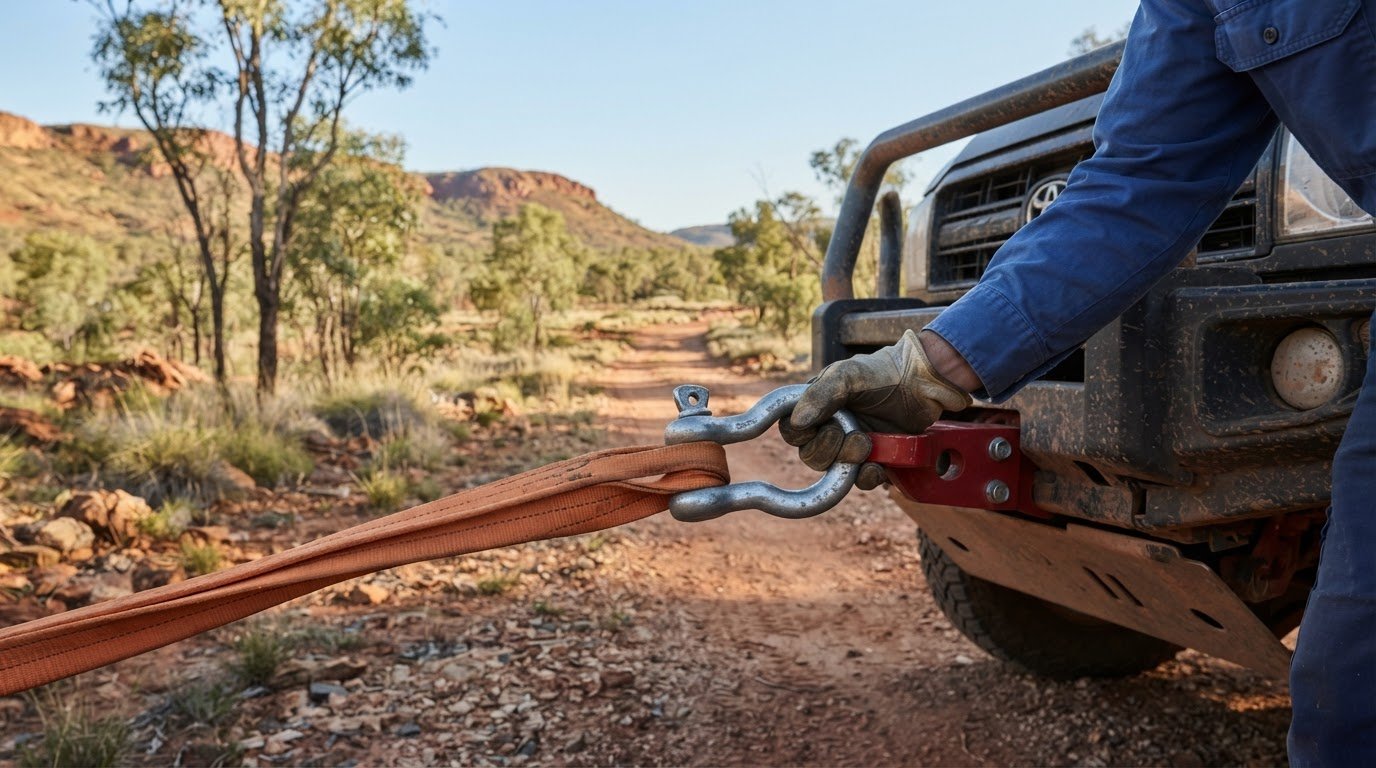
We’ve all seen it: a perfectly timed trip ruined by a vehicle bogged to the axles in the rising tide. Preparing for the Mullet Season in Margate QLD requires more than just a rod and reel. It demands a rig capable of handling the shifting sands of our remote coastal tracks. Unlike casual city driving, beach work puts immense strain on your drivetrain and suspension. We recommend a thorough pre-trip inspection of your recovery points and undercarriage before you head out. Having high-quality recovery gear, like kinetic snatch straps and traction boards, isn’t optional when you’re chasing fast-moving schools in isolated spots. Self-reliance is the name of the game here.
Speed is everything during the run. We organize our gear for rapid deployment so we don’t miss the action. If the fish move, you need to be able to pack up and relocate in minutes. This level of readiness is what separates a successful trip during the Mullet Season in Margate QLD from a day spent watching the horizon. Keep your most used tools in easy-access drawers or crates to save time when the schools appear.
Optimizing Your Basecamp with 4WD Awnings
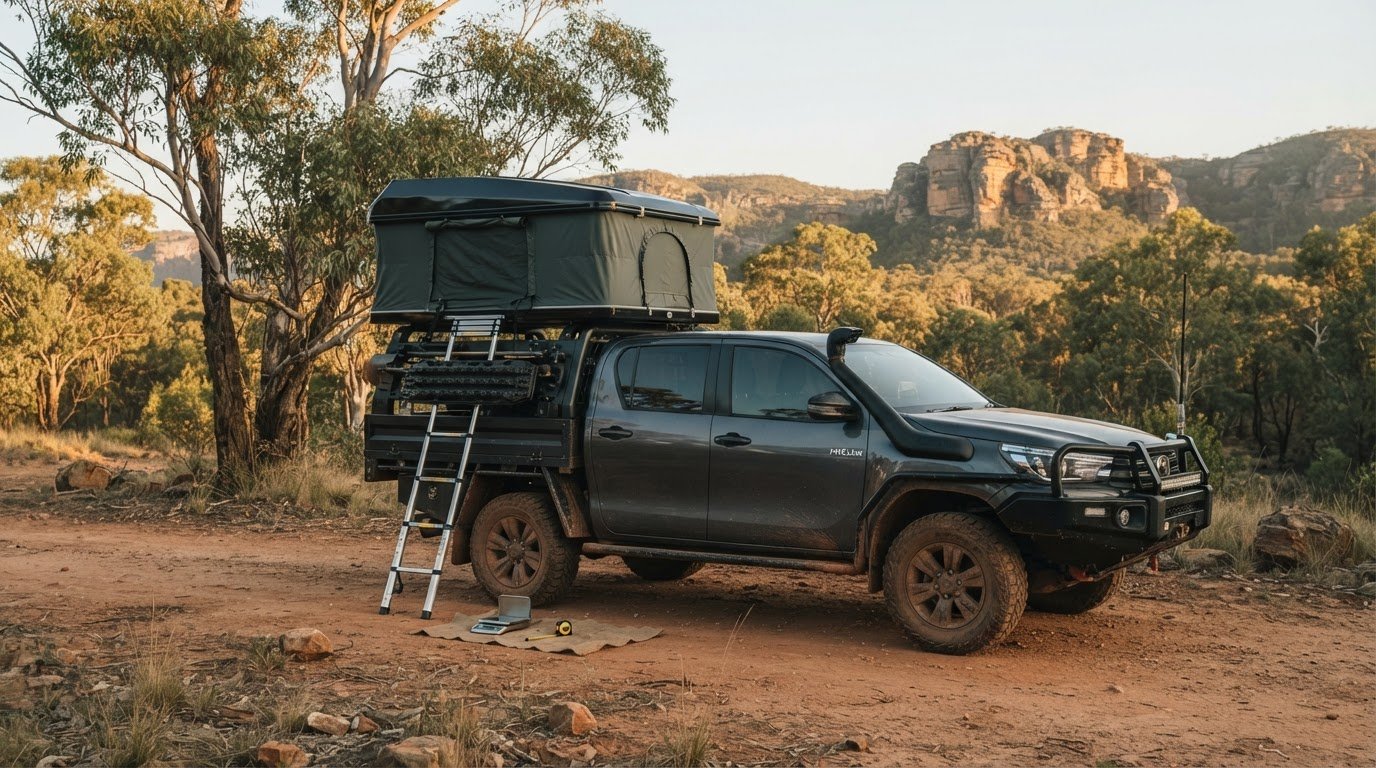
A best 4wd awning is your first line of defense against the relentless Australian sun. We often choose between a 270-degree awning for maximum coverage or a straight pull-out model for simple, lightweight setups. A 270-degree wing is unbeatable for beach-side cooking and gear prep, providing a massive shade footprint that wraps around your vehicle. However, coastal winds can be brutal and unpredictable. Always use sand pegs and guy ropes to secure your shelter. If the gusts pick up, don’t risk your gear; pack it away before the wind does it for you. Safety first, always.
Tyre Pressures and Sand Driving Essentials
Dropping your tyre pressure is the single most important rule for beach driving. For most Australian coastal conditions, we start at 18-20 PSI and go lower if the sand is particularly soft or powdery. This increases your footprint and prevents you from digging in. You’ll need a reliable portable compressor and a digital pressure gauge to manage this accurately. While you’re out there, remember to check the Queensland fishing size and possession limits to ensure your haul stays within legal and ethical bounds. Respecting these limits is how we protect our shared backyard.
Salt is the enemy. After your adventure, salt spray and coastal grit are your vehicle’s worst enemies. We never skip a thorough underbody wash. It’s the only way to prevent corrosion from the harsh marine environment and keep your rig ready for the next run. Thinking about an overnight stay on the coast? Check out our reviews on rooftop tents to find the perfect coastal sleeper for your next expedition.
Sustainable Fishing Ethics: Protecting Our Coastal Ecosystems
We believe that the privilege of exploring the coast during the Mullet Season in Margate QLD comes with a serious responsibility. Our mission is to ensure that the pristine beaches we love today remain intact for the next generation of adventurers. Adopting “Leave No Trace” principles in a coastal context goes beyond just picking up your own rubbish; it means being hyper-aware of how our presence affects the delicate balance of the shoreline. From avoiding nesting shorebirds to ensuring no discarded tackle enters the water, every action we take counts toward the health of our oceans.
Microplastics and lost fishing line are silent killers in our marine environments. We make it a point to scout our camp setups for any stray plastic or line left by others. It’s about leaving the place better than we found it. We also respect all local exclusion zones and protected marine areas, as these sanctuaries are vital for the recovery of fish stocks and the health of the broader ecosystem. When we follow these rules, we protect the very phenomena that draw us to the water in the first place.
Responsible Catch and Release Techniques
When we aren’t keeping a feed, the way we handle fish determines their future. We always use wet hands or a wet cloth to handle fish, which protects their protective slime coating from damage. Processing your catch quickly and utilizing proper revival techniques, such as moving the fish gently in a figure-eight motion to push oxygenated water through the gills, is essential for their recovery. Using circle hooks significantly increases the chances of a successful release because they are designed to hook the fish in the corner of the mouth rather than the gut. This simple gear choice ensures that the species we admire can continue their migration and spawning cycles undisturbed.
Minimizing Your Footprint on the Dunes
Our vehicles are our lifelines, but they can also be destructive if not handled with care. Staying on designated tracks is critical for preventing dune erosion and protecting the vegetation that holds the shoreline together. We always follow official Beach driving safety and regulations to minimize our impact on these sensitive zones. Managing waste and greywater is another pillar of our ethical framework. We use self-contained systems to ensure no soaps or contaminants leach into the sand. Utilizing roof top tents allows us to maintain a small, elevated footprint that avoids crushing sensitive ground cover. This commitment to accountability defines the Adventurerz community; we aren’t just visitors, we are guardians of the rugged landscapes that provide us with so much adventure.
The Ultimate Gear Checklist for Coastal Camping and Fishing
Success during the Mullet Season in Margate QLD relies on gear that can withstand one of the harshest environments on earth. Salt spray, fine abrasive sand, and relentless sun will find the weak point in any setup. We choose rods in the 10 to 13-foot range with enough backbone to cast heavy sinkers beyond the break. Pair this with a high-capacity spinning reel featuring a sealed drag system. Without that seal, the fine coastal grit will turn your expensive internals into sandpaper within hours. We also prioritize sealed storage bins to keep our kitchen and electronics completely isolated from the elements. For remote stays, we rely on portable lithium power stations and solar blankets to keep our lighting and refrigeration running without draining the vehicle’s starter battery.
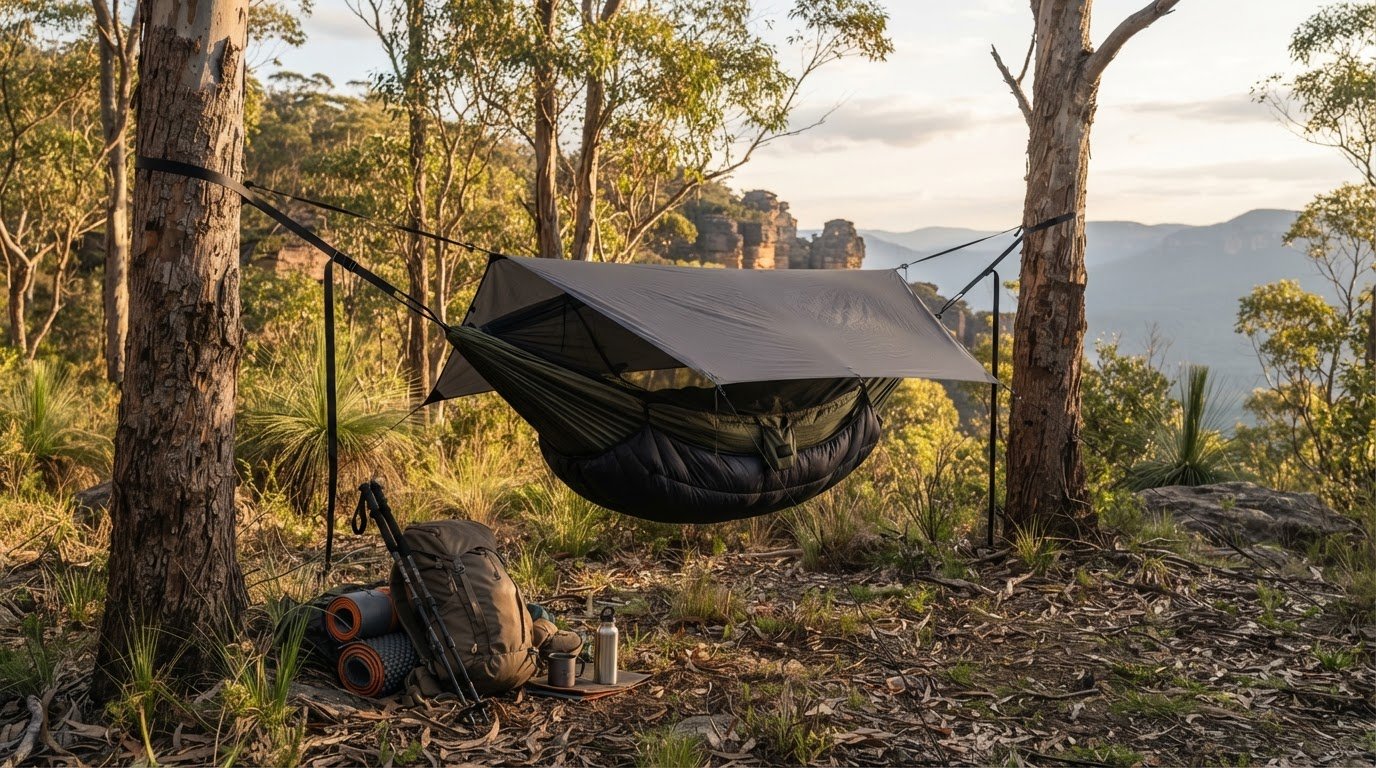
Basecamp Comfort: Rooftop Tents vs. Ground Tents
When the tide is pushing up against the dunes, being elevated is a massive advantage. We believe roof top tents are the superior choice for coastal expeditions. They keep us away from damp sand, rising water levels, and the local wildlife that gets active after dark. Speed is the other major factor. Chasing the migration means moving camp often, and a rooftop model allows us to pack up and follow the schools in under five minutes. To manage the high humidity typical of the Australian coast, we always look for models with internal anti-condensation mats and large mesh windows to encourage airflow. This keeps our sleeping quarters dry even when the sea mist is thick.
Specialized Tackle for the Mullet Run
Capturing bait is a key part of the experience. Cast nets are highly effective for securing fresh bait, but we must stay informed on regional legal restrictions, as rules vary significantly across the country. For the predatory species like tailor and jewfish following the migration, we recommend a mix of 40-60g metal slugs and fresh mullet fillets. If you’re keeping it sustainable, only take what you need for a single meal. After every session, we rinse our reels, rods, and even our zippers in fresh water to prevent the inevitable salt crust from seizing our equipment. It’s this methodical maintenance that ensures our gear lasts for many seasons to come. Ready to upgrade your coastal setup? You can find the best reviews for your next coastal rig right here in our community guides.
Planning Your 2026 Adventure Across the Australian Coast
Planning a trip for the Mullet Season in Margate QLD is about more than just checking the tides; it’s about building a comprehensive strategy for the vast Australian coastline. We don’t just wing it. We use the Ultimate Adventure Travel Planner to map our 2026 routes, ensuring we hit the migration peaks at exactly the right time. By staying connected with real-time community reports and weather alerts, we can pivot our basecamp if the schools move faster than expected. While the fishing is the main draw, we always find time to balance the rod with other coastal passions. Whether it’s snorkeling in crystal clear lagoons or testing our rigs on challenging 4WD tracks, a successful expedition is one that embraces the full spectrum of our rugged environment.
Logistics for Long-Distance Coastal Travel
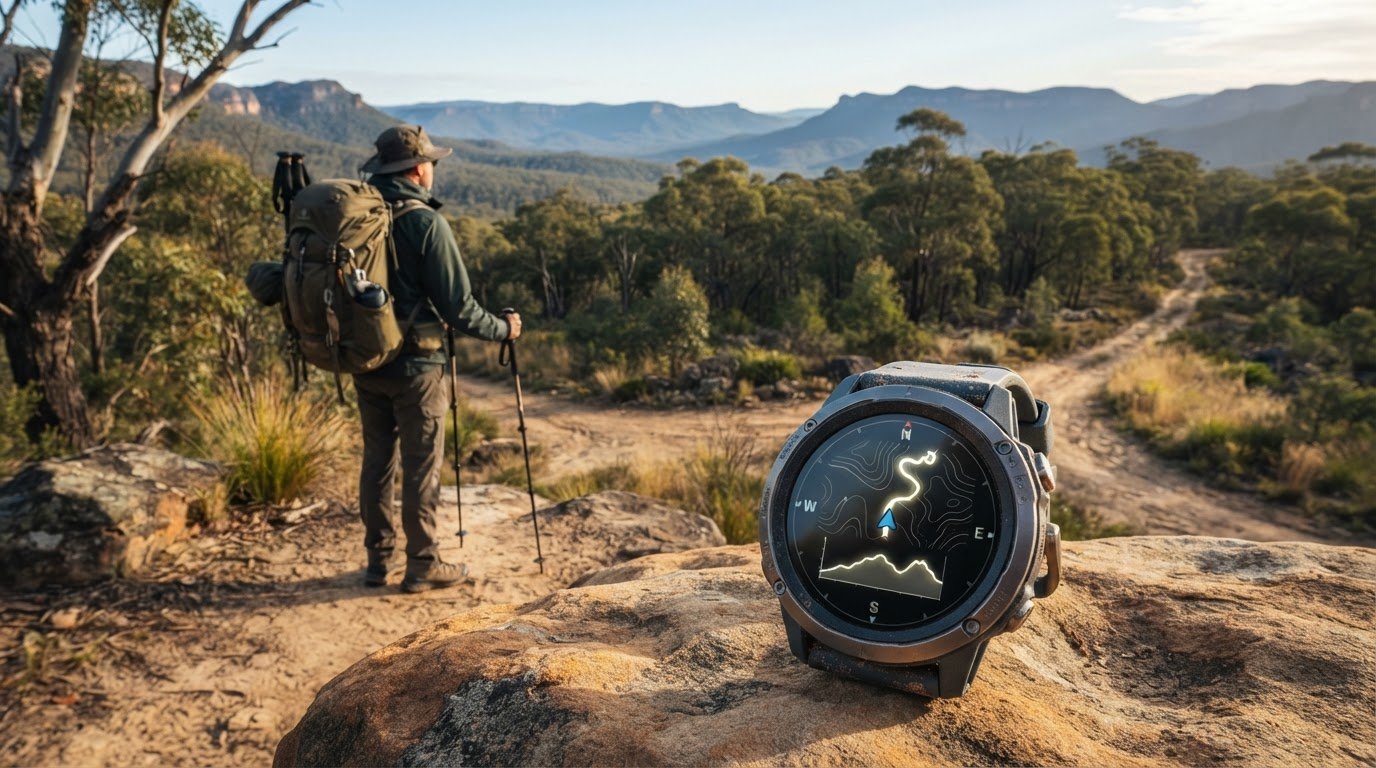
When we head into remote stretches, self-reliance is our primary focus. Calculating fuel and water requirements is a precise science; we always carry a 20% safety margin for fuel to account for soft sand driving, which can double your consumption. Water is even more critical. We recommend a minimum of five liters per person per day for drinking and basic hygiene. Before you air down your tyres, ensure you’ve secured all necessary permits for beach driving and camping in national parks. Many of these areas require bookings months in advance for the 2026 season. If you’re traveling solo, we advocate for a strict safety protocol: always carry a satellite communicator and leave a detailed trip itinerary with a trusted contact before you lose mobile reception.
The Adventurerz Lifestyle: More Than Just a Trip
We view every expedition as an opportunity to contribute to community-led conservation efforts. Whether it’s participating in a beach clean-up or reporting illegal dumping, our collective actions preserve these spaces. When documenting your journey for social media, we encourage you to do so responsibly. Focus on the beauty of the landscape and the ethics of the catch rather than just the “hero shot.” By sharing sustainable tips and showing respect for the land, we’re mentoring the next generation of outdoor enthusiasts. We invite you to join the Adventurerz community to share your photos and insights from the Mullet Season in Margate QLD. Together, we can ensure that the thrill of the migration remains a vibrant part of our coastal identity for years to come.
Your Next Coastal Chapter Awaits
The silver run is a call to action for every coastal explorer who values the rhythm of the tides and the health of our shorelines. We’ve explored the environmental triggers of the migration and the rugged 4WD setups required to navigate isolated beach tracks safely. By embracing sustainable fishing ethics and refining your specialized gear list, you ensure that the Mullet Season in Margate QLD remains a legendary phenomenon for decades to come. It’s about more than just the catch; it’s about the fellowship of the road and the preservation of our wild places.
We are here to support your journey with expert-vetted gear reviews and comprehensive Australian travel guides. Our community focus on environmental ethics means you’re never exploring alone; you’re part of a movement dedicated to responsible discovery. Whether you’re airing down for the first time or you’re a seasoned veteran of the dunes, there’s always a new horizon to chase.
Join the Adventurerz community and plan your 2026 coastal escape today!
Let’s get out there and make this season one for the history books!
Frequently Asked Questions
When is the best time for the mullet run in Australia?
The annual mullet migration typically occurs during the autumn months as water temperatures drop and winter westerly winds begin. For those tracking the Mullet Season in Margate QLD, the 2026 run was officially reported to have started in late May. While timing varies slightly by latitude, the peak window generally spans from April through July as massive schools move northward along the eastern coastline to spawn and feed.
Do I need a special permit for beach fishing in 2026?
In Queensland tidal waters, recreational fishers don’t require a fishing license. However, if your coastal expedition takes you toward stocked freshwater dams or weirs, you must possess a Stocked Impoundment Permit (SIPS), which costs $13.60 for a weekly permit as of July 2026. Other states like New South Wales and Victoria do require recreational licenses, so we always recommend checking specific state regulations before casting your first line on any remote beach.
What is the best 4WD setup for coastal camping during the fishing season?
A resilient coastal setup centers on self-reliance and rapid deployment. We recommend equipping your rig with a high-quality rooftop tent and a 270-degree awning to provide essential shade during long beach sessions. Essential vehicle accessories include a reliable portable air compressor for tyre pressure management and a full suite of recovery gear like traction boards and kinetic straps. This infrastructure allows you to establish a comfortable basecamp while remaining mobile enough to follow fast-moving fish schools.
Can I use a cast net for mullet in all Australian states?
Cast nets are a popular tool for gathering fresh bait, but their legality varies significantly across the country. While they are legal to use in Queensland and the Northern Territory, they are generally prohibited in most other states, including New South Wales and Victoria. We advocate for strictly following local fisheries regulations to avoid heavy fines. Always verify current gear restrictions for your specific location to ensure your Mullet Season in Margate QLD remains both successful and lawful.
How do I protect my rooftop tent from salt spray and wind?
Protecting your gear from the harsh marine environment requires a methodical maintenance routine. After every coastal trip, we perform a thorough freshwater rinse of the tent canvas and zippers to prevent salt crusting and corrosion. In high-wind environments, always use heavy-duty sand pegs and guy ropes to secure your setup. Utilizing internal anti-condensation mats is also vital in high-humidity coastal zones to keep your sleeping area dry and prevent mold growth between expeditions.
What are the legal size and bag limits for mullet in Australia?
As of late 2026, the minimum size limit for Sea Mullet and Diamond Scale Mullet in Queensland tidal waters is 30cm. There is a possession limit of 20 fish per species. These regulations are part of a broader management strategy to ensure sustainable catch limits across our fisheries. Because limits can change and vary between states, we encourage our community to use official government apps to stay updated on the latest bag and size requirements during the Mullet Season in Margate QLD.
Is a rooftop tent better than a swag for beach fishing trips?
We believe rooftop tents offer a superior experience for beach-based adventures. Being elevated keeps you away from rising tides, damp sand, and coastal wildlife that becomes active after dark. While swags are more compact, a rooftop model provides better ventilation and a much faster setup time, which is critical when you’re moving frequently to stay with the fish. The added comfort and protection from sea mist make it the gold standard for multi-day coastal expeditions.
How can I fish sustainably during the peak migration season?
Sustainable fishing starts with a commitment to “Leave No Trace” principles. We recommend using circle hooks to minimize fish trauma and always using wet hands when handling any catch intended for release. Only take what you need for a single meal and strictly adhere to all size and bag limits. By respecting local exclusion zones and properly disposing of all discarded tackle, we protect the marine ecosystem and ensure the migration remains a vibrant phenomenon for the future.