Have you ever stared at a map of the Sunshine State and felt that restless itch to leave the bitumen behind, only to be held back by the “what-ifs” of remote recovery? We’ve all been there. The dream of conquering the best 4wd tracks queensland has to offer is often shadowed by the stress of permit paperwork and the fear of being ill-equipped when the track gets technical. It’s a lot to manage when you just want to find that perfect, isolated campsite under the stars.
This ultimate 2026 guide delivers a curated list of tracks for every skill level, alongside the latest permit requirements and essential gear advice. We’ll dive into sustainable travel habits, vehicle setups that actually work, and the specific 2026 regulations you need to know before you air down. Let’s get your rig ready for the remote escape you’ve been dreaming of.
Key Takeaways
- Navigate the diverse terrain of the Sunshine State with our curated list of the best 4wd tracks queensland offers for every skill level in 2026.
- Master the logistics of remote travel by understanding the updated permit systems and seasonal conditions for iconic routes like the CREB Track.
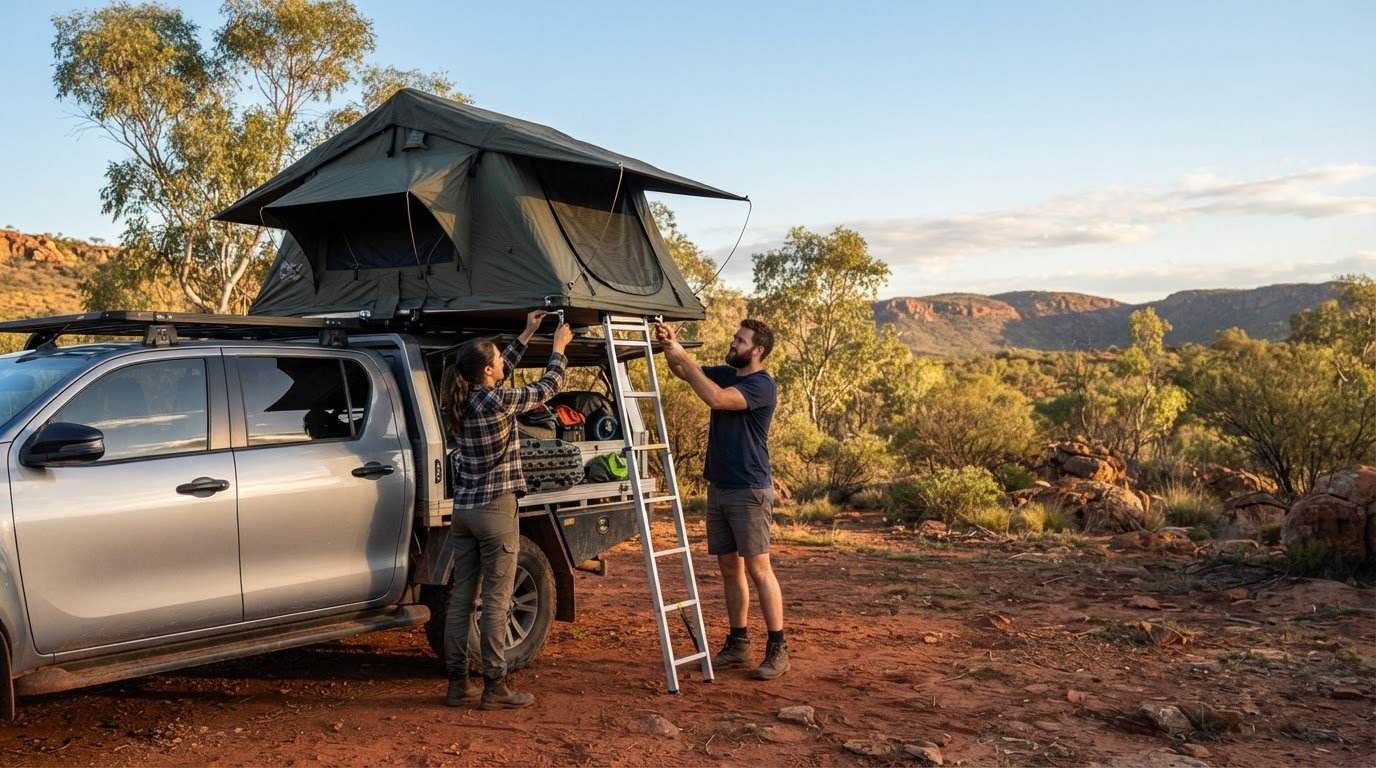
- Learn why a rooftop tent and a reliable awning are essential gear choices for staying comfortable and protected in the varied Queensland climate.
- Adopt sustainable exploration habits that align with the Adventurerz mission to keep our tracks open and our ecosystems healthy.
- Gain the technical insight needed to prepare your rig for the unique challenges of deep water crossings and soft coastal sand.
Table of Contents
The Diverse Landscape of Queensland 4WD Tracks
Queensland isn’t just another state; it’s the undisputed heavy-hitter of Australian off-roading. For 2026, it remains the premier choice because it offers a triple-threat of environments that you won’t find anywhere else in such proximity. We are talking about the world’s largest sand islands, ancient tropical rainforests, and the raw, unyielding red dirt of the outback. In the Queensland context, a 4WD track serves as a vital gateway to remote self-reliance, challenging travelers to master their environment while respecting the land.
To better understand the variety of terrain you’ll encounter, watch this helpful video:
Understanding Terrain Challenges in the Sunshine State
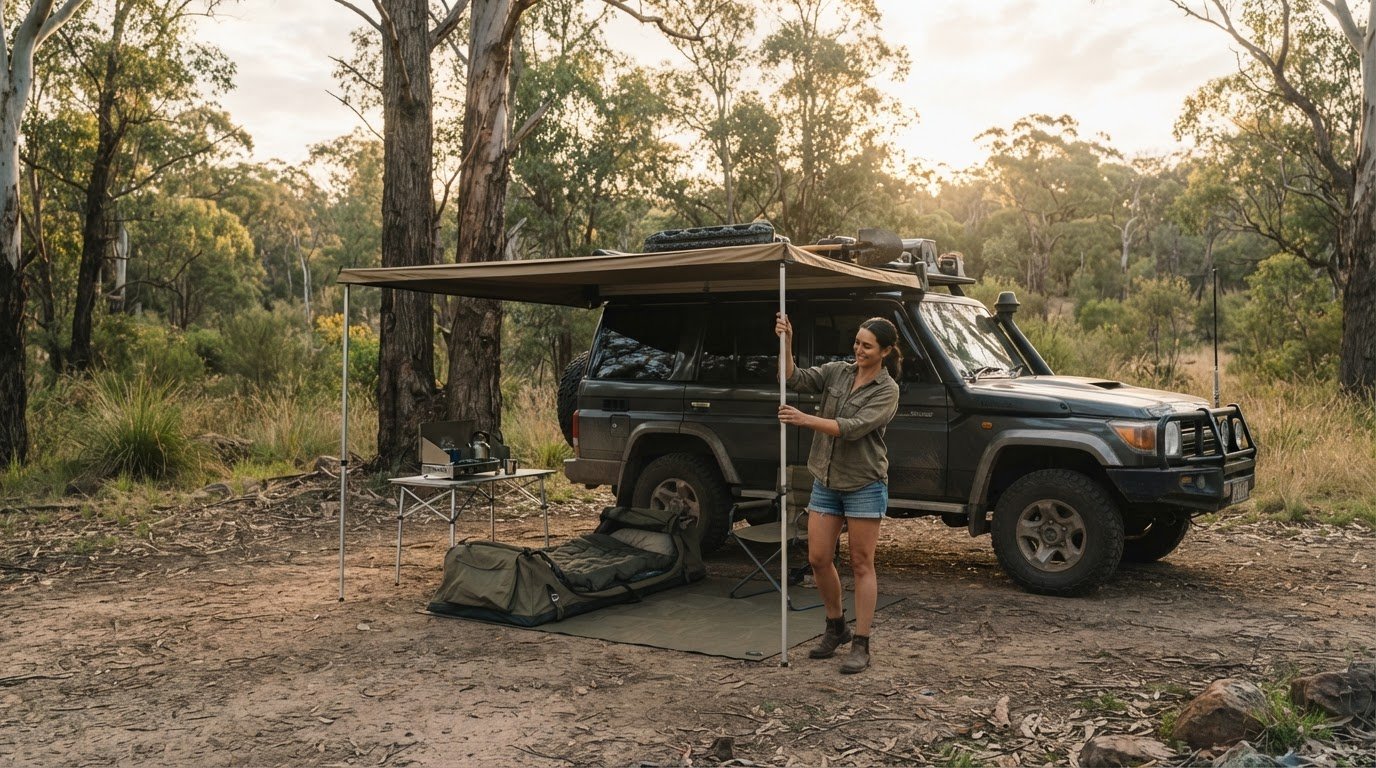
When we look at the best 4wd tracks queensland provides, it’s clear that variety is the biggest drawcard, but it hides some serious technical hurdles. Coastal sand driving on K’gari (Fraser Island) or Moreton Island demands low tyre pressures and a keen eye on tidal movements to avoid losing a rig to the ocean. As of July 2026, while you no longer need to display physical permits on your dash, your technical ability remains the most important permit you carry. Moving into the Tropical North, you’ll face deep water crossings and thick mud that test your seals and your patience. Meanwhile, heading west toward the historic Birdsville Track introduces the brutal reality of endless corrugations and intense heat. For these remote stretches, many in our community rely on 4wd awnings to provide essential shade during trackside repairs or lunch breaks.
When to Go: Seasonal Planning for 2026
The Iconic Coastal and Island 4WD Classics
Queensland’s coastline is a playground of shifting dunes and turquoise water. For many in our community, the best 4wd tracks queensland offers are found right where the land meets the Coral Sea. From the towering satinay forests of K’gari to the remote, unsealed bypasses of the Cooloola Way, these tracks demand respect and a specific set of skills. If you’re a weekend warrior based in the southeast, North Stradbroke Island provides a perfect balance of beach camping and accessible tracks. It offers a taste of the remote without the massive transit times required for the far north. These locations aren’t just tracks; they’re fragile ecosystems that require us to tread lightly and move with the rhythm of the tides.
Mastering the Sands of K’gari and Moreton
Coastal driving is all about timing. The #1 rule is simple: stay off the beach for two hours either side of high tide. Failing to plan for this can result in your rig becoming a permanent part of the coastline. We always recommend dropping tyre pressures significantly before you hit the soft stuff. For island tracks, 15 to 18 psi is often the sweet spot, though you should adjust based on your vehicle’s weight and the specific conditions of the day. Essential recovery gear, including traction boards and a long-handle shovel, should be easily accessible. Don’t bury your recovery kit under all your camping supplies. Since these islands offer some of the most scenic camps on earth, we find that quality roof top tents are the ultimate setup for staying off the sand and away from inquisitive dingoes.
Tackling the Tip: Cape York Preparation
The Old Telegraph Track (OTT) remains the definitive “Holy Grail” and easily ranks among the best 4wd tracks queensland has to offer. It’s a test of both machine and driver. Obstacles like the vertical drop at Gunshot Creek and the deep, sandy bottom of Nolans Brook are legendary for a reason. For 2026, ensure you’ve secured your permits for indigenous land access well in advance, as these areas are managed with deep cultural significance. A snorkel is non-negotiable here. The water crossings in the Northern Peninsula Area are deep and unforgiving. If you’re heading up in 2026, remember that K’gari vehicle permits now cost $61.80 for a month, while a day pass for the Cooloola Recreation Area is $15.40 when booked online. Before you head off on your next island adventure, check out our recommendations for 4wd awnings to keep your base camp cool. Visit Adventurerz to join our community of responsible explorers.
Inland Gems: Rainforest Ranges and Red Dirt Horizons
Queensland’s inland reaches offer a starkly different challenge compared to the coastal dunes we’ve already explored. For those who crave the shadow of ancient canopies or the vastness of the red horizon, the best 4wd tracks queensland provides are found deep within the Great Dividing Range and the Gulf Savannah. From the technical clay climbs of the Daintree to the historic, bone-jarring Old Coach Road near Laura, these routes demand a high level of vehicle preparation and a mindset focused on self-reliance. Inland travel requires us to be more than just drivers; we have to be stewards of the history and the silence that these remote locations offer.
The Gulf Savannah region is a particular favorite for our community, offering remote river crossings and the chance to experience authentic outback station stays. Meanwhile, the Sandstone Wilderness around the Carnarvon Ranges provides a rugged backdrop for those looking to push their rigs through rocky terrain and hidden gorges. These tracks aren’t just about the drive. They’re about the connection to the land and the endurance of your setup. Whether you’re crossing the Gilbert River or navigating the sandstone plateaus, the inland experience is defined by grit and discovery.
Rainforest Resilience: The CREB and Beyond
The CREB Track is legendary for being one of the most technical rainforest drives in Australia. As of July 23, 2026, the track is officially open, but it remains strictly a dry-weather-only mission. Even a small amount of rain turns the steep clay inclines into a skating rink, making it dangerous for even the most experienced drivers. We always emphasize staying within the existing track footprint to protect the sensitive rainforest floor and avoiding any unnecessary wheel spin that causes erosion. When you’re set up in these dense, humid environments, roof top tents are the gold standard, keeping you off the damp ground and away from the local wildlife. It’s about finding that balance between a daring adventure and a methodical approach to safety.
Outback Queensland: The Road to Birdsville
Heading west toward the Diamantina and the Simpson Desert requires a shift in strategy. The distances are vast, and the environment is unforgiving. Tracks like the Birdsville Track are more than just dirt roads; they are vital arteries for cross-border adventurers seeking the red heart of the country. Managing your fuel, water, and reliable satellite communication is critical here, as help can be hundreds of kilometers away. The heat can be relentless during the day, which is why we never head out without one of the best 4wd awnings to create a portable sanctuary for lunch stops or emergency repairs. Being prepared is the only way to explore these isolated locations responsibly and ensure the tracks remain open for the next generation of explorers.
Essential Gear for Queensland 4WD Adventures
Conquering the best 4wd tracks queensland is famous for requires more than just a capable rig and a sense of adventure. It demands a setup that keeps you safe, comfortable, and self-reliant when you’re hundreds of kilometers from the nearest town. We’ve spent years testing gear in the humid tropics and the dusty outback to find what actually survives the vibration of corrugated roads and the salt spray of our coastlines. From heavy-duty recovery kits to specialized action camera mounts from Hero Gear, our community values gear that balances durability with a minimal environmental footprint, ensuring we leave the tracks exactly as we found them.
When you’re exploring the far north or the sandy stretches of K’gari, where you sleep matters just as much as what you drive. We consider roof top tents the gold standard for Queensland travel because they offer immediate protection from ground-dwelling wildlife like dingoes and crocodiles. Beyond safety, the speed of a rooftop setup is a game-changer for those long transit days between outback stations where you only need a place to crash for one night. In our experience, hard shell tents tend to handle the intense Queensland humidity better than soft shell versions, as they are less prone to mould and offer superior wind resistance during coastal storms. They’re a hardy solution for travelers who value a methodical, daring approach to remote camping.
Shade and Shelter: Choosing the Right Awning
The Queensland sun is a relentless companion on any expedition. Whether you’re beach fishing or taking a lunch break on a dusty track, having high-quality 4wd awnings is essential for managing heat and UV exposure. A 270-degree awning provides the maximum possible coverage, which is perfect for creating a massive shaded hub at the back of your vehicle. However, if you’re frequently tackling high-clearance rainforest tracks like the CREB, you’ll need to consider the weight and profile of your awning to avoid snagging on low-hanging branches. On the windy beaches of K’gari, adding awning walls can transform your shade into a vital windbreak, keeping the sand out of your kitchen setup and your spirits high.
Reliable communication is your lifeline in the red heart of the state. While a UHF radio is perfect for convoy chatter, we always carry a satellite sleeve or dedicated emergency beacon for those deep remote sections where mobile signal is a distant memory. A 12V fridge is superior to an icebox for multi-day QLD tracks because it maintains a consistent, food-safe temperature in high ambient heat without the need to source or store melting bags of ice in remote locations. Ready to upgrade your remote travel kit? Join the Adventurerz community to see our full breakdown of track-tested equipment and sustainable travel advice.
Responsible Exploration and Environmental Ethics
As a community, our mission at Adventurerz is clear: we want to protect the tracks we love for 2026 and beyond. Exploring the best 4wd tracks queensland offers is a privilege that comes with a heavy responsibility to the environment and the people who call these remote regions home. We position ourselves as mentors on this shared path, ensuring that our presence doesn’t compromise the integrity of the land for future generations. Responsible travel isn’t just a set of rules; it’s a mindset of self-reliance and deep respect for the rugged environments we admire.
Treading Lightly on Fragile Tracks
Staying on the formed track is non-negotiable for anyone in our community. When we wander off-track to avoid a bog hole or a fallen branch, we widen the scar on the landscape and accelerate soil erosion. Waste management follows a simple golden rule: pack it in, pack it out. This includes everything from food scraps to greywater. We also need to be hyper-aware of fire safety and seasonal bans in Queensland National Parks. These bans are strictly enforced to prevent catastrophic bushfires in our sensitive rainforests and dry outback ranges. Always check the current status of your destination before you even think about striking a match.
Supporting Remote Communities
Off-roading is a community effort. Choosing station stays over bush camps occasionally helps inject vital funds into local outback businesses that rely on seasonal travelers. We must also show deep respect for Indigenous cultural sites and restricted areas. Many of the best 4wd tracks queensland provides are on traditional lands with areas that are not open for public exploration. Respecting these boundaries ensures we maintain the trust of traditional owners and keep these tracks accessible. To help you structure your next trip with precision, check out The Ultimate Adventure Travel Planner for mapping your 2026 remote escape.
Navigating the 2026 QLD permit system is straightforward if you’re prepared. As of July 1, 2026, camping fees are $7.75 per person per night or $31.00 for a family. Remember that for Bribie Island, Cooloola, and K’gari, physical permits are no longer required on your dash due to digital plate recognition cameras. However, don’t risk the $322 fine for camping without a valid permit. We encourage you to share your journey and tips responsibly within our community. When you share your stories, focus on the preparation and the ethics of the drive rather than just the destination. This helps us all grow as capable, environmentally aware explorers.
Gear Up for Your Next Remote Expedition
We’ve navigated the technical clay of the CREB Track and the shifting sands of K’gari together. Exploring the best 4wd tracks queensland has to offer in 2026 is about more than just the drive; it’s about the self-reliance and environmental respect we bring to every campsite. By matching your vehicle’s capability to the terrain and securing your permits early, you’re setting yourself up for a legendary journey. Remember that our collective impact on these fragile ecosystems defines the future of off-roading in Australia. We must tread lightly to ensure these tracks remain open for every explorer who follows.
Our mission is to support your path with expert gear reviews from real explorers and community-vetted track recommendations that focus on sustainable Australian travel. Whether you need a more durable rooftop tent for those humid rainforest nights or a reliable awning for that intense outback sun, we’ve got the technical insight you need to stay prepared. Join the Adventurerz community and find your next 4WD gear upgrade! The horizon is calling, and we’re ready to help you meet it with confidence. See you out on the tracks!
Frequently Asked Questions
What is the best 4WD track in Queensland for beginners?
Bribie Island is widely considered the best 4wd tracks queensland destination for beginners because it offers accessible beach driving and proximity to essential services. It provides a perfect training ground for mastering tyre pressures and sand recovery without the extreme isolation of the far north. You’ll still need a vehicle access permit, which costs $59.30 for a week as of July 2026, but the well-traversed tracks offer a safety net for those just starting their off-road journey.
Do I need a permit for 4WDing on K’gari (Fraser Island) in 2026?
Yes, you must secure a Vehicle Access Permit before driving on K’gari in 2026. As of July 1, 2026, a permit for one month or less costs $61.80. Queensland National Parks has shifted to automatic number plate recognition technology, so you don’t need to display a physical sticker on your windscreen anymore. However, failing to book online before arrival can result in a significant fine, so we always handle this during our pre-trip preparation to ensure a smooth journey.
Is a snorkel necessary for the Old Telegraph Track?
A snorkel is absolutely non-negotiable if you plan to tackle the Old Telegraph Track. While some bypass roads exist, iconic crossings like Nolans Brook and Logan’s Creek can easily reach depths that would hydrolock a standard engine. We view a snorkel as essential insurance for your rig’s survival in the Northern Peninsula Area. It ensures your engine breathes clean air above the waterline, allowing you to focus on your technical line through the crossing rather than a potential engine failure.
Can I take a camper trailer on the CREB track?
We strongly advise against taking a camper trailer on the CREB Track due to its extreme clay inclines and tight, technical turns. Even in bone-dry conditions, the track’s verticality makes towing a massive liability for both your vehicle and the track surface. If you’re heading this way, consider a rooftop tent setup instead. This keeps your center of gravity manageable and prevents the unnecessary track erosion caused by a heavy trailer losing traction on sensitive, steep rainforest slopes.
What is the best time of year to visit Cape York?
The best time to explore Cape York is during the peak dry season, specifically from June to September. During these months, the humidity is lower, and most major river crossings have dropped to manageable levels. Attempting the journey during the wet season, from November to April, is incredibly risky as heavy rains frequently wash out roads and lead to long-term closures. Planning for mid-winter ensures you’ll experience the best 4wd tracks queensland has to offer in optimal safety.
What emergency communication should I carry for remote QLD tracks?
For remote Queensland tracks, you should always carry a dedicated satellite communicator or a Personal Locator Beacon (PLB). While a UHF radio is vital for communicating with your convoy or passing trucks, it won’t help you in a life-threatening emergency when you’re hundreds of kilometers from a base station. We recommend devices like an InReach or Zoleo, which allow for two-way messaging, providing peace of mind when mobile reception inevitably disappears in the deep outback or dense rainforest canopies.
How do I check current track conditions before leaving?
You should check current track conditions by visiting the official Queensland National Parks “Park Alerts” page and relevant local council websites. For specific routes like the CREB Track, the Douglas Shire Council provides the most accurate status updates. We also find that local 4WD community Facebook groups are invaluable for real-time reports on water depths or recent washouts. Always verify social media tips against official government sources before committing to a remote route to ensure your group’s safety.