Is your 4WD setup actually ready for the deepest sand tracks in Queensland, or are you about to become another recovery statistic on the way to your campsite? We’ve all felt that mix of excitement and mild anxiety when planning a trip to Mulgumpin. It’s easy to get overwhelmed by the choice between sheltered managed sites and the raw, wind-swept freedom of the eastern beach. Choosing from the various Moreton Island camping spots isn’t just about the view; it’s about matching your gear to the island’s rugged micro-climates and tidal shifts.
We’re here to make sure your 2026 escape is seamless and responsible. You’ll discover exactly which zones suit your setup, whether you’re rocking a heavy-duty rooftop tent for easy pack-ups or need the expansive shade of a high-quality 4WD awning to beat the midday heat. We’ll also clear up the 2026 permit process, including the current $7.75 nightly fee, so you can book your stay on Quandamooka Country with total confidence. From the iconic shipwrecks to remote coastal dunes, this guide previews the best locations and the technical gear you’ll need to stay self-reliant. Let’s get your rig packed and ready for the ultimate island adventure.
Key Takeaways
- We’ll show you how to navigate the choice between established campgrounds and the five remote wilderness zones to find your perfect island sanctuary.
- Discover our curated list of the top Moreton Island camping spots; from the snorkel-friendly Wrecks to the wind-protected western shores.
- Get expert recommendations on why rooftop tents and durable 4WD awnings are the superior choice for staying dry and shaded in Mulgumpin’s sandy environment.
- Secure your 2026 escape with our step-by-step guide to the latest permit fees and MICAT ferry booking requirements.
- Learn how to respect Quandamooka Country through responsible exploration and sustainable camping practices that preserve the island for future adventurers.
Table of Contents
- Moreton Island Camping: Choosing Between Campgrounds and Wilderness Zones
- The Top 5 Moreton Island Camping Spots for Every Adventurer
- Remote 4WD Camping Zones: Finding Your Private Slice of Paradise
- Gear Mastery: Optimising Your Setup for Moreton’s Terrain
- Planning Your 2026 Moreton Adventure: Permits, Ferries, and Ethics
Moreton Island Camping: Choosing Between Campgrounds and Wilderness Zones
We’ve all seen those iconic photos of 4WDs lined up along the tide line, but planning your first trip to Moreton Island (Mulgumpin) requires more strategy than just airing down your tyres. This island is the ancestral land of the Quandamooka people, who now co-manage this incredible landscape. It’s a bucket-list destination for national 4WD enthusiasts because it offers a raw, sand-only environment that tests both your driving skills and your gear durability. When you’re looking at Moreton Island camping spots, you’re essentially choosing between two distinct lifestyles: the structured comfort of managed campgrounds or the rugged independence of wilderness zones.
Success on the sand depends on matching your setup to the island’s specific environmental challenges. We’ve seen plenty of setups fail because they weren’t built for the salt spray or the shifting dunes. Whether you’re a seasoned tourer or a weekend warrior, understanding the “first-in, best-dressed” philosophy is vital. While you book a permit for a specific area, the actual site selection happens when you arrive. This means getting off the barge early is often the difference between a prime beachfront view and a cramped corner.
Managed Campgrounds: Facilities and Family Comfort
If you’re traveling with the family or you’re new to sand camping, the managed campgrounds are your best bet. These areas, like Ben-Ewa or The Wrecks, offer essential amenities like drop toilets and cold showers. They’re usually tucked behind the dunes for protection from the salt spray. We love these spots because they’re often located near the MICAT barge landings, meaning you aren’t fighting the soft sand tracks immediately after rolling off the ferry. Having a reliable roof top tent here is a massive advantage, keeping you off the sand and making setup a breeze after a day of exploring the inland tracks.
Beach Camping Zones: The Ultimate 4WD Freedom
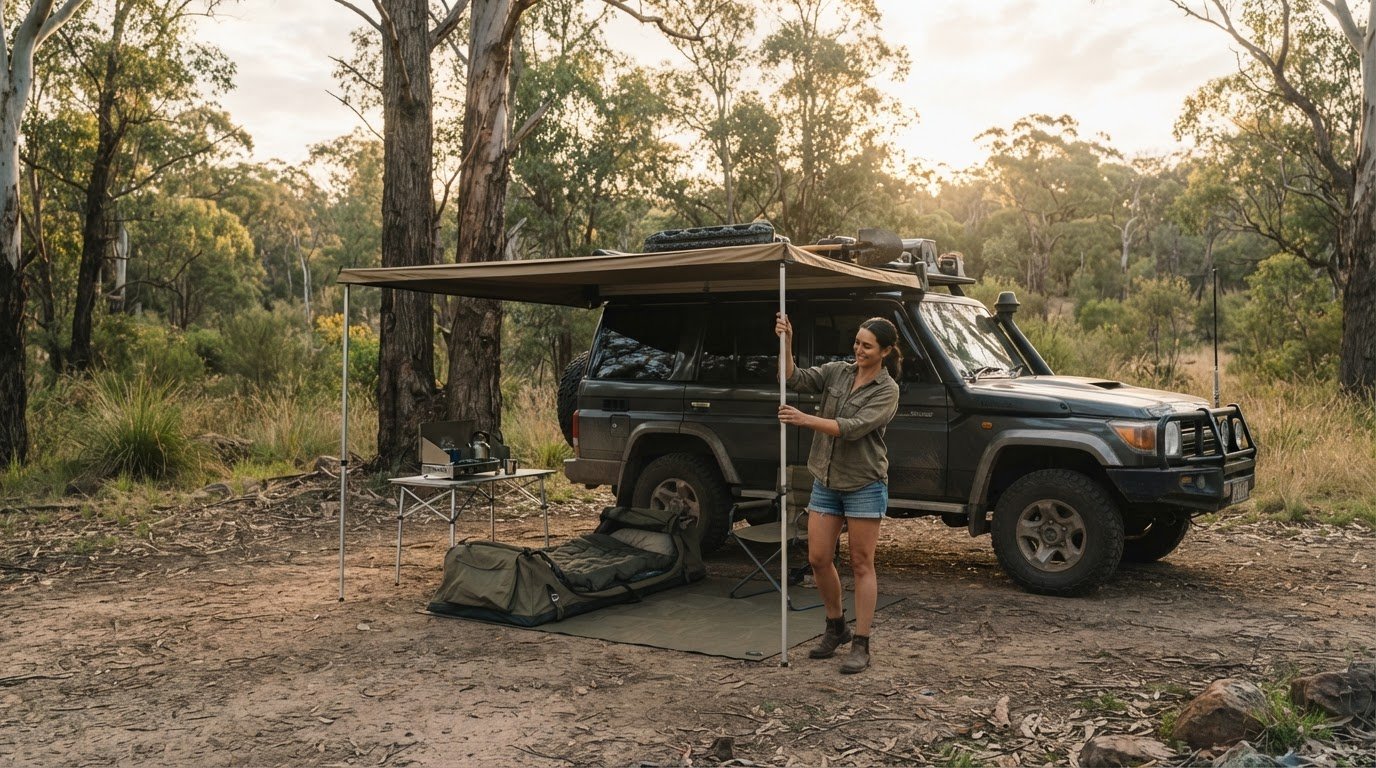
For those of us who crave that “remote Australia” feeling, the five wilderness camping zones offer true seclusion. There are no toilets, no showers, and no defined sites. You’re camping right behind the foredunes, listening to the Pacific Ocean roar. Total self-sufficiency is the rule here. You’ll need to carry all your own water and a portable toilet, as protecting the delicate ecosystem of Quandamooka Country is a responsibility we all share. These zones are perfect for testing your setup against the elements. Because there’s very little natural shade, we always recommend high-quality 4wd awnings to create a sanctuary from the relentless Queensland sun. It’s about durability; if your gear can’t handle the salt and wind of the South-East zone, you’re in for a long night.
The Top 5 Moreton Island Camping Spots for Every Adventurer
Finding the right base on Mulgumpin is about more than just a place to park your rig. It’s about matching your daily activities to the island’s unique geography. With so many Moreton Island camping spots to choose from, we’ve narrowed down the five locations that consistently deliver the best experiences for our community. Whether you’re chasing the morning’s first light on the eastern beach or looking for a calm western sunset, these sites offer something for every level of self-reliance.
- The Wrecks: This is the only campground accessible without a 4WD. It’s a walk-in paradise for snorkelers who want immediate access to the sunken hulls.
- Ben-Ewa: We recommend this for young families. It’s incredibly sheltered and offers a safe, shallow shoreline for the kids to splash around in.
- Blue Lagoon: Positioned on the eastern side, this spot gives you the best of both worlds. You get the rugged beach vibes with the luxury of a freshwater lake nearby for a post-surf rinse.
- North Point: These are the most spacious sites on the island. If you’re traveling in a social group or towing a camper trailer, this grassy hub is your best bet.
- Comboyuro Point: This is our go-to for western sunsets. The waters here are usually like glass, making it the premier location for late-afternoon paddleboarding.
Before you set off, remember that all sites require official camping permits and bookings through the Mulgumpin Camping portal. Sites fill up months in advance for 2026 school holidays, so plan your window early.
The Western Side: Calm Waters and Easy Access
The western side of the island is all about tranquility. Ben-Ewa and Comboyuro Point are the stars here, offering protection from the prevailing south-easterly winds that can batter the ocean side. It’s a much safer environment for those who find the heavy Pacific surf a bit intimidating. However, there’s a trade-off for that stillness. The sheltered scrub behind these sites is a haven for mosquitoes and midges. We’ve found that a quality setup, like one of the best 4WD awnings with integrated mesh walls, is essential for enjoying your evening sundowners without becoming a snack for the local insects.
The Northern Hub: North Point and Yellow Patch
At the very tip of the island, you’ll find a distinct change in terrain. North Point offers grassy, established sites that feel almost like a mainland park, while nearby Yellow Patch delivers a more authentic sandy experience. This area is the perfect strategic base for exploring the Cape Moreton Lighthouse. From here, it’s just a short drive or a vigorous hike to the Champagne Pools. These natural rock pools are a highlight of any trip, offering a bubbly, spa-like soak as the waves crash over the volcanic rock. It’s a spectacular part of Quandamooka Country that rewards those who make the trek north.
Remote 4WD Camping Zones: Finding Your Private Slice of Paradise
If you’re looking for that raw, edge-of-the-world feeling, the remote 4WD zones are the premier Moreton Island camping spots. Unlike the managed campgrounds we discussed earlier, these zones offer total freedom within specified boundaries. You’ll need to keep an eye out for the “totems”—the carved wooden posts that signal the start and end of each legal camping area. We can’t stress enough how important it is to stick to the existing access tracks. The dune systems here are incredibly fragile, and as guests on Quandamooka Country, our community has a duty to minimize our footprint while we explore. It’s about self-reliance and respecting the natural rhythm of the island.
Choosing the right zone depends entirely on the forecast. If the easterlies are blowing, you’ll want to tuck into the North-West or South-West zones for some much-needed relief. For those chasing the morning’s first light and a swell to match, the North-East and South-East zones are unbeatable. Just ensure you’ve secured your Moreton Island camping permits and regulations before you roll off the MICAT, as rangers frequently patrol these remote stretches in 2026 to ensure everyone is doing the right thing. These zones don’t have facilities, so your setup needs to be dialed in for total independence.
The Eastern Side: Surf, Sun, and Salt Spray
Waking up on the ocean side is a visceral experience. You’ve got the Pacific at your doorstep and the salt air in your lungs. But be warned: the conditions here are relentless. If your gear isn’t up to scratch, the wind will find the weak points. This is where a robust roof top tent pays for itself, keeping you elevated above the blowing sand and away from any high-tide surges. The eastern beach is an exposed environment, so we always recommend a heavy-duty 4wd awning to create a sheltered pocket for cooking and relaxing when the sea breeze picks up in the afternoon.
Yellow Patch: The Hidden Gem of the North
Yellow Patch feels like another world compared to the southern Moreton Island camping spots. The dunes are massive, glowing with a distinct ochre hue that gives the area its name. Getting here is a true 4WD test. We’d rate the northern tracks as a serious challenge for those less experienced in deep, soft sand. You’ll need to plan your journey around the changing tides; driving the eastern beach to reach Yellow Patch is only safe within two hours of low tide. If you time it wrong, you risk losing your rig to the ocean. It’s high-stakes travel, but the reward is a private slice of paradise that few visitors ever see—the perfect place to enjoy a gourmet meal enhanced by SITA’S Fusion Flavours while the sun sets over the dunes.
We’ve all seen the “Moreton garage sale”—that unfortunate pile of twisted gazebos and shredded tents left near the barge landing. It’s a harsh reminder that Mulgumpin doesn’t forgive poorly chosen equipment. When you’re scouting the best Moreton Island camping spots, your shelter choice is the single most important factor between a dream escape and a gear-breaking disaster. The combination of abrasive sand, relentless salt spray, and sudden Pacific gusts requires a level of durability that standard “big box” camping gear simply can’t provide.
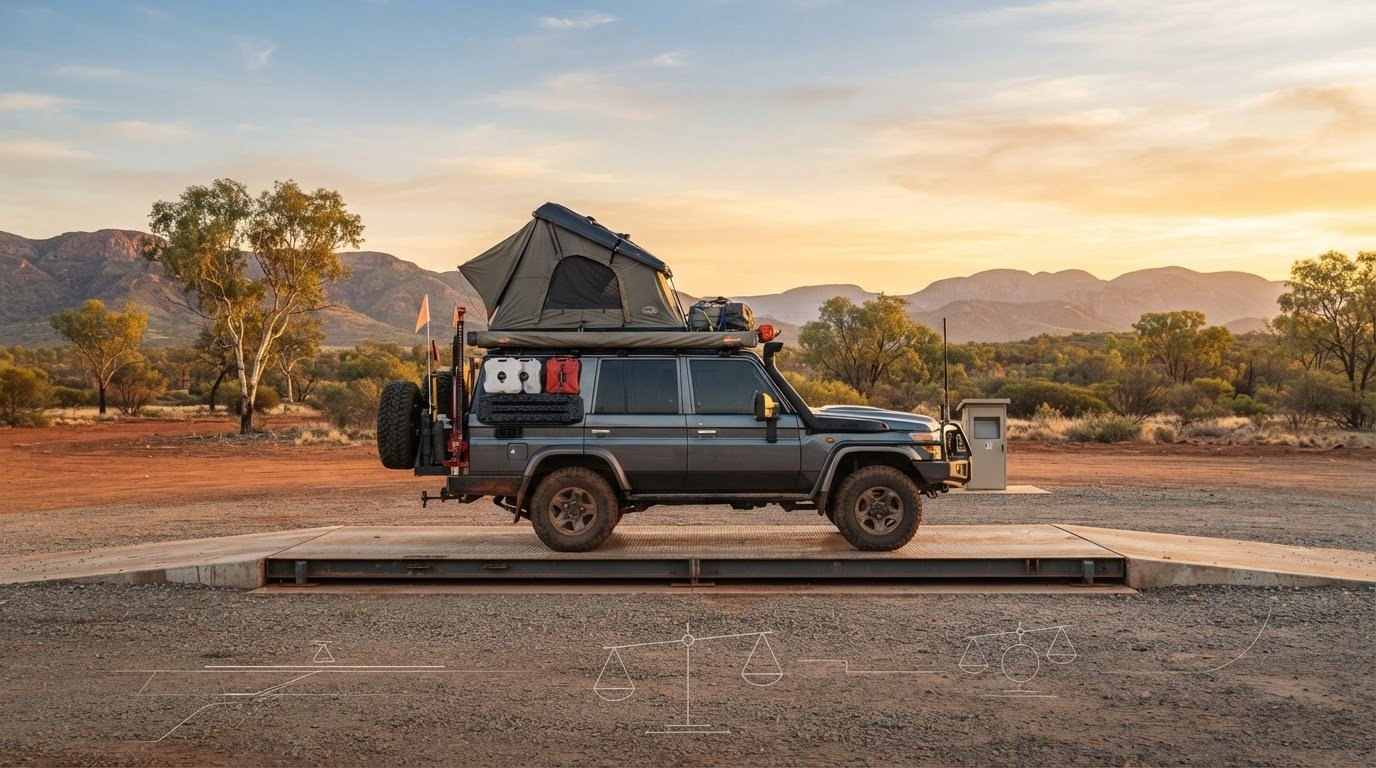
Self-reliance is the core of our community ethos. Being truly prepared means knowing your equipment can handle the environment before you roll off the MICAT. This starts with the basics: standard tent pegs are useless here. You’ll need dedicated sand stakes and heavy-duty guy ropes to anchor your setup into the shifting dunes. We always say that if you’re second-guessing your tie-downs at 10 PM, you haven’t built a resilient enough camp. High-quality gear isn’t just about luxury; it’s about the confidence to stay put when the weather turns.
Why Rooftop Tents Excel in Moreton’s Sandy Terrain
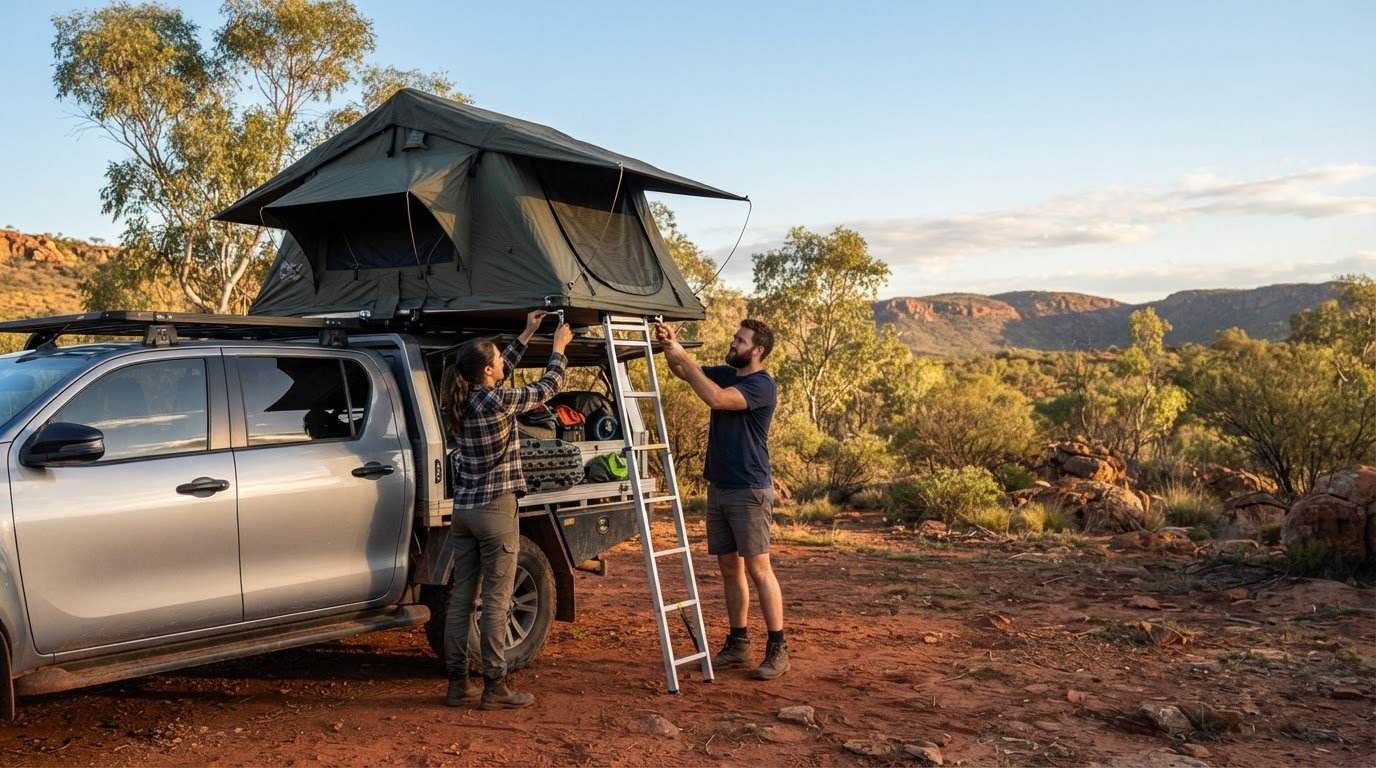
If you’ve ever spent a night trying to sweep fine sand out of a ground tent, you’ll understand why we’re such advocates for elevated sleeping. Staying off the hot, soft sand keeps your bedding clean and places you well away from ground-dwelling critters like snakes or inquisitive goannas. In 2026, hardshell rooftop tents have become the gold standard for beach zones because their aerodynamic profiles and rigid structures shrug off high winds that would collapse a traditional canvas fold-out. We define “hardshell” tents as those with a solid outer casing that provides superior protection against salt-heavy air and flapping fabric noise. They also offer a 2-minute pack-down time, which is vital when you want to beat the tide and explore the island’s inland tracks daily. Check out our latest Adventurerz rooftop tents guide to see which models are surviving the toughest Australian conditions.
Essential 4WD Awnings for Beach Shade
The Queensland sun is a beast on the eastern beach, and natural shade is non-existent in the wilderness zones. A 270-degree awning is a game-changer for Mulgumpin, providing wrap-around protection that follows the sun from sunrise to sundown. However, you must manage the “Moreton Wind.” Even the best awnings can become sails if they aren’t secured with robust poles and deep-set sand anchors. We’ve tested dozens of setups to find the ones that don’t rattle or buckle when the sea breeze hits 25 knots. Browse our recommendations for the best 4WD awnings to find a setup that balances rapid deployment with extreme wind resistance.
Ready to upgrade your rig for the sand? Explore our expert rooftop tent recommendations and build a setup you can trust for your next island adventure.
Planning Your 2026 Moreton Adventure: Permits, Ferries, and Ethics
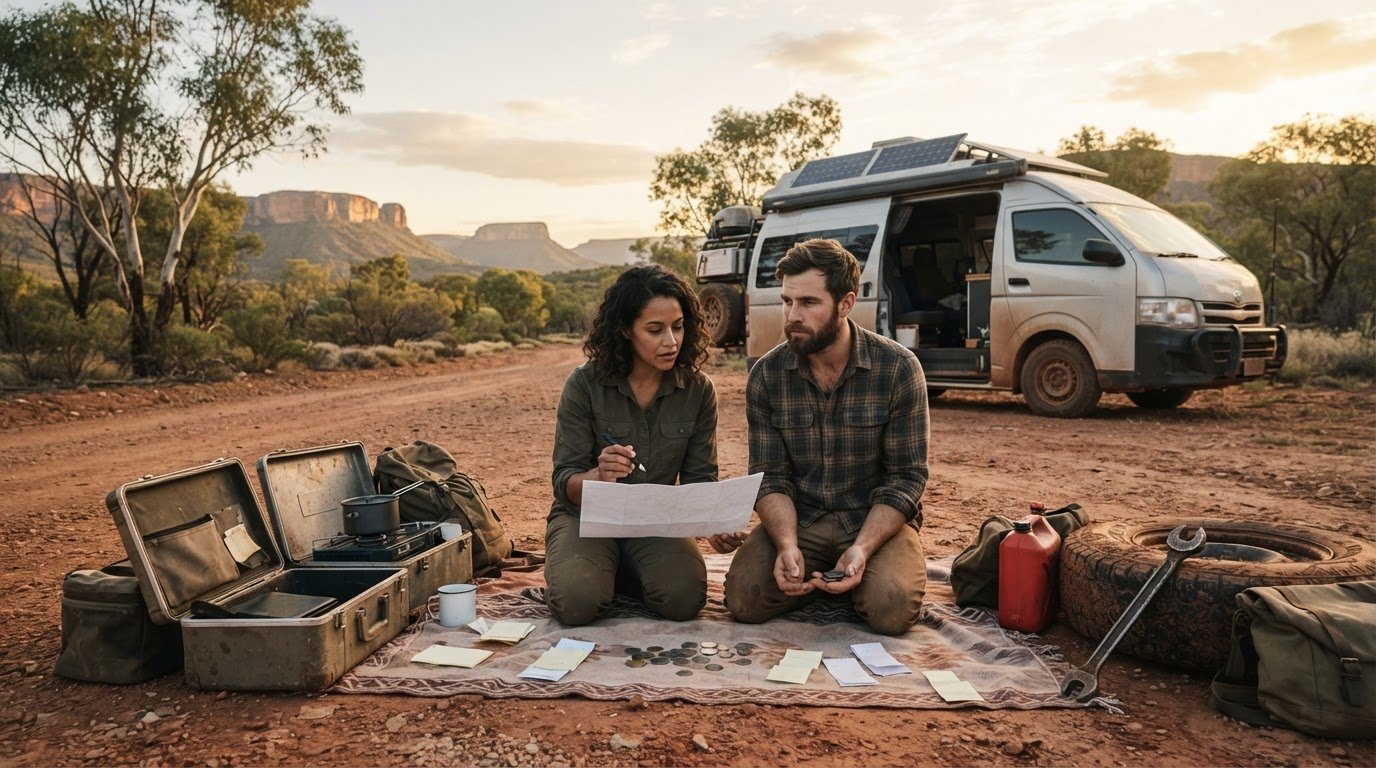
Success on Mulgumpin isn’t just about having the right rig; it’s about meticulous preparation and respect for the land. Planning your escape to the various Moreton Island camping spots requires a strategic timeline to ensure you don’t miss out on the best zones. We recommend starting your logistics at least six months before your departure date, especially if you’re targeting 2026 school holidays or long weekends. Your first move is always securing a spot on the MICAT ferry. Because deck space for 4WDs is limited, the ferry often sells out long before the campsites do. Once your transit is locked in, you can build the rest of your itinerary around your arrival and departure times.
Safety on the island is dictated by the moon and the sea. Checking tide times is the most critical part of your daily routine. Many beach tracks are only passable two hours either side of low tide. If you’re caught out by a rising tide on the eastern beach, you risk losing your vehicle to the Pacific. We’ve seen it happen to even experienced drivers who ignored the clock. Make tide charts your bible and always prioritize beach transit during the ebb tide to stay on hard-packed sand.
Securing Your 2026 Permits
All bookings are now streamlined through the Mulgumpin Camping portal, managed by the Quandamooka Yoolooburrabee Aboriginal Corporation (QYAC). You’ll need to secure both a camping permit and a Vehicle Access Permit (VAP) before your tyres hit the sand. As of July 2026, camping fees are $7.75 per person per night. For your 4WD, a month-long VAP is approximately $55.90, though you should confirm the exact rate at the time of booking. Don’t risk skipping these; rangers are active across the island and non-compliance penalties are steep. Remember to print your camping tag and display it clearly on your tent or roof top tent at all times.
Sustainable Camping: Respecting Quandamooka Country
Mulgumpin is more than a playground; it’s the ancestral home of the Quandamooka people. In 2021, the area was formally renamed Gheebulum Kunungai (Moreton Island) National Park to honor this connection. As guests, we have a collective responsibility to practice “Leave No Trace” ethics. This means carrying out every piece of rubbish you bring in and managing human waste responsibly, especially in the remote 4WD zones. Never use local timber for fires; it’s a vital part of the ecosystem. Instead, bring your own milled timber and use pre-existing firepits. By minimizing our impact and using high-quality gear like 4wd awnings to stay within our designated footprints, we ensure these pristine Moreton Island camping spots remain healthy for future generations of adventurers.
Secure Your Spot on the Sand
Preparation is your best friend on the tracks. Lock in your MICAT ferry and permits early, respect the tide times, and always tread lightly on Quandamooka Country. Our community-driven adventure guides are here to ensure you stay self-reliant and ready for whatever the island throws your way. It’s time to stop dreaming and start packing. Plan your next remote escape with our Ultimate 2026 Travel Planner and join us on the dunes. We’ll see you out there!
Frequently Asked Questions
Do I need a 4WD to camp on Moreton Island?
You definitely need a high-clearance 4WD to reach the vast majority of Moreton Island camping spots. The only exception is The Wrecks campground, which is accessible by foot from the MICAT ferry landing. For all other areas, you’ll be navigating deep, soft sand tracks and beach zones that require low-range capabilities and aired-down tyres. Don’t risk a 2WD or AWD vehicle, as you’ll likely become a recovery statistic before you even reach the dunes.
Can I have a campfire at the Moreton Island camping spots?
Campfires are permitted at most Moreton Island camping spots, provided you use pre-existing fireplaces or portable firepits. We always bring our own milled timber, as collecting wood from the national park is strictly prohibited and damages the local ecosystem. Always check for total fire bans before lighting up, and ensure your fire is completely extinguished with water, not sand, before you turn in for the night or leave your site to explore the island.
What is the best time of year to camp on Moreton Island in 2026?
The best time to visit in 2026 is during the shoulder seasons of April to June or September to November. These months offer a perfect balance of mild temperatures and lower humidity, making it ideal for sleeping in a rooftop tent. While summer is popular for swimming, the heat and humidity can be intense. If you’re looking for seclusion, avoid the 2026 school holiday periods when the most popular campgrounds reach their capped capacity very quickly.
Are there dingoes on Moreton Island and how should I store food?
How much does a camping permit cost for Moreton Island in 2026?
As of 1 July 2026, a camping permit costs $7.75 per person per night. You’ll also need a Vehicle Access Permit (VAP) to drive on the island’s tracks, which is approximately $55.90 for a one-month duration. It’s essential to book these via the Mulgumpin Camping portal before you arrive. All revenue from these fees helps the Quandamooka people and QPWS manage the island’s infrastructure and protect the sensitive coastal ecosystems we all love to explore.
Which camping spots on Moreton Island have the best phone reception?
You’ll find the most reliable phone reception on the western side of the island, particularly around The Wrecks and Ben-Ewa, due to the proximity to mainland towers. The eastern beach and northern zones are notoriously patchy, often requiring a hike to higher ground or a dedicated signal booster for your rig. We view the limited signal as a great excuse to disconnect, but for safety, always carry a satellite communicator if you’re heading into the remote southern zones.
Can I take a camper trailer to all the camping zones?
You can’t take a camper trailer to every zone, as some inland tracks are too narrow or have extremely soft, deep sand that makes towing a nightmare. North Point is the premier choice for trailers because of its spacious, grassy sites and relatively accessible tracks. If you’re planning to tow into the wilderness zones, ensure your 4WD is adequately powered and your trailer has matching wheel tracks to reduce drag on the fragile sand surfaces.
Where can I refill my drinking water on the island?
While some managed campgrounds like Ben-Ewa and Comboyuro Point have water taps, the supply is limited and must be treated before drinking. We strongly recommend being completely self-sufficient and carrying at least five litres of water per person per day. You can’t rely on finding potable water in the remote 4WD zones. Bringing your own supply ensures you aren’t putting pressure on the island’s delicate freshwater table while you enjoy your stay on Quandamooka Country.